Frankly my dear, the wind doesn’t care…
Spring in Canterbury is a mixed bag. You get the blossom, the daffodils, and let’s not forget my favourite - the peony! But you also get slapped in the face by the Nor’wester. If you’re lucky, it just causes you to have a bad hair day. If you’re a gardener, it rips your hat off, flattens your plants, and makes you seriously consider selling up and moving somewhere that doesn’t require everything to be built for a “high wind zone.”
I can cope with frost. I can cope with rain. I can even cope with the odd snowfall. But wind? Wind is the truly heartbreaking part of gardening here. It’s gusty, it’s relentless, and it shows up every spring like an uninvited guest who eats all your snacks and refuses to leave.
And it’s not just a breeze. When the Nor’wester really gets going, it can clock up to 120 km/h, which is less “fresh spring wind” and more “hang onto the greenhouse or we’re off to Oz.”



The trouble with trees
When trees are bare in winter, they take the wind on the chin just fine. But the minute they leaf up they’re great big sails just begging to be battered. Cue the broken branches. Cue the gardener (me) running outside in a fit of rage, shouting at the weather like it’s actually going to listen.
Shelter belts, or how I became a hedge collector
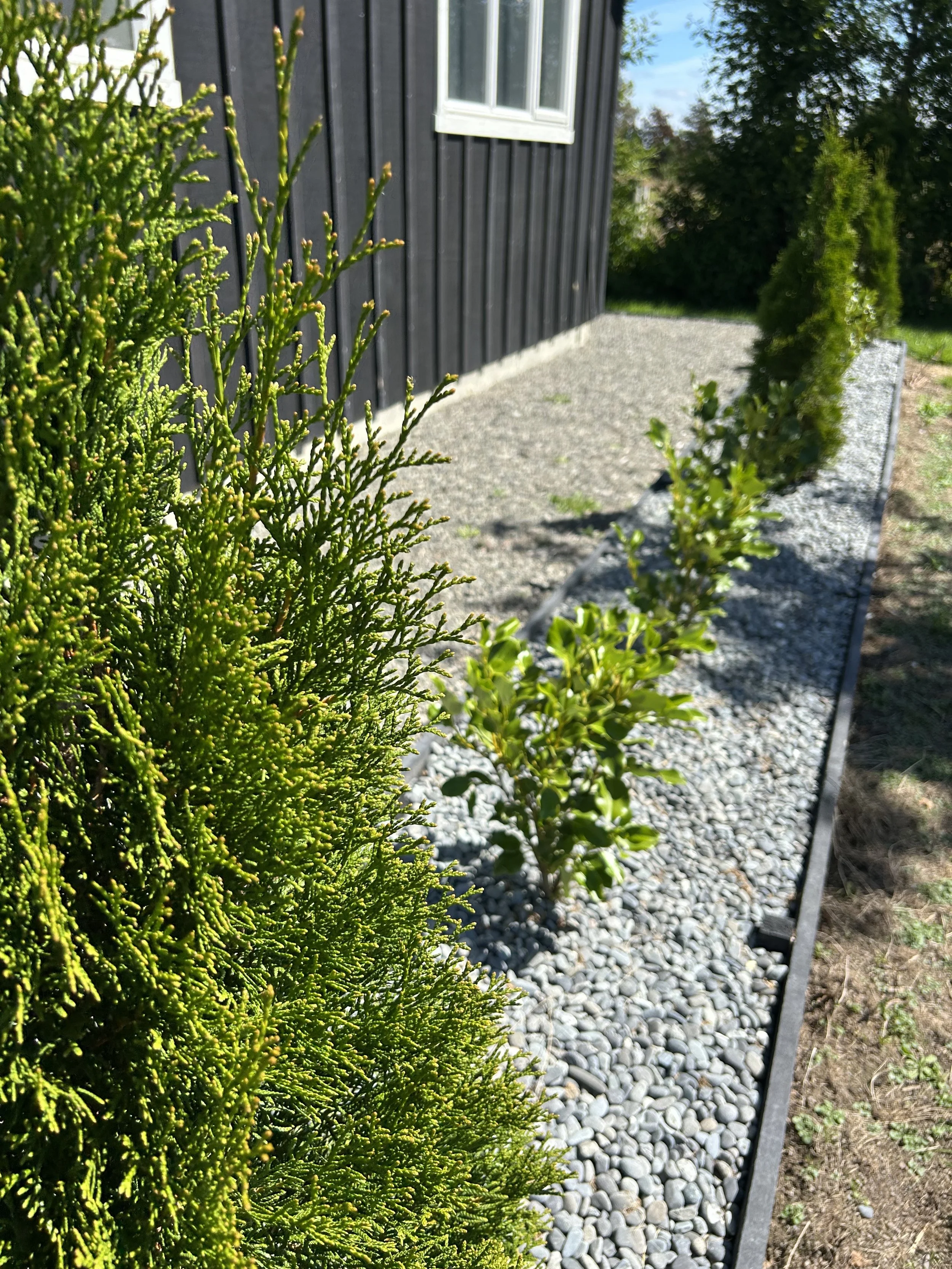
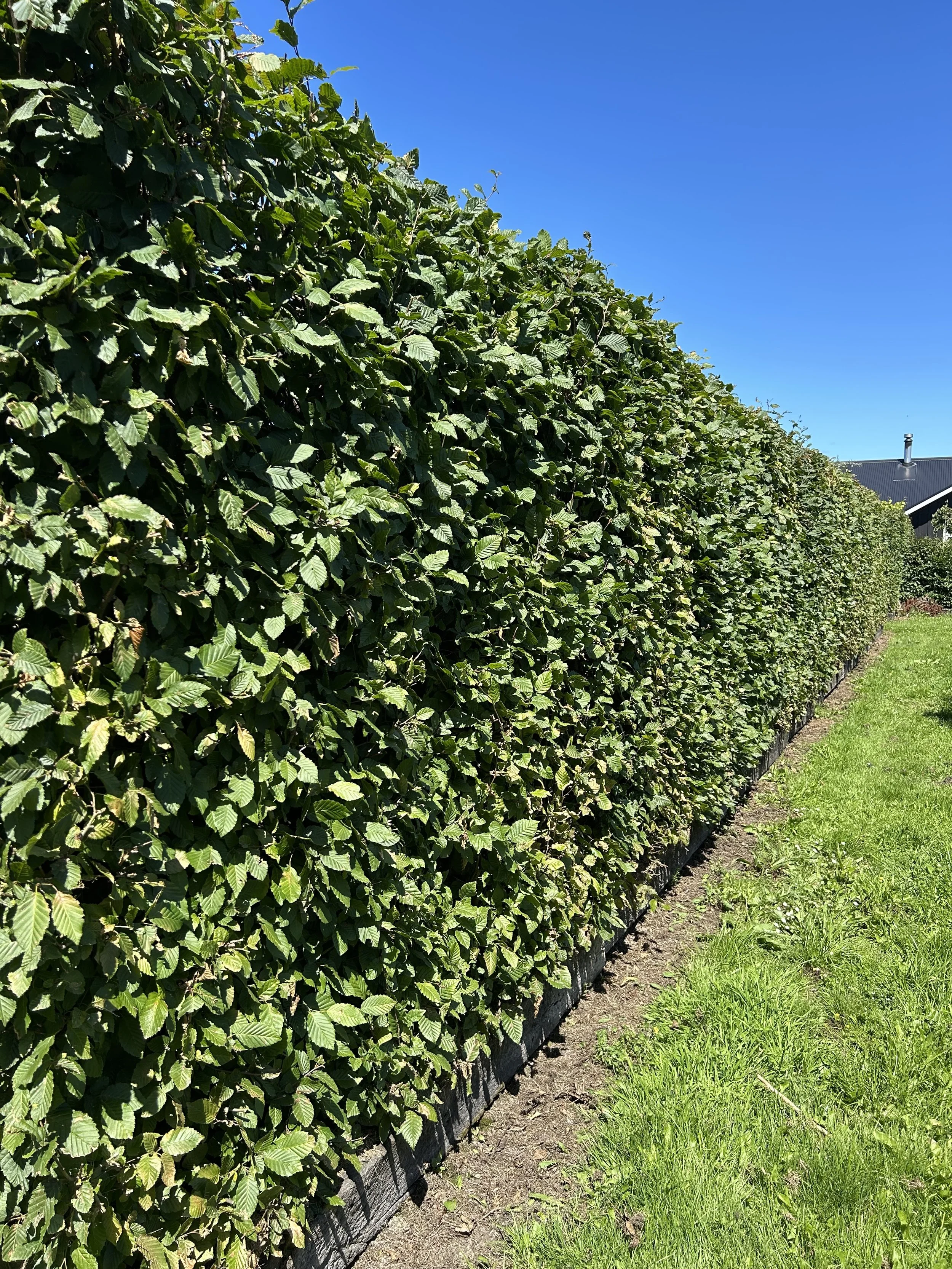
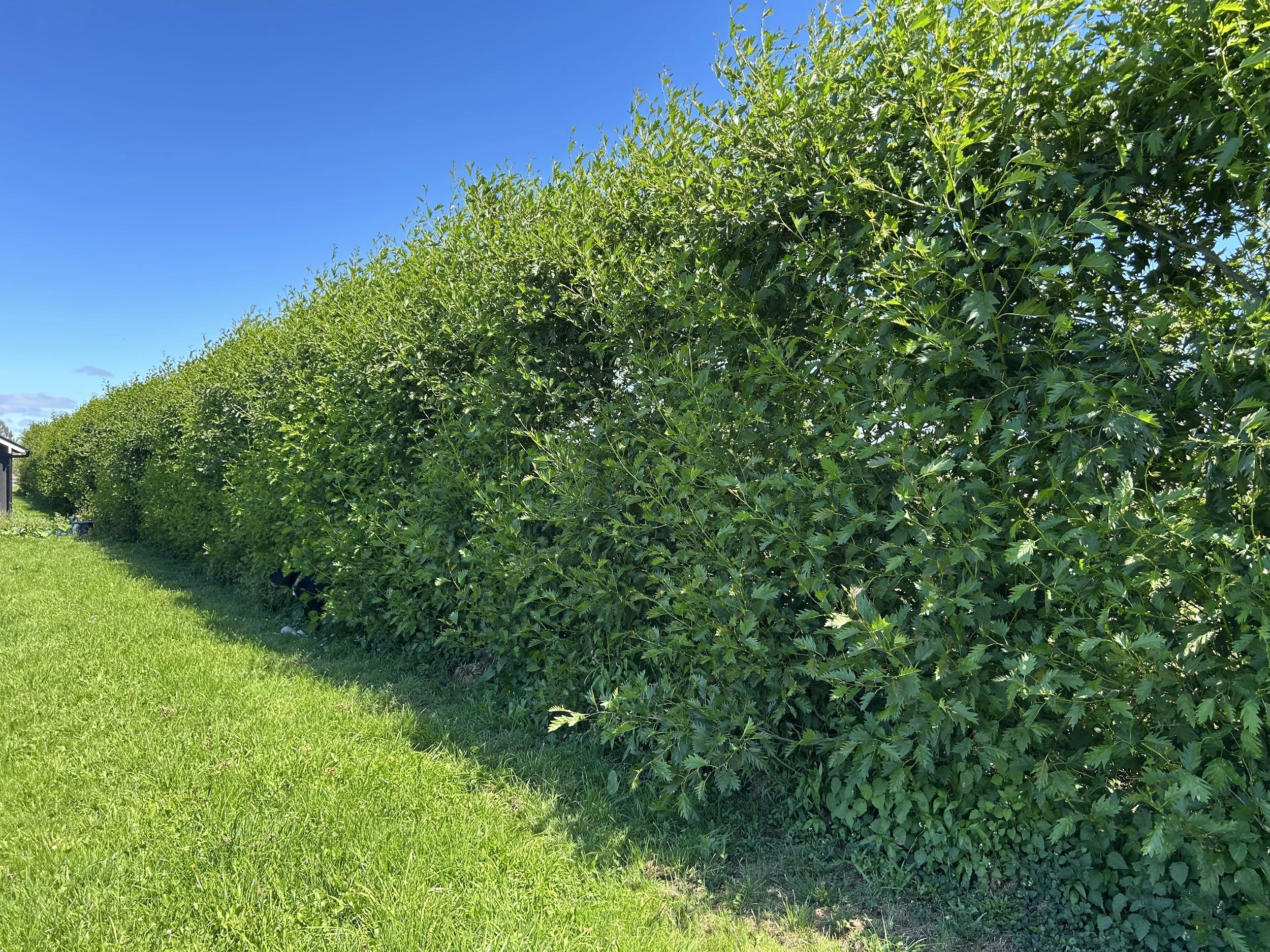
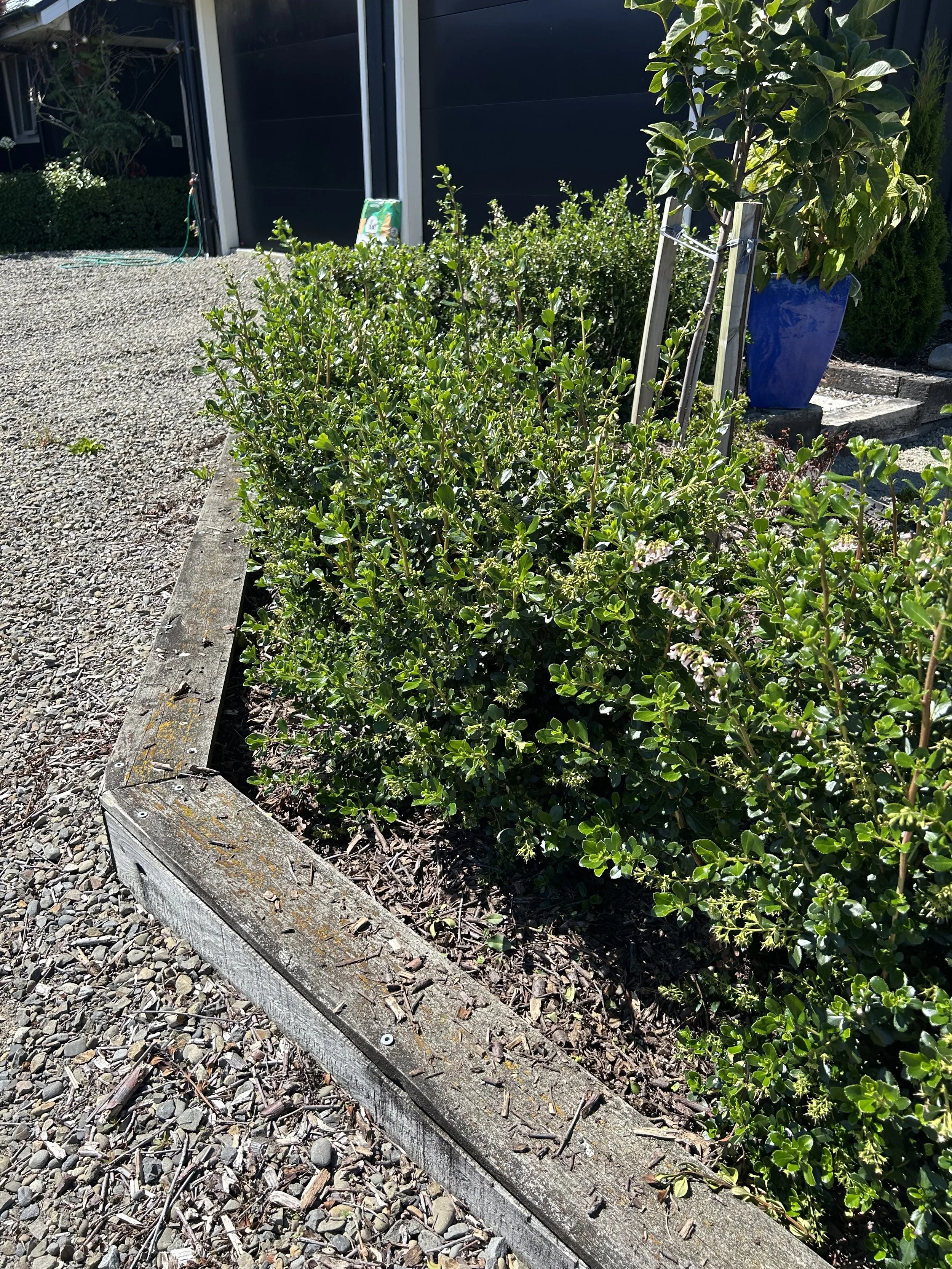
The only real solution is shelter. I’ve become the mad woman with too many hedges. Alder around the two-acre garden, Hornbeam backing my perennial borders, Russian olives around the greenhouse, Escallonia near the parking area. If you can name a hedge, I’ve probably planted it.
The alders love damp feet (luckily they’ve got septic dripper lines feeding them…. glamourous, I know), and they’ve shot up into a pretty respectable screen. They’re deciduous, but don’t write that off. Deciduous hedges act as a filter: they slow the wind down rather than making it tumble over like a wall and swirl about in turbulence. Plus, in winter, I can still see the snowy hills through the bare branches.
The hornbeam is brilliant. It’s a proper wind buffer. And the Russian olives? Tough as boots. The Escallonia have been more hit-and-miss. The first 200 down the drive died a watery death in our clay soil after a wet winter. Lesson learned. At least I’d propagated them all myself, so it was only my pride that took the real hammering.
The wind cloth years
Some hedges need a little help to get going in gale country. I put wind cloth up around one of mine, and it stayed there for about ten years before I finally felt confident enough to take it off. Yes, ten years. These are the sorts of long-term relationships you commit to when you garden in Canterbury.
Acceptance (sort of)
So, here’s the truth: every spring I mutter, “That’s it, I’m done, I’m moving somewhere with no wind.” By summer, when the gusts calm down, I’ve changed my mind. By autumn I’m in love with my garden again. By winter, I’m smugly drinking tea while looking at the snow-capped Alps through the alders.
Spring, though? Spring is for coping strategies. Hedges, hedges, and more hedges. A good sense of humour. And maybe a few glasses of wine while watching your mulch fly across the lawn. Because sometimes, in Canterbury, gardening really is just extreme sports with secateurs.
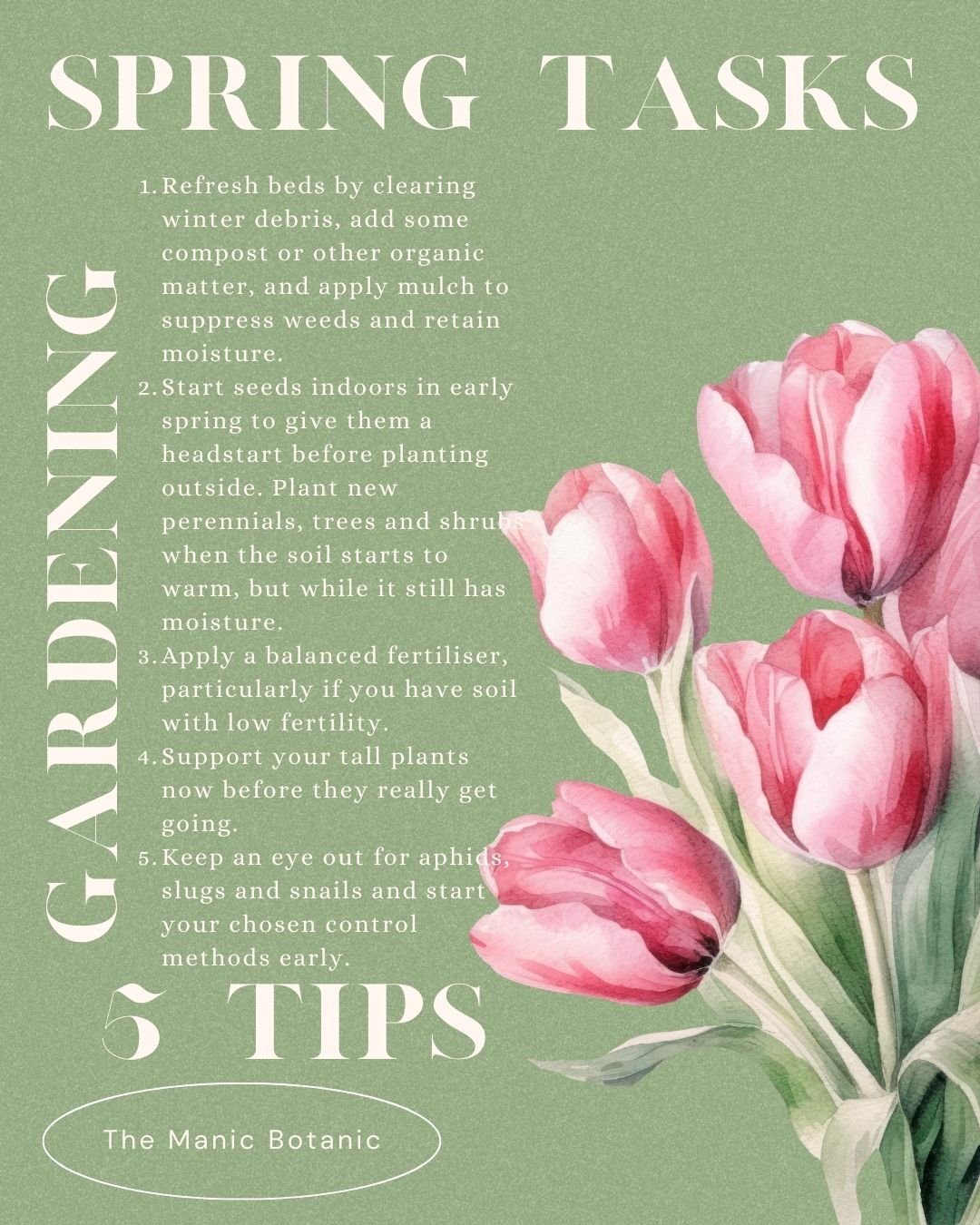
Spring tasks
Spring is a busy time in the garden, as the growth kicks off and the weeds start to take off. I swear they’re always earlier and much faster than any of the pretty plants. It’s infuriating. If you’re a beginner gardener and feeling a bit stuck for what to do, I’ve assembled the main tasks here for you: