Speak the lingo
*
Speak the lingo *
Here, you’ll find all the common garden terms and phrases with simple definitions to help you understand what all those experienced gardeners are talking about.
Aeration – Loosening compacted soil so air, water, and nutrients can reach plant roots.
Annuals – Plants that complete their entire life cycle in one season and need replanting each year.
Bare Root – Plants sold without soil around their roots, usually dormant and ready for planting.
Beneficial Insects – “Good bugs” like ladybirds and bees that help control pests or pollinate plants.
Biennials – Plants that grow leaves in their first year, then flower and die in their second year.
Clay Soil – Heavy, sticky soil that holds water but drains poorly; often improved with compost.
Companion Planting – Growing different plants together so they help each other, like basil repelling pests from tomatoes.
Compost – Decomposed organic matter (food scraps, leaves, garden waste) that enriches soil naturally.
Cuttings – Pieces of a plant (like stems or leaves) grown into new plants.
Deadheading – Snipping off faded flowers to encourage new blooms.
Deciduous – Trees and shrubs that lose their leaves in winter.
Direct Sowing – Planting seeds straight into garden soil, not in trays or pots first.
Drainage – How quickly water moves through soil; good drainage prevents root rot.
Evergreen – Plants that keep their leaves year-round, even in winter.
Fertiliser – Plant food, either natural (compost, manure) or synthetic, that adds nutrients to soil.
Frost Tender – Plants that can be damaged or killed by frost and need protection in cold weather.
Full Sun – A garden spot that gets at least 6–8 hours of sunlight a day.
Germination – The process of a seed sprouting into a new plant.
Groundcover – Low-growing plants that spread and cover soil, helping to reduce weeds.
Hardening Off – Gradually getting seedlings used to outdoor conditions before planting them outside.
Heirloom Seeds – Old, traditional plant varieties passed down through generations for flavour and resilience.
Herbaceous Perennial – Plants that die back in winter but return from their roots in spring.
Humus – Rich, dark organic material in soil that boosts fertility.
Hybrid Plants – Plants bred by crossing two varieties for desirable traits like bigger flowers or better disease resistance.
Mulch – A layer of bark, straw, or compost spread on soil to keep moisture in and weeds down.
Organic Gardening – Growing plants without synthetic chemicals, focusing on natural soil health and pest control.
Perennials – Plants that live for many years, flowering and regrowing each season.
pH (Soil pH) – A measure of how acidic or alkaline soil is; most plants like a neutral range.
Pollinators – Insects, birds, or bats that transfer pollen and help plants produce fruit and seeds.
Pruning – Cutting back branches or stems to encourage healthy growth and shape plants.
Raised Beds – Garden beds built above ground, often with wooden frames, filled with improved soil.
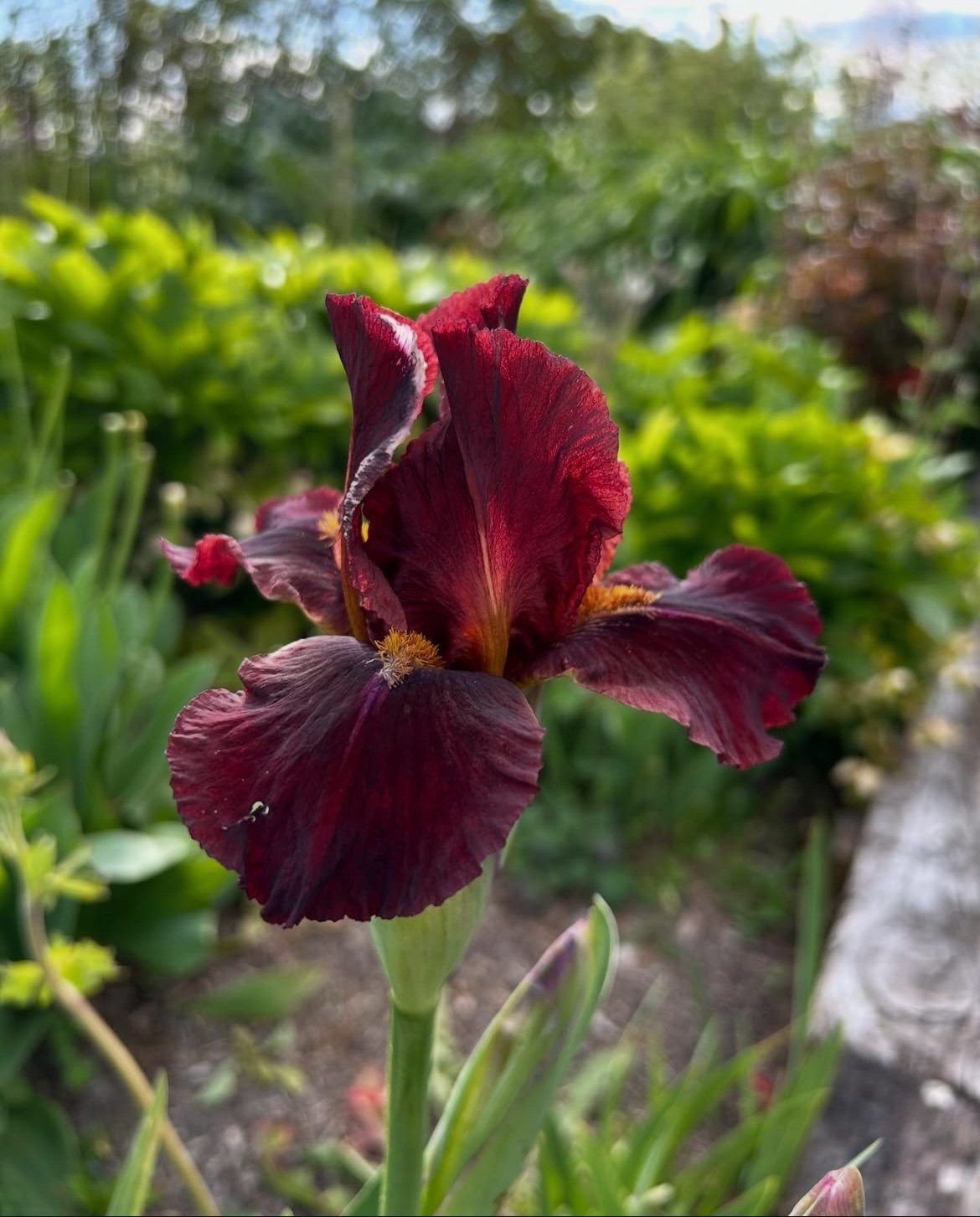
Rhizome – An underground stem that spreads sideways and produces new shoots, like ginger or iris.
Self-Seeding – Plants that drop seeds which grow into new plants the following season.
Soil Amendment – Material like compost, sand, or lime added to improve soil quality.
Succession Planting – Planting crops in stages so you get a continuous harvest.
Taproot – A single main root that grows deep into the soil, like a carrot.
Thinning – Removing some seedlings so the remaining ones have space to grow.
Top Dressing – Adding compost or fertiliser to the soil surface around plants.
Transplanting – Moving young plants from pots or trays into the garden.
Trellis – A frame or structure used to support climbing plants like beans or roses.
Variegated – Leaves with more than one colour, such as green and white patterns.
Vermicompost – Compost made with worms that break down food and garden waste into nutrient-rich soil.
Waterlogging – Soil that stays too wet, leading to poor plant health or root rot.
Weed Suppression – Using mulch, groundcovers, or weed mats to reduce unwanted plants.
Wildflower Meadow – A naturalistic garden area planted with a mix of colourful, pollinator-friendly flowers.