The bug files
*
The bug files *
Every garden has its villains. But there are good bugs too, and they can often help rid us of the pesky ones. This section covers the basics with simple tips to help you spot problems early and keep your garden on track, without getting lost in the science.
Companion planting by using herbs and other suitable flowering plants amongst vegetables has meant my greenhouse is pest-free without the use of chemicals. See my Garden to Table page for more info on good companion plants to use.
If you have a photo of thrips, scale or whiteflies, and you’d like to see it on my website, please contact me via the contact form. I’ll credit the photo to you we can discuss terms. I can’t find any suitable photos. My greenhouse is pretty much pest-free due to companion planting, so I can’t take any of my own photos.
Villains
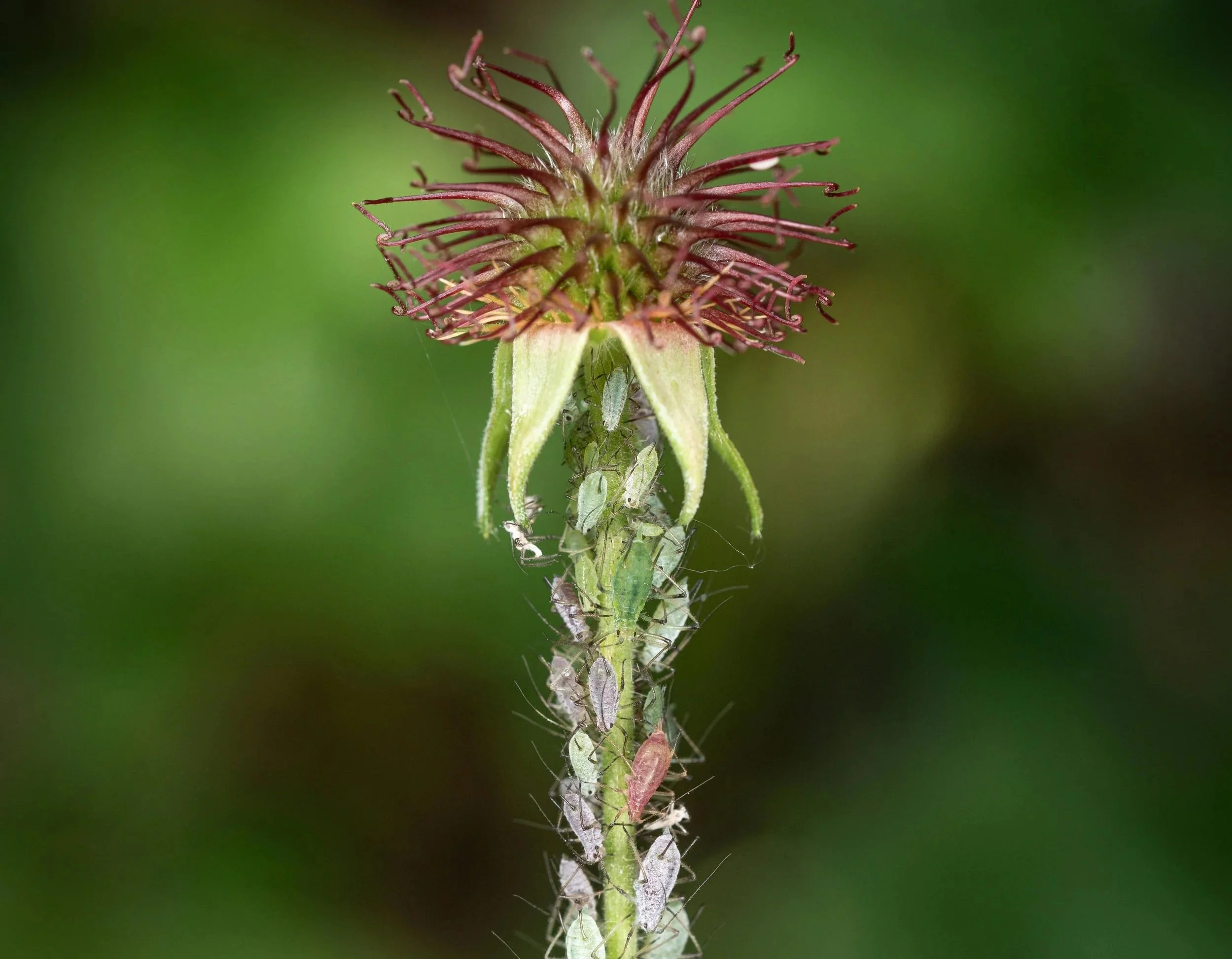
APHIDS - These tiny green, black, or white sap-suckers cluster on fresh shoots and flower buds, stunting growth and spreading disease. SOLUTION - Blast them off with a hose, squash them with your fingers, or encourage ladybirds and other natural predators.
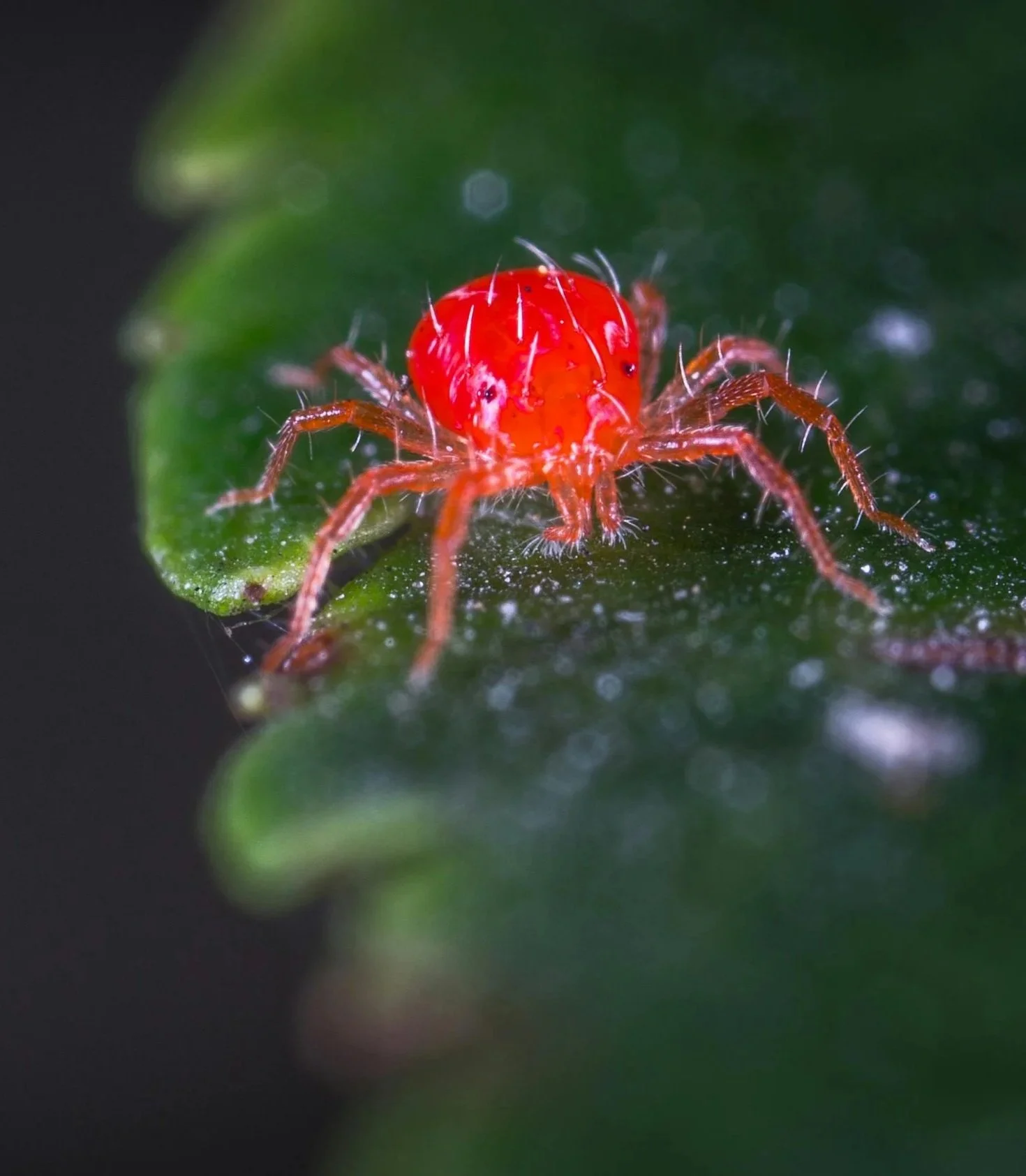
SPIDER MITES - Tiny specks that cause yellow stippling on leaves and leave fine webbing. They thrive in hot, dry spots. SOLUTION - Increase humidity, hose down plants, or use an insecticide if severe.
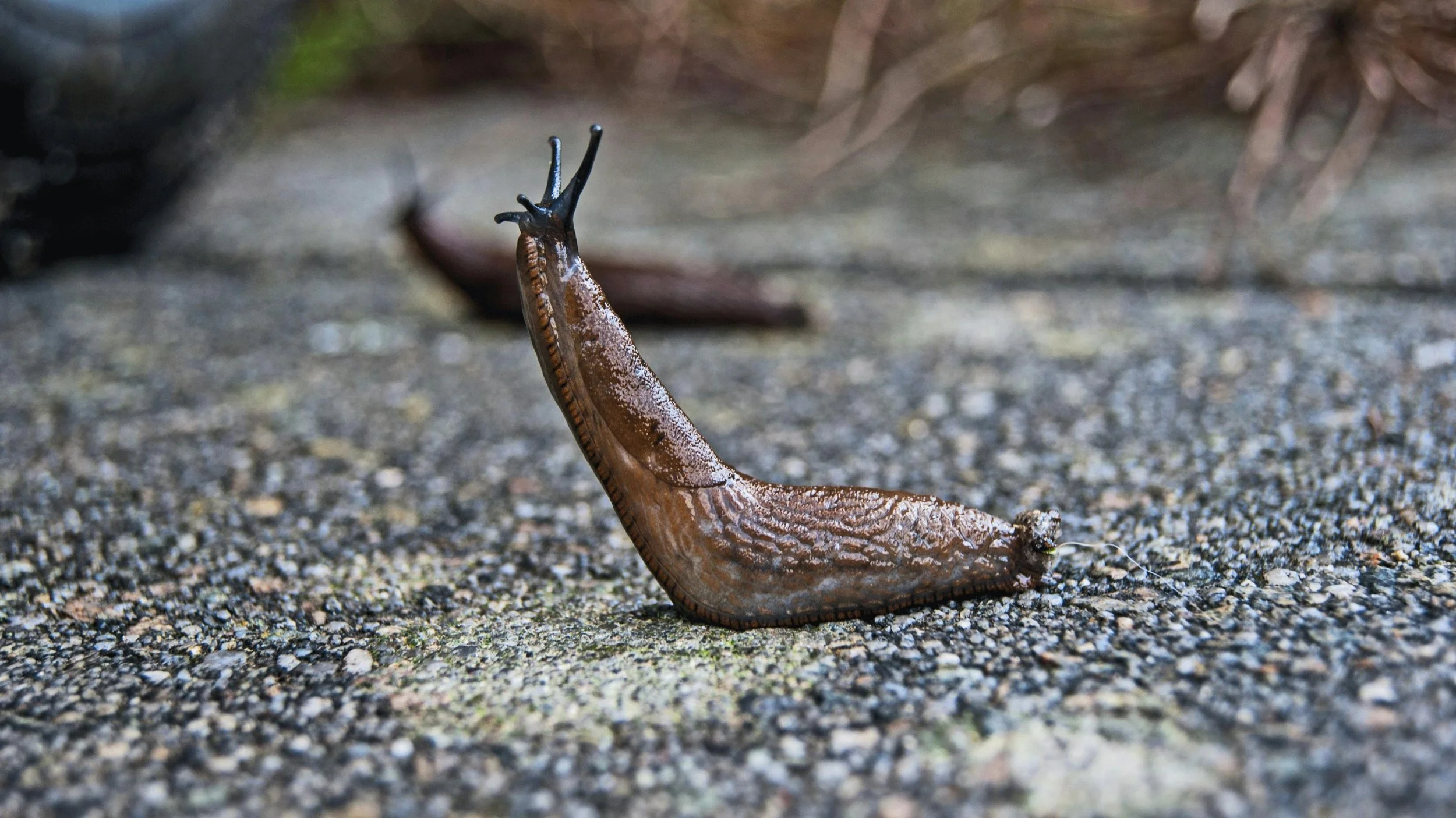
SLUGS - Night-time grazers that devour seedlings and tender foliage. Slimy little critters! SOLUTION - Beer traps (beer in shallow dishes - attracts them and they drown), collect or squash by hand at night, or use pet-safe slug pellets. These are the 'last-frontier' in my greenhouse. I've had great success with companion planting for all other pesky little critters, but slugs are my nemesis. I'm still working on the best natural solution. I've tried the 'old wives tales' of crushed eggs and coffee grinds. Neither worked. I've found some success around hostas with coarse wood-chip mulch. I'm also trialing wool weed mat this year to see if that's a deterrent.
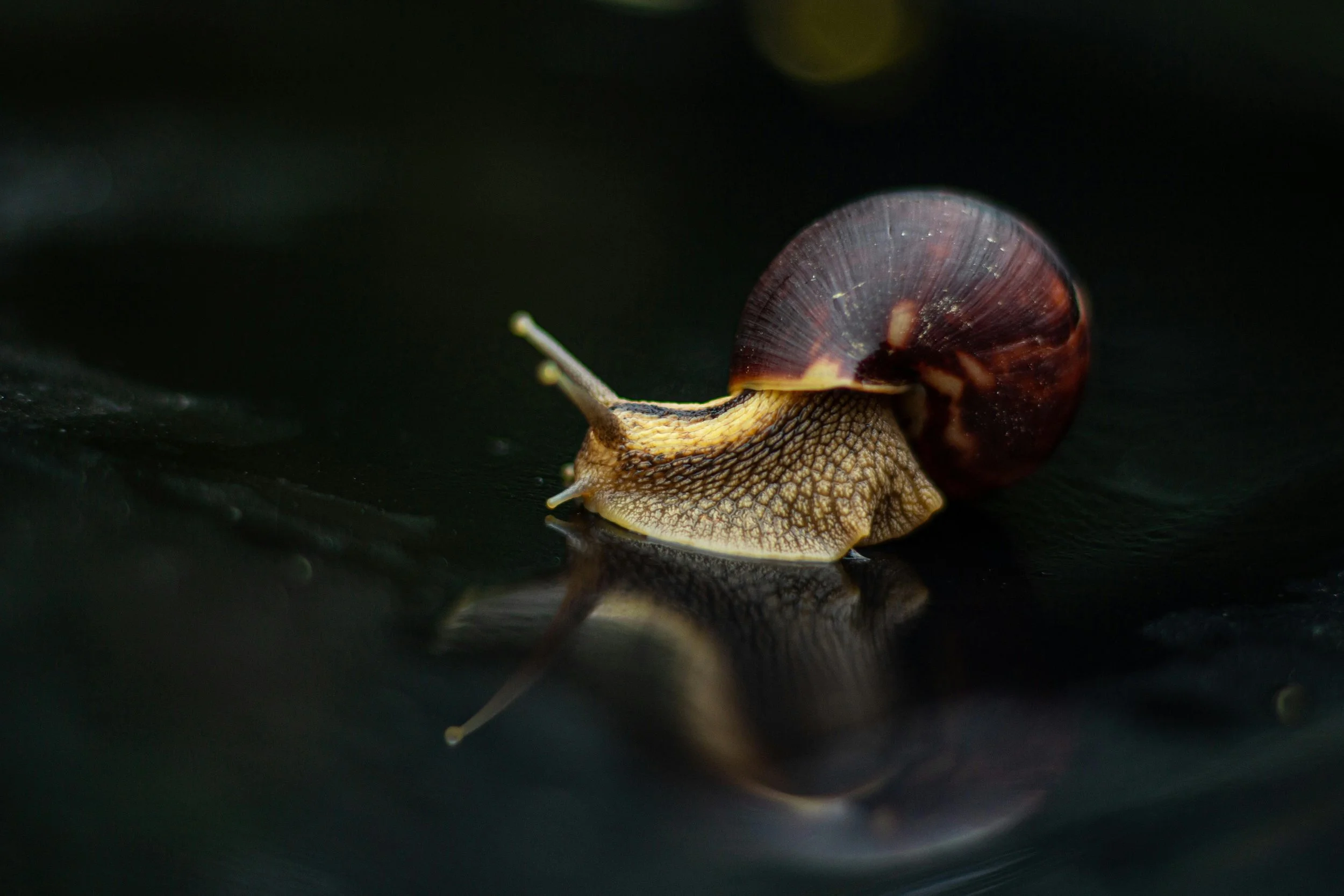
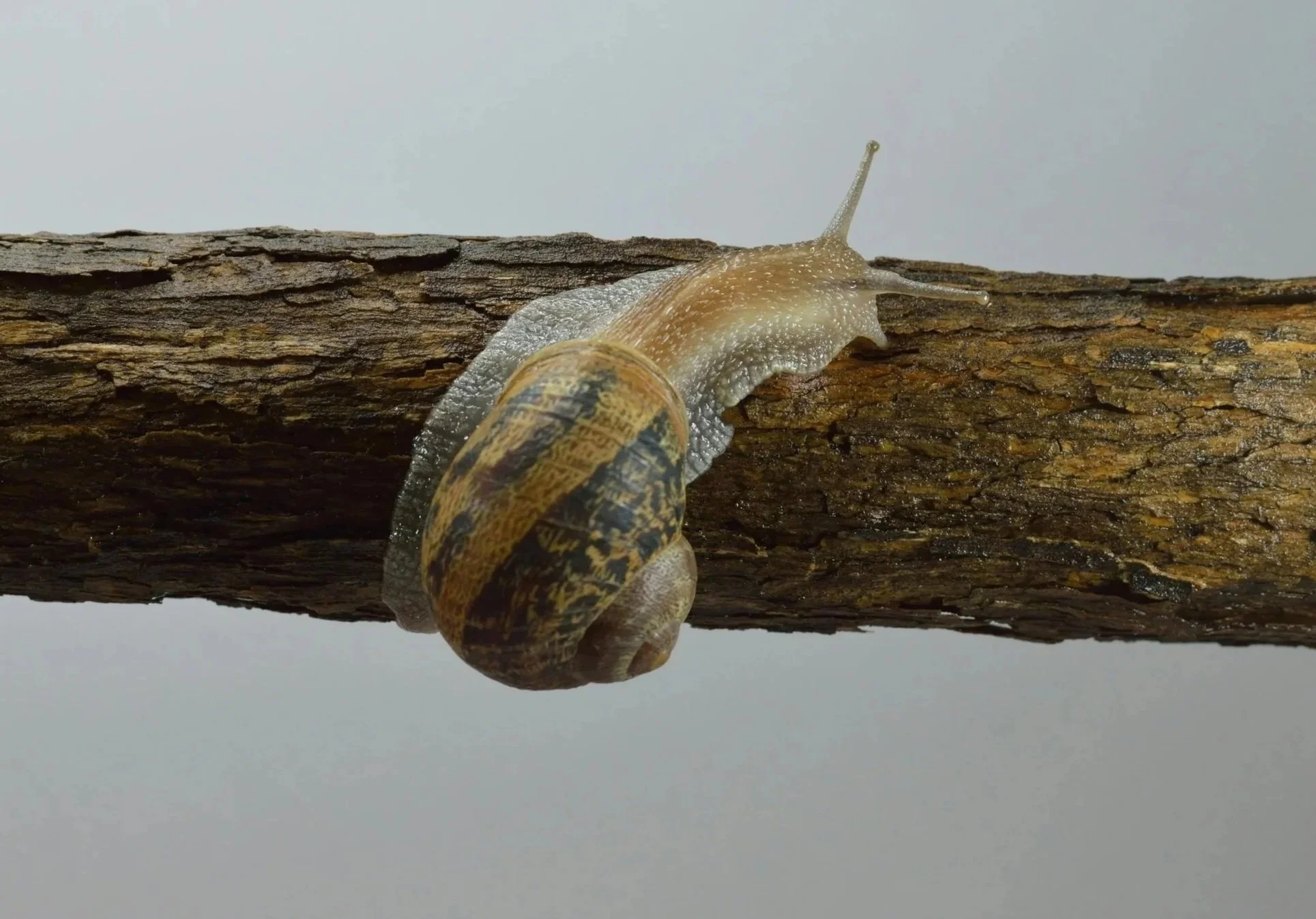
SNAILS - Much the same as slugs. They love eating juicy, tender, new foliage and come out in droves at night. SOLUTION - The same as for slugs.
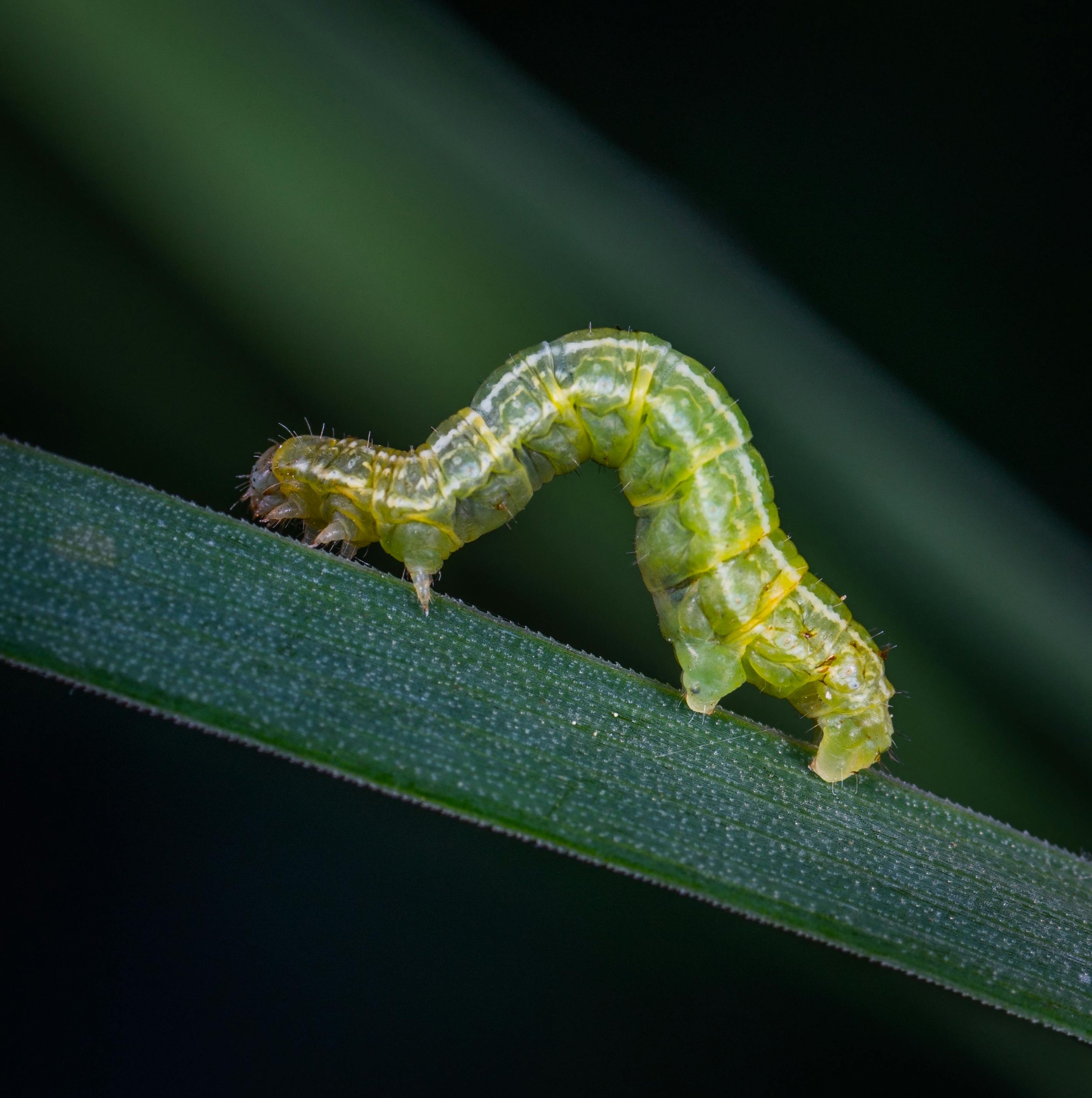
CATERPILLARS - Chewers that leave big holes in leaves or skeletons them overnight. SOLUTION - Hand-pick them off, cover crops with netting, or use organic sprays like Bacillus Thuringiensis (BT), which I've used before with success.
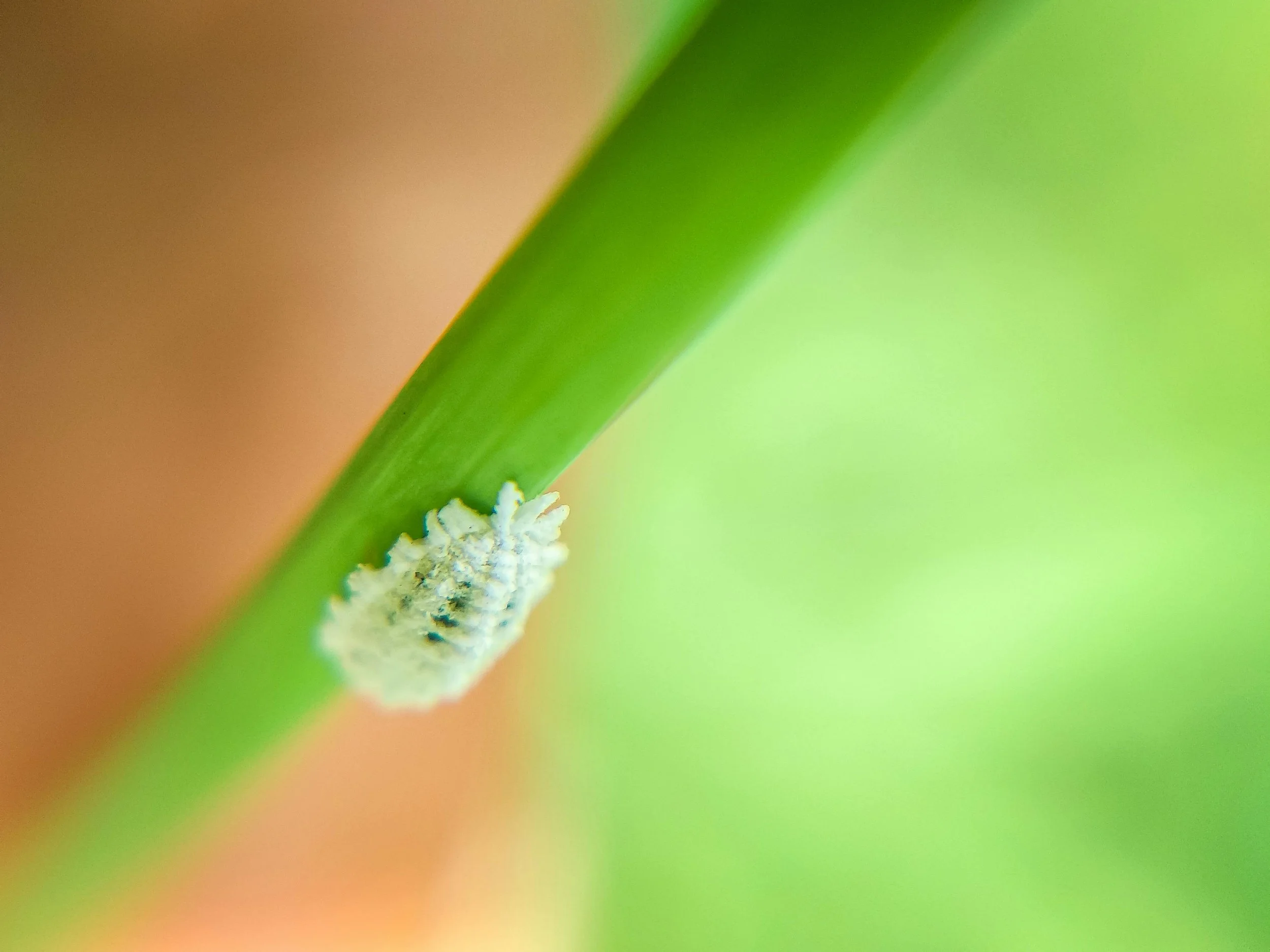
MEALYBUGS - Look like cotton wool in plant joints and sap strength from stems and leaves. SOLUTION - Wash off with soapy water, or use organic or chemical insecticides depending on your preference.

SCALE - Still trying to find a suitable photo for this one. But in the meantime, these are small, shell-like bumps that stick to stems and leaves, sucking sap and leaving honeydew. SOLUTION - Scrape off, prune infested stems, or spray with an organic or chemical insecticide depending on your preference.

THRIPS - Photo coming soon, because I have Viburnum, which are quite susceptible to thrip! These are slender, almost invisible insects that scrape leaves and flowers leaving a silver coloured surface. SOLUTION - Prune damaged growth or spray with an organic or chemical spray depending on your preference.

WHITEFLIES - Photo coming soon. Little white moth-like bugs that rise in a cloud when disturbed. They suck the sap and weaken plants fast. SOLUTION - Sticky traps help, or spray undersides of leaves with an insecticidal soap.
Heroes
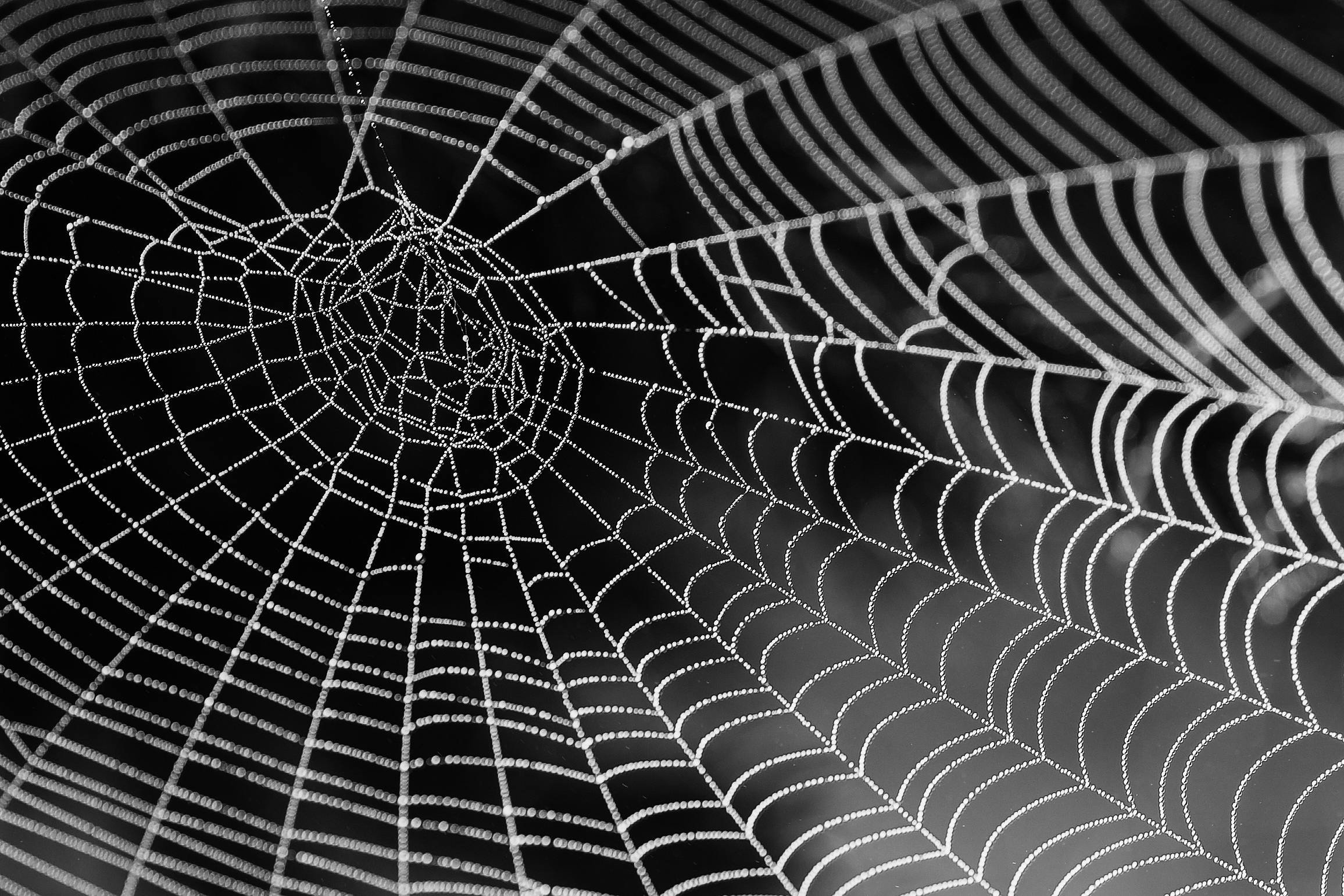
SPIDERS - I'm only talking about the nice ones here. Some people may think all spiders are scary, but garden spiders quietly keep populations of flies, moths, and other insects in check. A balance means fewer bugs on your plants so don't go squashing the little critters out of fear. If you leave the nice ones alone, they'll just go about their business.
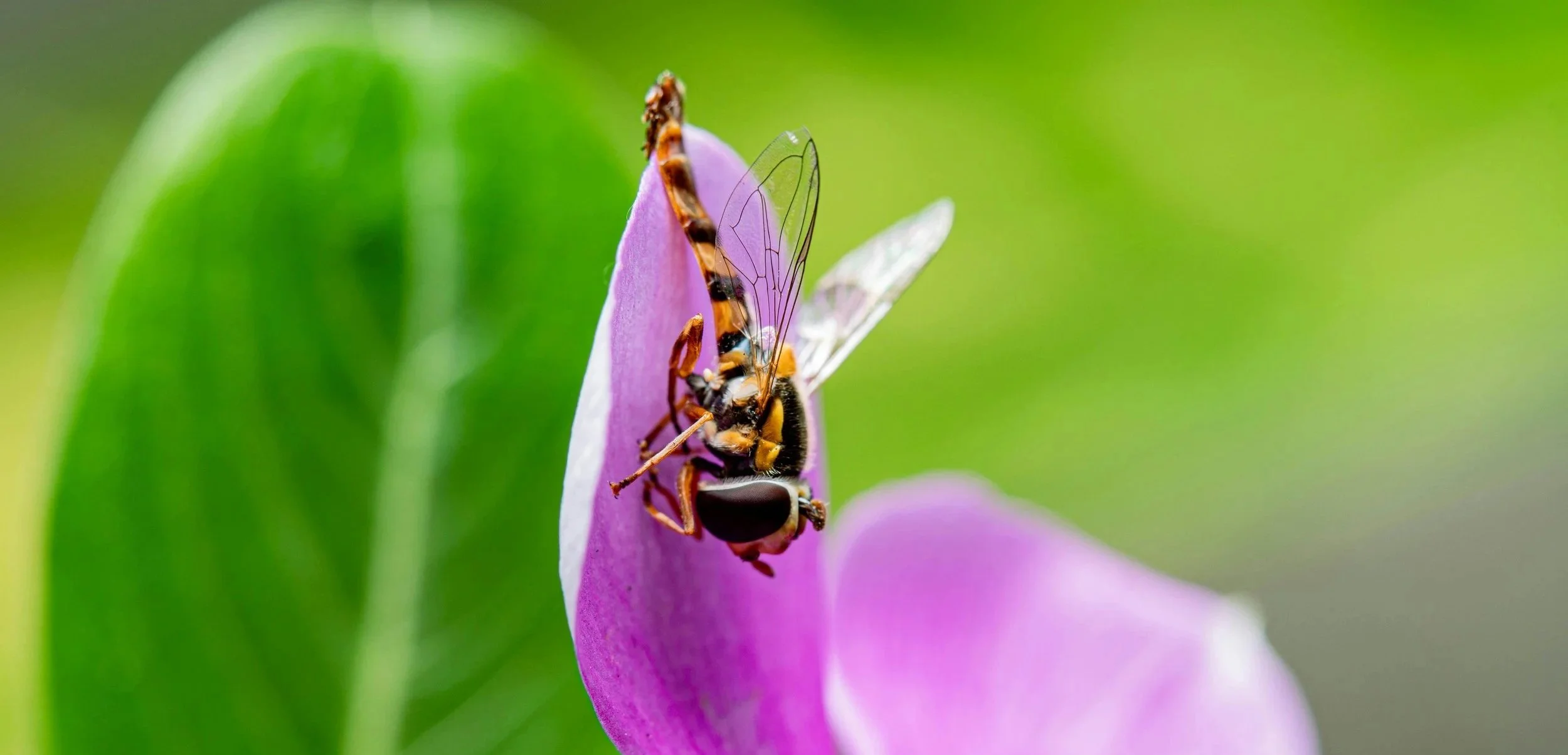
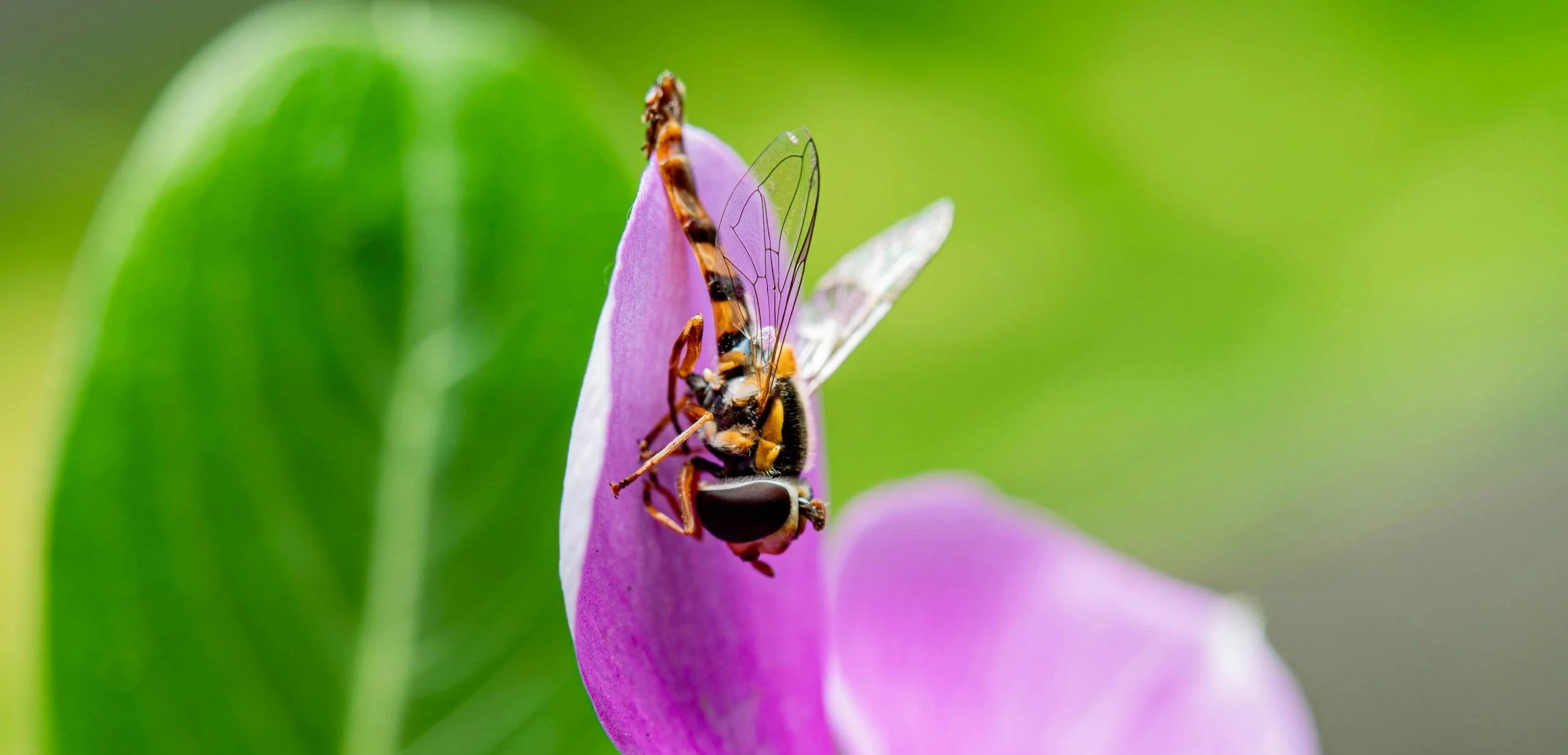
HOVERFLIES - adults look like tiny wasps but are harmless. They pollinate flowers while their larvae feast on aphids, thrips, and whiteflies. Double benefit!
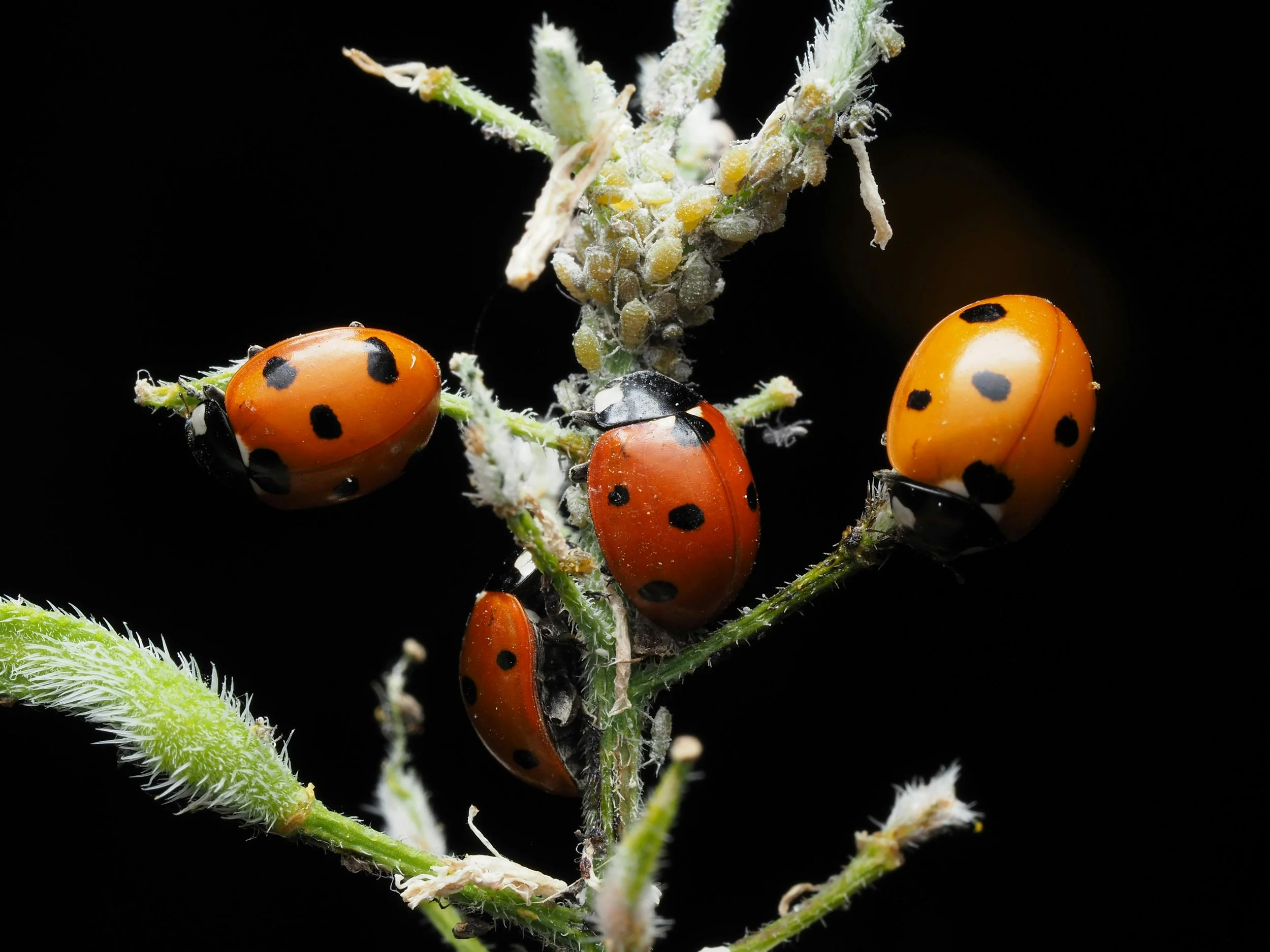
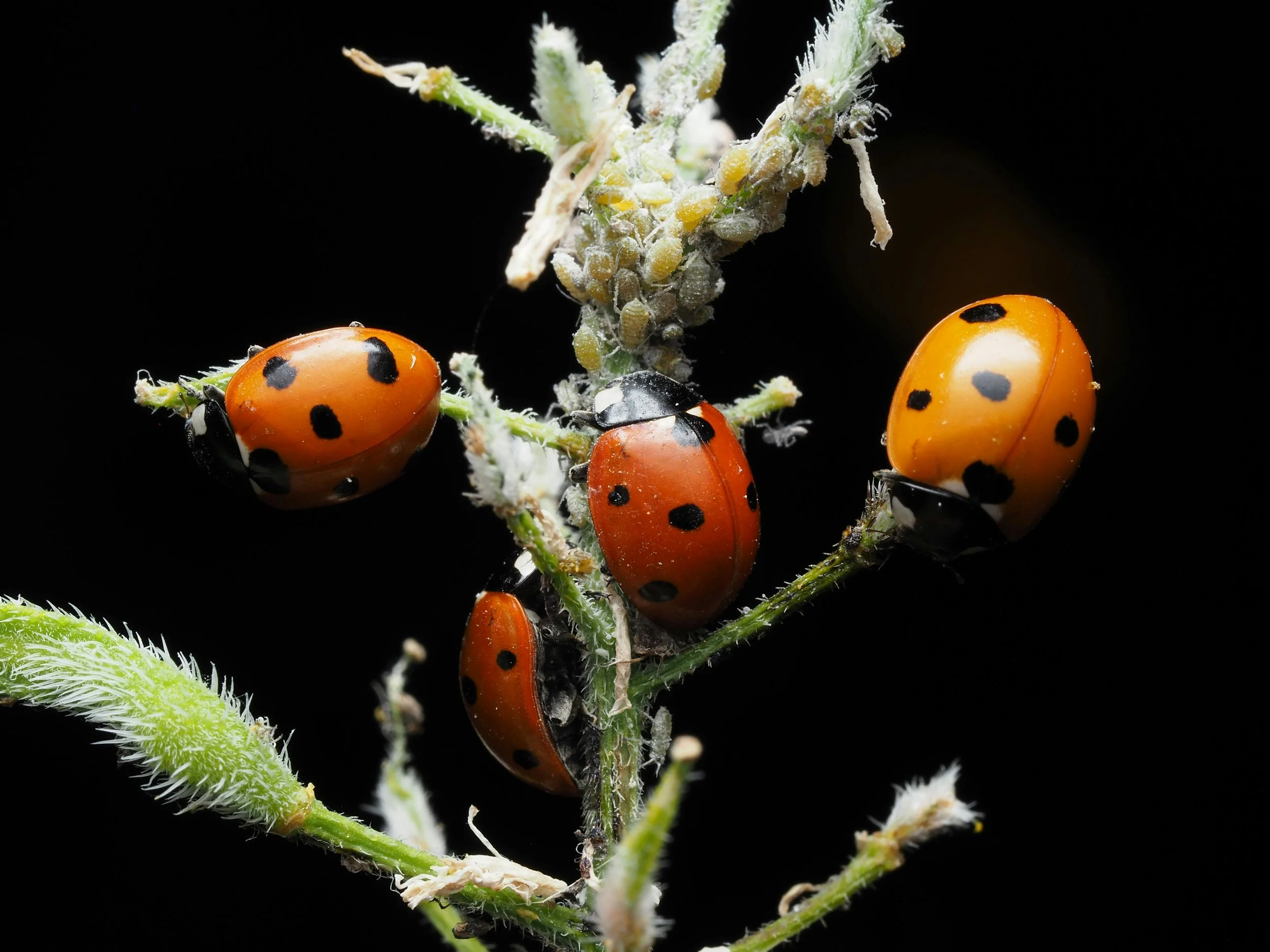
LADYBIRDS (LADYBUGS) - both adults and larvae devour aphids, scale, and other sap-suckers. A single ladybird can eat dozens of pests a day, making them one of the best natural pest controllers.
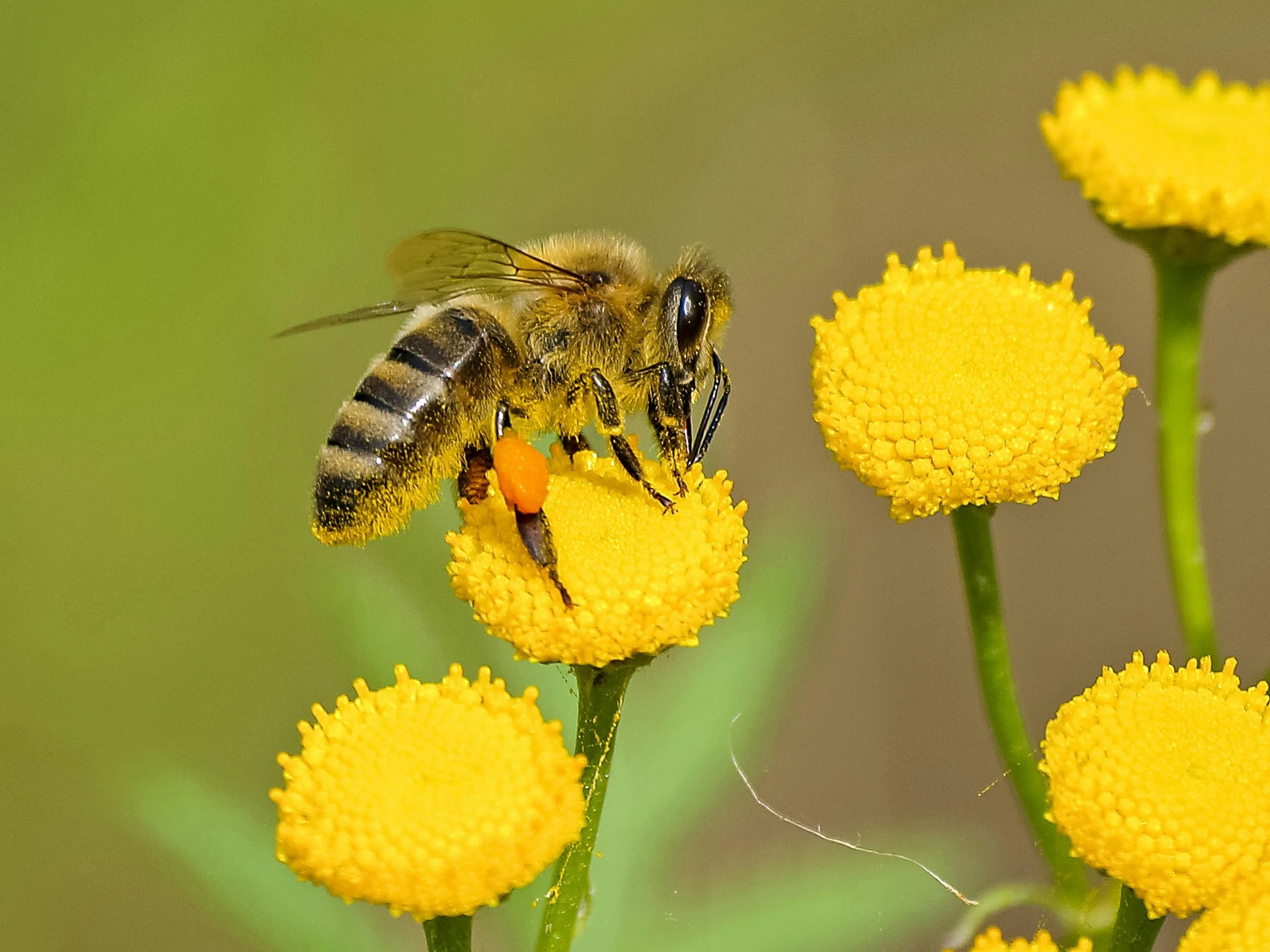
BEES - the ultimate pollinators. From bumblebees to honeybees, they ensure your fruit, veg, and flowers set seed and crops thrive. I see a lot of people getting nervous around bees. If you just leave them alone to do their thing, they won't hurt you. I happily co-exist with bees in the garden, and we just get on with our respective jobs. I often find bumble bees sleeping in my globe artichoke flowers. The busy little bees need a rest from time to time.
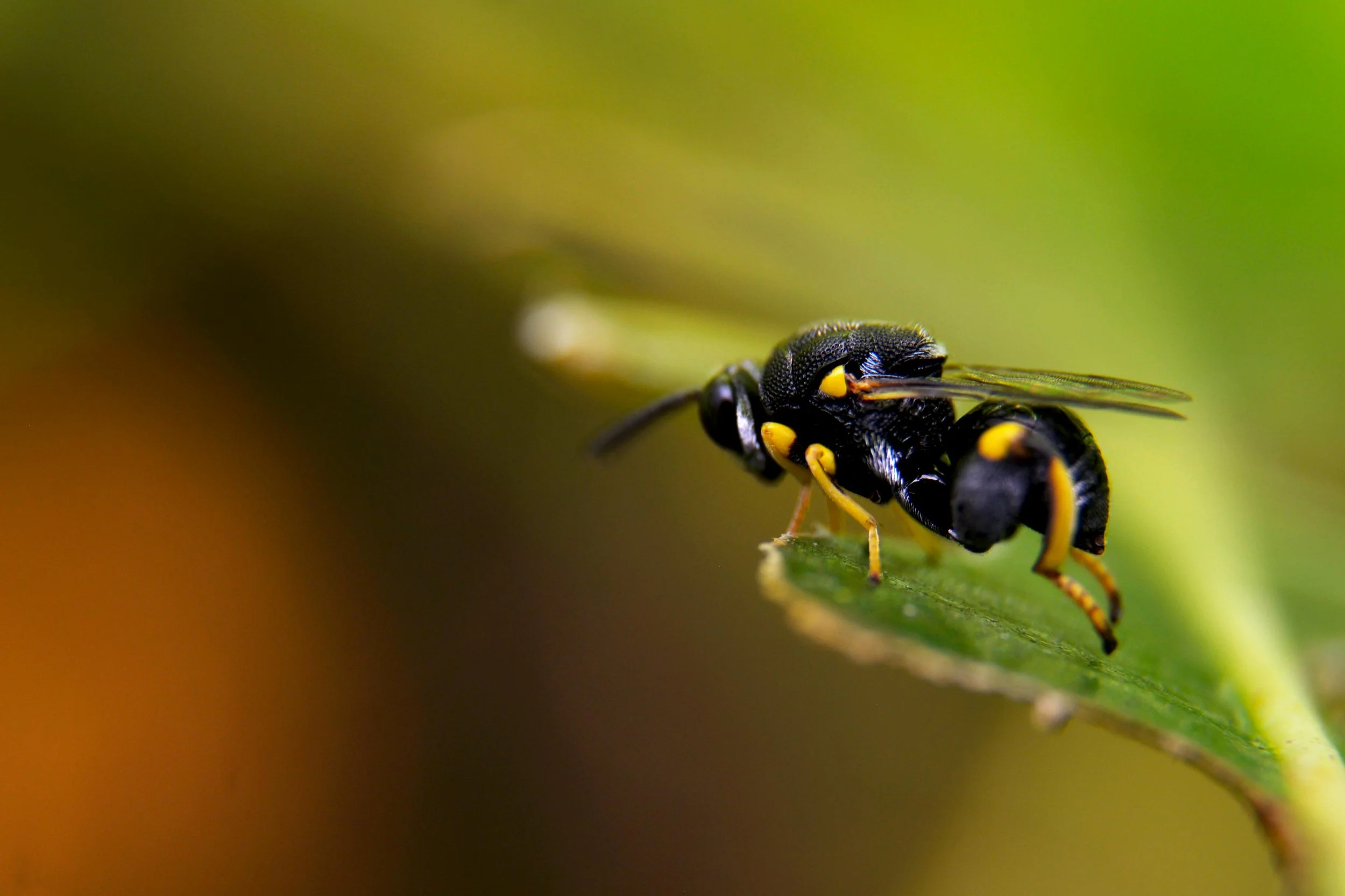
PARASITIC WASPS - Tiny wasps that lay eggs inside pests like caterpillars and aphids. Gruesome for the pest, but brilliant for your garden balance.
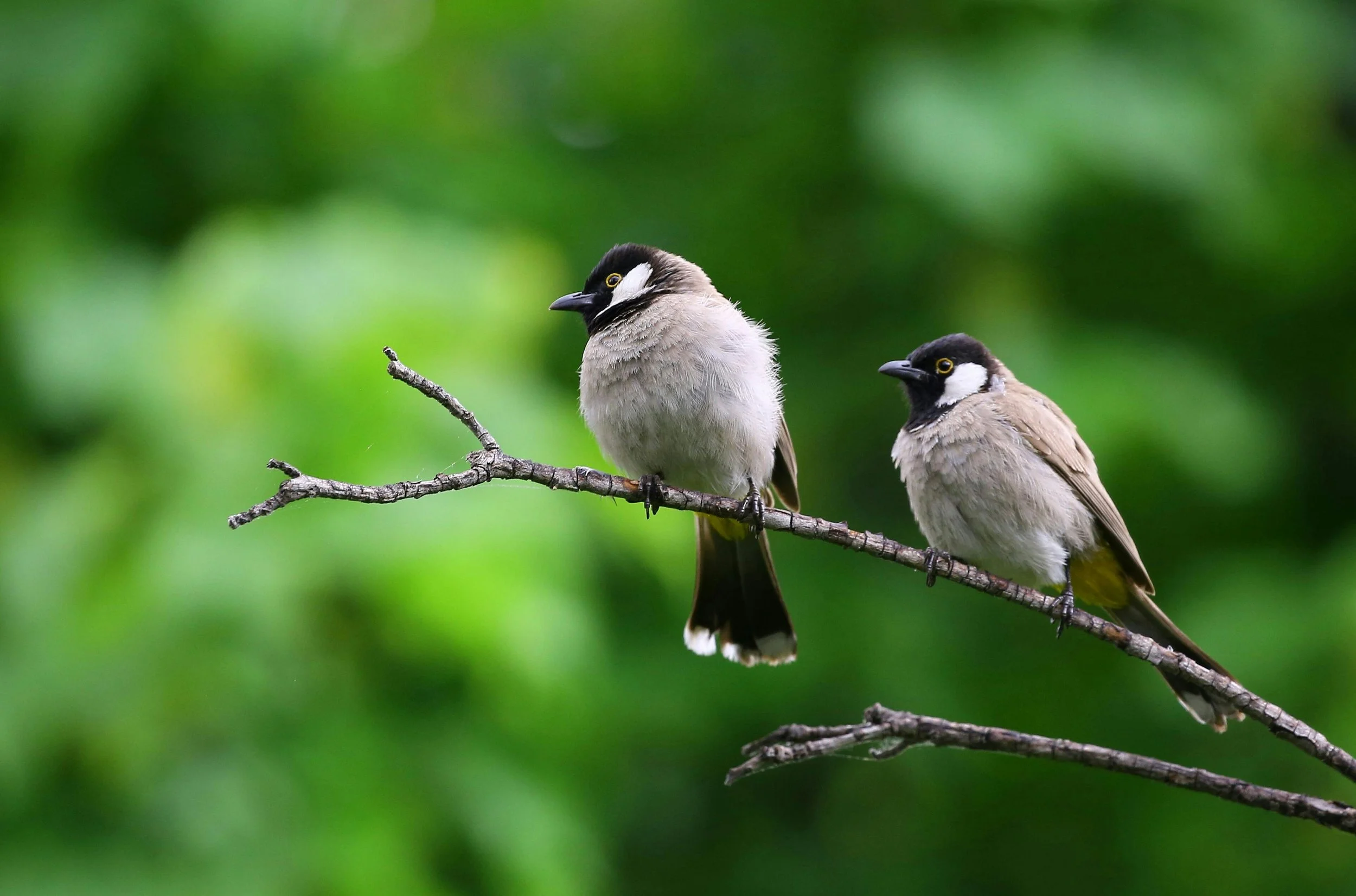
BIRDS - from sparrows to fantails, many birds help pick off caterpillars, beetles, and other bugs while adding life and song to the garden.
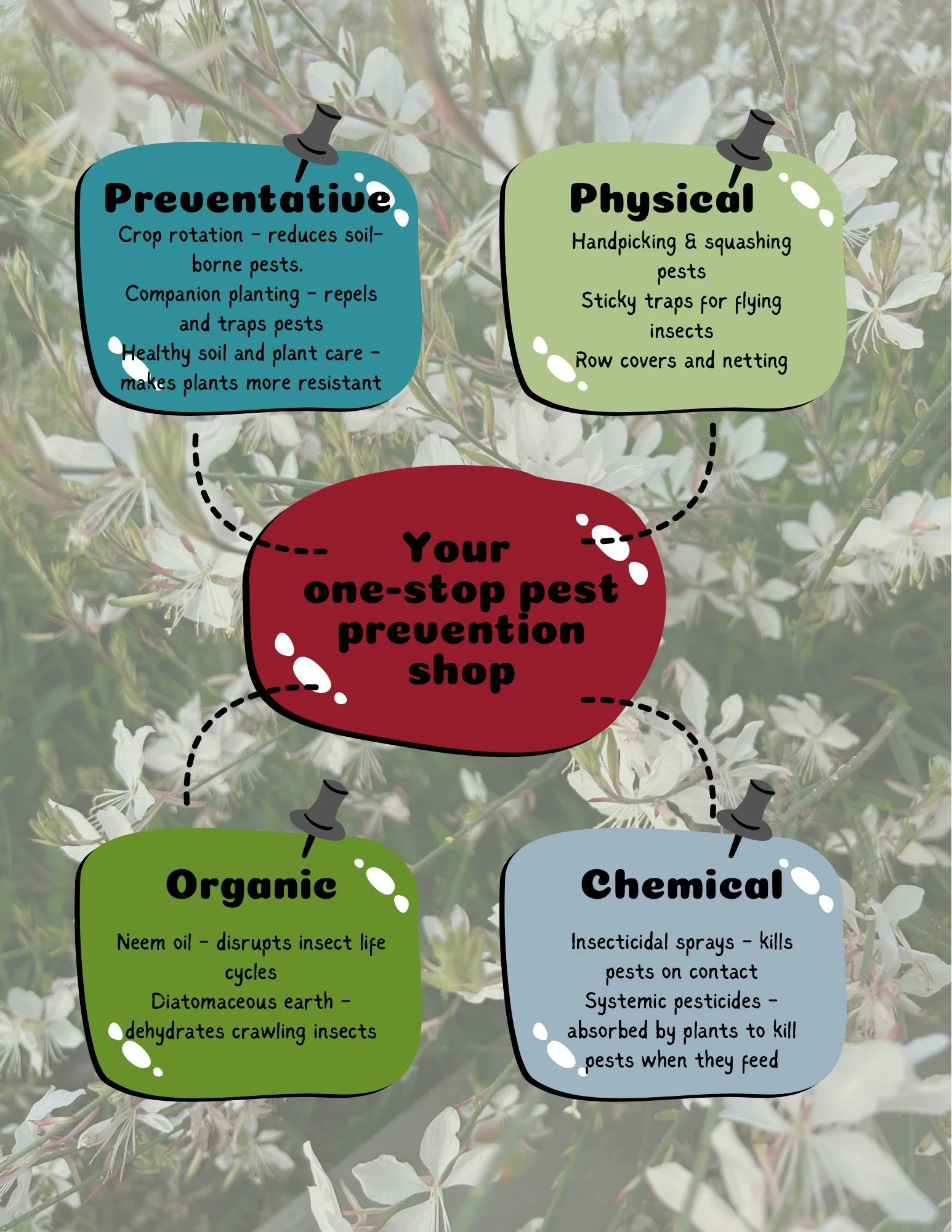
Here’s a quick reference guide to all your pest-control options.