Garden to table
*
Garden to table *
You’ll hear some say that companion planting is a myth, but I’m here to tell you otherwise. I’ve been using it in my greenhouse since the day we built it, and in all that time I haven’t had to reach for a single spray, not even an organic one. That’s the power of letting plants work together. This page is your starter kit for understanding which companion plants really earn their place in the vege patch. Whether you’re growing under glass or out in the open garden, these plants will help deter pests, improve soil health, and attract pollinators, giving you healthier crops with less fuss.
If you’re keen to take a deep-dive into how I grow year round chemical-free, pest-free vegetables for my family, you can join my members-only page, Behind the Garden Gate, to get access to premium content. Click the button below.
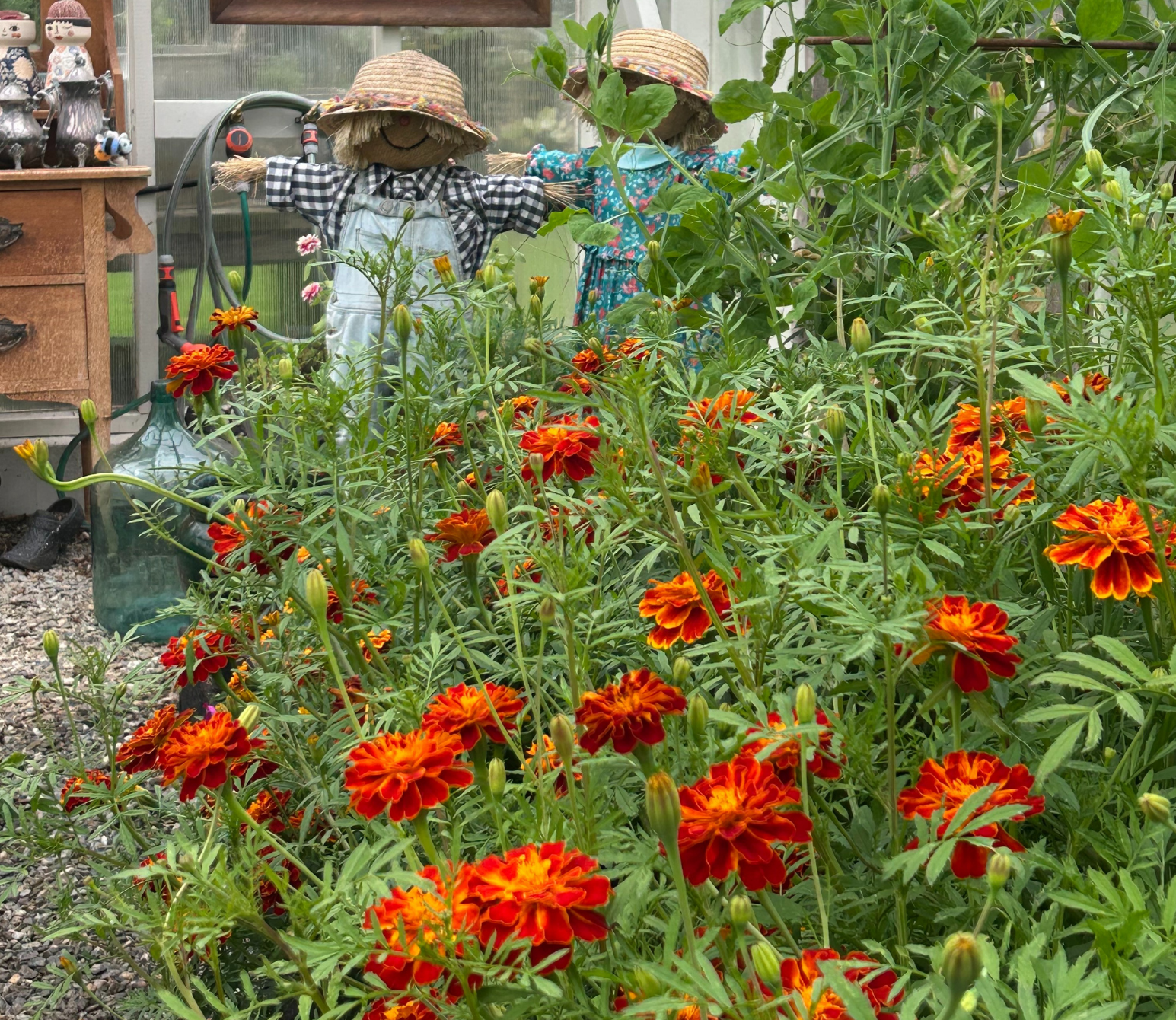
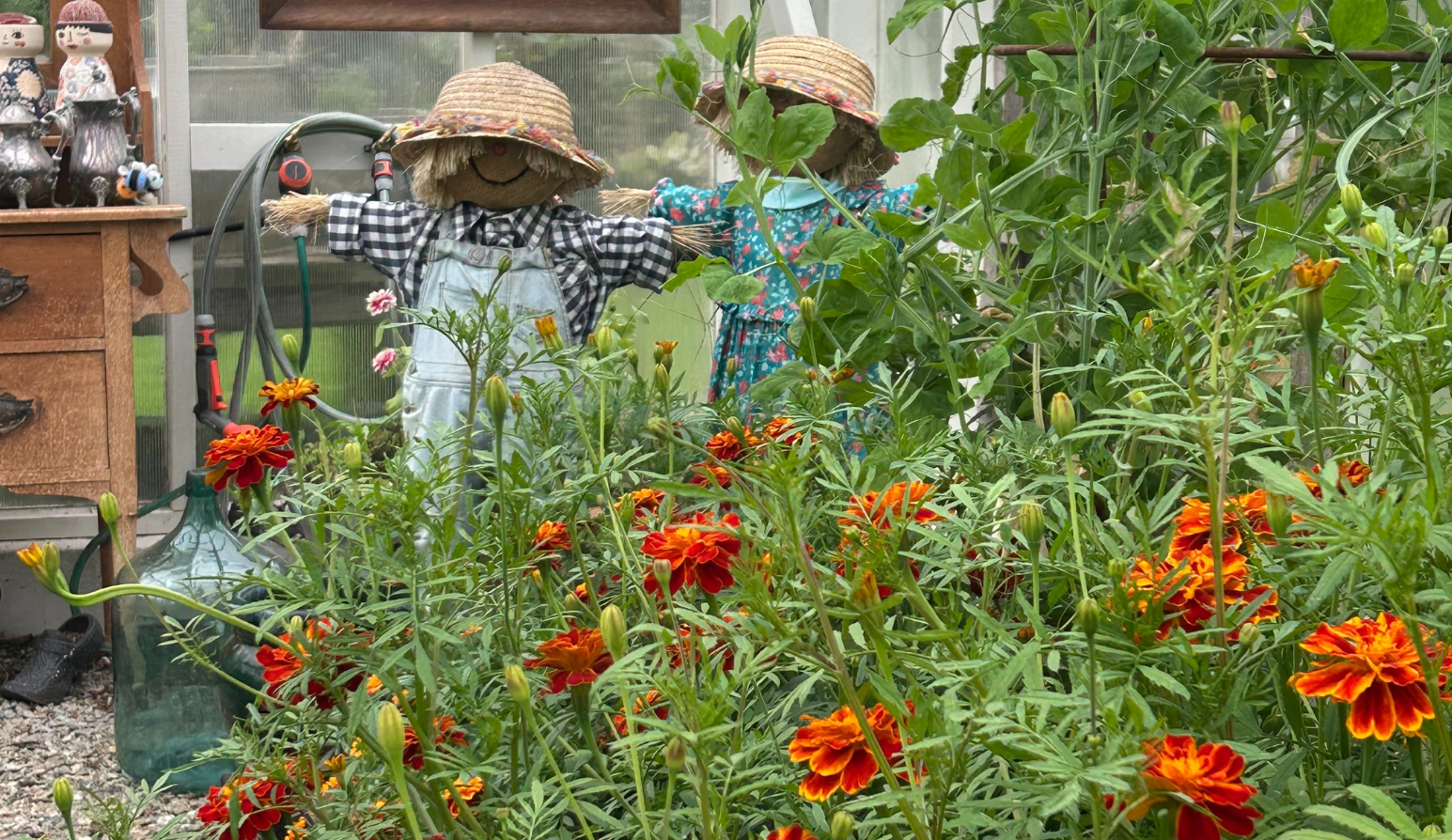
Marigolds are legendary for their ability to repel nematodes, aphids, whiteflies, and cabbage worms. The French marigold (Tagetes patula) is especially effective at controlling root-knot nematodes. Their bright flowers attract bees, hoverflies, and butterflies. Marigolds also release allelopathic compounds into the soil that suppress harmful nematodes, improving soil health for future crops. My greenhouse is always full of marigolds in summer.
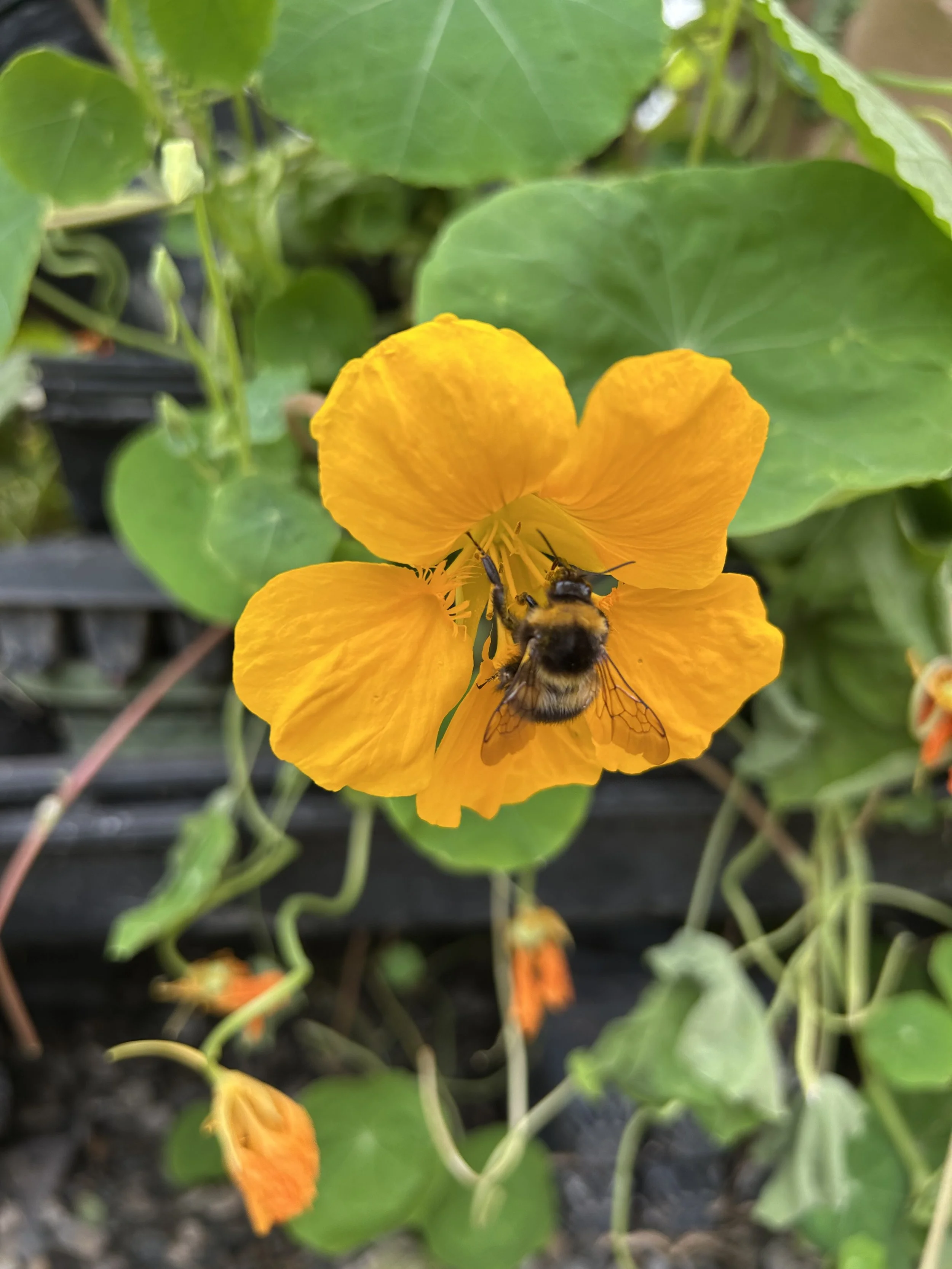
Nasturtiums are classic “sacrificial” or trap crops, luring aphids, whiteflies, and cabbage butterflies away from vegetables like brassicas, cucumbers, and tomatoes. They also repel squash bugs and cucumber beetles with their peppery scent. Nasturtium flowers and leaves attract pollinators such as bees and butterflies, and their sprawling growth provides living mulch that suppresses weeds and keeps soil cool. When chopped and dug in, nasturtiums add organic matter to the soil, improving fertility over time. And did you know you can eat them! Try them as a salad garnish.
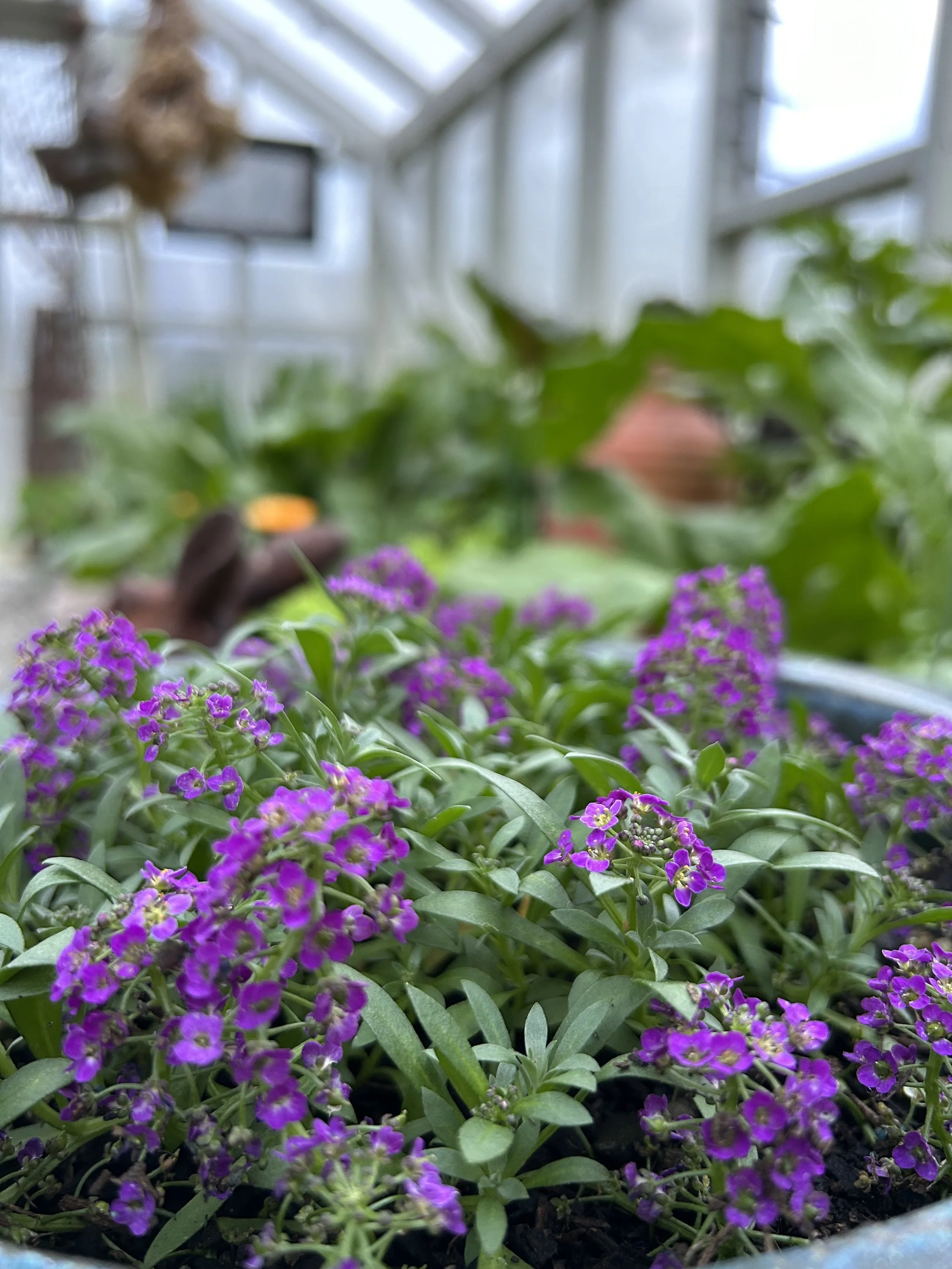
Sweet alyssum is a magnet for beneficial insects, especially hoverflies, lacewings, and parasitic wasps that control aphids, whitefly, and caterpillars. It doesn’t repel pests directly but enhances biological pest control. Low-growing alyssum also works as a living mulch, helping suppress weeds and conserve soil moisture.
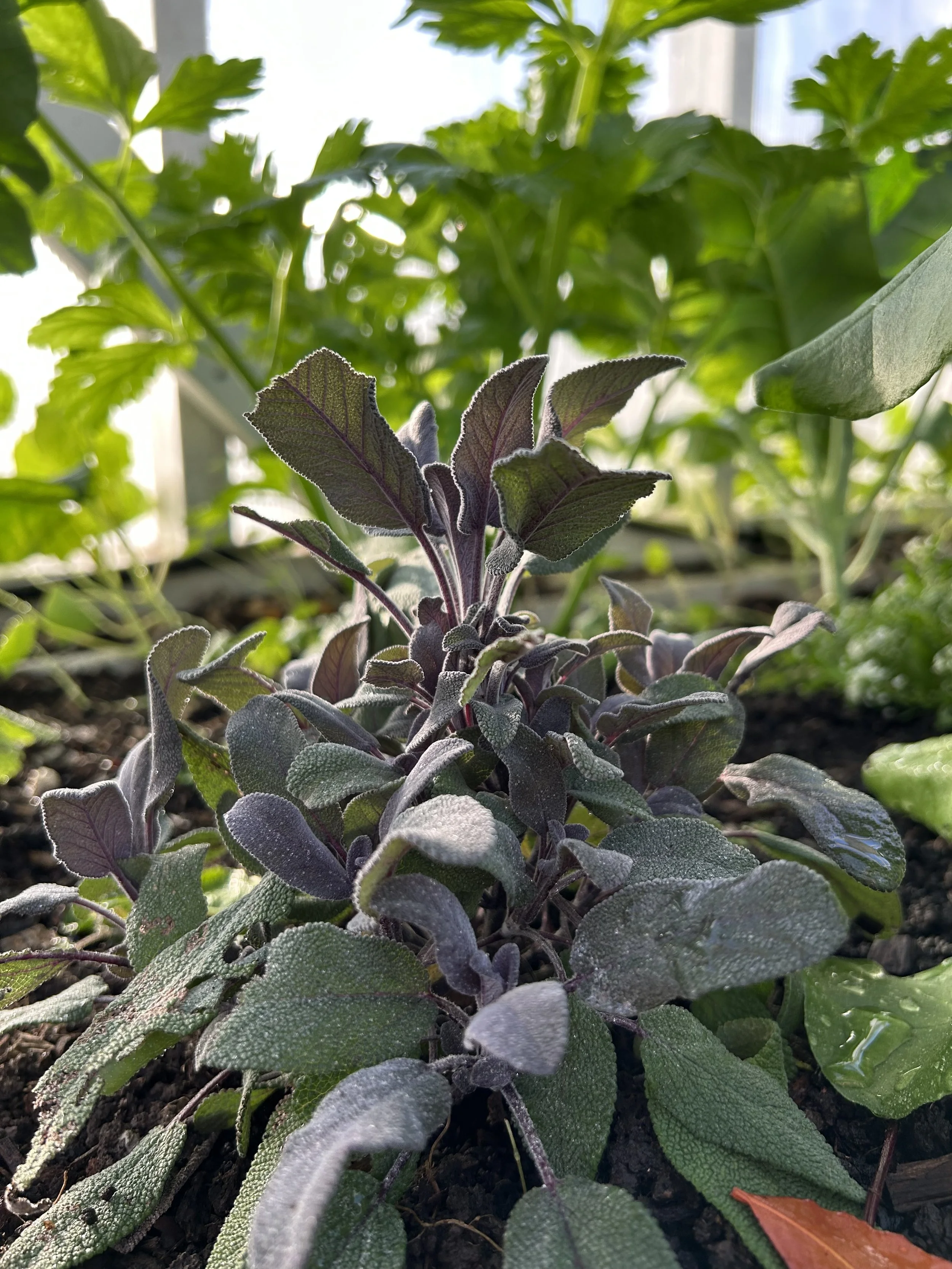
Sage deters cabbage moths, carrot fly, and beetles, making it especially valuable around brassicas and carrots. Its fragrant oils act as natural insect repellents. Sage flowers provide nectar for bees, butterflies, and predatory hoverflies. While not a soil conditioner, it contributes to biodiversity in vegetable plots.
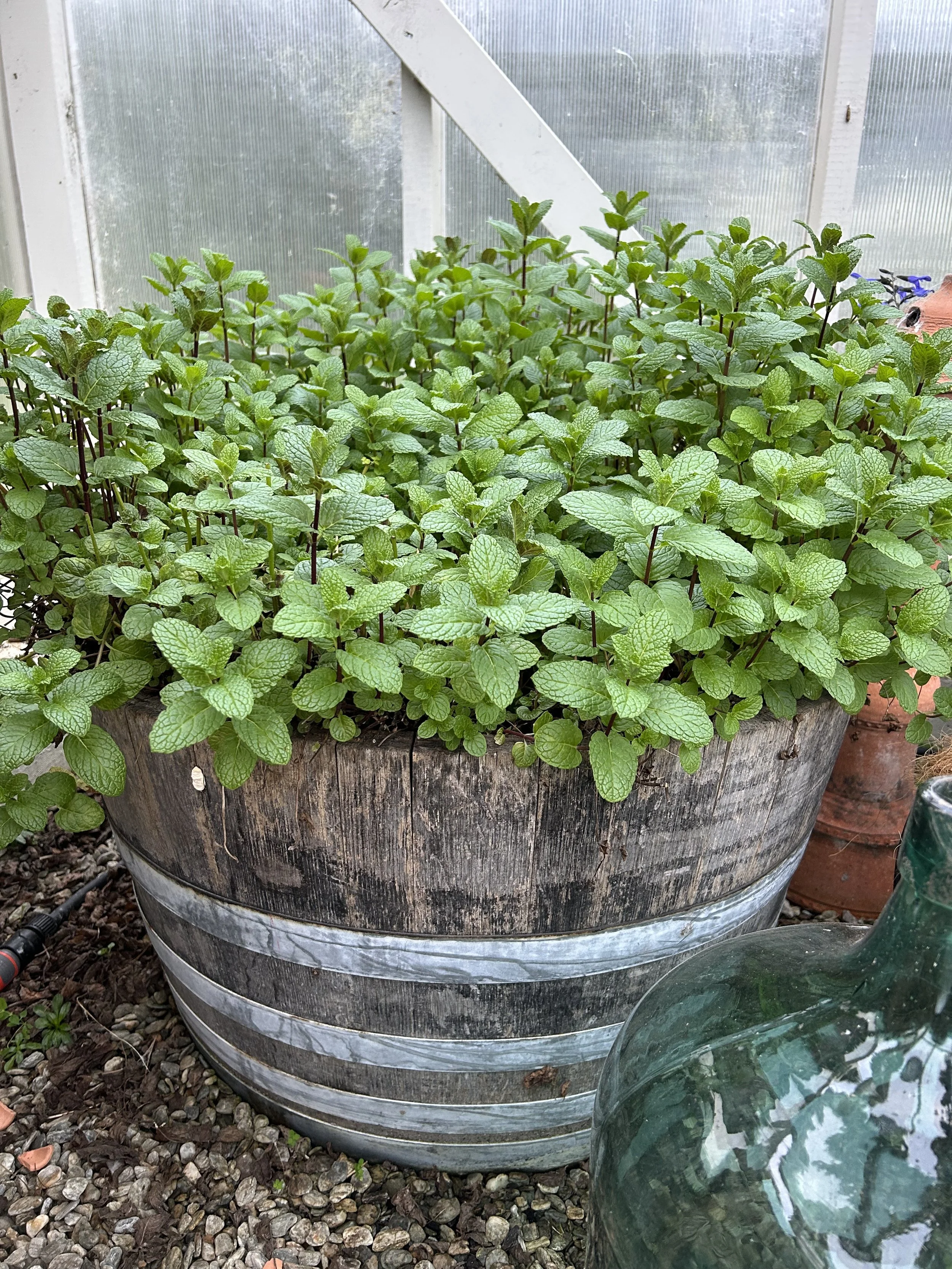
Mint is a powerhouse for pest deterrence, repelling ants, aphids, flea beetles, and cabbage moths with its pungent oils. It grows aggressively, so it’s best kept in containers near crops. Mint’s flowers draw in pollinators and hoverflies, the latter being natural aphid predators. Though not a soil improver, it contributes by masking crop scents from pests. I'm convinced this is THE strongest performer in my greenhouse when it comes to pest deterrence.
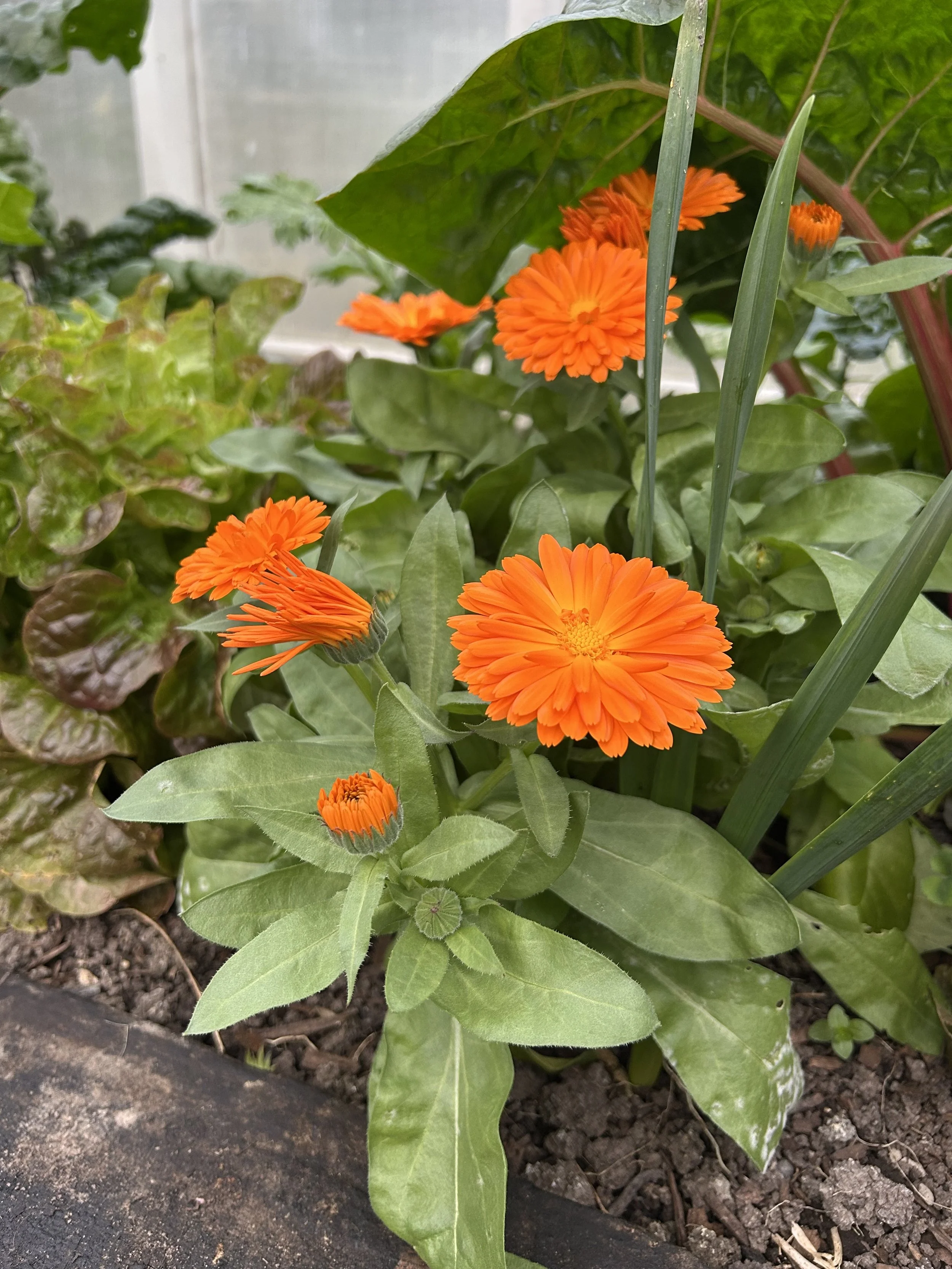
Calendula repels nematodes, aphids, and asparagus beetles with its sticky resin. It is also famous for being a “trap crop,” luring aphids and whiteflies away from vegetables. Its cheerful blooms attract pollinators such as bees, and beneficial insects like hoverflies and lacewings. When chopped into the soil, calendula adds organic matter and nutrients.
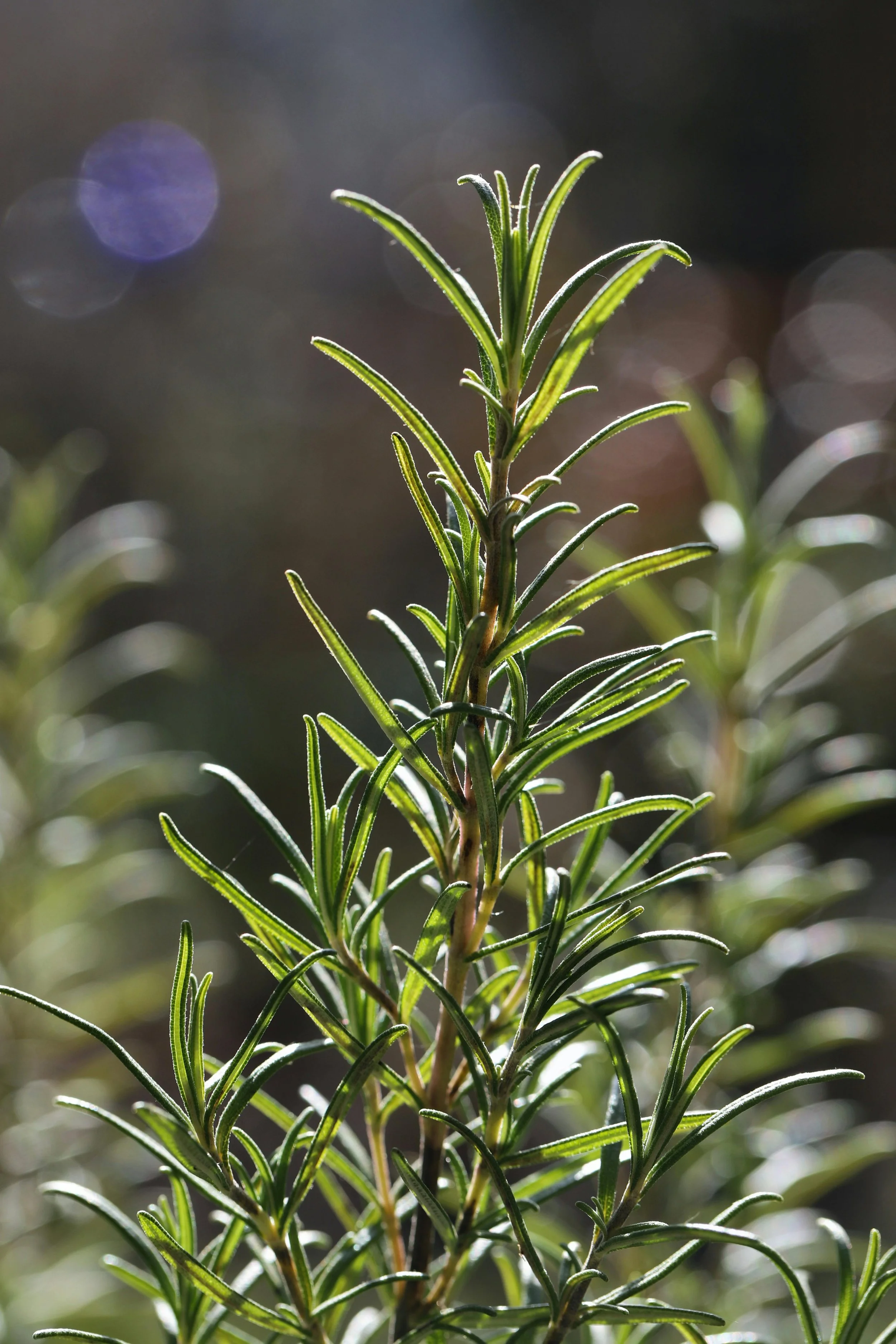
Rosemary’s strong pine-like aroma confuses and deters pests such as carrot fly, cabbage moth, and bean beetles. It thrives near beans, cabbage, and carrots, protecting them from insect attack. Its evergreen presence provides year-round cover for beneficial insects like predatory wasps and bees.
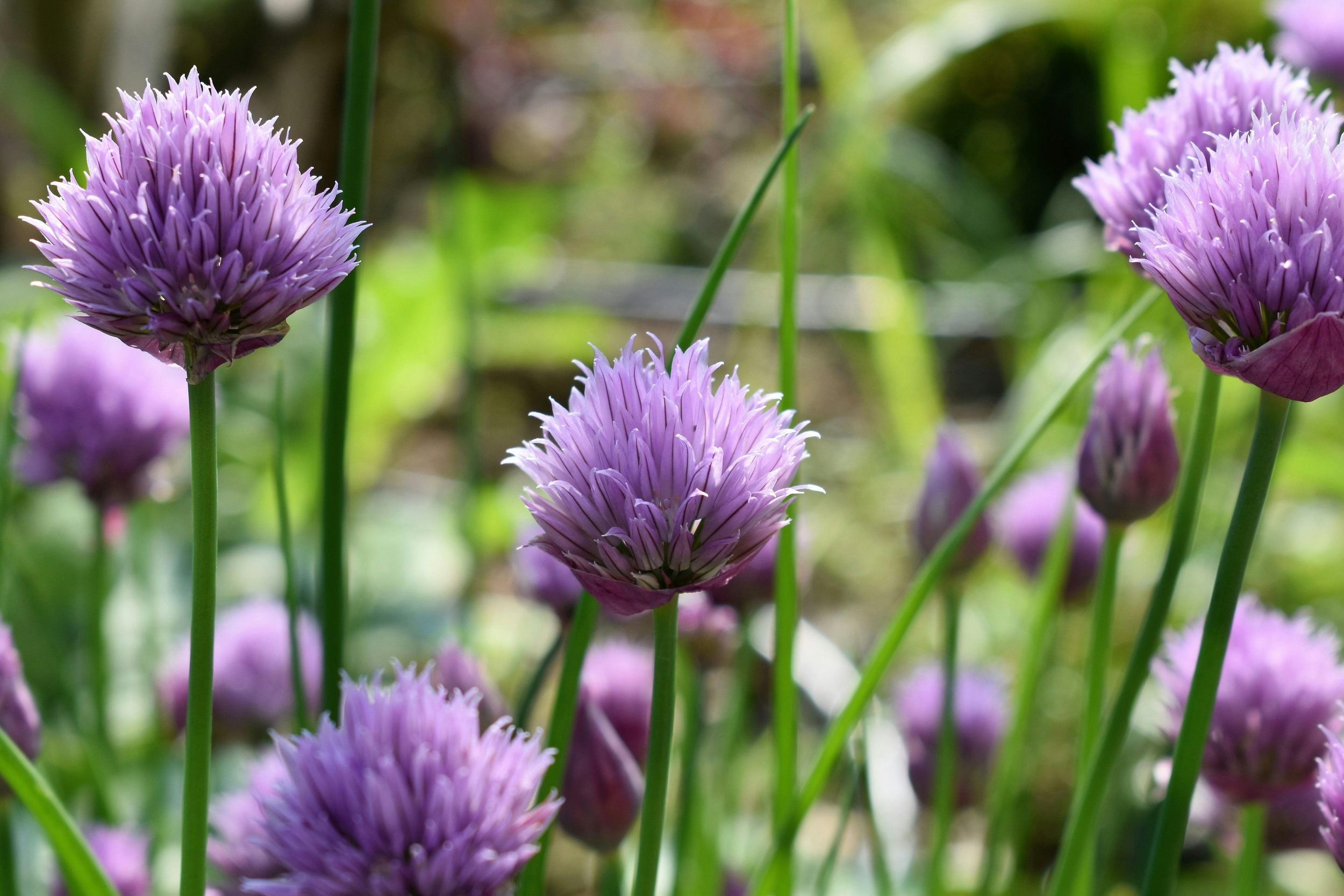
Chives repel aphids, Japanese beetles, and carrot rust fly with their oniony scent. They improve the health and flavor of nearby carrots and tomatoes. Their purple blossoms attract pollinators like bees, while also supporting parasitic wasps that prey on pests. When chopped and left as a mulch, chives contribute organic matter to the soil.
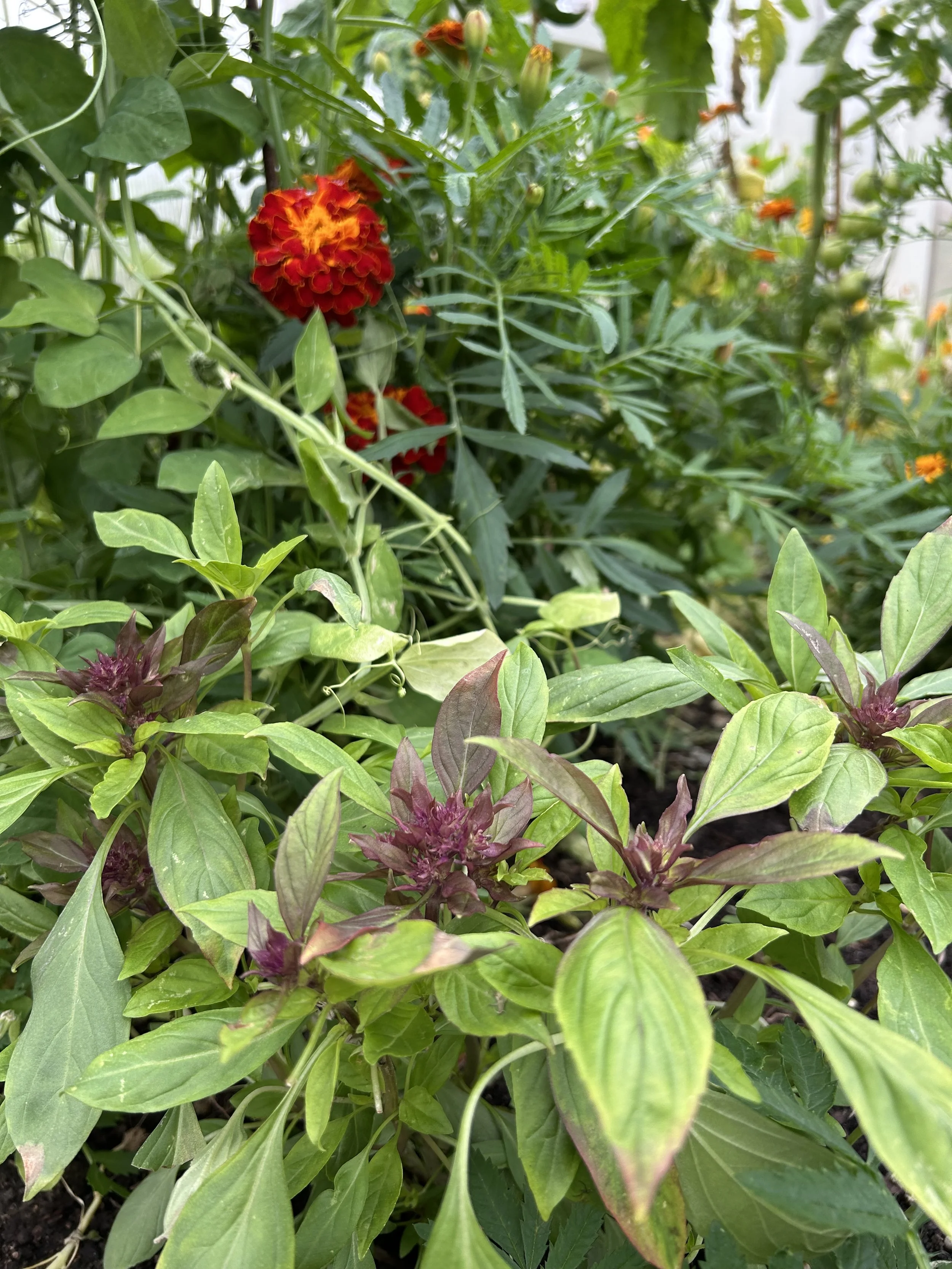
Like sweet basil, Thai basil repels whiteflies and pests that attack tomatoes and peppers. Its stronger clove-like scent is particularly unappealing to mosquitoes and flies. It produces nectar-rich purple flowers that support pollinators. Thai basil also enhances soil biodiversity through its aromatic oils. And it has THE best flavour in a salad. I love it!
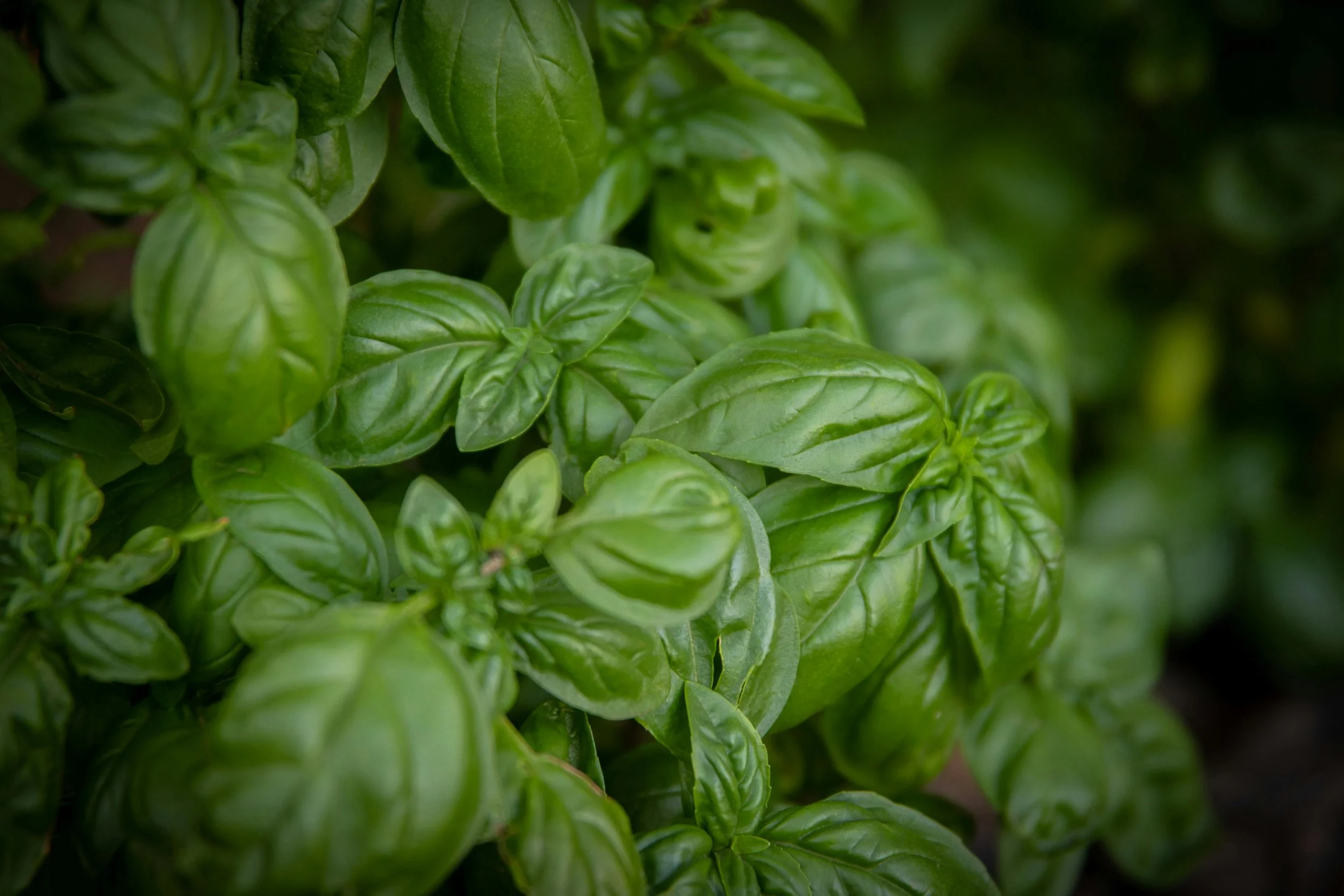
Sweet basil deters mosquitoes, whiteflies, and tomato hornworms, making it a classic companion for tomatoes. It can enhance the flavour and growth of tomatoes when planted nearby. Its flowers attract bees and small predatory wasps. Basil clippings can also be used as a mulch to add nutrients and repel insects.
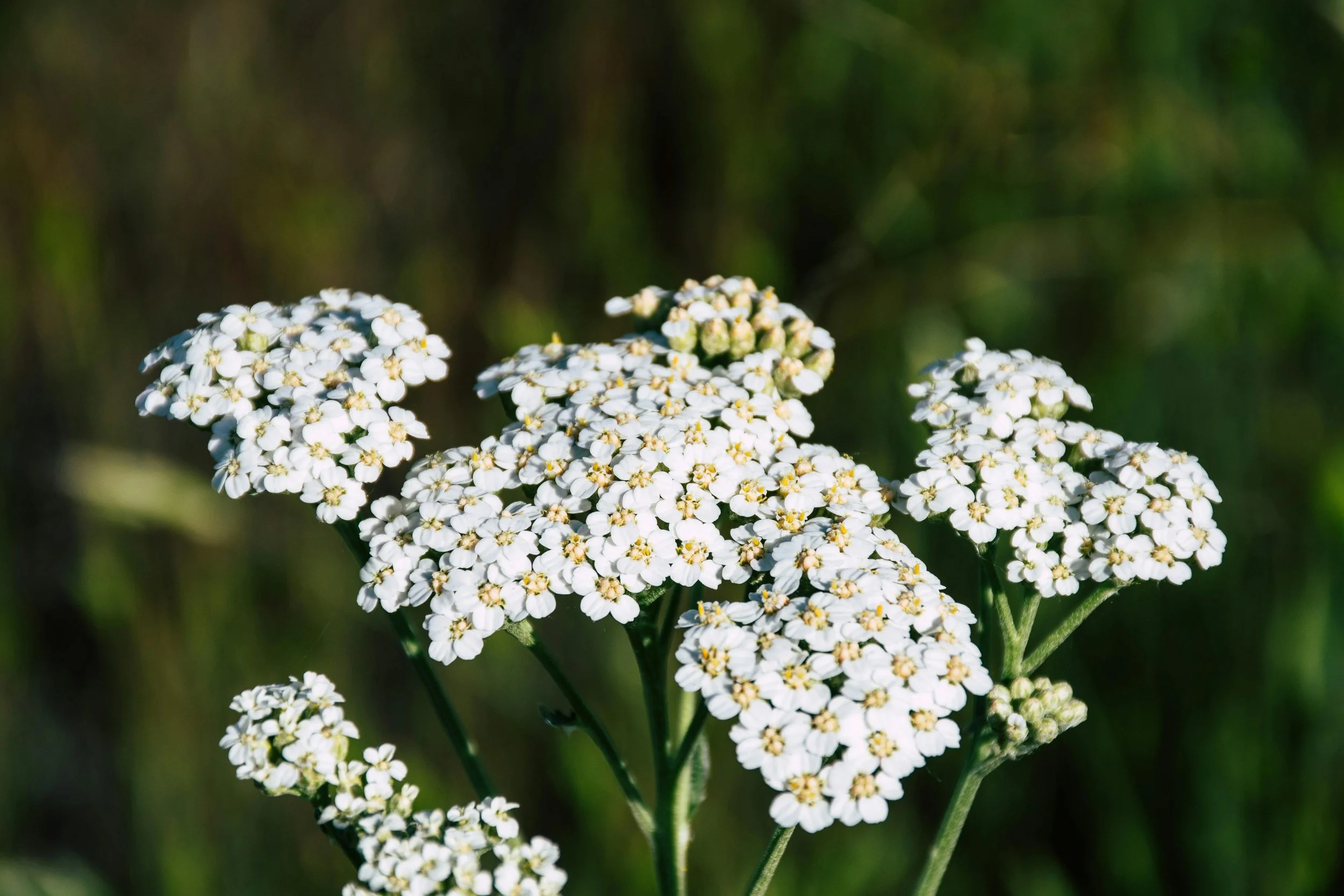
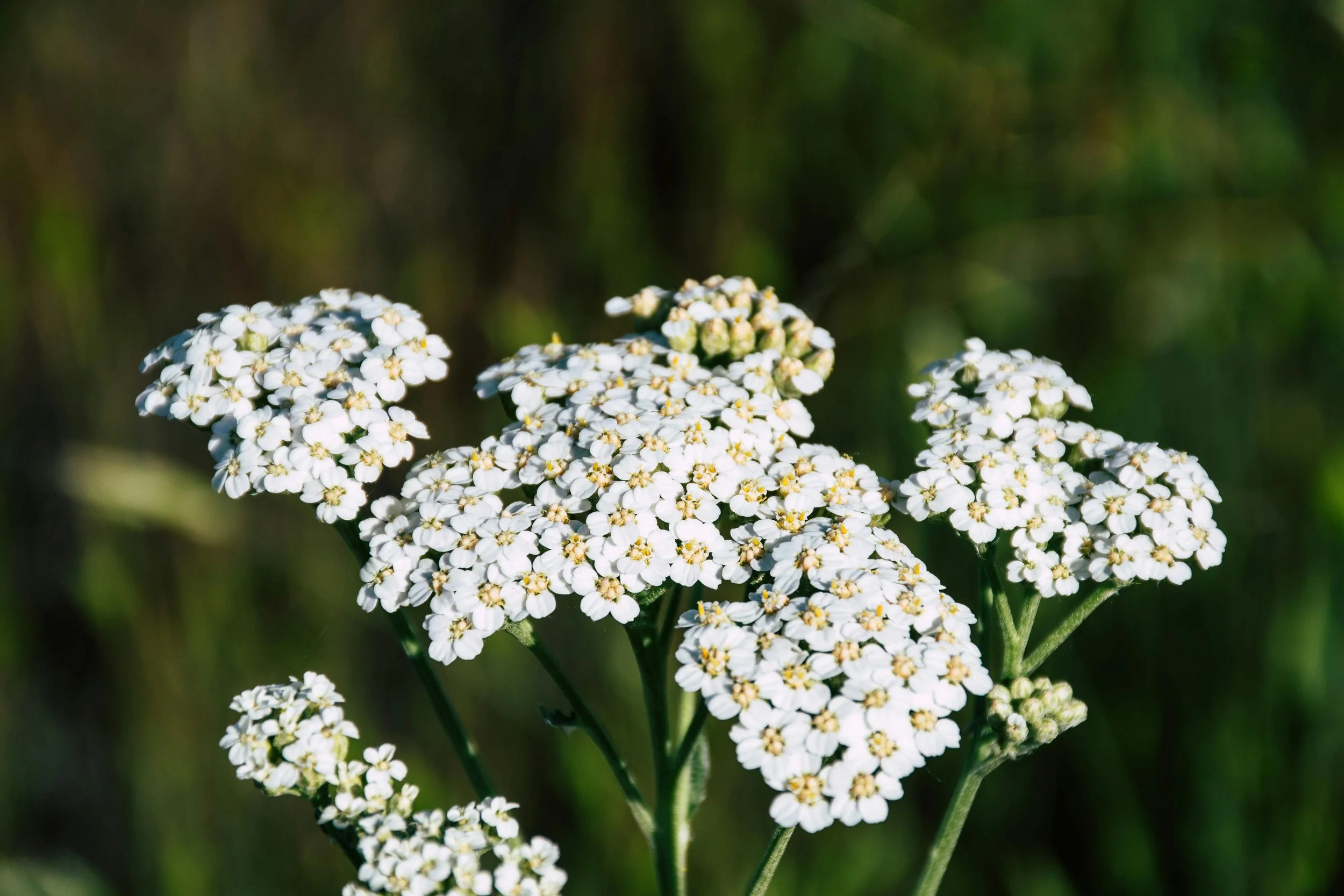
Yarrow attracts a wide range of beneficial insects including ladybirds, lacewings, and parasitic wasps that prey on aphids, mites, and beetles. It’s also a dynamic accumulator, pulling up minerals like potassium, calcium, and copper from deep in the soil and making them more available when used as mulch. Yarrow’s long blooming period provides extended nectar and pollen for pollinators.
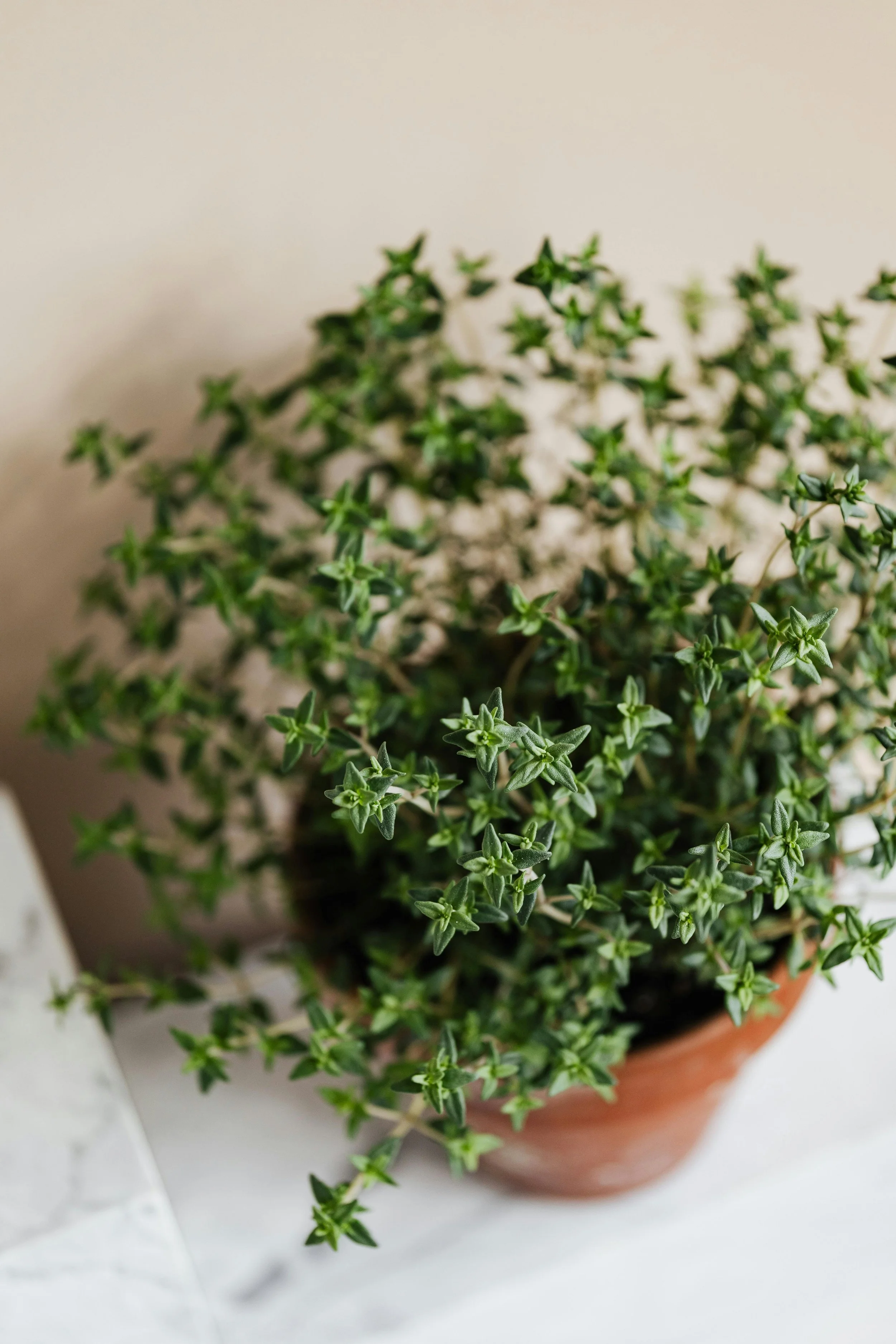
Thyme repels cabbage worms, whiteflies, and tomato hornworms with its strong essential oils. It pairs well with brassicas to reduce pest damage. Thyme flowers draw in bees and parasitic wasps, while its low-growing habit serves as a groundcover, conserving soil moisture and reducing weeds.