
Gardening with children is supposed to be magical
The vision
Apparently, gardens are where children develop a deep connection to nature. Tiny gumboots crunch along gravel paths while curious little hands gently inspect worms. They learn patience. Responsibility. Resilience. They marvel at bees drifting through flowers and gain an appreciation for the miracle of growing food from seed.
In theory, my own children were going to grow up as deeply connected little nature sprites. I imagined meaningful conversations about pollination while we sowed seeds together. I pictured them learning bird calls, identifying trees and plants by their Latin names, and rushing excitedly outside to check on the tomatoes after rain. I was essentially raising a tiny cast of a very niche BBC gardening documentary.
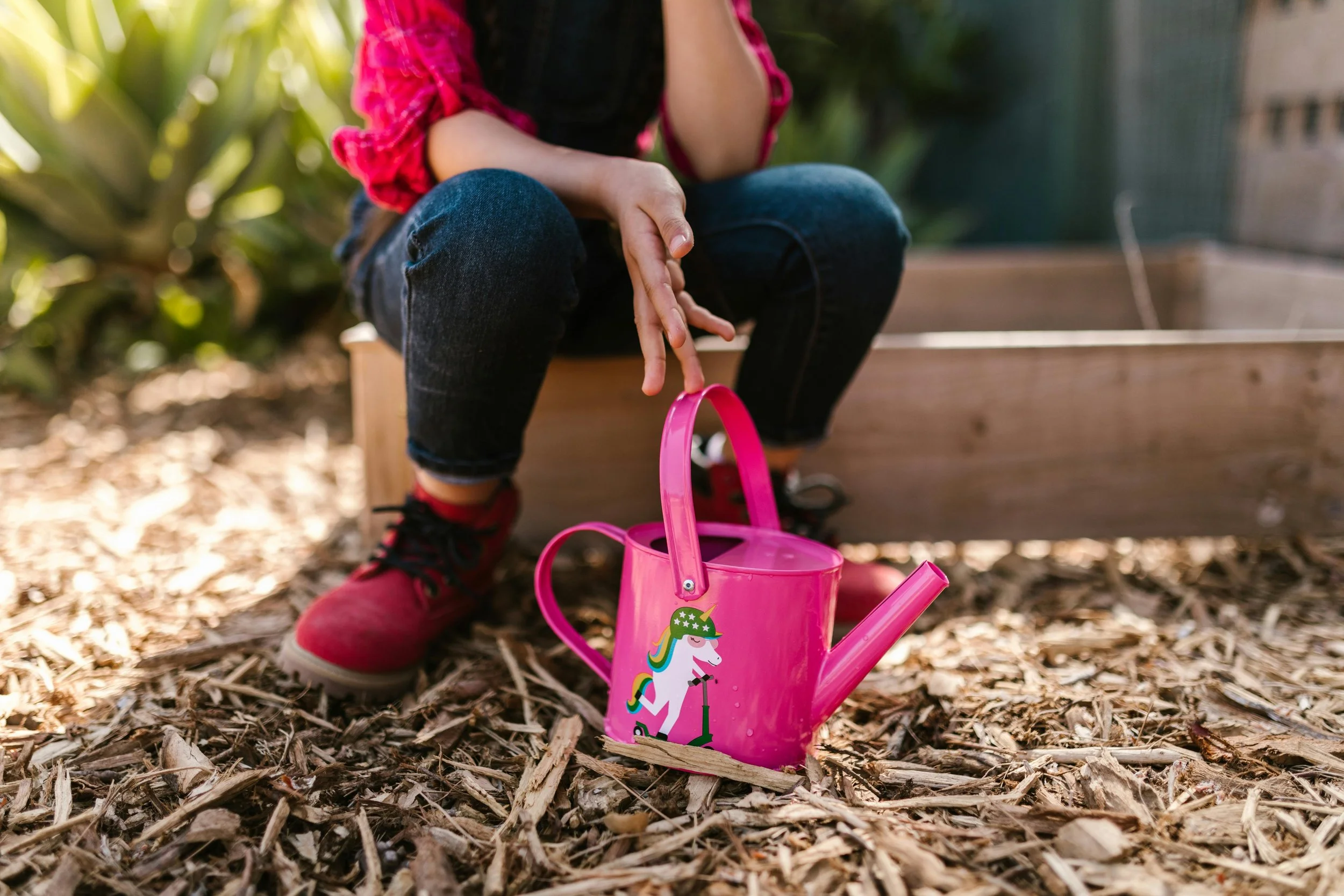
Is that how life really unfolded?
HECK NO!
To be fair, The Daughter has absorbed quite a bit over the years. She can identify a surprising number of plants, which technically makes her my greatest horticultural success story. Unfortunately, her enthusiasm for practical gardening came to a dramatic end during one memorable pocket-money-earning weeding session. After approximately forty minutes pulling weeds, she stood up, looked me dead in the eye, and declared weeding to be “the most boring job ever invented” before effectively retiring from the gardening industry altogether. She’ll still indulge me in my ‘name this plant’ snap-quiz games though, which feels nice. It’s like having a teenager who enjoys reading restaurant menus but has no intention whatsoever of cooking.
The Son, meanwhile, approaches the plant world with the same energy as The Husband. Their shared botanical classification system is as follows:
“That’s a tree.”
“That’s also a tree.”
“That one’s not a tree.”
And that’s about where the lesson ends.
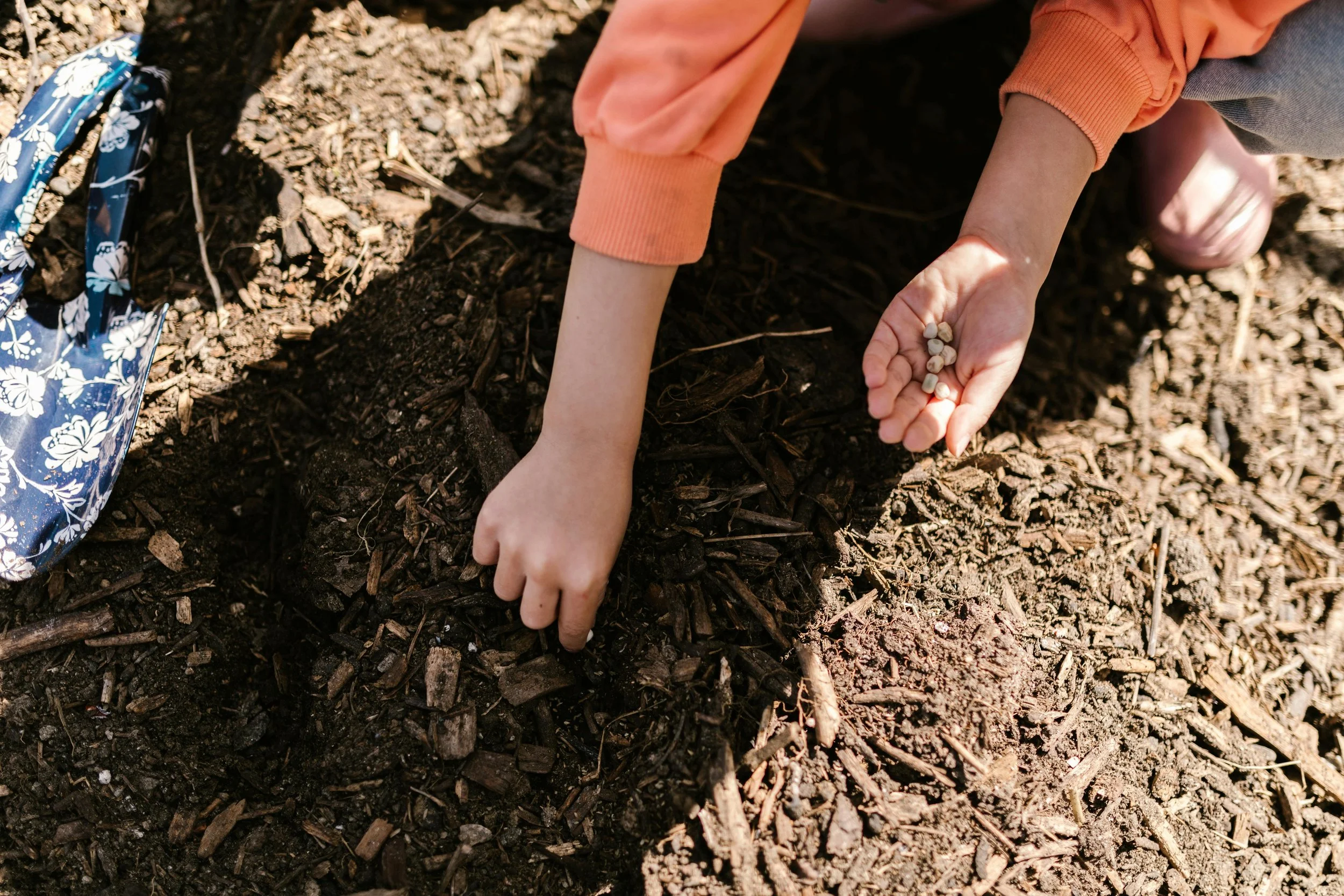
Now, in fairness, my son does mow the lawns, which is genuinely helpful and absolutely counts as outdoor activity. However, this arrangement relies heavily on financial incentives. Without pocket money attached, I’d have more chance of convincing the cat to edge the driveway than voluntarily getting him outside to discuss compost. Which is the truly irritating part, because he actually loves being outdoors. Put him on a soccer field, cricket pitch, volleyball court, golf course, or basically any surface involving competitive movement and he’ll be outside in a flash.
Fresh air? Wonderful.
Physical activity? Excellent.
Sunshine? Thriving.
But ask him to come and admire soil structure or discuss the benefits of mulch and suddenly he transforms into a Victorian child recovering from a long illness.
His complete unwillingness to participate in the actual labour of gardening does not, however, prevent him from having extremely strong opinions about my garden design choices. This teenager, who would rather lick a battery than voluntarily weed a garden bed, will nonetheless stroll past and casually announce things like: “I don’t like your black fences. You should get rid of them.” Or “I’m not sure what you were thinking when you chose to do THAT.” Or “Why didn’t you choose plants that don’t look dead all winter?“
Apparently gardening, much like international football, is vastly easier when observed from the sidelines.
The Talk
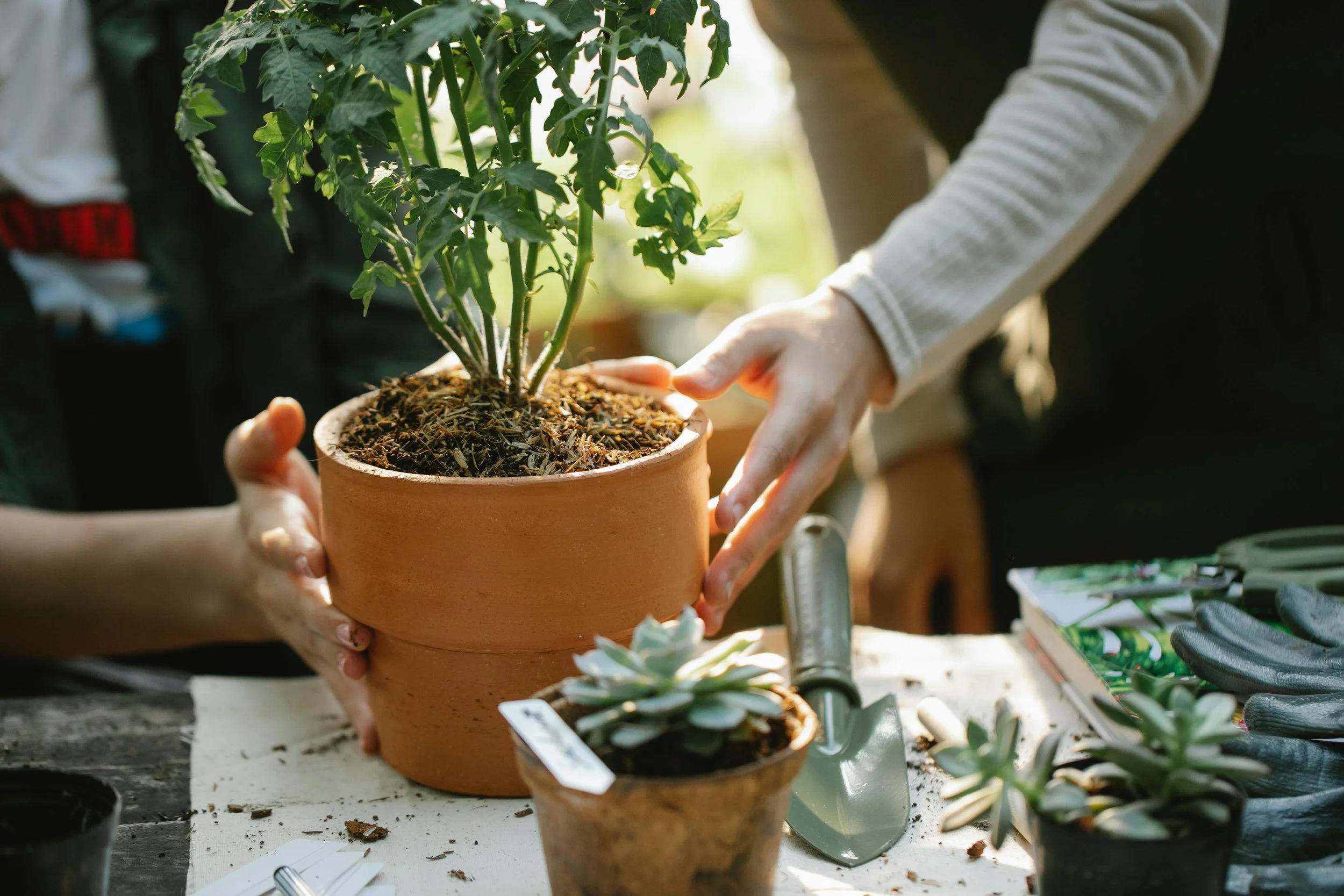
The great irony is that I genuinely believe gardening and country life is a wonderful way to teach kids about nature. They learn about insects. Weather. Seasons. Soil. Birds. Bees. That’s literal birds and bees… and metaphorical ‘the birds and the bees’.
Let me clarify.
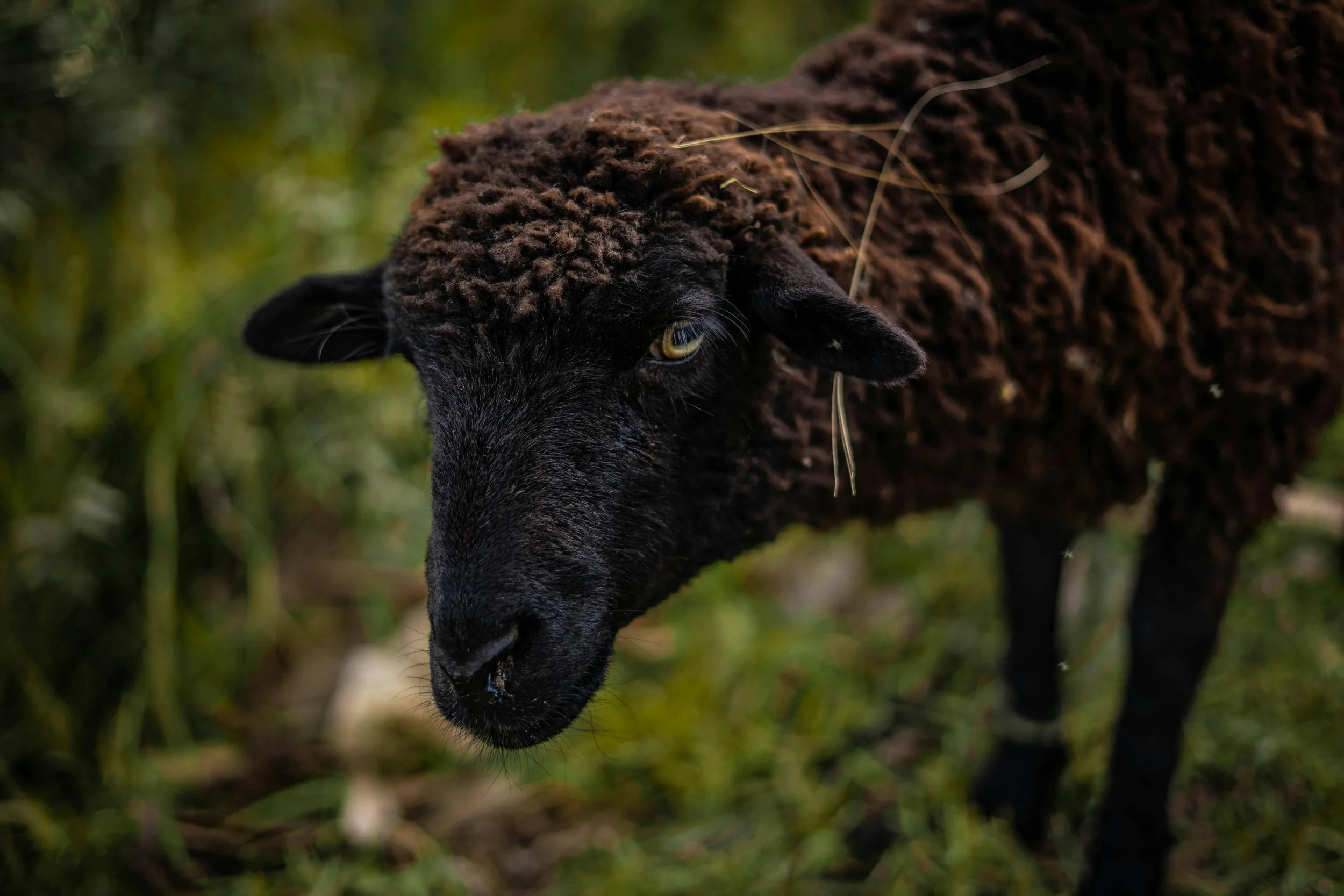
This educational component of their early lives accelerated rather dramatically one year when we borrowed Bob the ram. Now, the children, quite young at the time, had very wholesome expectations about Bob’s arrival. In their minds, Bob was simply going to move into the paddock, wander around politely introducing himself to the ewes, perhaps exchange a few pleasantries, admire the scenery, and settle in gradually.
Bob, however, had other plans.
The trailer gate had barely closed behind him before he spotted Rosie across the paddock and apparently decided there was no point wasting valuable time on small talk. Within approximately three minutes of arrival, Bob launched himself enthusiastically at Rosie while the children stared in stunned silence before yelling:
“MUUUUUMMMMM?! WHAT’S BOB DOING TO ROSIE?!”
And so there, standing beside a muddy paddock on an otherwise ordinary afternoon, ensued The Talk. It actually worked out perfectly well. Children are remarkably matter-of-fact about these things when you answer honestly at an age-appropriate level instead of behaving like reproduction is a classified government secret. There was no trauma. No scandal. No pearl-clutching horror. Just a brief educational discussion followed by: “Ohhhhhhh.” And then they wandered off for afternoon tea while Bob continued conducting himself with all the romantic finesse of a drunken rugby player at closing time. This, in hindsight, was probably one of the more effective nature lessons they’ve ever received.
But I digress
My earlier attempts to create enthusiastic junior gardeners and nature lovers was more successful - in relative terms - than my ongoing attempts to develop teenage gardeners, but I’ve realised something important. Maybe gardening with teens isn’t usually the picturesque family bonding activity we imagine.
Maybe it’s less: “Come child, let us joyfully harvest beans together while discussing biodiversity.” And more: “Mum is outside talking about compost again while we sit nearby scrolling on our phones.” Because even when they’re not actively gardening, they’re still absorbing things. They - ok, one of them - knows plant names they wouldn’t otherwise know. They understand that seasons matter. They notice when things flower. They know food doesn’t magically appear in supermarkets. They’ve grown up around bees, chickens, mud, seeds, wind, rain, lawns, trees, and all the messy reality of outdoor life.
Even if they mostly experience gardening as “that thing Mum’s always doing,” perhaps that’s enough. Would I love The Teenagers to voluntarily join me for hours of cheerful weeding while eagerly discussing pollinators? Of course.
But I also recognise this may be the single least realistic fantasy I’ve ever had. More unrealistic, frankly, than believing I could keep slugs off the hostas. So these days, I’m choosing to believe that while their enthusiasm for gardening may currently sit somewhere between “absolutely not” and “only if money is involved,” they’re still absorbing it all by osmosis. And let’s face it, I was exactly the same at their age. Gardening held absolutely no appeal whatsoever. And yet somehow, all those years of growing up around gardens must have quietly lodged themselves somewhere deep in my brain until one day, without warning, the gardening bug bit.
So perhaps one day the same thing will happen to them. Maybe years from now they’ll buy their first home, look out at an empty section, and suddenly feel an inexplicable urge to plant tomatoes or argue emotionally about mulch depth.
And then, at last, my time will come. I shall spend my retirement having deeply meaningful FaceTime conversations with my adult children about how to stop slugs eating their vegetable seedlings and hostas, how thickly to apply their mulch, and what to do when their hydrangeas won’t bloom.
Did you know?
We tend to think of trees as fairly straightforward: stand there, grow a bit, drop some leaves, repeat. But underneath that calm exterior, a tree is constantly doing something more like financial planning than gardening - it’s allocating resources, shifting priorities, and quietly deciding what gets funded and what doesn’t. In plant science, this is called carbon allocation. It refers to how a tree distributes the sugars it makes through photosynthesis - essentially its “income” - across growth, roots, defence, and storage. When conditions are good, a tree might invest in height or leafy expansion. But when things get tough - drought, shade, or heavy competition - it quietly changes strategy. Growth slows, and more energy goes into roots, chemical defences, or storing reserves for later. As one plant physiology review puts it, plants “strategically allocate carbohydrate resources to overcome stress and promote survival”. So that tree in your garden that seems to have “stopped doing anything” might not be lazy at all. It could just be rebalancing its books, cutting unnecessary spending, and investing in a slightly more cautious future. In other words: the tree isn’t stuck. It’s budgeting. Probably better than I am.
Changes afoot
I’ve had to make a change to my weekly newsletter. Up until now, I’ve been including a ‘What to do in your garden this week’ section. But I’ve decided to stop doing that from this newsletter on. Why? Various reasons, including:
It’s really easy for people to just google what they should do at any given time
It’s hard for me to make things relevant to a global audience where climates and soil types differ markedly
It’s hard not to just be repetitive each week
But mainly because in trying to make the lists relevant, useful and varied, it was becoming a burden in an effort to produce the newsletter. Kids, full time job, big garden, pets….you get the picture.
So, if it’s the difference between producing a newsletter or giving it away completely due to time constraints, I decided to focus my energies on just bringing you the fun part. The first part of each newsletter is the one that seems to be most looked forward to and provides me with the most feedback. So that’s where my efforts will go from now on. I’ll keep including the ‘Did you know?’ section because it’s interesting - fascinating even - to find out weird and wonderful pieces of knowledge about nature and gardening.
What’s new on Behind the Gate?
🏡Garden to Table: this week it’s all about why my greenhouse grows food over winter when many other greenhouses struggle. If you’re planning on building a greenhouse, this article will likely contain some useful information that might help you decide on a few key choices you’ll need to make.
🌿Nitty Gritty: this week I’m giving you THE most boring piece of advice I’ve ever given, but also the MOST necessary. So, read this because I guarantee it will help you avoid ugly crying at some point in your gardening future.
📚Earn an income from your garden: this week has a bonus post about what I’ve learned in my efforts to monetise my garden using social media. It’s definitely been a journey.
As I mentioned a couple of weeks ago, I’m in the process of migrating my articles to Substack. It’s so much better set up for publishing this type of content, and I also think probably a much better user experience for you too. The articles I publish arrive straight to your inbox rather than you having to make an effort to head onto my members-only page to find the content. It’s just easier on Substack. I’ve realised that now, and so I encourage any of you who would like to receive my content in that way to head over and subscribe over there. I have free and paid options. Free subscriptions give you my free Sunday newsletter each week plus all the photos and notes with little tips and guidance that I add to my feed every day. Paid subscribers get all that, plus two additional articles each week with much deeper dives including garden knowledge, design tips, plant care advice, the odd recipe, and a bit of humour. You’ll find me as The Manic Botanic on Substack - not Behind the Garden Gate.

Thank you to everyone who subscribes to both my free and paid subscriptions both on my website and on Substack. If you’re not already a Substack user, I encourage you to try it out. It’s a much better way to receive this type of newsletter, and once my last website subscription lapses later in the year, I’ll be discontinuing my website offerings to prioritise Substack.