
You are the weakest link. Goodbye.
I work in the corporate world. I also spend my after-hours and weekends supervising a workforce that includes several thousand bees, an argumentative blackbird, a family of sparrows, approximately seventeen million earthworms and a management team consisting of one slightly judgmental Labrador and two disapproving cats.
Honestly? The garden runs a far tighter operation.
Corporate life is an endless parade of meetings. Meetings to prepare for meetings. Meetings to discuss why the last meeting didn’t achieve anything. Meetings where twelve people sit around a table while one person talks and everyone else perfects the art of looking interested while mentally planning dinner.

In the garden, the aphids have adopted a similar management structure. One aphid discovers a rose. Within hours there are three hundred of them clinging to the stem, apparently holding a strategic planning session entitled “How Can We Make This Everyone Else’s Problem?” Not one of them appears to have a useful job. But then along comes a ladybird. No meeting. No consultation. No PowerPoint. Just decisive leadership. Every last aphid? Fired. Performance issue resolved.
The bees too are terrifyingly competent colleagues who somehow achieve six weeks’ worth of work before you’ve finished your first coffee. They don’t hold brainstorming sessions about pollination. They don’t form a steering committee to evaluate flower engagement metrics. They simply get on with it. Imagine that.
The birds are the senior managers every organisation wishes it had. They identify problems and then remove them. They don’t spend three months commissioning an independent review into whether the caterpillar really needed removing in the first place.
The spiders are the quiet achievers. They never boast. Never seek recognition. They just build astonishingly clever systems and wait patiently for results to arrive. Every organisation needs a few spiders.
The snails are the colleagues who insist they’re “working at a sustainable pace.” They’ll get there eventually. Possibly.
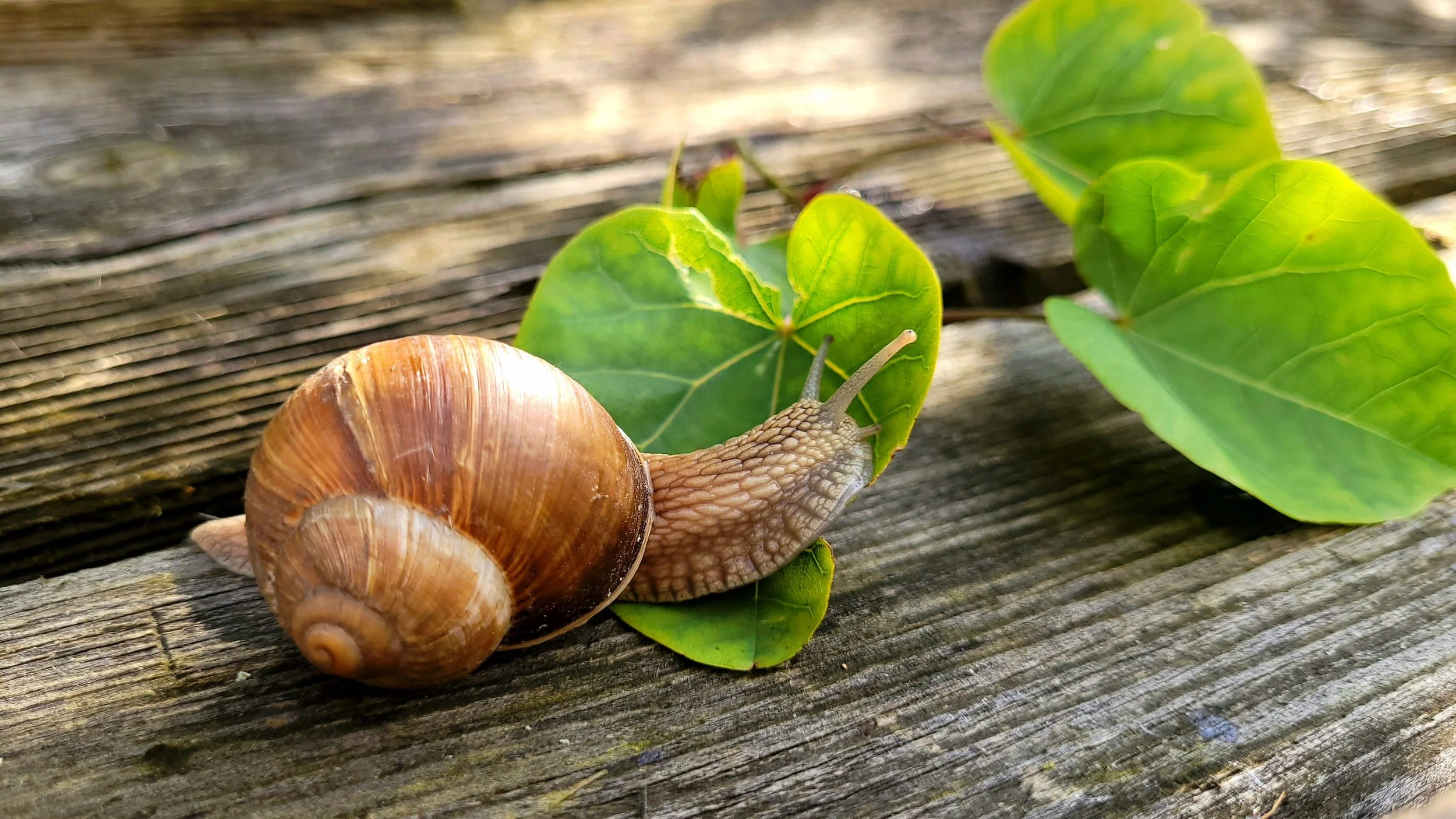
Meanwhile, the slugs are those employees who seem to arrive purely for the free lunch. They contribute very little. They consume enormous amounts. Then they mysteriously disappear before anyone asks them to be accountable for anything.
The cabbage white butterflies are the consultants. They fly in looking beautiful and full of confidence, leave behind a complicated situation that nobody asked for, and disappear before the consequences become apparent.
The wasps, meanwhile, are that one person who seems permanently offended by everyone else’s existence. Nobody invited them. Nobody enjoys their company. Yet somehow, they insert themselves into absolutely everything.
Every garden has performance reviews too. The bees consistently exceed expectations. The ladybirds are recognised for outstanding pest management. Earthworms quietly receive glowing feedback for improving workplace culture beneath the surface. The aphids have been placed on yet another Performance Improvement Plan. Unfortunately, they’ve responded by inviting another four hundred aphids to another meeting.
One thing I’ve noticed is that both worlds have politics. In the office, people compete for promotions. In the garden, two blackbirds will engage in what can only be described as an HR grievance process over a particularly attractive worm. The difference is that the birds settle it in under thirty seconds. No facilitator required. No follow-up workshop. No action plan. Just a brief disagreement and everyone gets on with life.
And perhaps that’s why I prefer gardening. The personalities are just as colourful. The politics are infinitely more entertaining. The high performers really perform. The underperformers become someone else’s lunch. The meetings are conducted entirely by birdsong. And, unlike corporate life, when something truly isn’t pulling its weight…
…I’m the CEO. I don’t schedule a feedback session. I simply show the incompetent or annoying ones the ‘exit’ and go on my merry way.

Did you know?
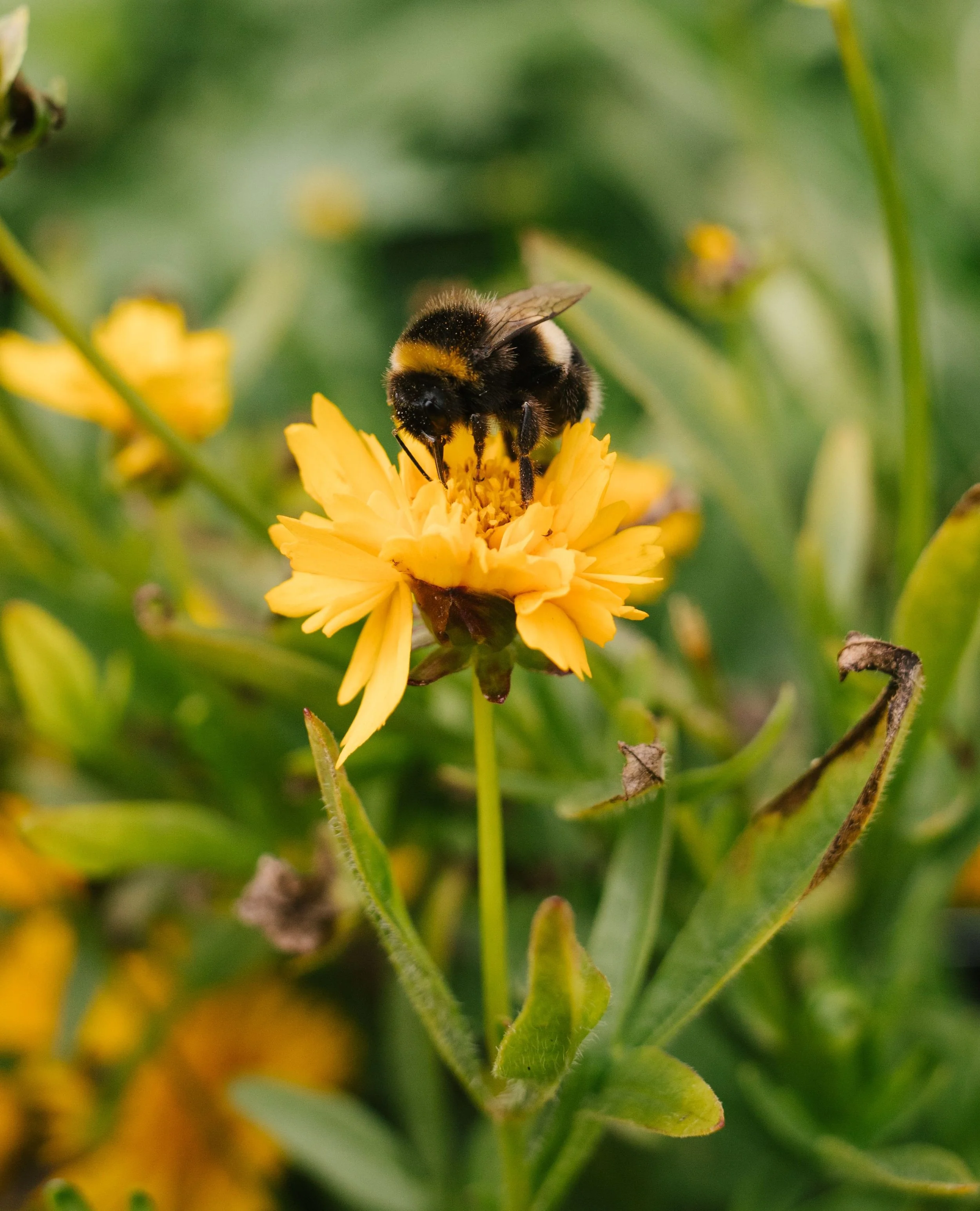
Last season I noticed something in the garden that I'd somehow never seen before. A bumblebee had latched onto one of my marigolds and was vibrating so enthusiastically it looked like it was attempting to romance the flower. Naturally, I did what any curious gardener does - I asked on social media what on earth it was doing. As always, there were plenty of genuinely helpful replies explaining that bees sometimes vibrate their bodies while foraging for pollen, although true buzz pollination is a specialised trick they use on flowers like tomatoes and blueberries. This one was more bouncing its abdomen up and down, which appears to have been an attempt to vibrate pollen loose from the tightly packed marigold petals. Fascinating, right? Unfortunately, alongside the helpful replies came the inevitable keyboard botanist asking how I could possibly not know this if I call myself a gardener. Ah yes, because gardening is apparently an exam you sit once and then know absolutely everything forever. The reality is that gardening is one long apprenticeship. Every season teaches you something new, and that's exactly why it's so addictive. Besides, I'd rather ask a daft question and learn something than spend my life pretending I know why a bee appears to be passionately embracing a marigold. The only real pest in that entire interaction wasn't in the garden - it was in the comments.
What’s new on Behind the Garden Gate this week?
🌹Nitty Gritty: “What on earth have you bought now?” My long-suffering husband manages to quietly ignore my crazy garden additions.
🪴Nitty Gritty: solving geopolitical conundrums is something I’m REALLY good at. Find out why…
As I’ve mentioned previously, this website will be closing down at the end of this month. If you enjoy the content, you’ll still be able to have it delivered straight to your inbox, just via the Substack app instead. It’s a much more user friendly experience, both from your point of view and mine, so I’m concentrating all my efforts on growing my following over there. This website was a nice idea, but unfortunately, it’s become far too expensive to maintain. Thank you all for your commitment to my content. I appreciate every one of you and I’d love to have you join me over on Substack.