
It’s time to pull out the secret weapon…
Years ago, I suggested, very casually, that maybe, just maybe, our garden should have a name. The Husband, with infinite decisiveness and gruff Southern Man authority, said, “ABsoLUTEly NOT”. End of discussion.
Or so he thought.
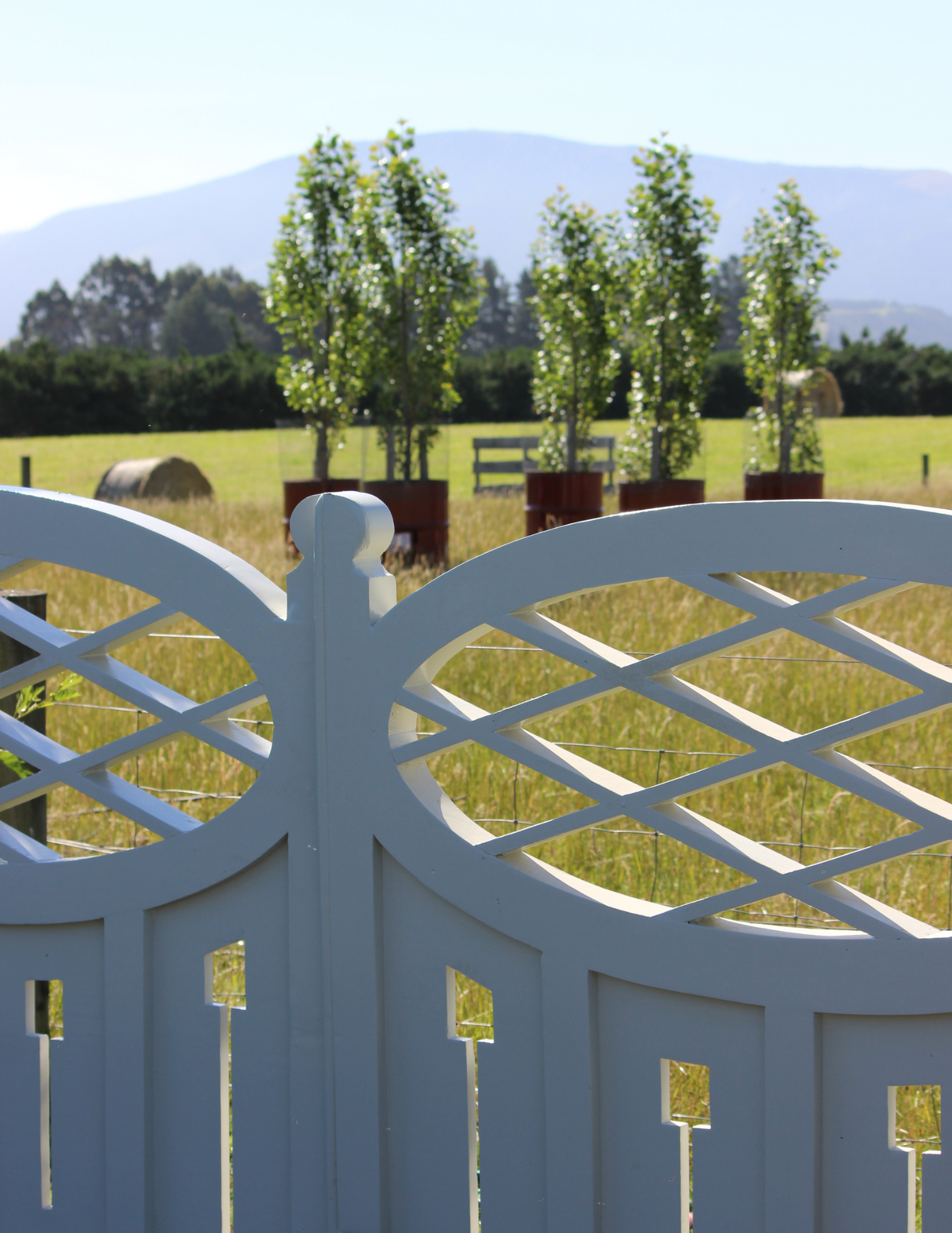
I don’t take “no” for an answer. I persist. I niggle. I chip away at his resolve. I see our sprawling, slightly chaotic, often muddy patch of soil and think, “‘The Garden?’ Really? That’s the best we can do? Surely a place this full of personality deserves more.” Because, let’s be honest, calling it “The Garden” is a bit like naming your child “Person.” Technically correct, but lacking in imagination.
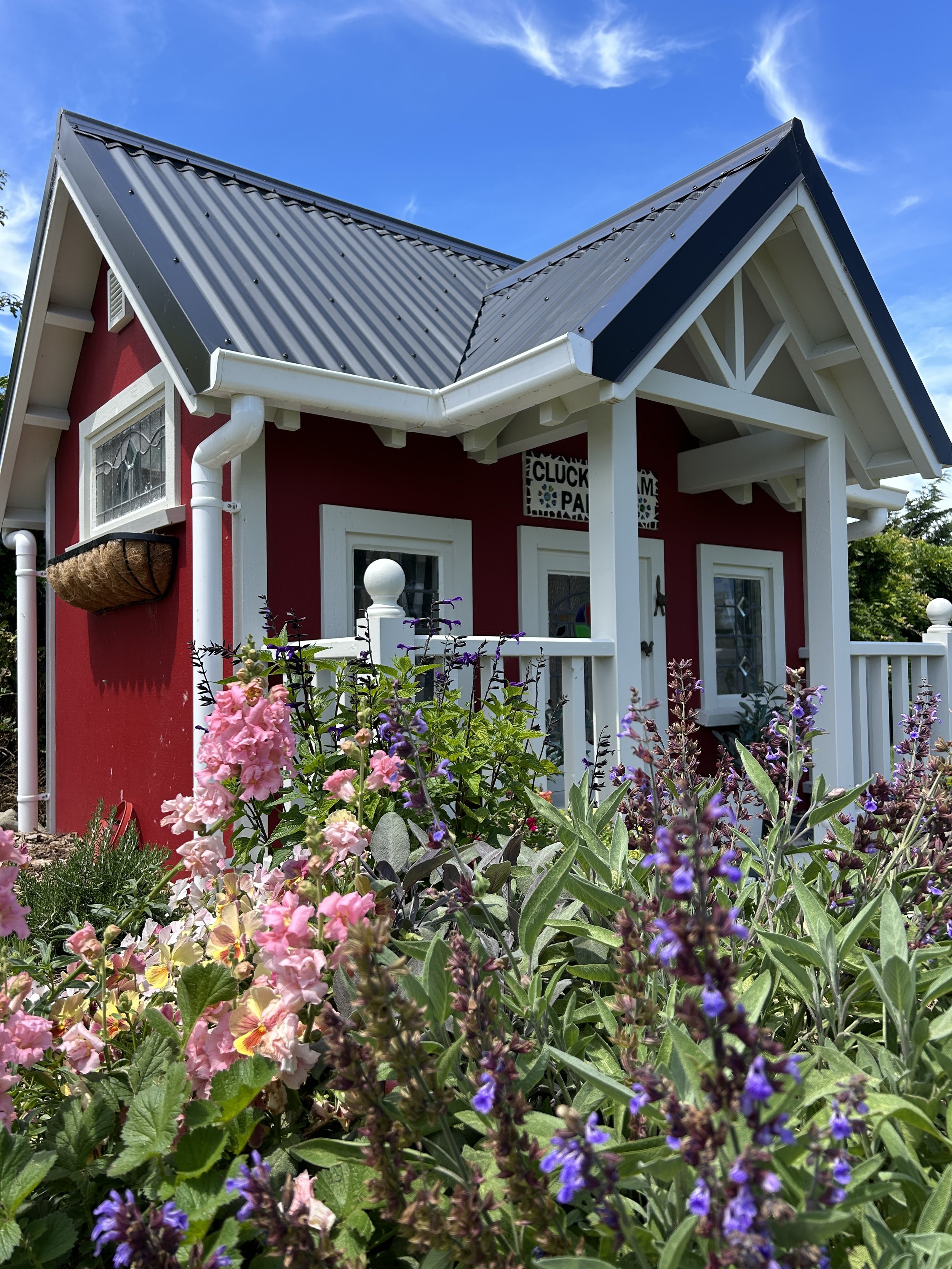
After all, I’ve already named the parts of this garden. The greenhouse is The Whitehouse - filled with vintage décor and all the gravitas that implies - and the chicken house is Cluckingham Palace, because what else would it be? So, it seems fitting that these places, which already have personalities, should belong to somewhere. They can’t just live in ‘The Garden’. There must be an overarching location, a sort of parent entity that gives The Whitehouse and Cluckingham Palace context. And that, my friends, is why I continue to think we need a name for the garden itself.
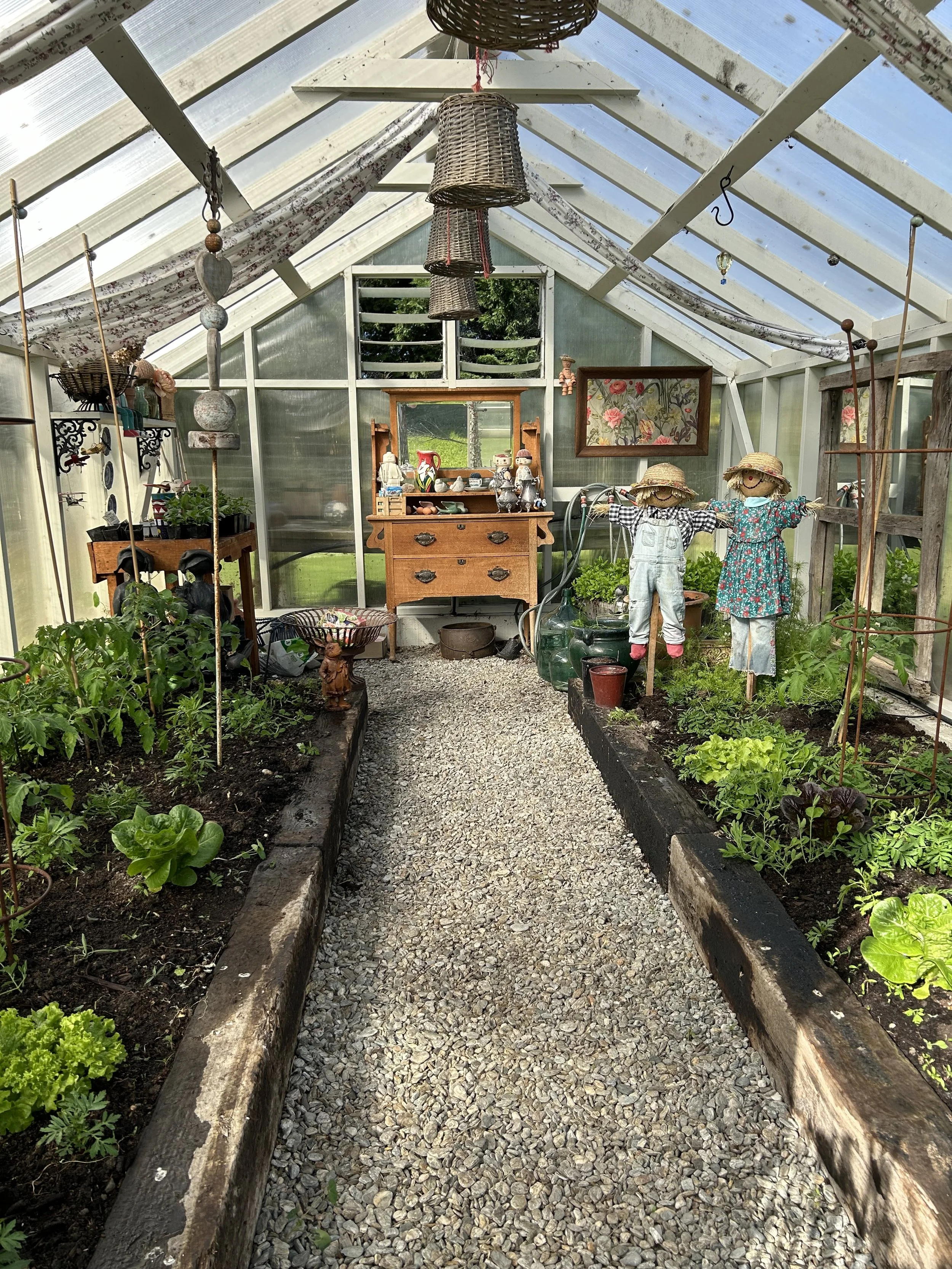
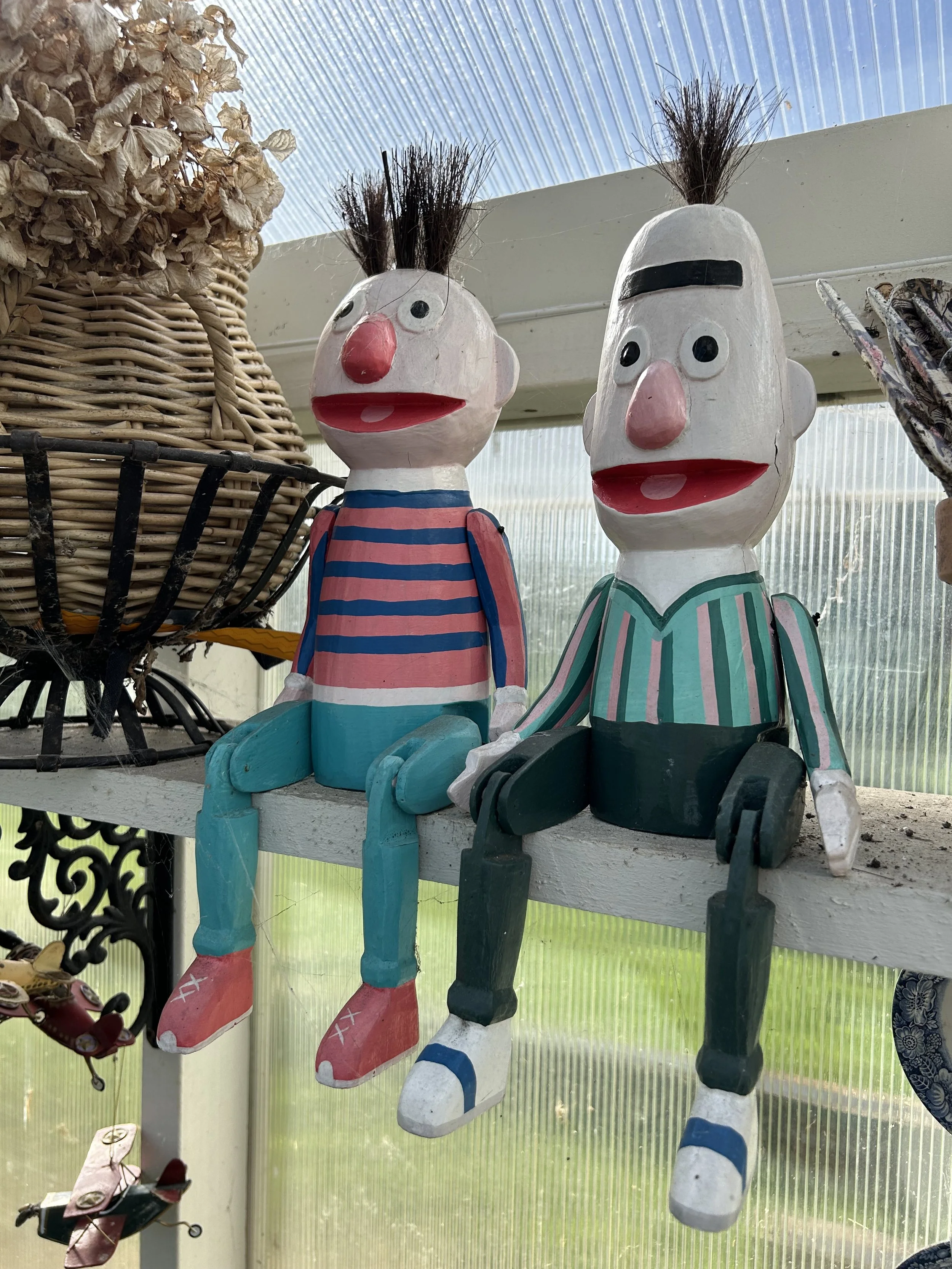
You see the problem, don’t you? These places sound like destinations. You don’t simply pop outside to the greenhouse. No. You visit The Whitehouse. You conduct important, high-level horticultural business there. Possibly negotiations with tomato seedlings. It’s where Bert’s the Secretary of State, and Ernie’s the Secretary of Homeland Security.
Meanwhile, Cluckingham Palace is clearly the seat of poultry government, where high-ranking hens conduct matters of national importance such as breakfast, second breakfast, staring at me judgmentally, and quietly suppressing the latest palace scandal before it reaches the beaks of the Feathered Press Corps.
And this garden has personality. Some days it’s charming and productive, all flowers and birdsong and the quiet smugness of things growing where you put them. Other days it’s muddy, overgrown, and looks like nature briefly seized control while I was inside making a cup of tea. A place that emotionally complex surely deserves a title?
So yes, this is an ongoing debate. He says no. I say yes. He says no again. And I plot…. ready to deploy my secret weapon. I am my mother’s daughter after all….quietly stubborn…expertly holding the line until he folds like a cheap camping chair.
Because history tells us that persistence works. Drip by drip, rock is worn away. Roots split concrete. And wives with long memories eventually get garden names approved by reluctant husbands.
Until then, the debate continues, my stubbornness remains unshaken, and The Whitehouse and Cluckingham Palace remain ever dignified, waiting for a parent entity worthy of their grandeur.
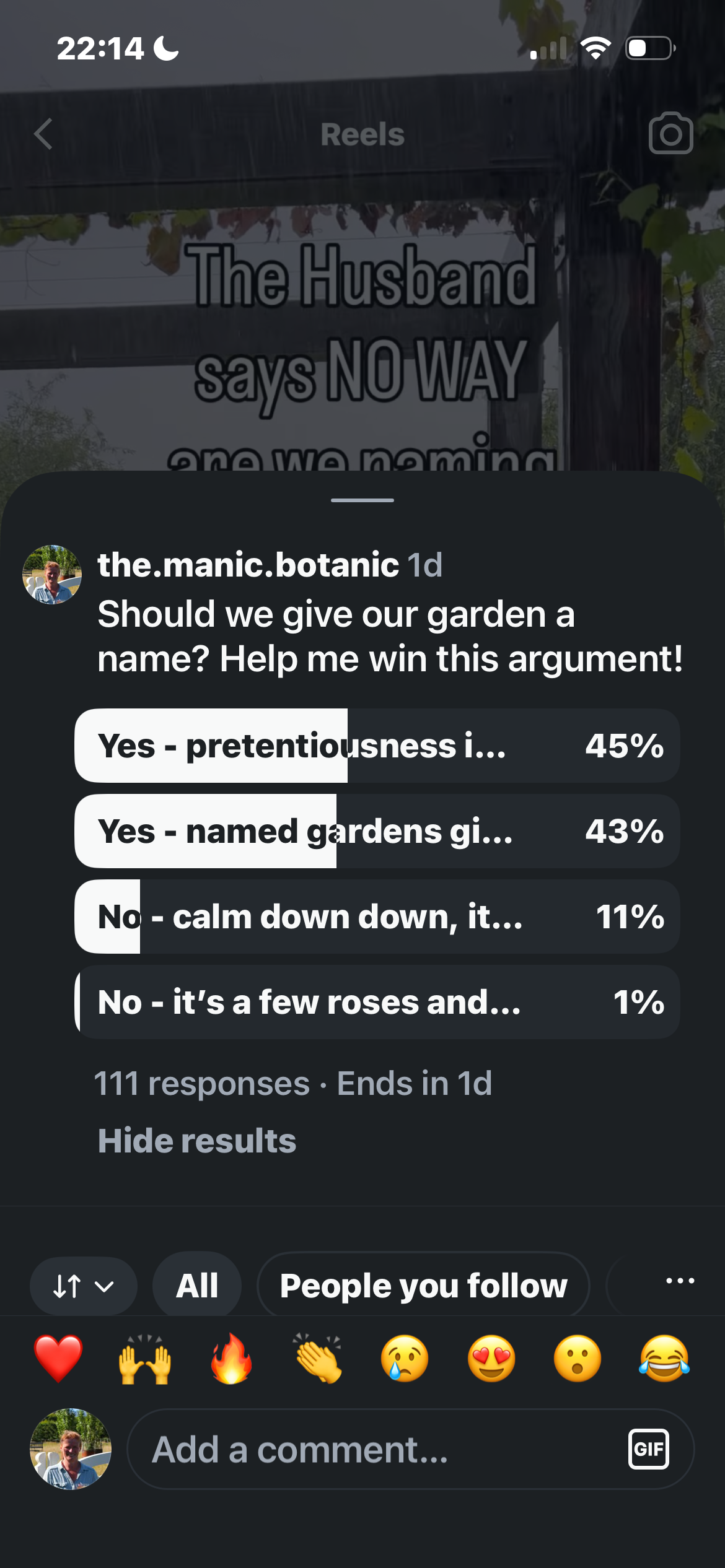
Photo: a recent Instagram poll appears firmly on MY side! The options were ‘Yes - pretentiousness is to be encouraged!’, ‘Yes - named gardens give the warm fuzzies’, ‘No - calm down, it’s not Highgrove!’, and ‘No - it’s a few roses and pile of weeds’ (which some cheeky bugger selected 😄).
Did you know?
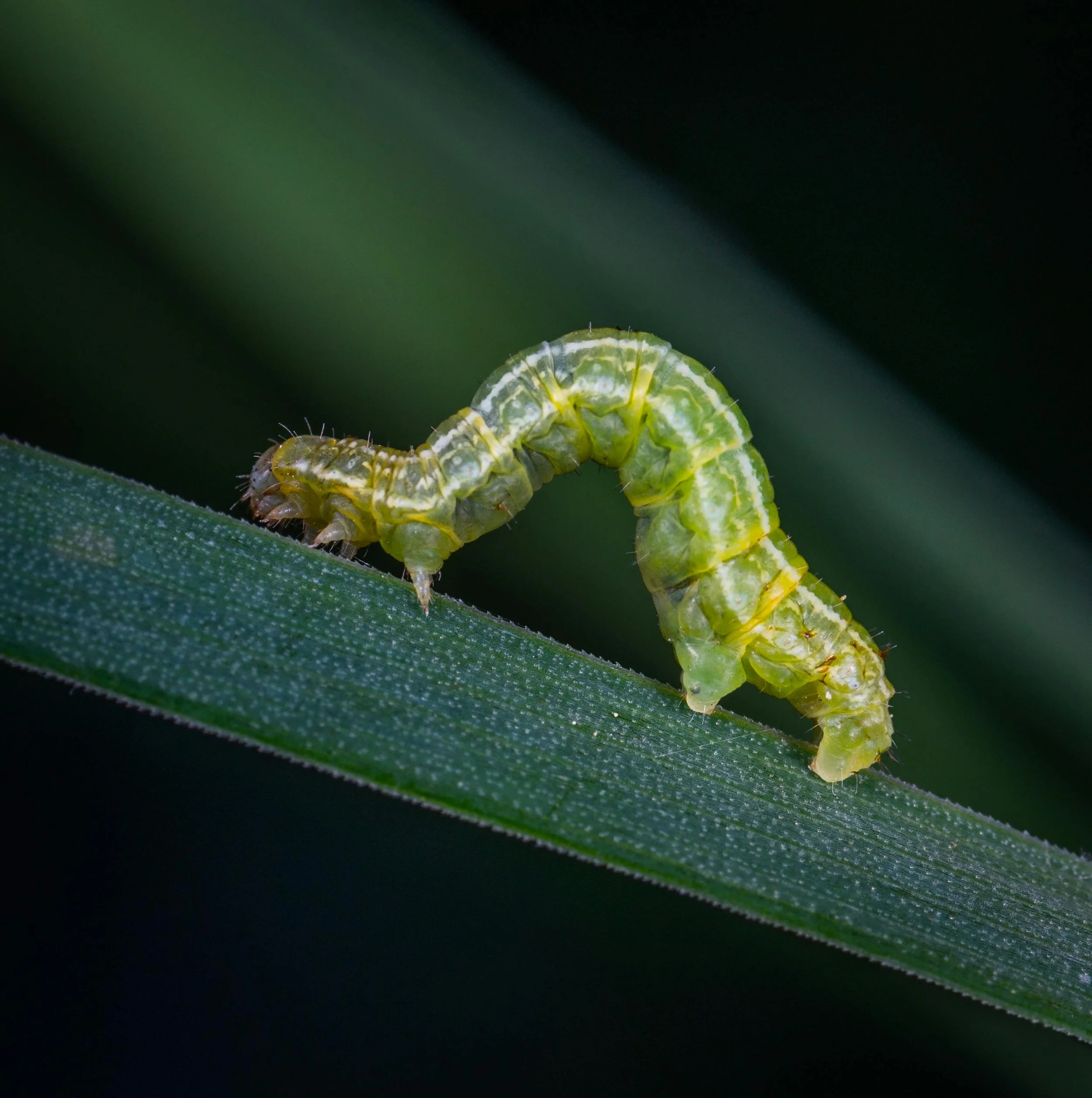
There’s genuine scientific evidence that plants can detect the vibrations made by insects eating them. In a 2014 study published in the journal Oecologia, researchers exposed the plant Arabidopsis thaliana to recordings of caterpillars chewing leaves. The plants that “heard” those vibrations responded by producing higher levels of defensive chemicals that make them less appealing to herbivores. Interestingly, they did not react the same way to other vibrations such as wind, suggesting they can distinguish between harmless background movement and the specific vibrations of something having them for lunch.
What to do in the garden this week
Northern hemisphere
🌷Soil prep is your key to successful gardening. What goes on above ground depends very much on what’s going on under it. Add compost or well-rotted manure to beds, lightly loosen compacted soil, and mulch where you can to retain moisture and suppress weeds. The healthier your soil, the happier your plants.
🥶If your last frost date has passed, then you can start planting tender crops outdoors - tomatoes, courgettes, beans - but I’d still keep an eye on those forecast overnight temperatures, and have frost cloth ready, just in case.
🥔If you haven’t planted potatoes, now’s the time.
🪲Pest patrol begins. Check under leaves around new growth because they do like to hide. Depending on your preferences, there’s chemical and organic sprays that’ll help control them. I use chemical on roses, but I never use chemicals near food crops. AND I don’t even have to use organic sprays near my food crops because I’ve implemented companion planting as my method of pest control in my greenhouse. It works really well. Check out my paid subscriber content for lots more detail on this. I’ve had a greenhouse for five years and have never used a spray once. The same principles apply to outdoor veggie gardens.
💦Spring rains can be enough water for your garden beds if it’s at least once a week and a good soaking. Otherwise, be mindful of watering needs. Potted plants are growing busily from now on and need a daily water, and if it doesn’t rain at least once a week, give your garden beds a deep soak. When it comes to watering garden beds, less frequent but deeper watering is more beneficial than frequent light watering.
Southern hemisphere
🍂 It’s still a great time to plant new trees and shrubs. The soil is still warm, the days are a bit cooler meaning transplant shock is less likely, and it gives the roots time to establish before winter.
🌿My biggest job this autumn is dividing overcrowded perennials. I’ve said it a few times in recent newsletters, and I’ll say it again, because it really is the best time to do it.
🌷If you want tulips but live in a mild climate, you can chill them in the fridge for a few weeks before planting them out in winter. This will help their performance come spring.
🥕Plant veggies that like it a bit on the cool side - lettuce, spinach, silverbeet, broccoli, cauliflower, cabbage, carrots, beetroot, radish, garlic, onions, shallots. I’ve also sown some coriander seeds. It does better in cooler seasons and doesn’t bolt to seed so quickly.
What’s new on Behind the Garden Gate?
🌿Nitty Gritty: What’s the point of gardening? After a bit of social media ‘hate’ was thrown my way over a fairly innocuous post, it got me to thinking ‘why do we garden?’ And these are my musings.
🍂Nitty gritty: a common question I get asked is ‘when’s the best time to mulch?’. So, this article answers that question loud and clear. And yes, there’s a time when you really should avoid it.
📷Snapshot shed: more photos of my garden as we steam roll our way towards winter.
As I mentioned a couple of weeks ago, I’m in the process of migrating my articles to Substack. It’s so much better set up for publishing this type of content, and I also think probably a much better user experience for you too. The articles I publish arrive straight to your inbox rather than you having to make an effort to head onto my members-only page to find the content. It’s just easier on Substack. I’ve realised that now, and so I encourage any of you who would like to receive my content in that way to head over and subscribe over there. I have free and paid options. Free subscriptions give you my free Sunday newsletter each week plus all the photos and notes with little tips and guidance that I add to my feed every day. Paid subscribers get all that, plus two additional articles each week with much deeper dives including garden knowledge, design tips, plant care advice, the odd recipe, and a bit of humour. You’ll find me as The Manic Botanic on Substack - not Behind the Garden Gate.