
Are there butterflies on the cows?
When it comes to parenting, you’re supposed to not hover. Apparently, that supports healthy emotional development. Personally, I think this is deeply inconvenient.
My 19-year-old daughter has just departed for the very top of Norway. Alone. Which, as far as I can tell, is almost exactly the furthest point on Earth from where I’m standing. I’m thrilled for her but I’m also considering wrapping myself in bubble wrap.
Of course, you can’t be a helicopter parent. Society frowns on that. You’re supposed to raise independent, capable young adults and then confidently wave them off into the world. In theory, it appears we’ve ticked that box. So, at the airport I smiled, I hugged her, I wished her luck, I cried uncontrollably, then I came home and started aggressively gardening, because apparently my coping mechanism is shifting several cubic metres of mulch.
I’ve decided the best way to process complex maternal emotions is through manual labour. If there is gravel to spread, I’ll spread it. If there are weeds to pull, I’ll pull every last one of them. If something needs digging, excellent. Hand me the shovel. Therapy is expensive whereas compost is comparatively affordable.
To be fair, I’ve been preparing for this moment for a while. Not emotionally, obviously, but linguistically. For the last eighteen months I’ve been learning Norwegian alongside her on Duolingo in an admirable display of maternal solidarity. There’s just one tiny flaw in the plan. Her nineteen-year-old brain actually remembers things. Mine treats every lesson like speed dating.
“Oh yes… hello word…we’ve met before…”
“No, apparently we haven’t.”
I’m fairly sure I still couldn’t confidently introduce myself in Norwegian. I can, however, confidently ask whether there are butterflies on the cows. This feels like information that would become apparent fairly quickly without having to ask a local, but Duolingo feels otherwise. I remain unconvinced that Norwegian society is plagued by butterfly-covered cows, but if the situation ever arises, I’m absolutely ready.

Meanwhile, life here carries on. Spring is springing. The bearded irises will be here soon. The roses too. The dahlias will need planting. I’ll sow some Zinnia’s once the frosts have passed. The strawberries are showing signs of life, and the tomatoes are well underway. My son is still here, which is excellent news because somebody still has to mow the lawns, and I’d hate for family traditions to disappear completely.
So this is the plan for the next wee while. The Daughter will be off having adventures, dog sledding in the depths of a Norwegian winter, seeing the Northern Lights, fishing through the ice, speaking fluent Norwegian and becoming wonderfully independent. I’ll be here pretending I definitely wasn’t counting the hours since her last message while spreading another trailer load of gravel.
Healthy? Probably. Normal? Allegedly. Productive? The garden has never looked better.
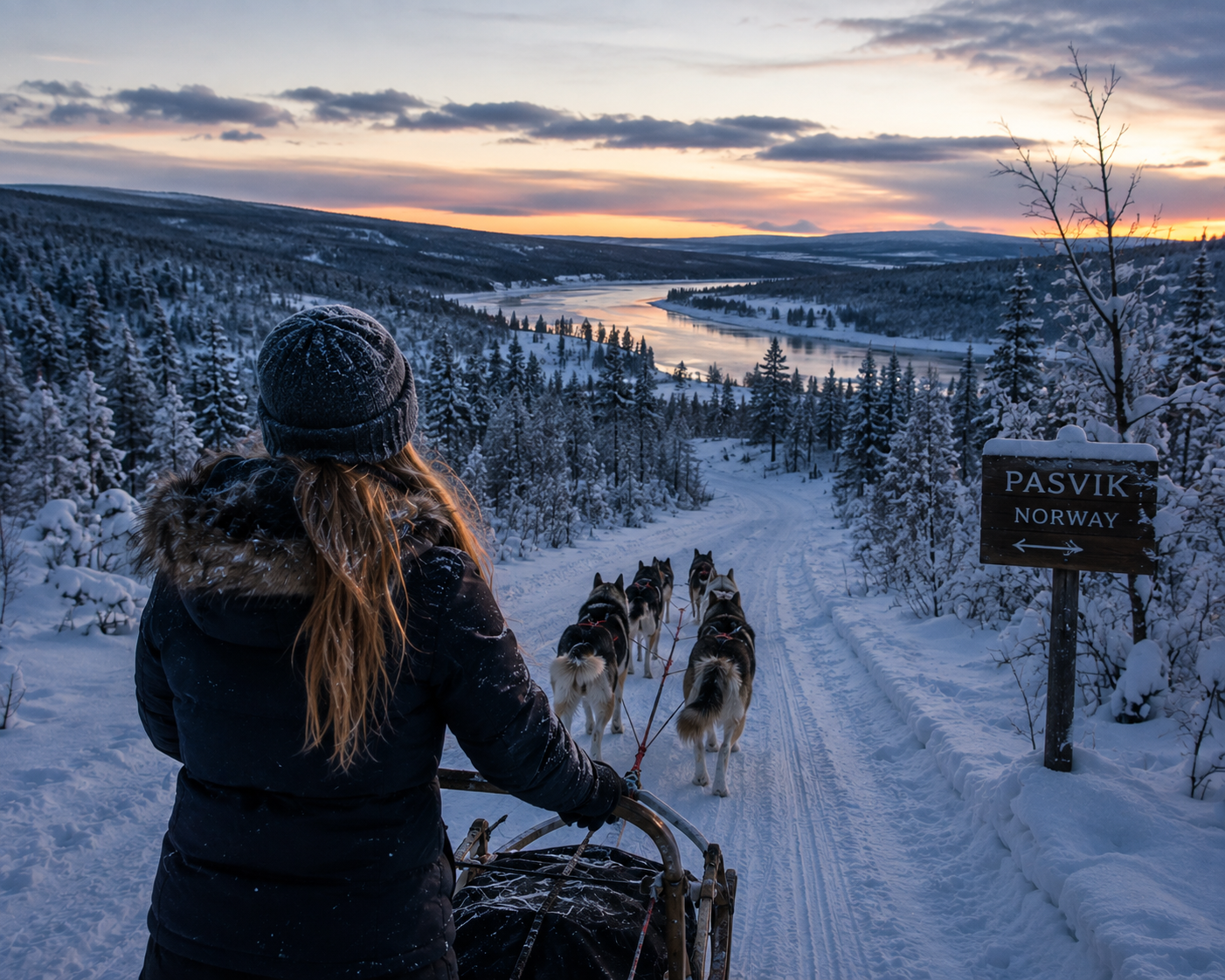
This collaborative effort between AI and me is how I imagine her life during the coming northern winter.
Did you know?
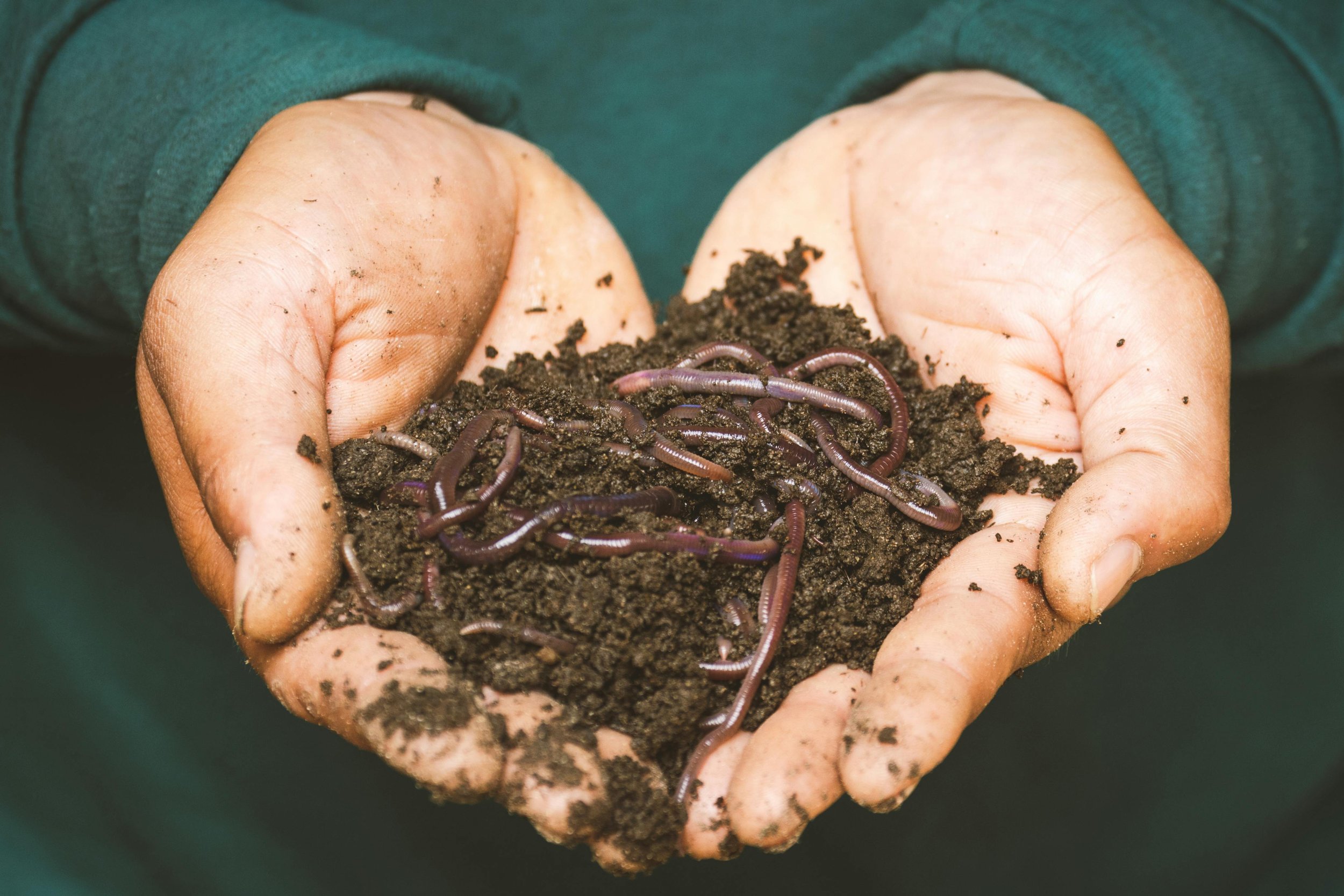
You'd be forgiven for thinking earthworms spend their days doing very little besides eating dirt. But Charles Darwin was completely fascinated by them and spent more than 40 years studying their behaviour. In fact, he discovered that earthworms slowly bury objects by constantly bringing tiny amounts of soil to the surface. Over decades - and even centuries - that steady work can gradually cover ancient paths, ruins and even archaeological sites. It's a good reminder that in the garden, the smallest workers are often doing the biggest jobs... they just don't seem to be in any hurry.
What’s new on Behind the Garden Gate?
🪴Nitty Gritty: this week it’s all about weed suppression techniques that actually work. I tell you all about what I’ve tried over the years, and which techniques work the best.
👵Nitty Gritty: and this week I’m also giving you the Hilda Ogden guide to stylish garden plants.