My Jekyll & Hyde garden
The tale of two gardens (and why you should never trust Instagram)
Let me tell you a story…a tale of two gardens. One garden is the one you see on Instagram: draped in golden-hour light, impossibly picturesque, very “I woke up like this,” complete with artfully arranged flowers and angles that hide everything I don’t want you to see. It’s the garden that could probably make it into a glossy magazine and sit comfortably next to an ad for linen overalls and heritage secateurs.
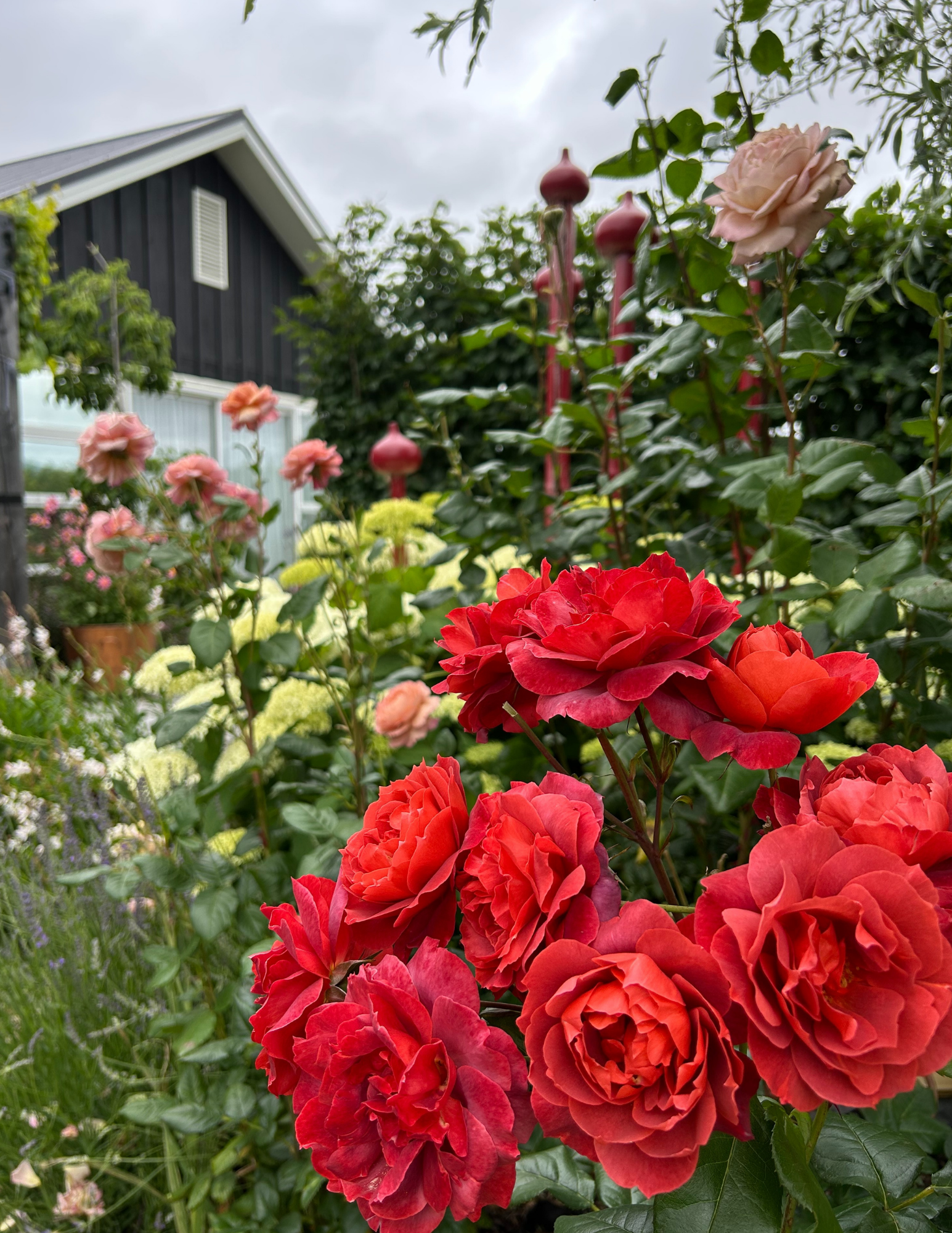
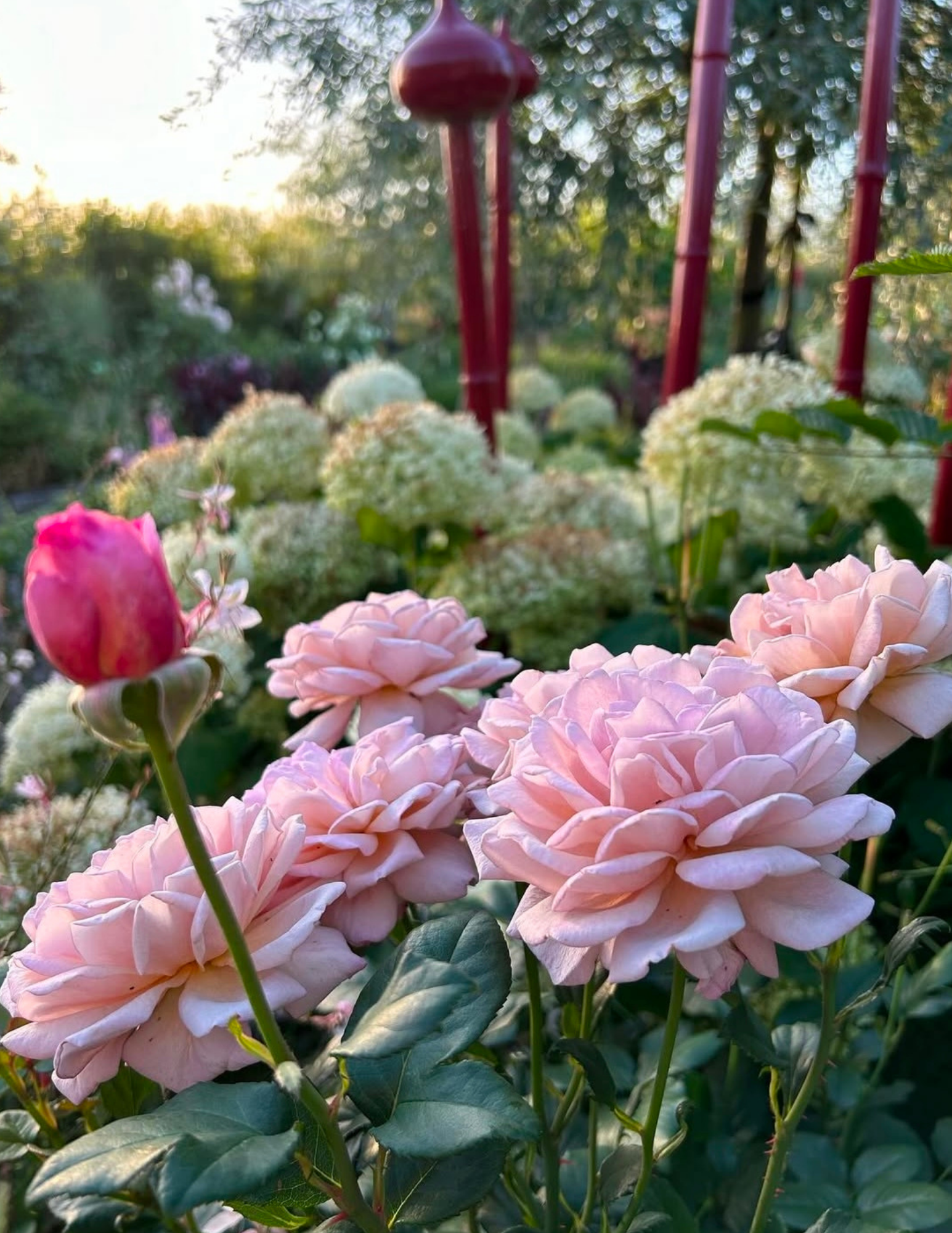
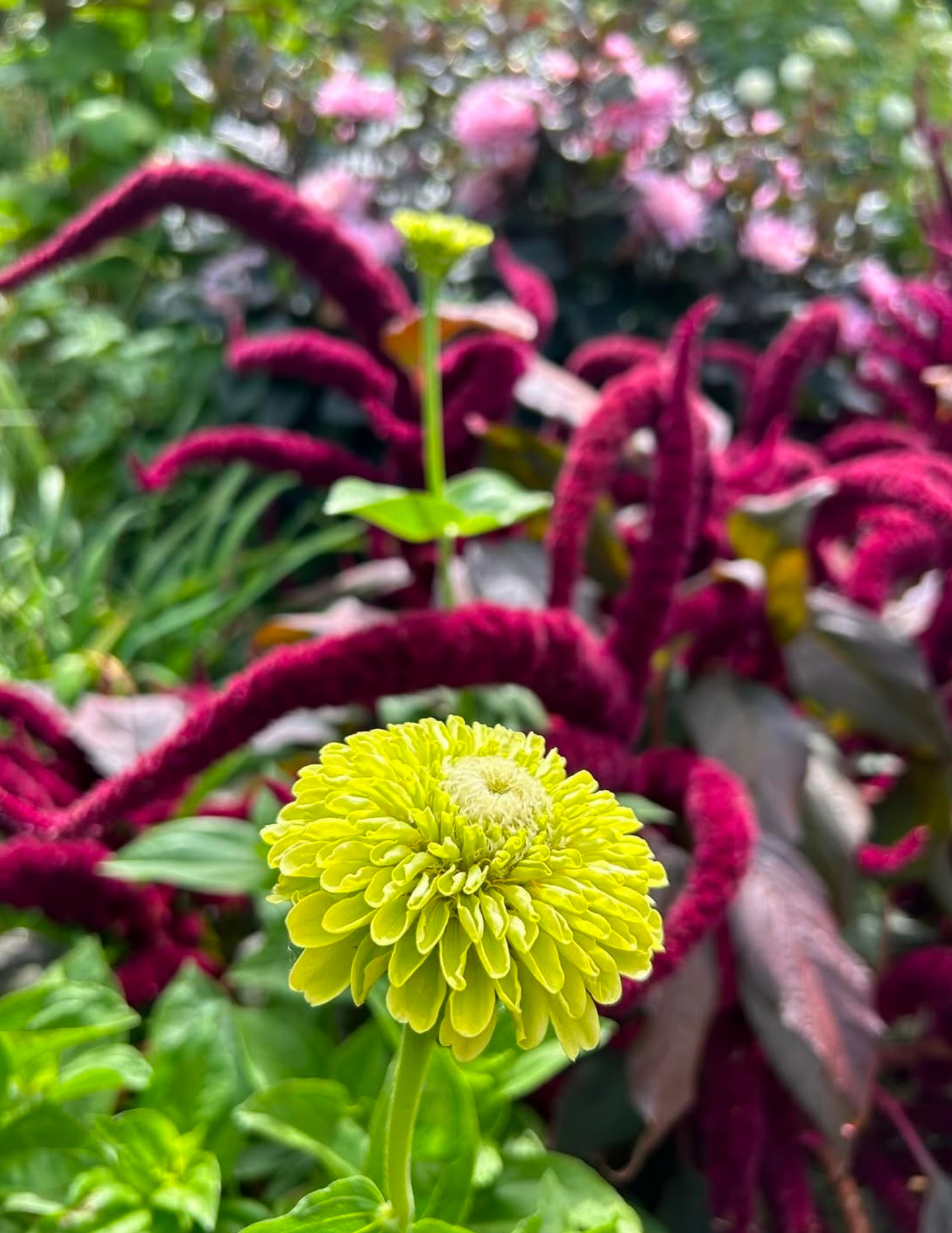
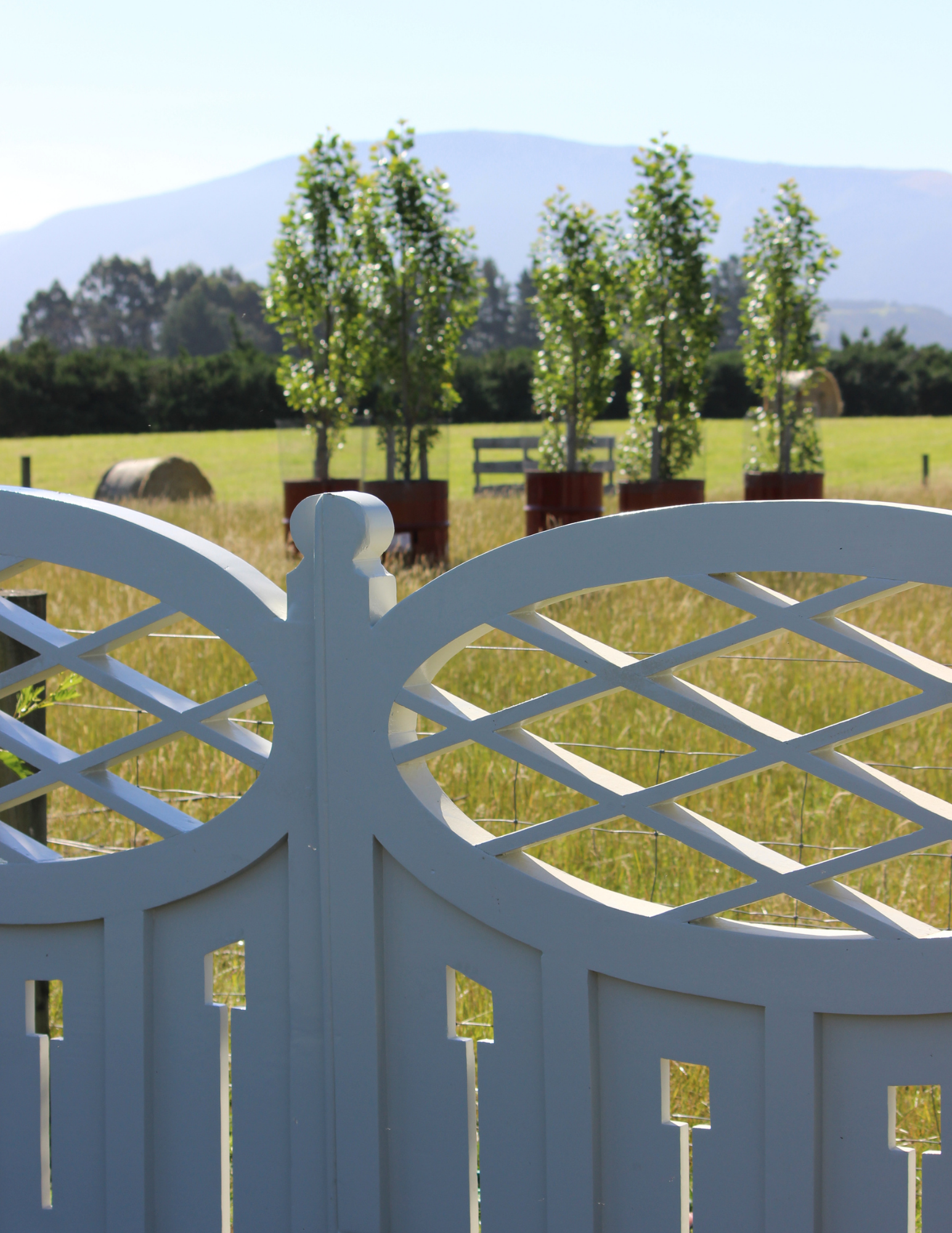
And then… there’s the other garden, or more accurately ‘the rest of the garden’.
The one with weeds currently as tall as me. I’m no giant, but a weed should never, under any circumstances, be making eye contact.
The one with entire zones I’ve optimistically labelled “under development,” which is code for “chaotic mess I’m pretending is part of a long-term vision.”
The one where the only thing growing quickly is my sense of guilt every time I walk past the thistles and say, “I’ll deal with you tomorrow,” for the 73rd tomorrow in a row.
I share pretty pictures on Instagram because sometimes I like to feel like I have my life together.
But today I’m showing you the reality. The bits that don’t make it onto the grid. The corners that would never get invited to a photoshoot unless it was titled ‘Gardens That Need Jesus.’
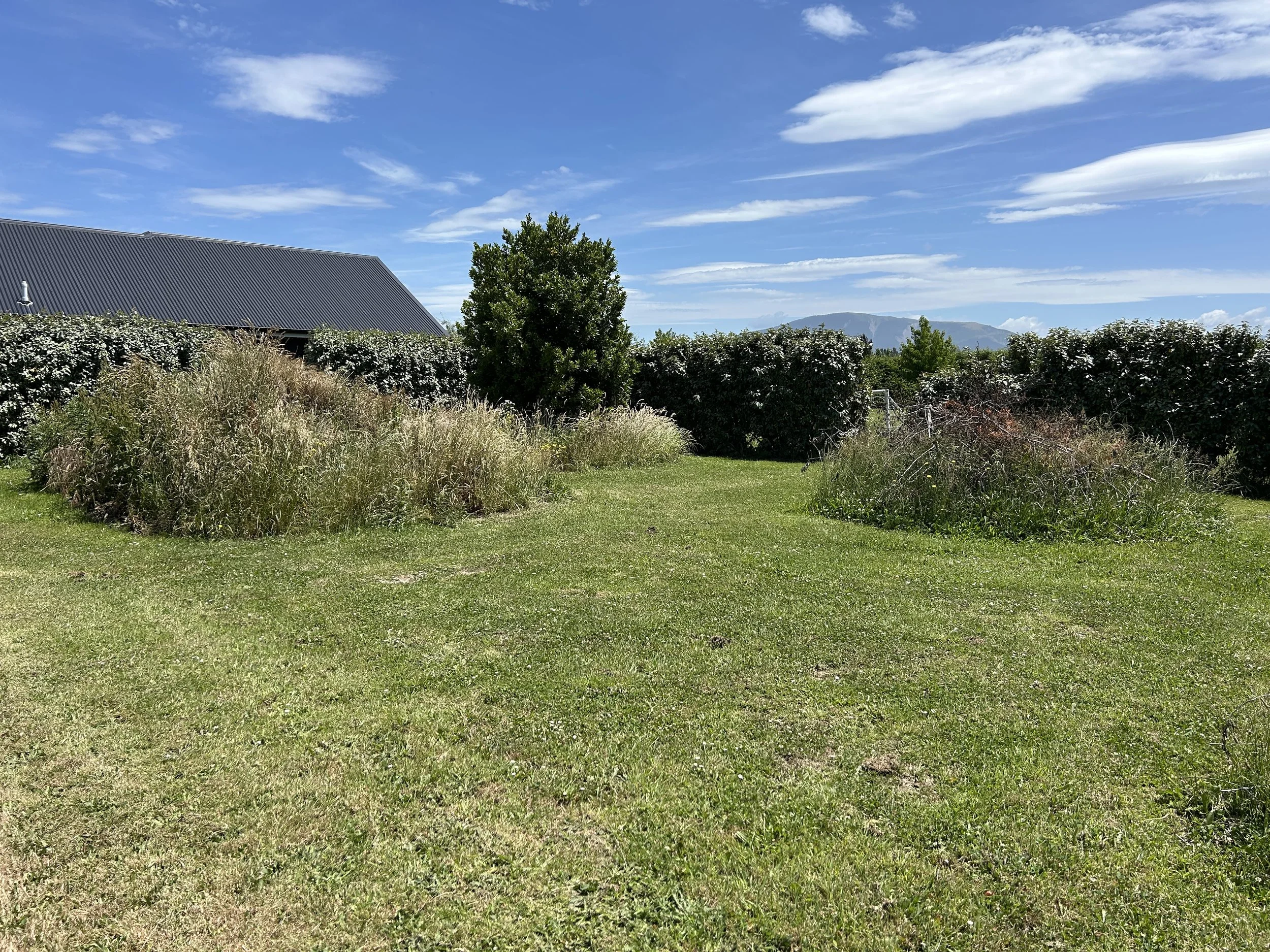
Take my future she-shed area, for example. In my imagination: a charming retreat with stained glass windows, beautiful landscaping, gravel paths, and enough whimsical charm to make passersby wonder if a friendly woodland witch lives there.
In reality: a patch of grass, a heap of branches waiting to be mulched, a mound of dirt currently specialising in growing docks, and a hedge so overgrown it could conceal a small herd of alpacas.
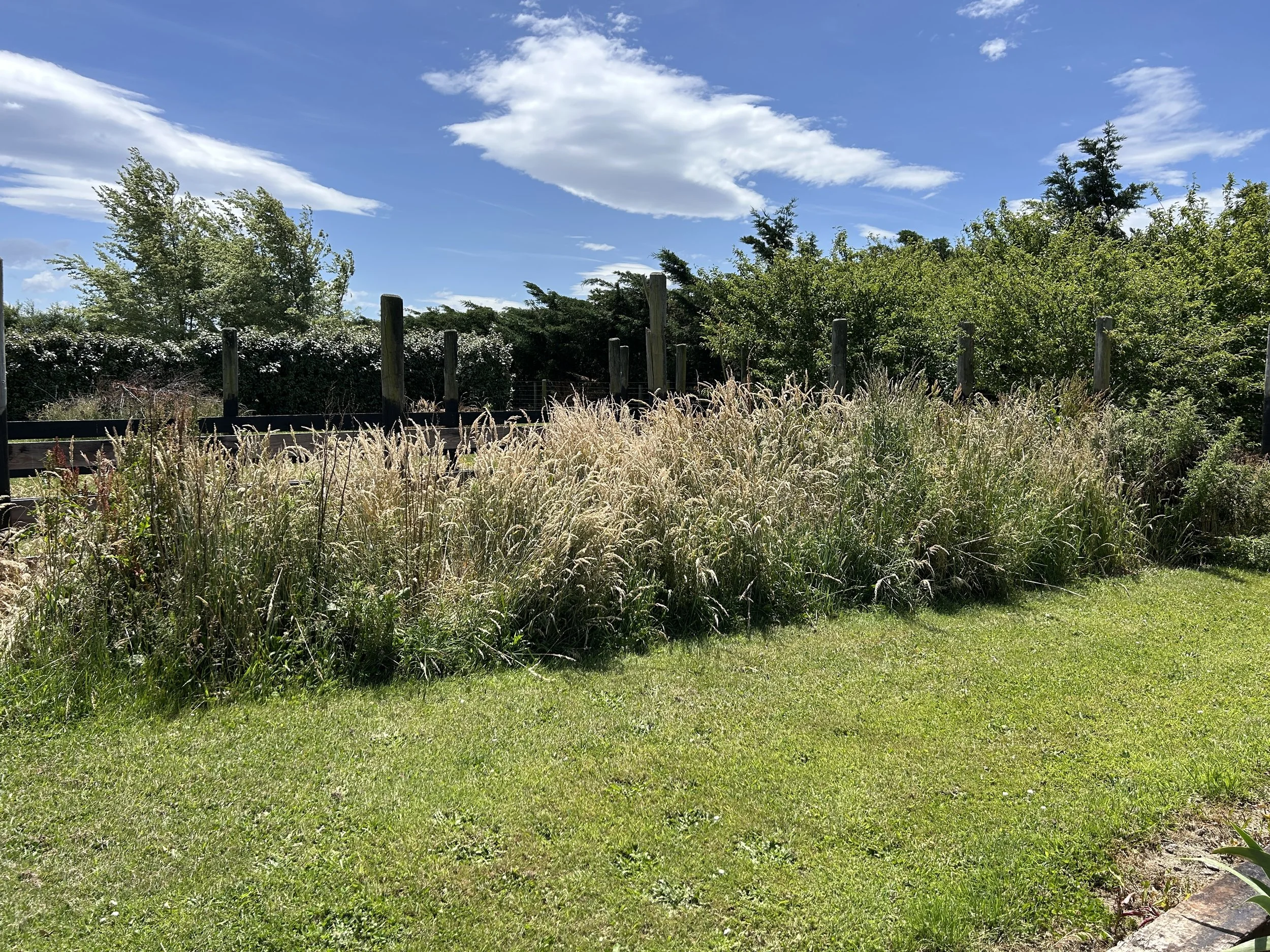
Then there’s my Cutting Garden, or rather, the place where a Cutting Garden will one day exist. Someday it will feature raised beds, neat gravel paths, and abundant flowers swaying romantically in the breeze.
Right now? It’s the set of The Walking Dead: Botanical Edition. Docks, dead things, thistles. It’s got a definite vibe, just not the one I want.
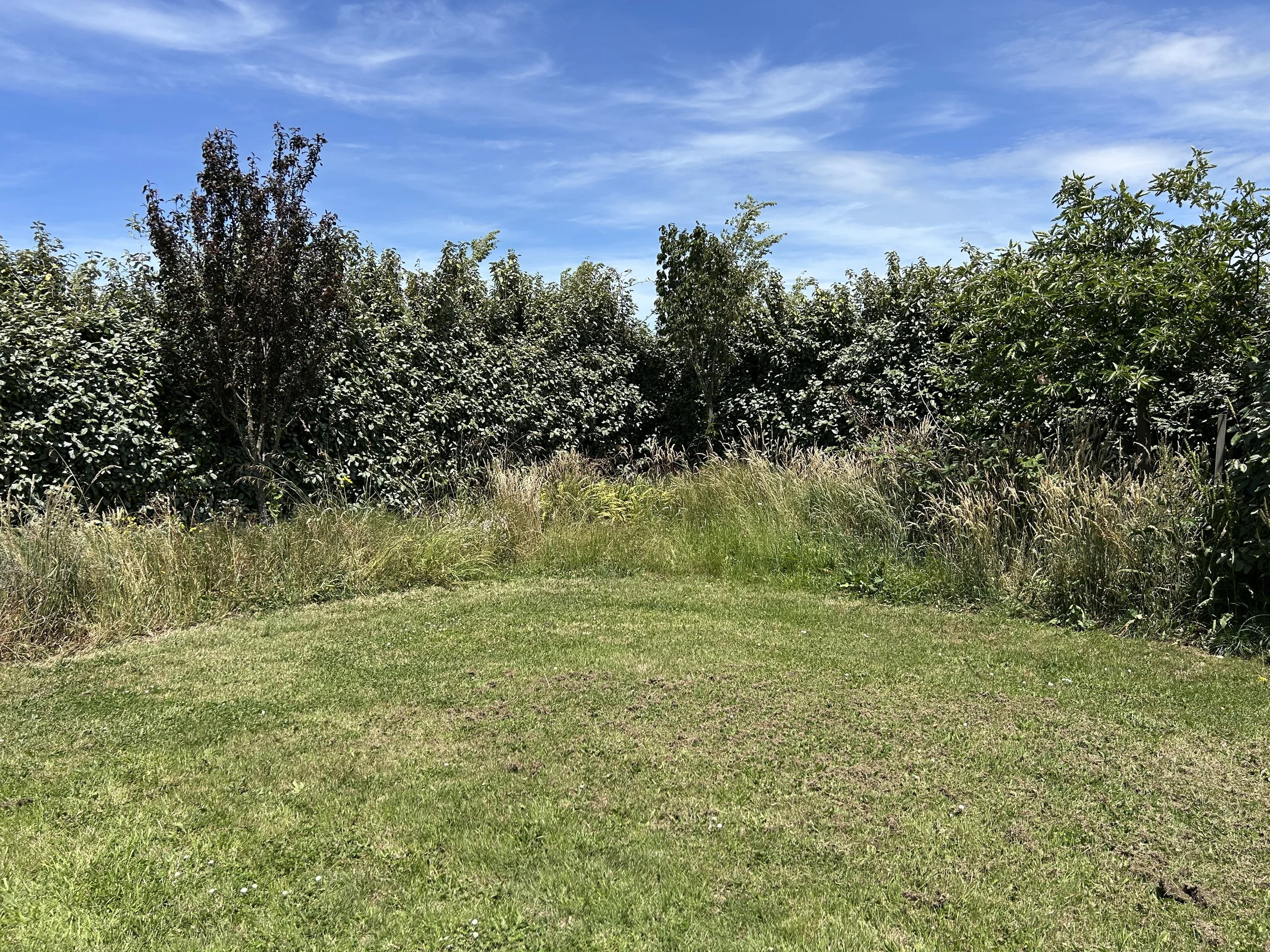
But here’s what keeps me going: once upon a time, another part of the garden looked exactly like this (photos below). Just a scrubby lawn we had to mow. Then one night, mid menopausal insomnia (which is nature’s way of giving gardeners more hours to plan things - if you’re a bloke reading this, then sorry, but you really missed out on that perk), I conjured up an entire landscape design. Got up the next morning, grabbed my tools, and started building it.
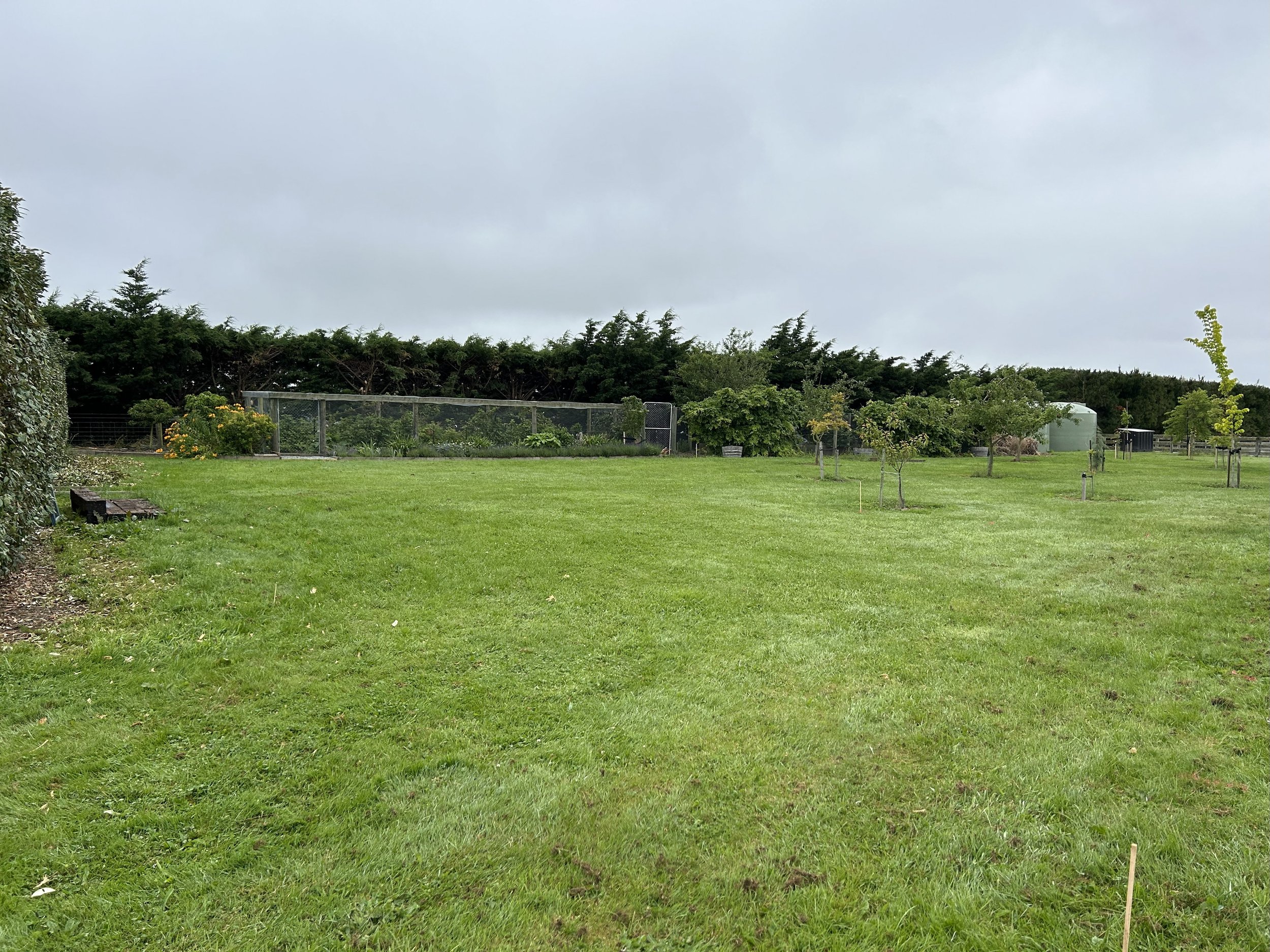
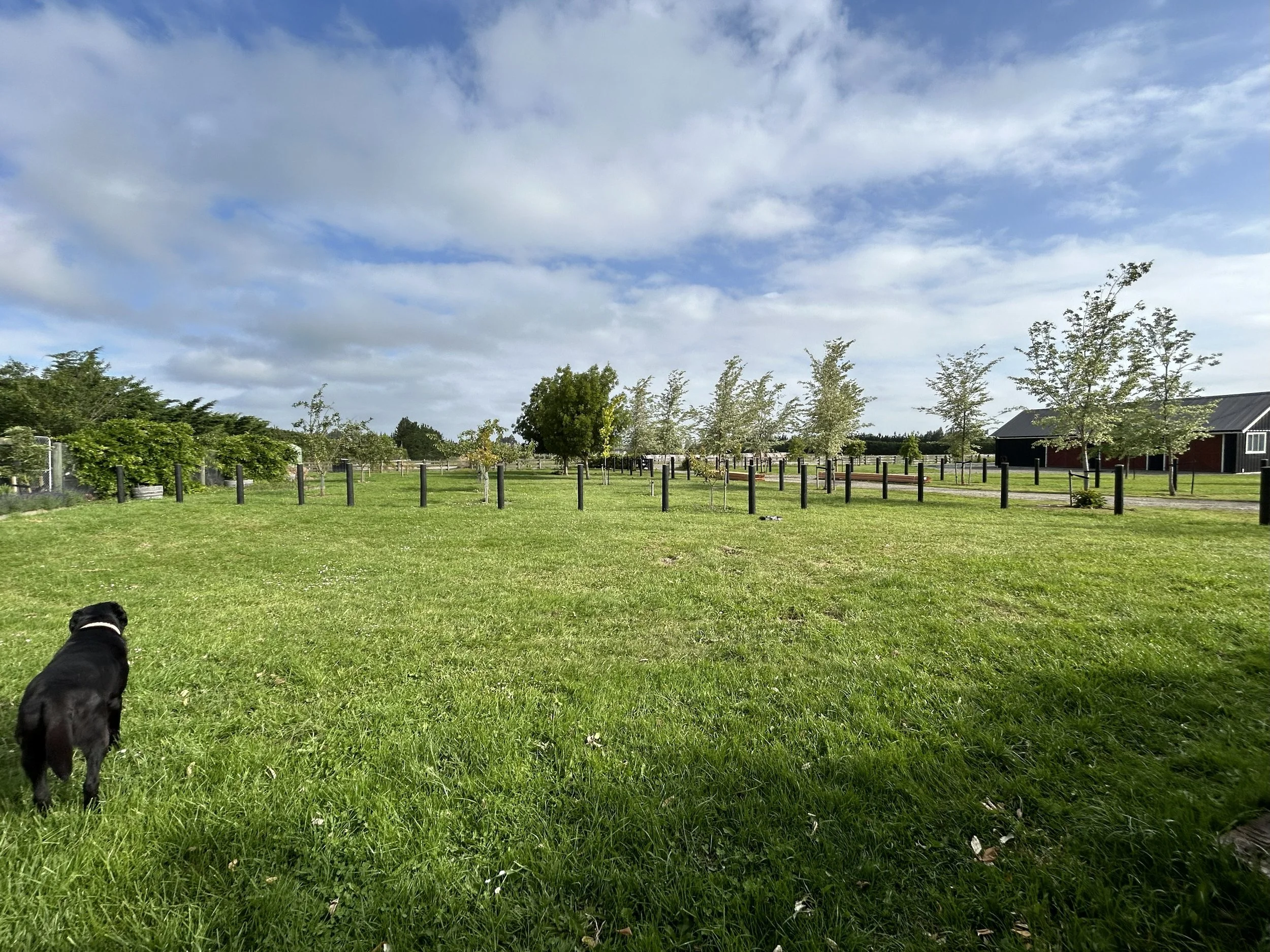
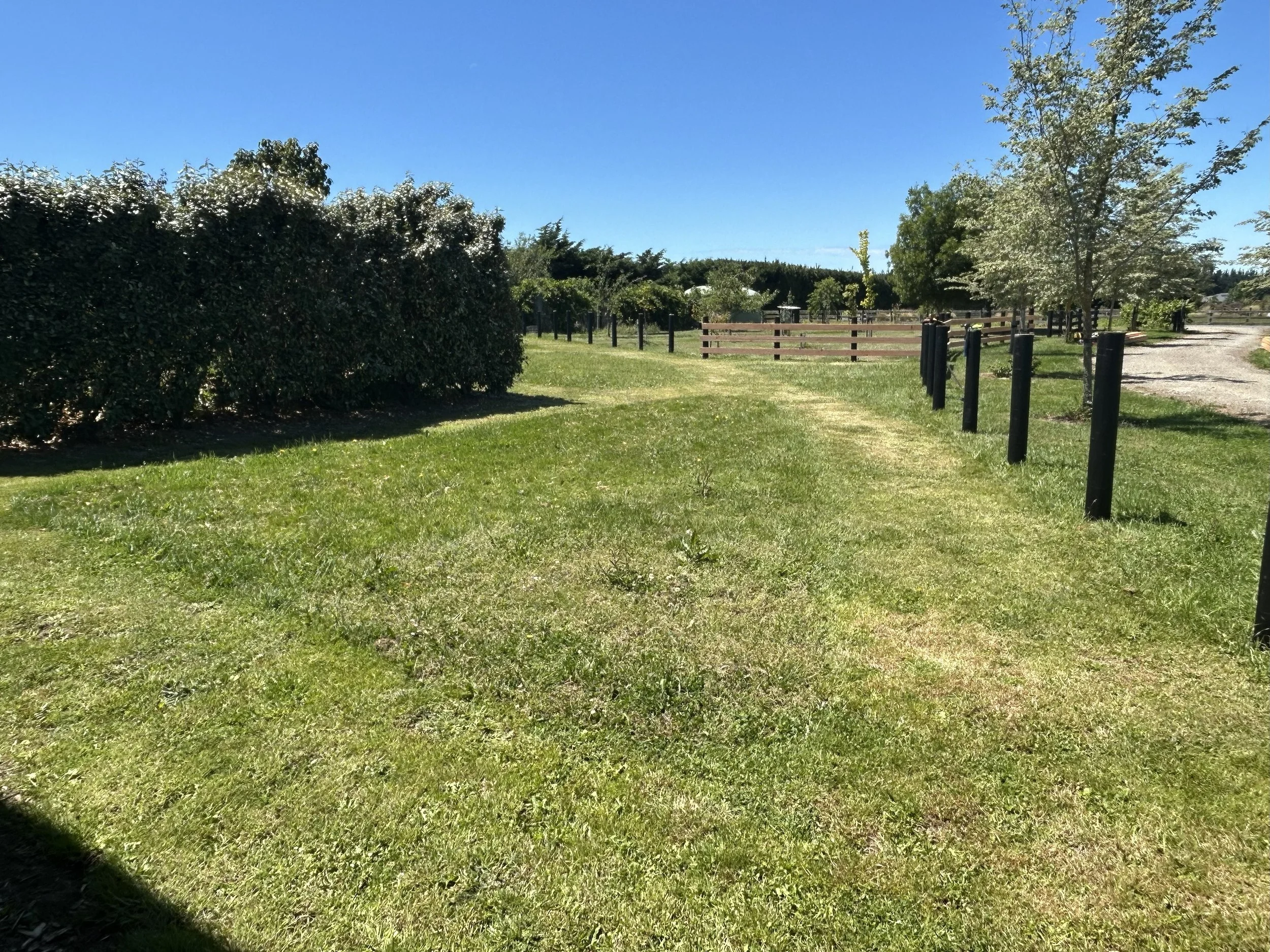
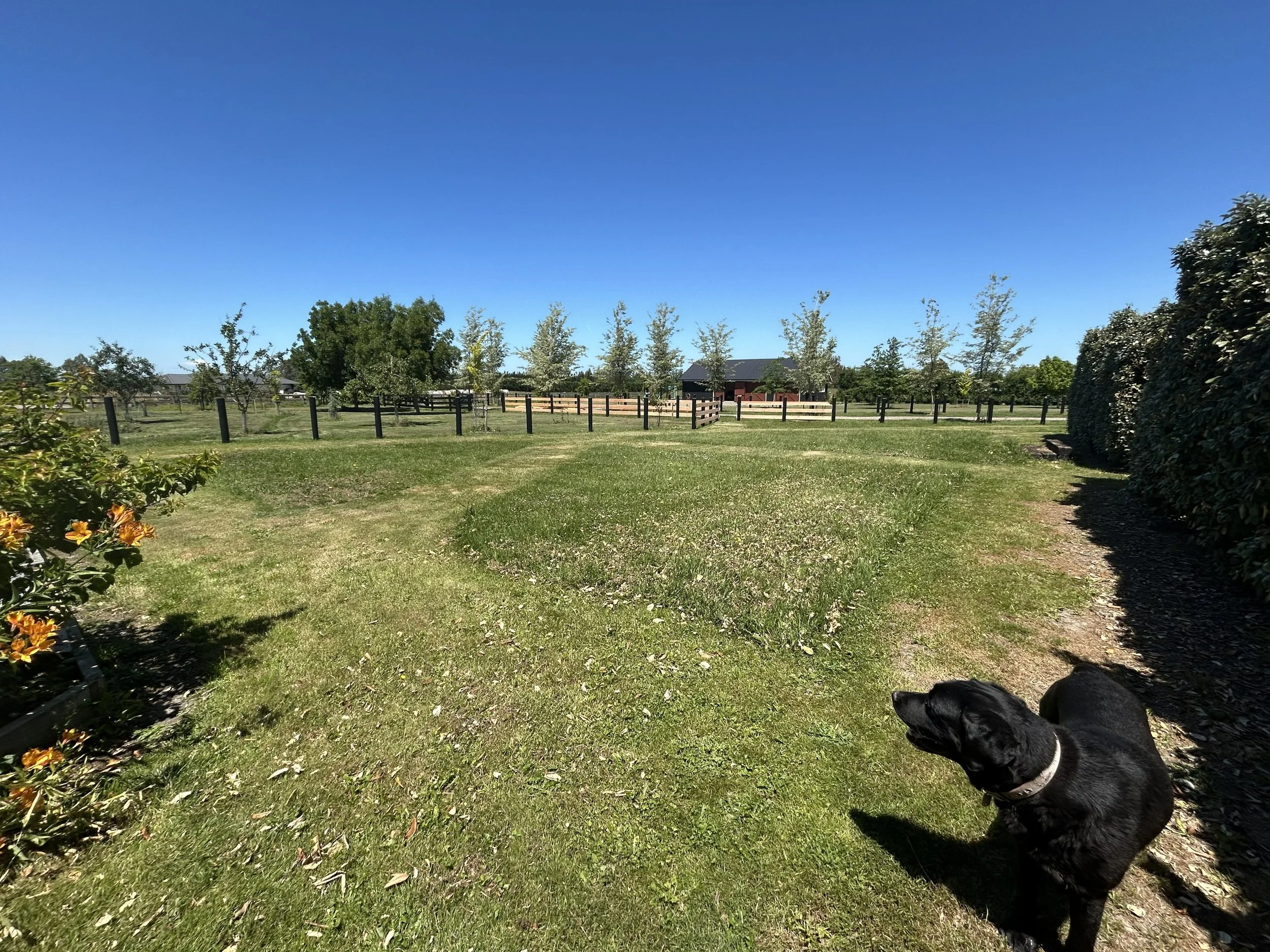
Photos: This is what it looked like a year ago.
And now? It’s still young, still filling in, still very much “in progress,” but worlds away from where it was a year ago. Give it a few more years and those shrubs will fill out, the paths will be nicely graveled, and it’ll look like I knew exactly what I was doing all along.
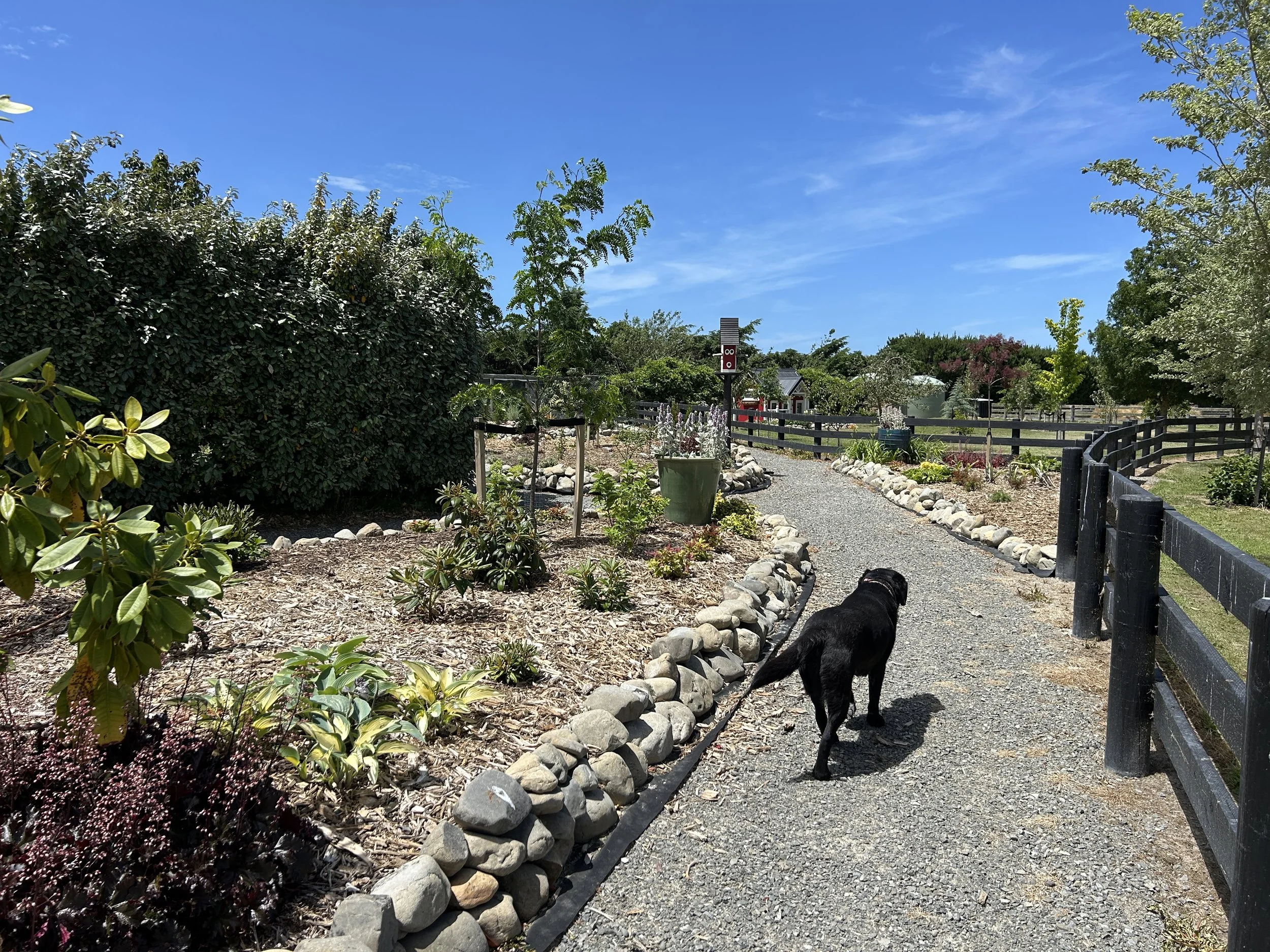
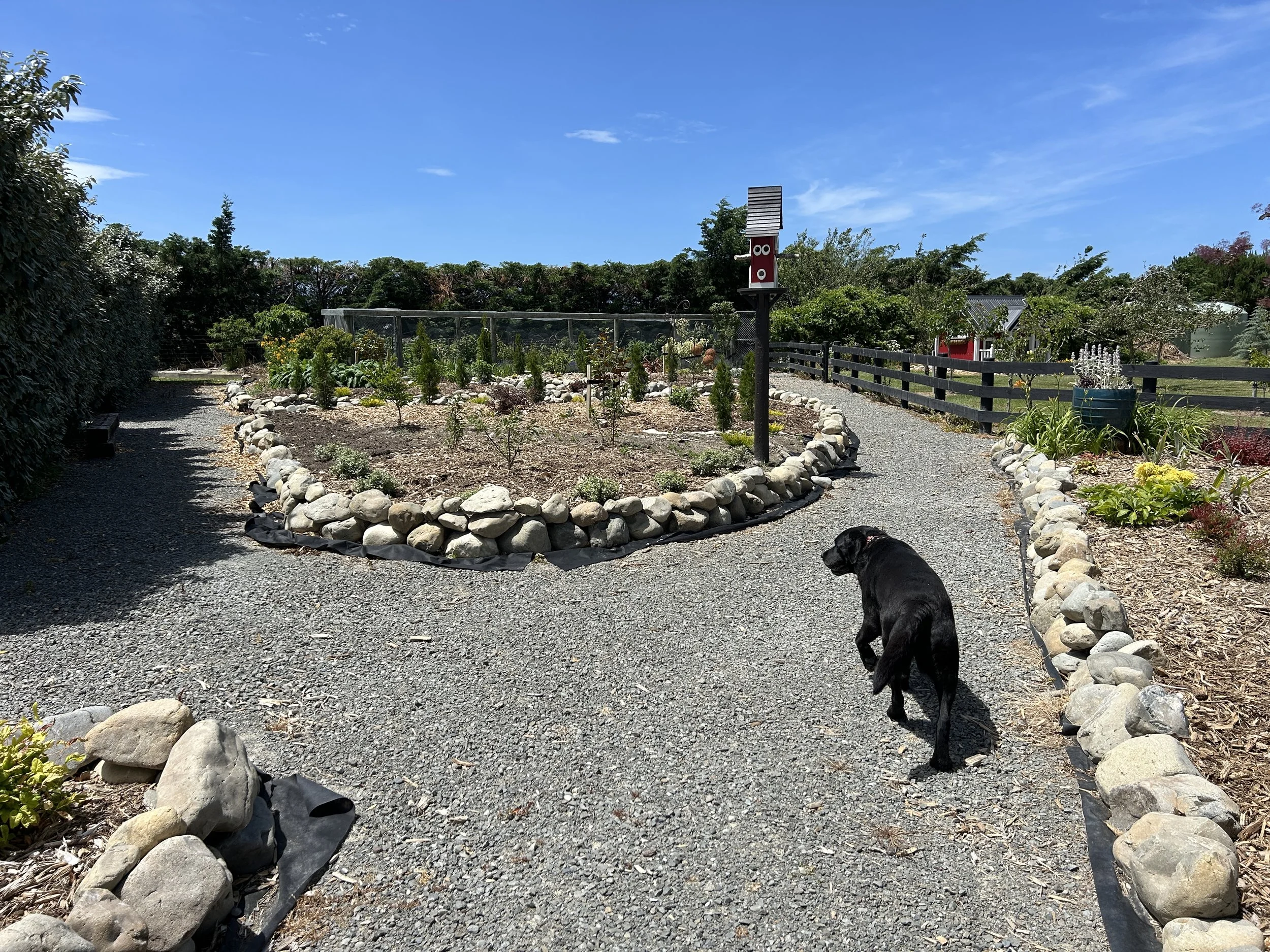
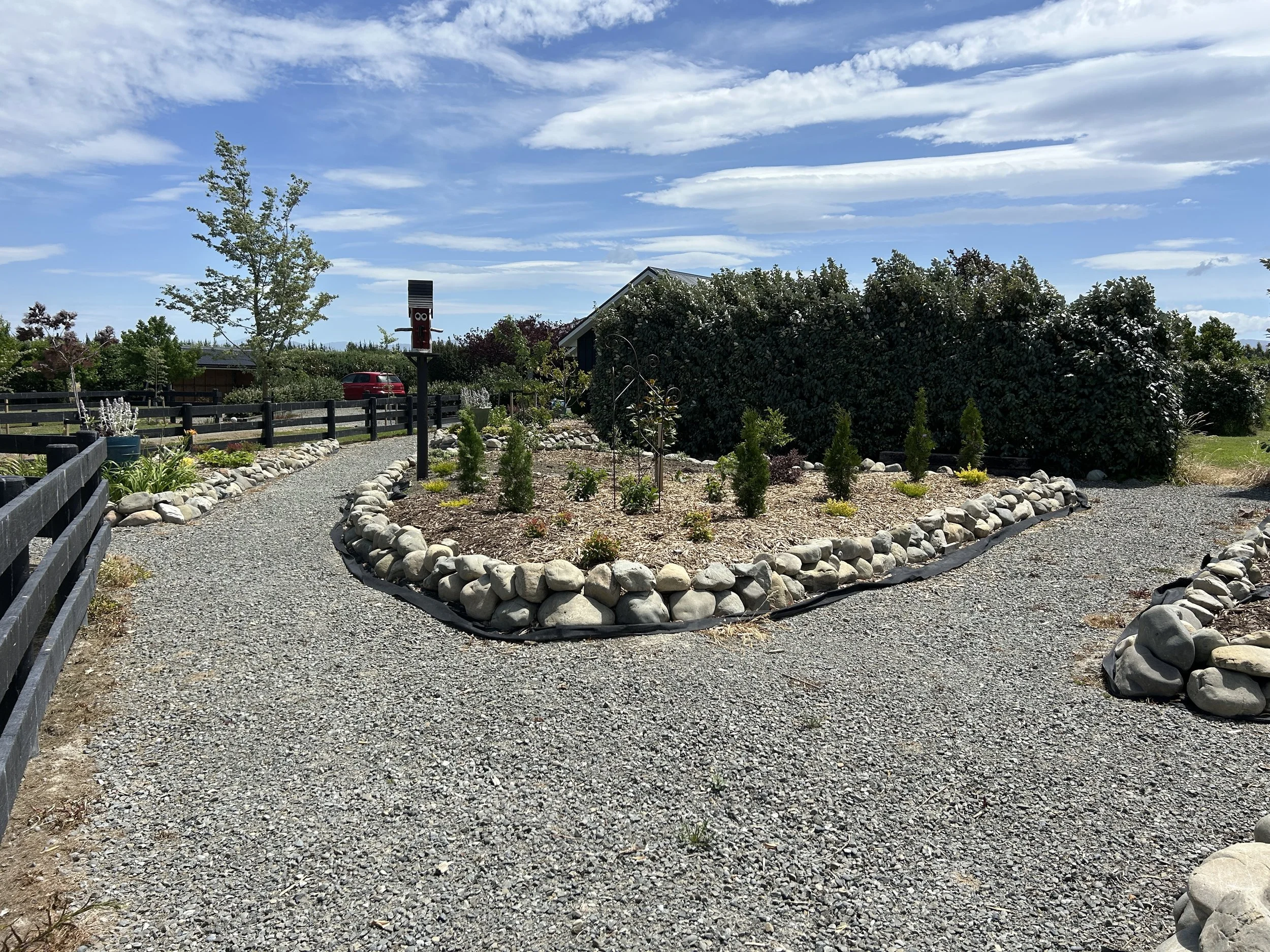
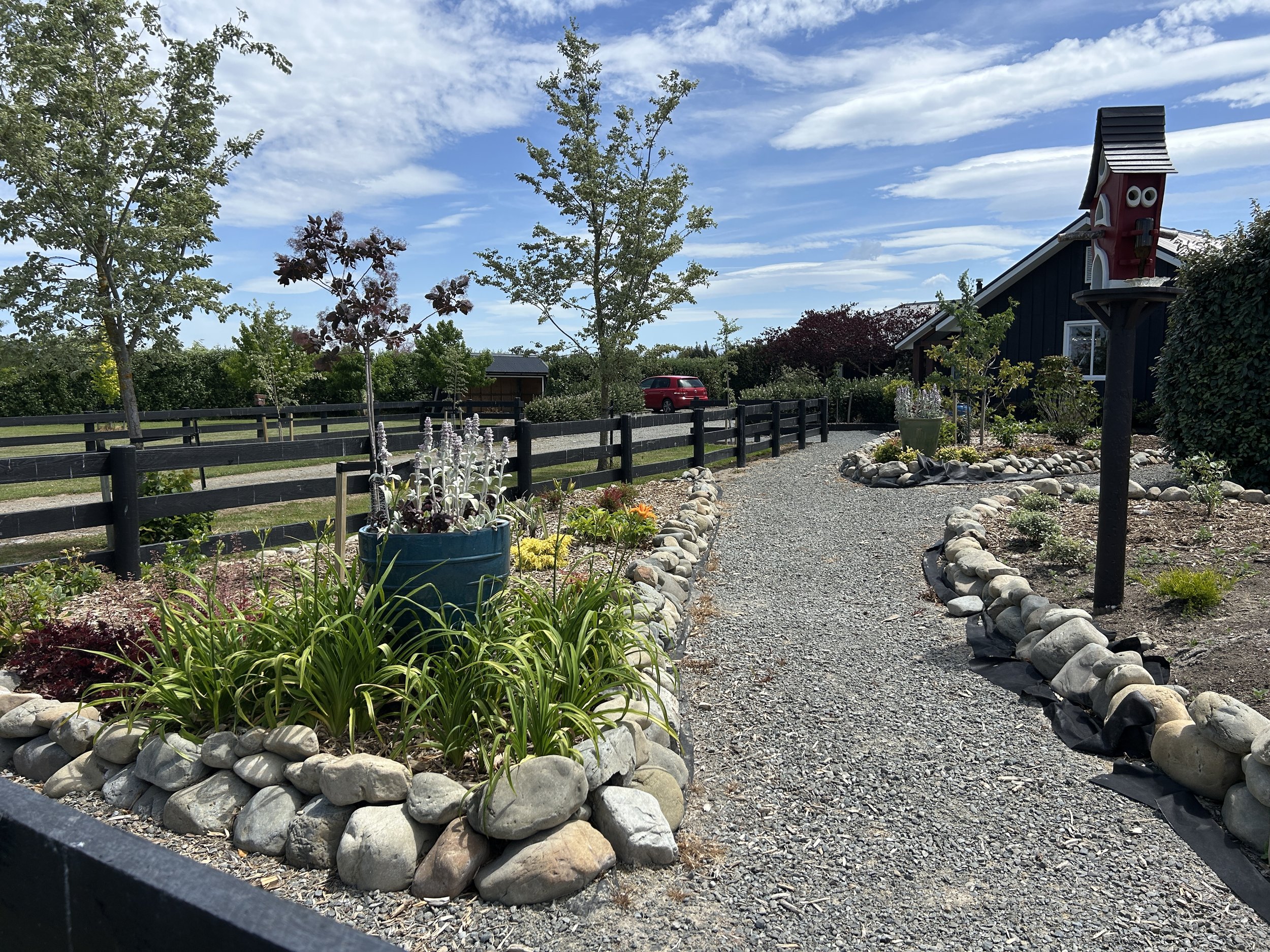
When I’ve completed this area of garden, I’ll be adding a deep-dive blog to my members-only page so you can see the development of it step by step, including all the materials used and the logistics of building it. There are already several deep-dive posts available on my members-only pages for the development of my perennial borders, secret garden, berry cage, and The Whitehouse (my greenhouse), so if you want all the details, consider joining:)
Transformation takes time.
Gardens take time.
And if they don’t, it’s because the gardener has either won the lottery or is the recipient of intergenerational wealth.
So yes, I’ve got my Instagrammable bits.
But I’ve also got my absolute sh*t bits and my ‘this is still a work in progress and looks pretty ragged’ bits. I just remind myself that all my other, now established beds, started the exact same way.
And that, my friends, is the Tale of Two Gardens. One that might convince you a visit to my place would be pure inspiration…and one that would immediately correct that assumption with equal parts horror, humour, and hope.
Did you know?
You can change certain varieties of a hydrangea’s color by altering the pH level of the soil. A more alkaline soil will result in pinker blooms, while more acidity will produce blue blooms. Adding more organic matter to your soil, like pine needles and coffee grounds can help make the soil more acidic and turn the flower’s color blue. This doesn’t happen overnight, but gradually over a period of time. Or you can buy fertilisers that help you create the pH you need depending on the colour you want. I tend to go with the flow. The colour is what the soil pH dictates. Note: white hydrangeas are not affected by soil pH.

What to do in the garden this week
🌏Northern Hemisphere
Prune dormant plants
Winter is a great time to prune many deciduous fruit trees (like apples and pears), currants, and gooseberries while they’re dormant.
Certain ornamentals (like grapevines, wisteria, and roses) can also be trimmed. Just check species-specific timing.
Plant bare-root trees & shrubs
If the soil isn’t frozen or waterlogged, January is ideal for planting bare-root fruit trees, roses, hedging plants, and other shrubs.
January is excellent for planning your vegetable garden layout and crop rotation before the season kicks in.
Order seeds and bulbs now so you’re ready when spring arrives.
Organise your gardening shed, wash pots and trays, clean greenhouse glass, and clear guttering or water butts.
In colder regions with snow or frozen ground you might not be able to work soil so focus more on planning, pruning, tool care, and indoor sowing.
In milder winter climates, you can directly sow some hardy crops outdoors and continue light bed preparation.
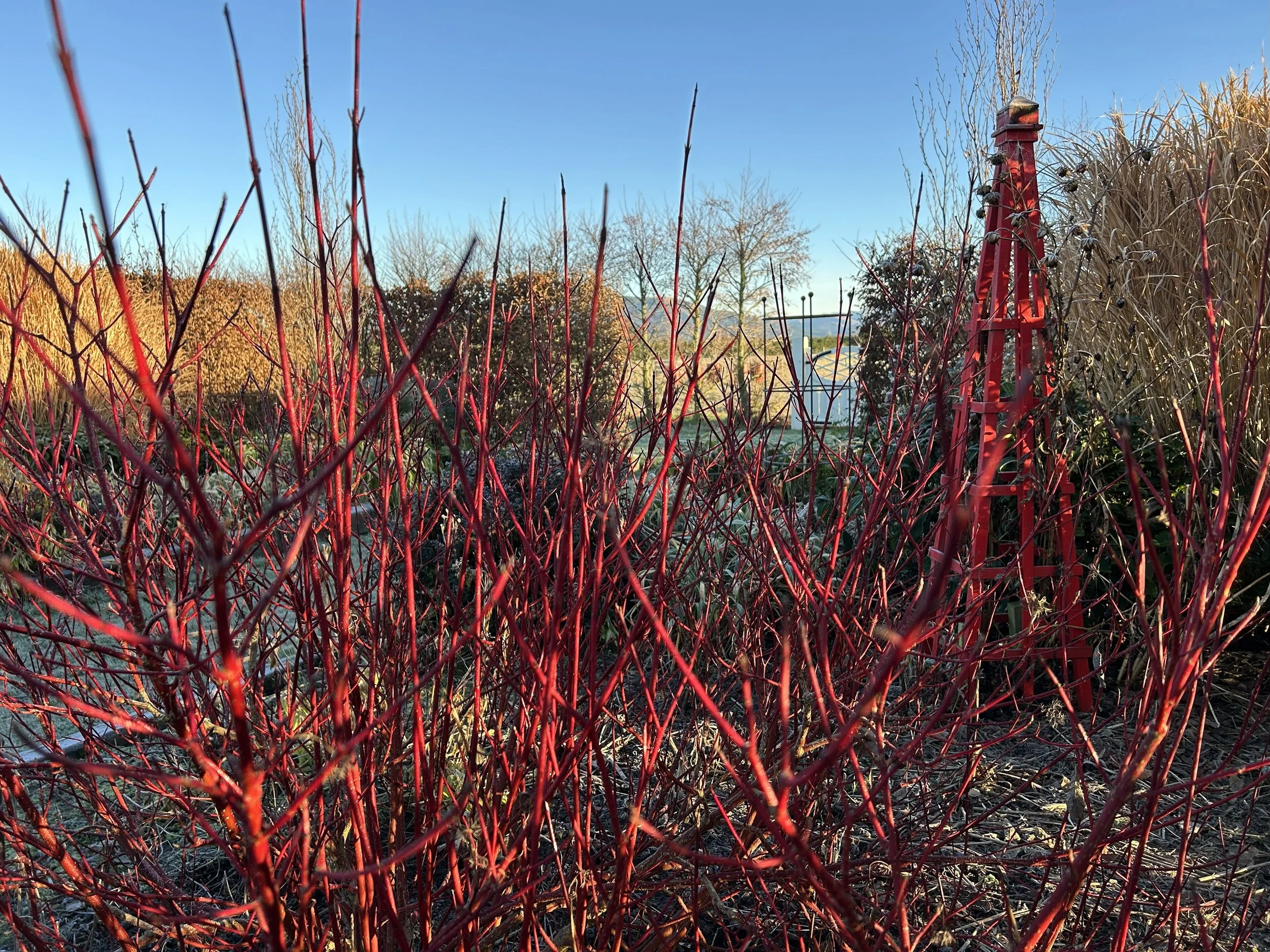
Photo: This photo shows my Cornus ‘Elegantissima’ (dogwood) in winter. It’s a large, deciduous shrub with variegated green/white foliage throughout spring, summer and autumn. But unlike many plants that have no winter interest, these dogwoods really shine due to their bright red stems. Cornus Alba ‘Siberica’ is another variety with red stems, but plain green foliage. Or if you’re more into yellow, you can get Cornus Sericea ‘Flaviramea’, which has bright yellowy green stems in winter.
🌍Southern Hemisphere
Succession sow fast crops like lettuce, rocket, radish, spring onions, beetroot and carrots. Small, regular sowings beat one big glut.
Fruiting crops (tomatoes, pumpkins, corn, cucumbers) benefit from regular feeding. Liquid feeds, compost tea, comfrey tea, worm juice, or seaweed tonics work well in summer.
Young seedlings and leafy greens may need shade cloth in very hot spells. Extreme heat can cause bolting, wilting, or sunburn.
Deadhead summer flowers to extend blooming.
Light summer pruning of shrubs can keep them tidy but avoid heavy pruning in peak heat.
As plants become heavy with fruit - such as tomatoes - make sure they’re well supported and add more support if necessary.
Pests thrive in warmer weather so keep a close eye on your garden.
Take note of what’s thriving and what isn’t - you may need to move some things around in autumn, so the plants have a better chance next year.

Photo: I’m having a very ‘hit and miss’ season with my dahlias this year. Some are thriving while others are being decimated by something that isn’t slugs, snails or earwigs (the usual culprits). I think it’s beetles, which I’ve never had to deal with before. Needless to say, some displays are fairly ruined, and I’ll be researching beetle-beating methods for next season!
What’s new on Behind the Garden Gate this week?
🪻Feature plant: This week I’ve written a deep-dive on lavender. They say it’s ‘easy care’….well, I’ve got a few things to say about that!
😦You know those days when….find out how I saved The Husband’s life one day.
📸Snapshot shed: inspirational photos to help you on your garden journey. Not sure what plants combine well together? You’ll find something useful in this gallery. Want ideas for plants you like the look of but need to know the name so you can find the same thing yourself? You’ll find plenty of that here:)
If you’d like to sign up to Behind the Garden Gate to access the growing library of plant knowledge, garden humour, cheat sheets and even how to monetise your garden, open this newsletter fully by clicking the link at the bottom of the email. It’ll show a sign-up button right below this sentence. Anyone who signs up using an annual membership gets a free copy of my design guide emailed within 24 hours. Or if you’re not sure and just want to try it out, it’s $5/month and you can cancel anytime. So have a look and see if it’s for you. No obligation to continue, and no Dear John letters required if you want to opt out.
Did you see this on Insta?
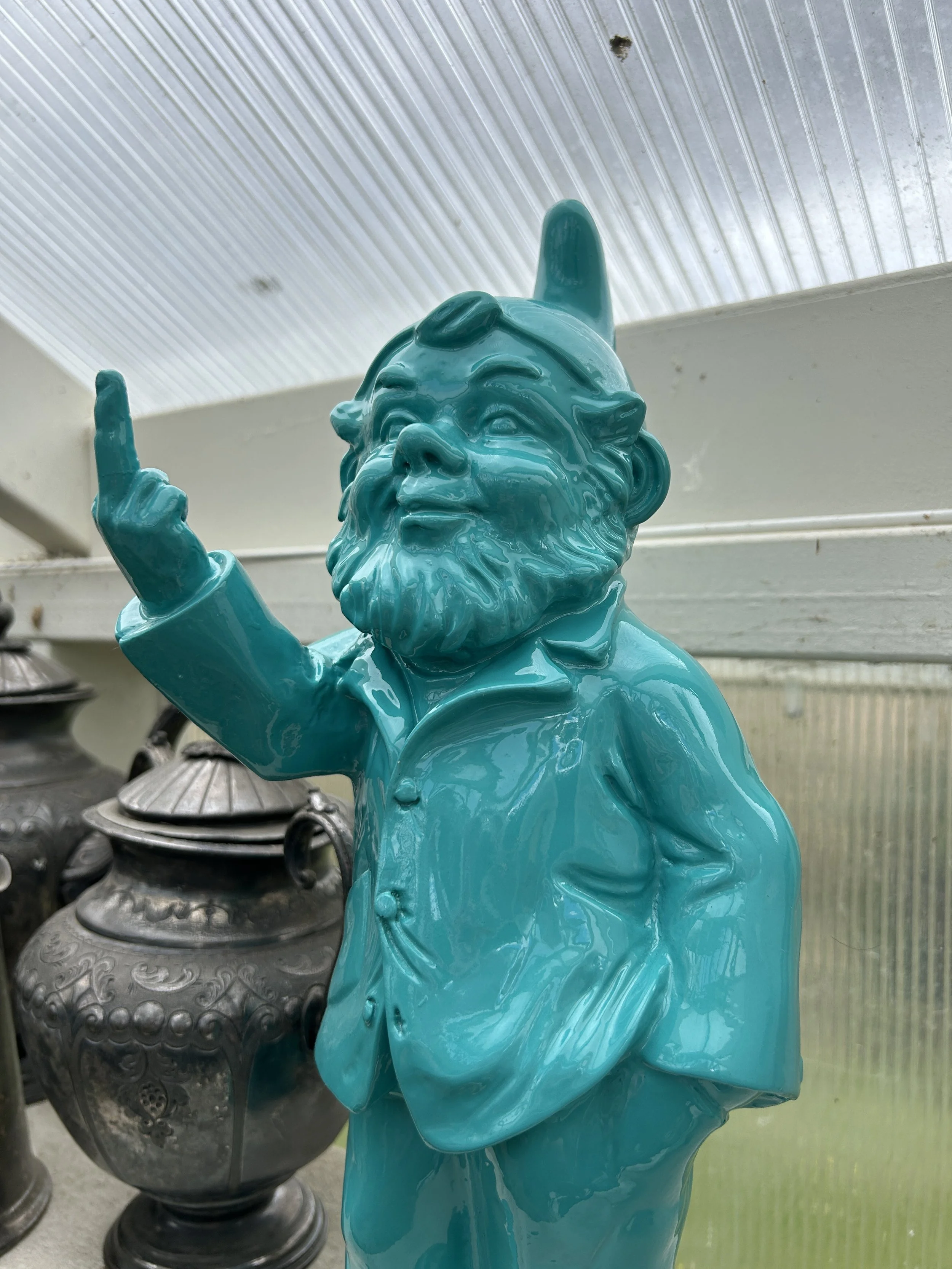
I’m not a fan of gnomes. I vowed I’d never get one. So what did I do? I got one. But he’s different. He’s got attitude. And he seems to get me. I’m going to set him up in front of my dahlias just so they get the message for next season that they’ve not chinned the bar this year performance-wise. I’m sure they’ll take the hint and do better next year.