To gnome or not to gnome
Hi there,
First things first – a big, warm welcome to all the new subscribers! I’m thrilled you’re here, and I promise to keep the gardening chatter coming, with the lofty goals of keeping gardening real, inspiring you to give it a go, and helping you to realise that no one’s garden is perfect, not even for those of us who’ve been doing it for decades.
Garden design
There are a million tips and tricks out there for creating a garden that really wows. But if I had to pick the one thing that matters most… drumroll, please… your garden should be all about you. Yep. Your quirks, your personality, your style (even if that includes a gnome). Forget what everyone else is doing (unless it’s ridiculously clever, in which case maybe steal that idea).
All the fancy planting combos, clever layouts, and design hacks? They’re tools, not rules. The magic happens when your garden feels like an extension of you. For me, that usually means a fair bit of garden art. Some stylish, some whimsical, some cheap, and some… well, let’s just say they cost more than a fancy coffee habit. But the point is, it’s me, and it makes me happy.
There’s something for everyone, no matter your budget. DIY it, grab it from a garden centre, or splurge on that thing you’ve been eyeing for months. Your garden will enhance it, and it will enhance your garden.
I’ve attached a few photos of the pieces I love in my garden. They might not all be your style, and that’s fine, but hopefully they’ll spark some ideas. Remember….a garden isn’t just plants, it’s personality. Yours should shine through.
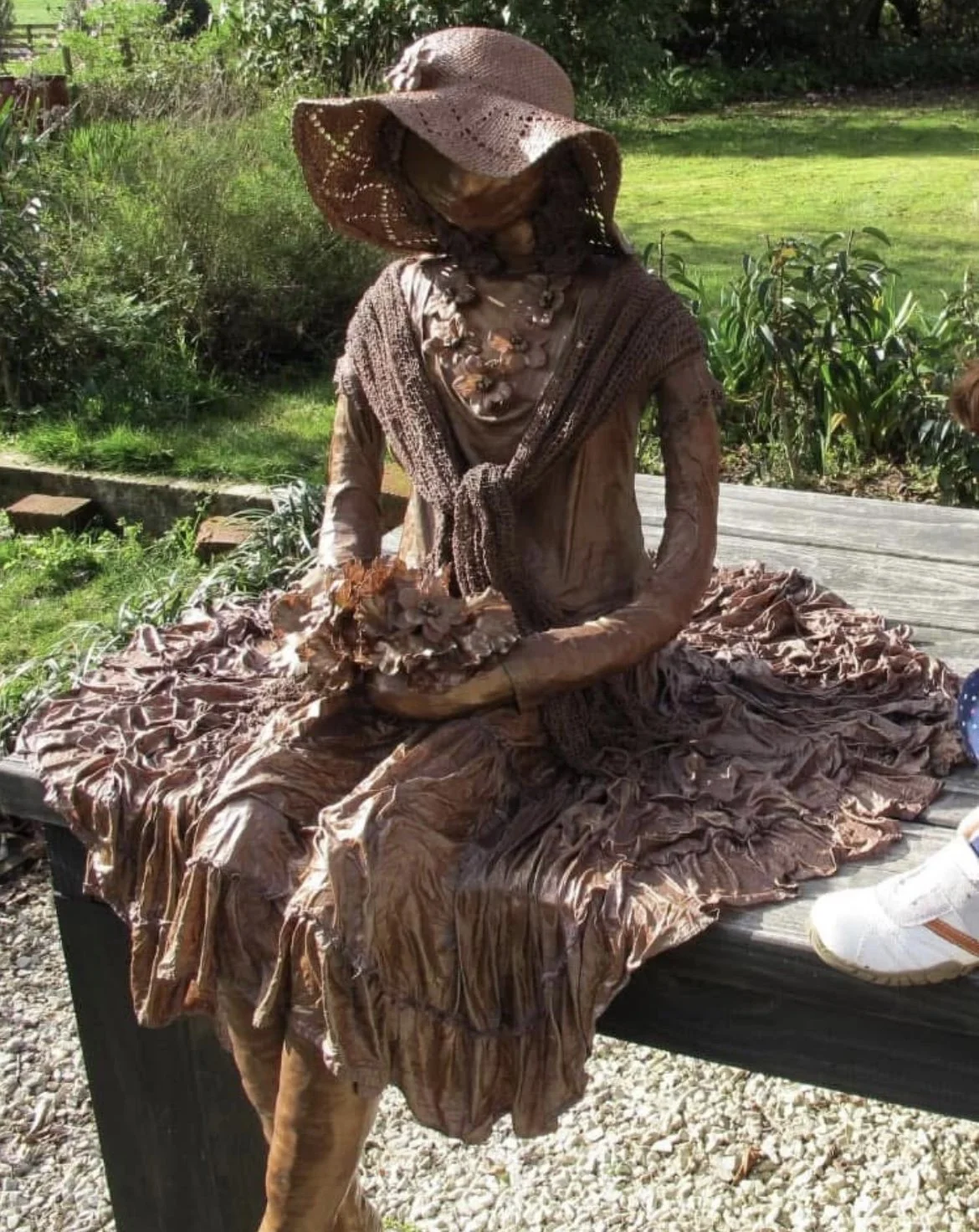
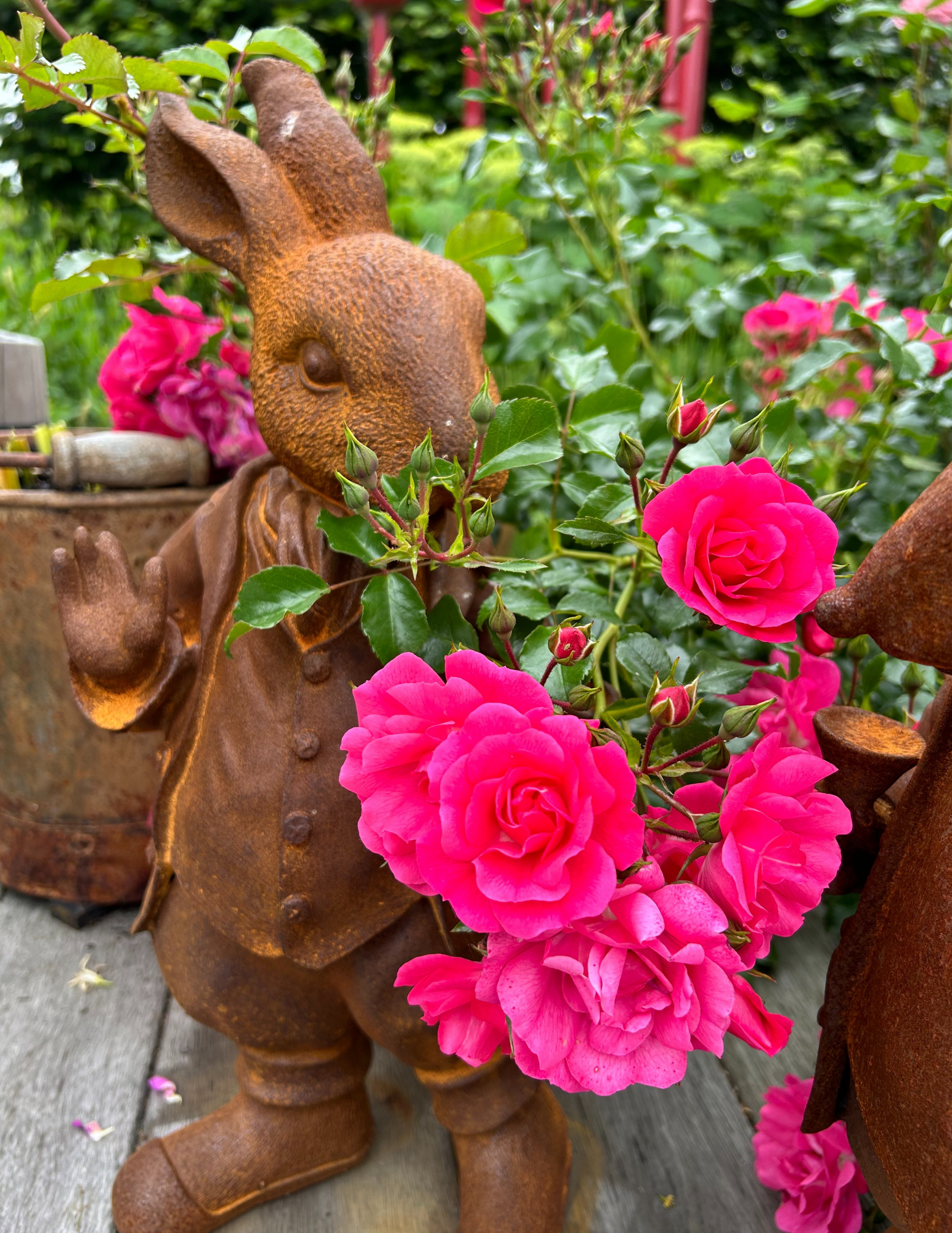
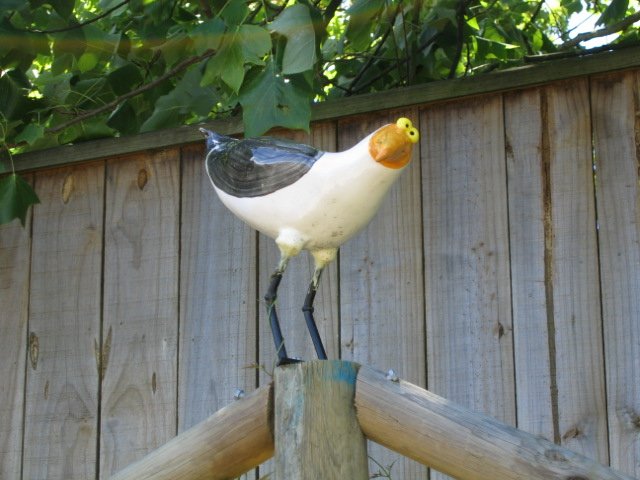
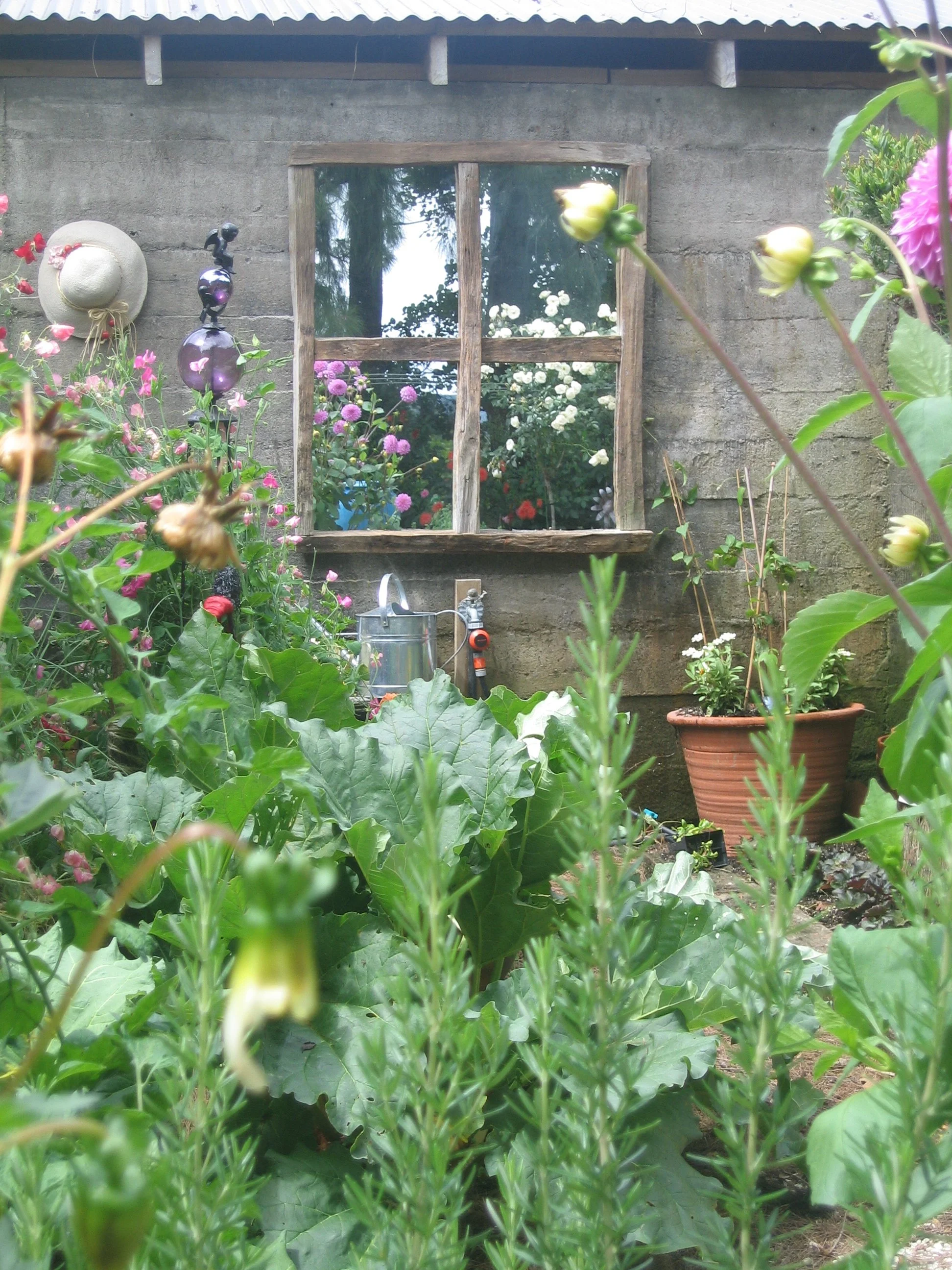
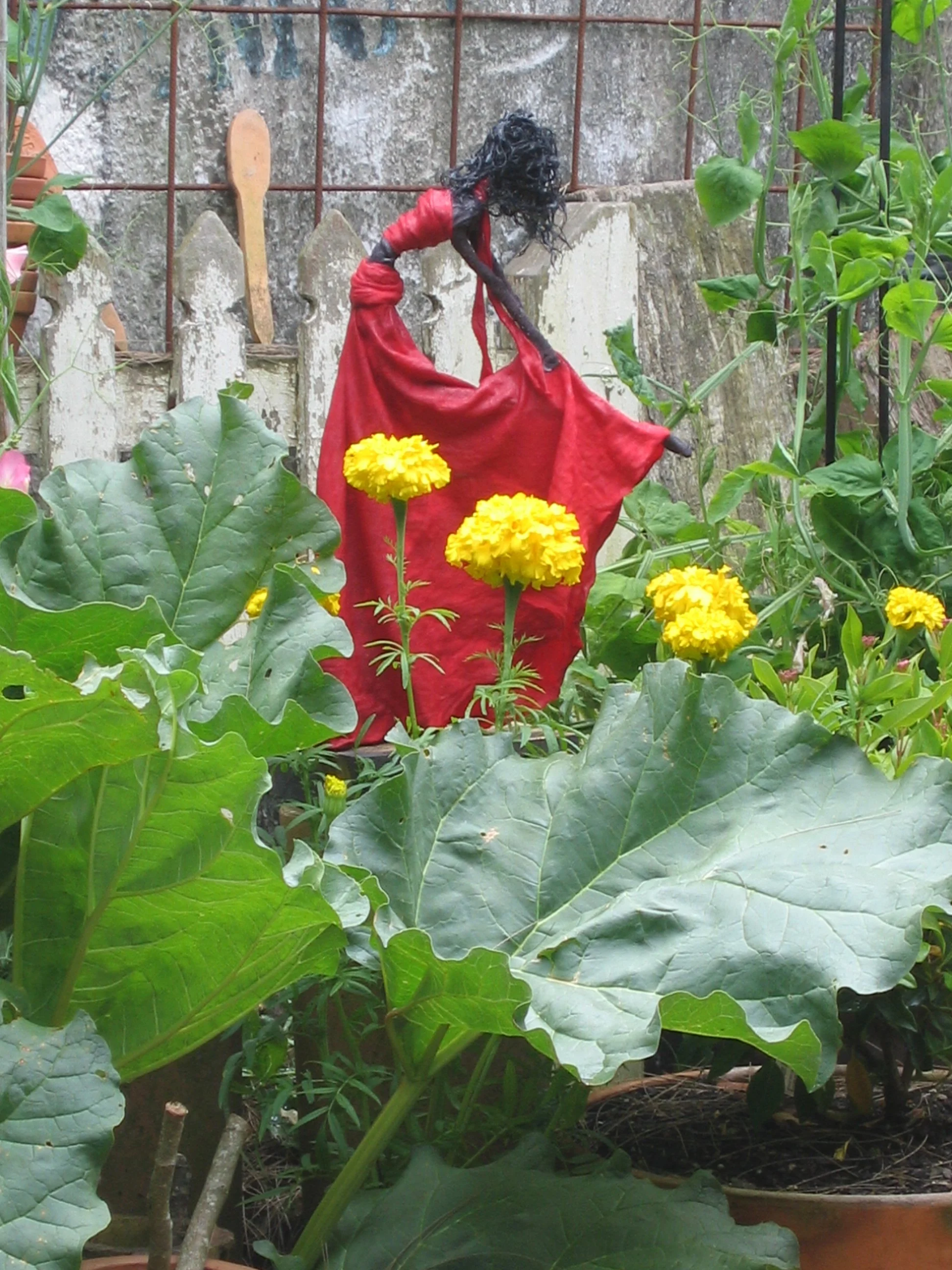




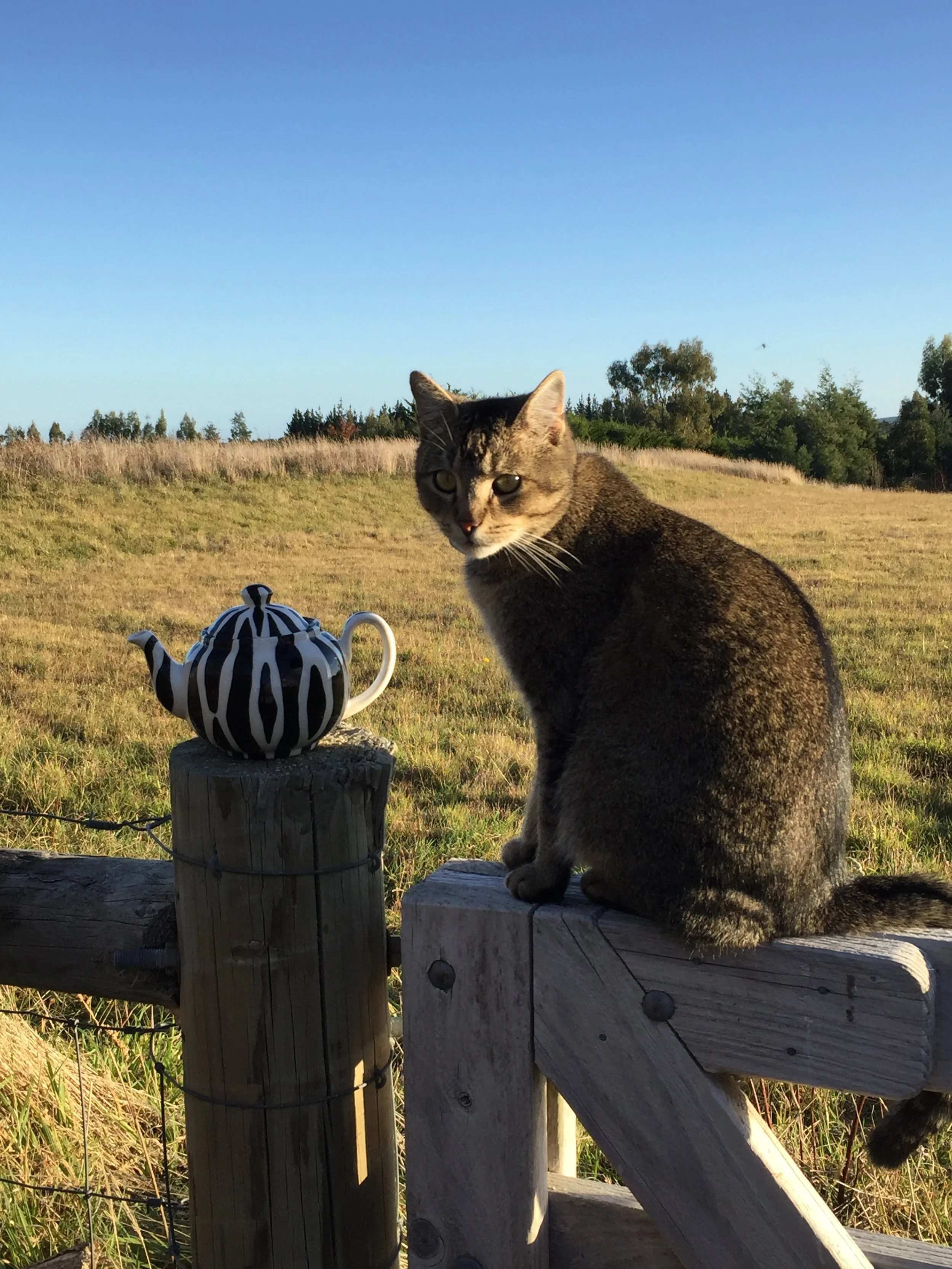

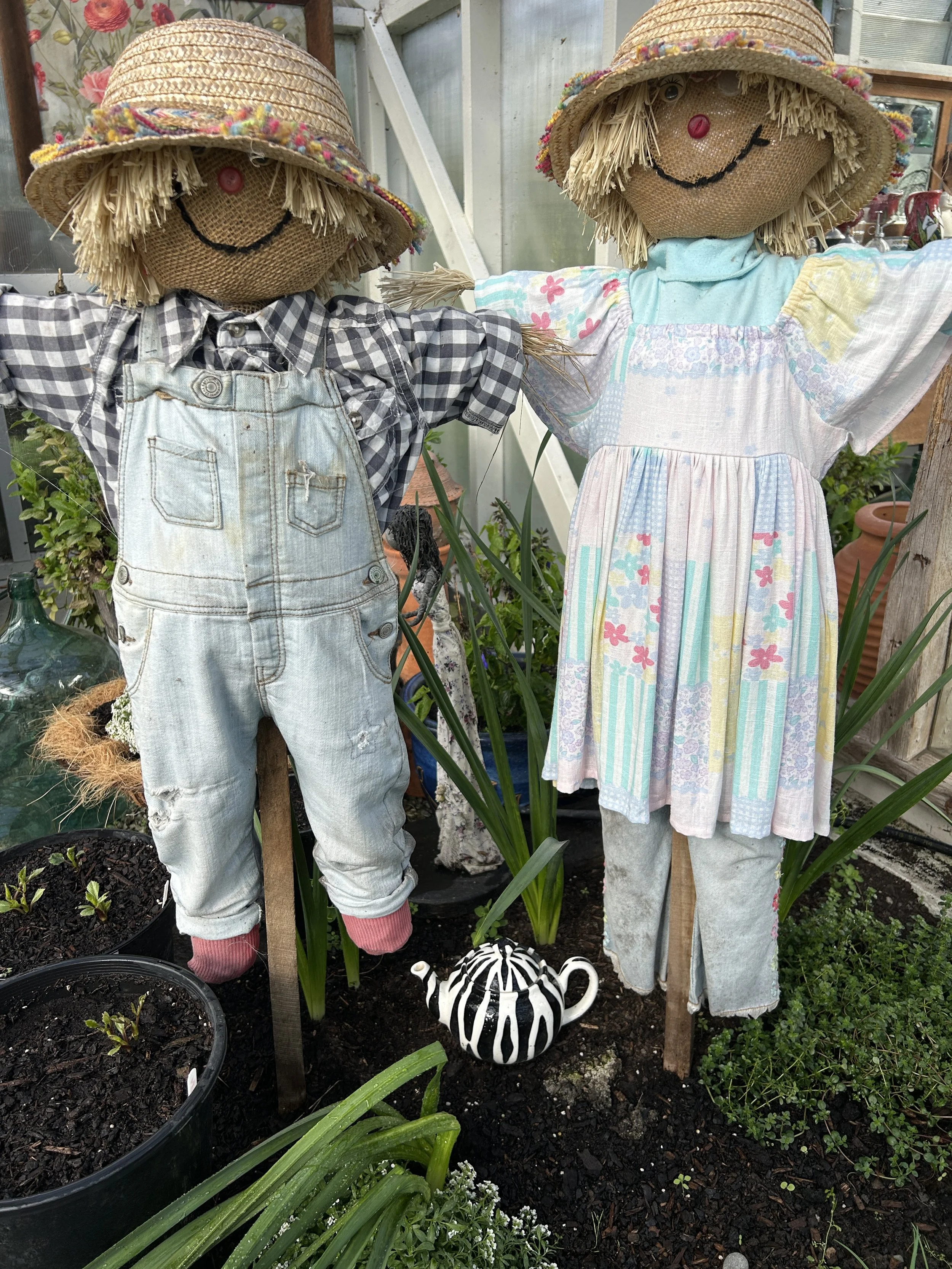
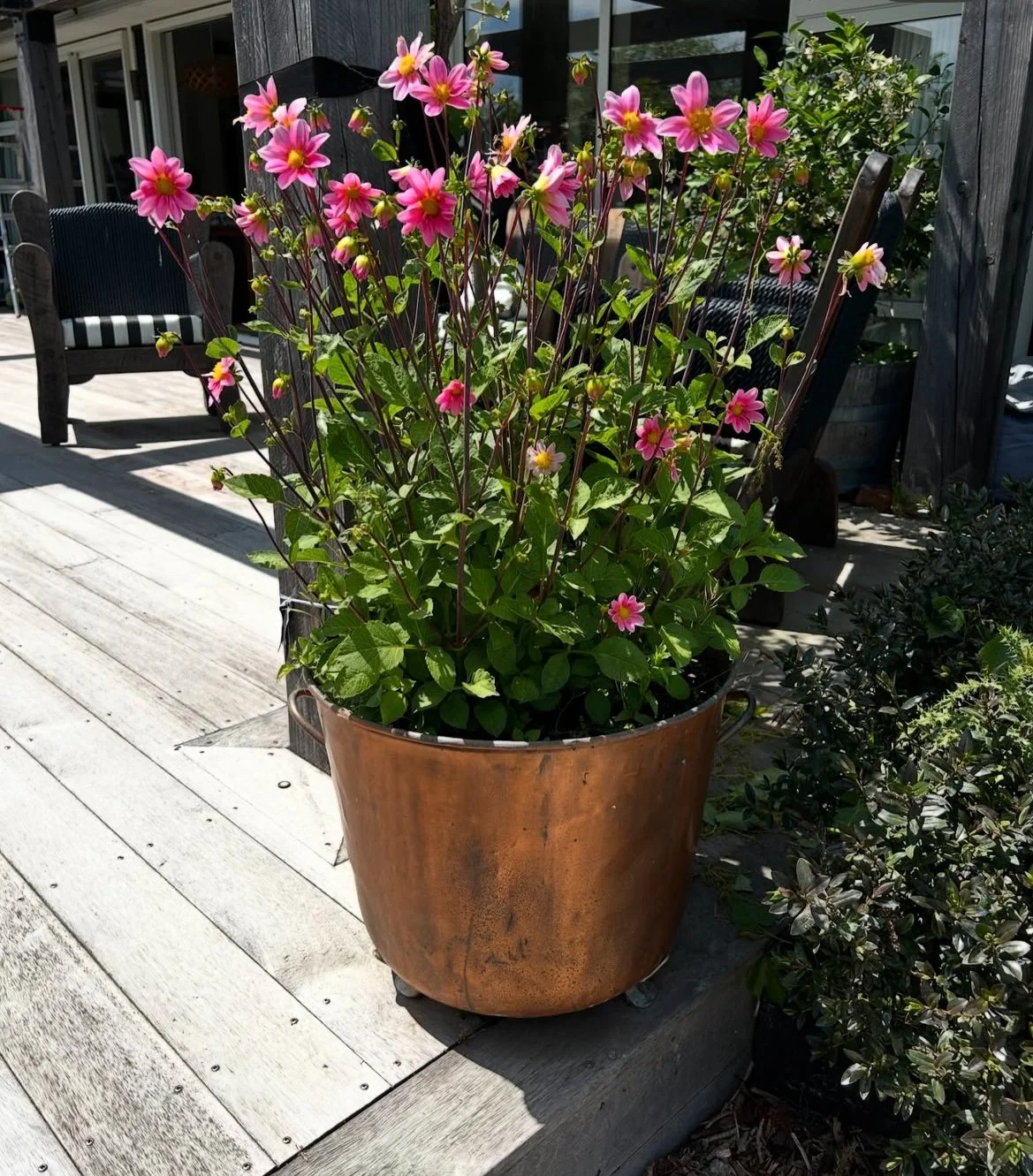
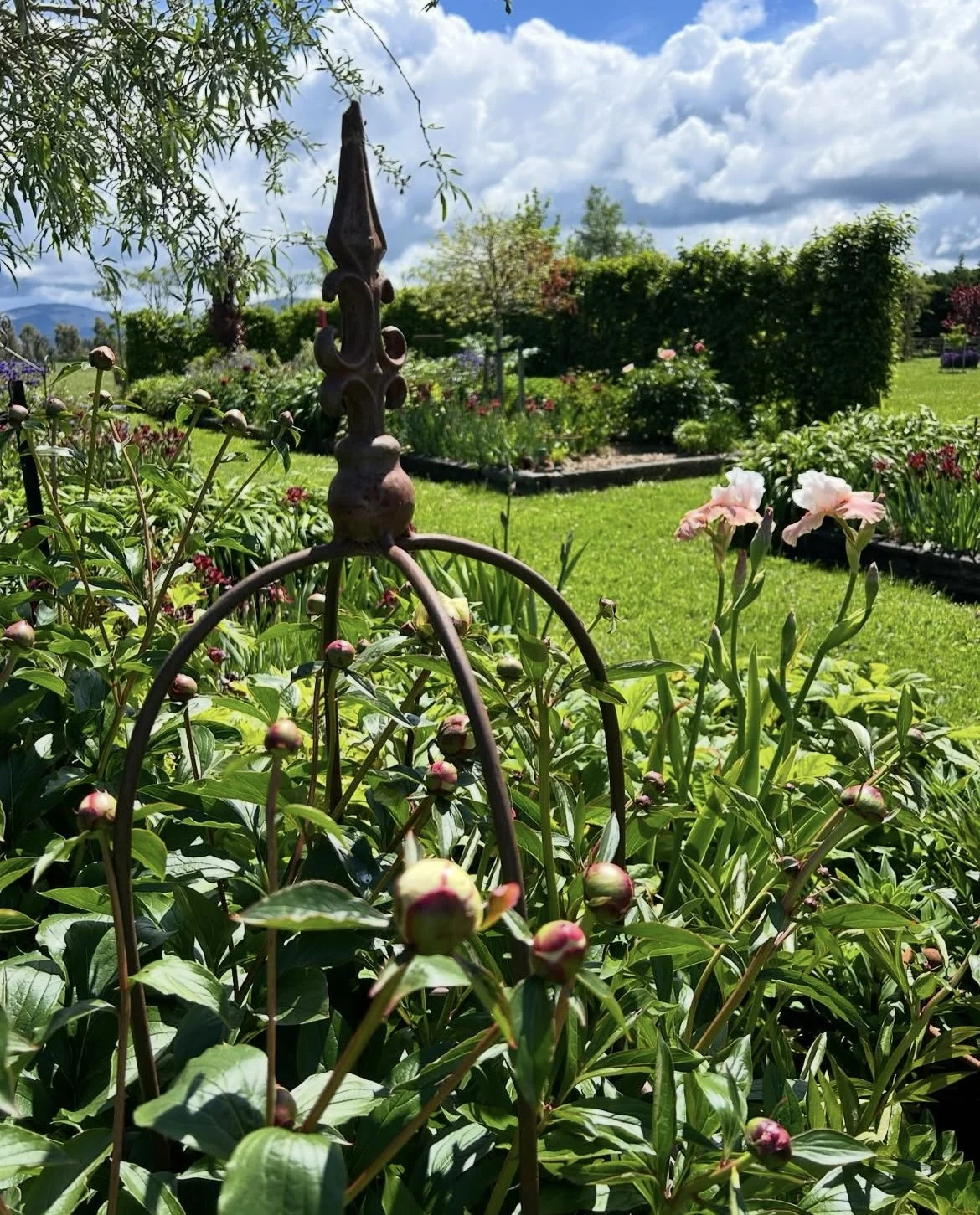
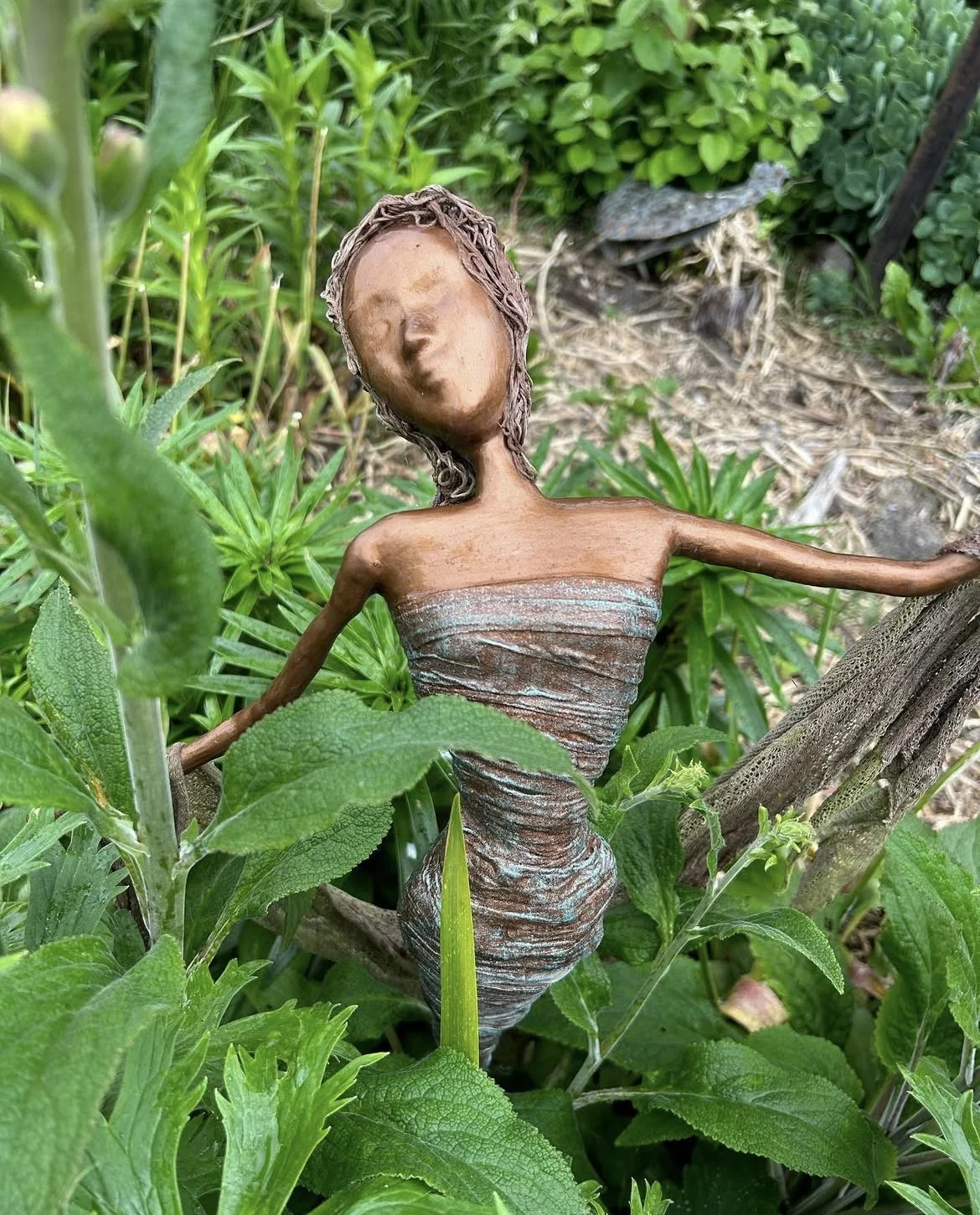
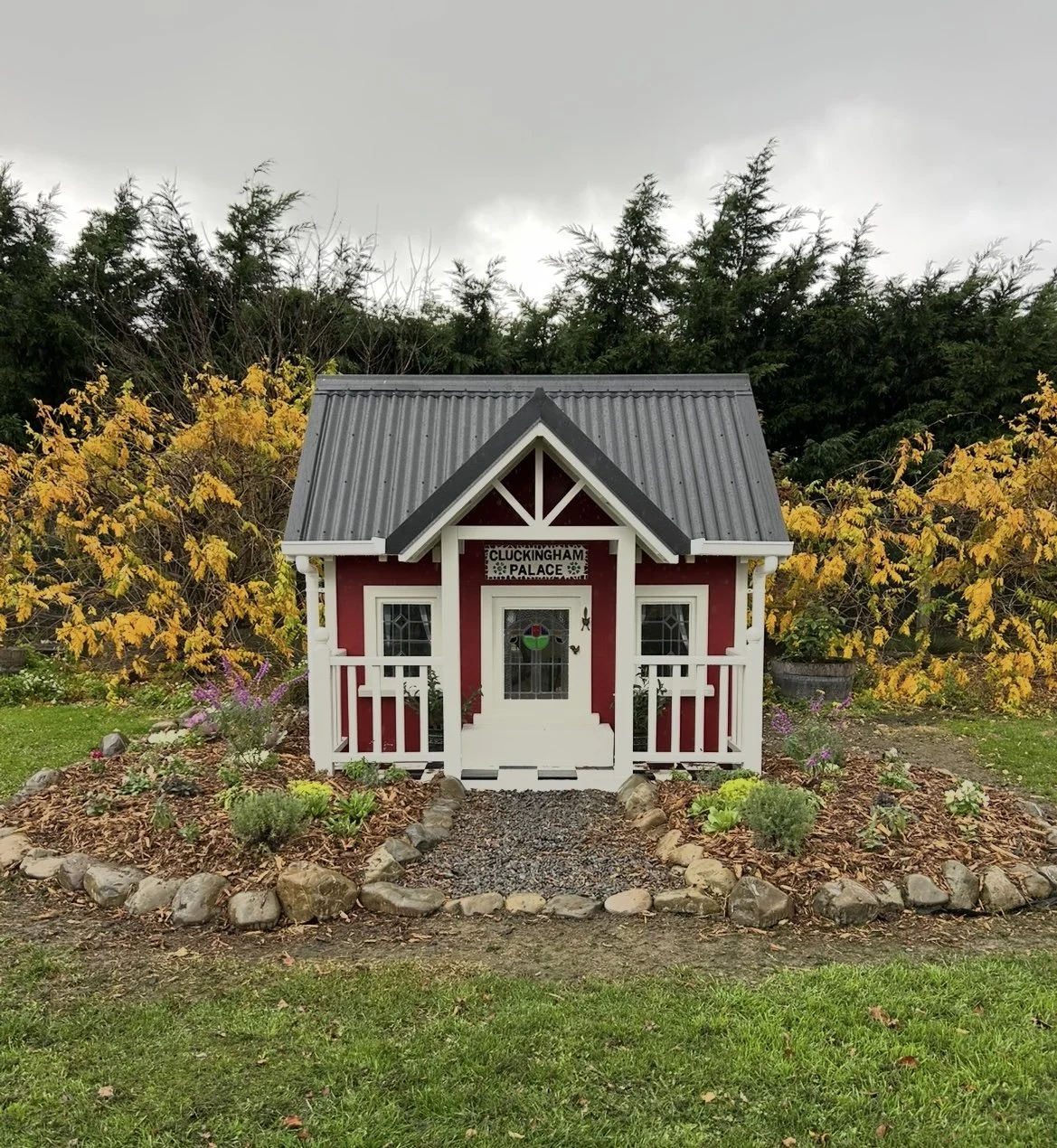
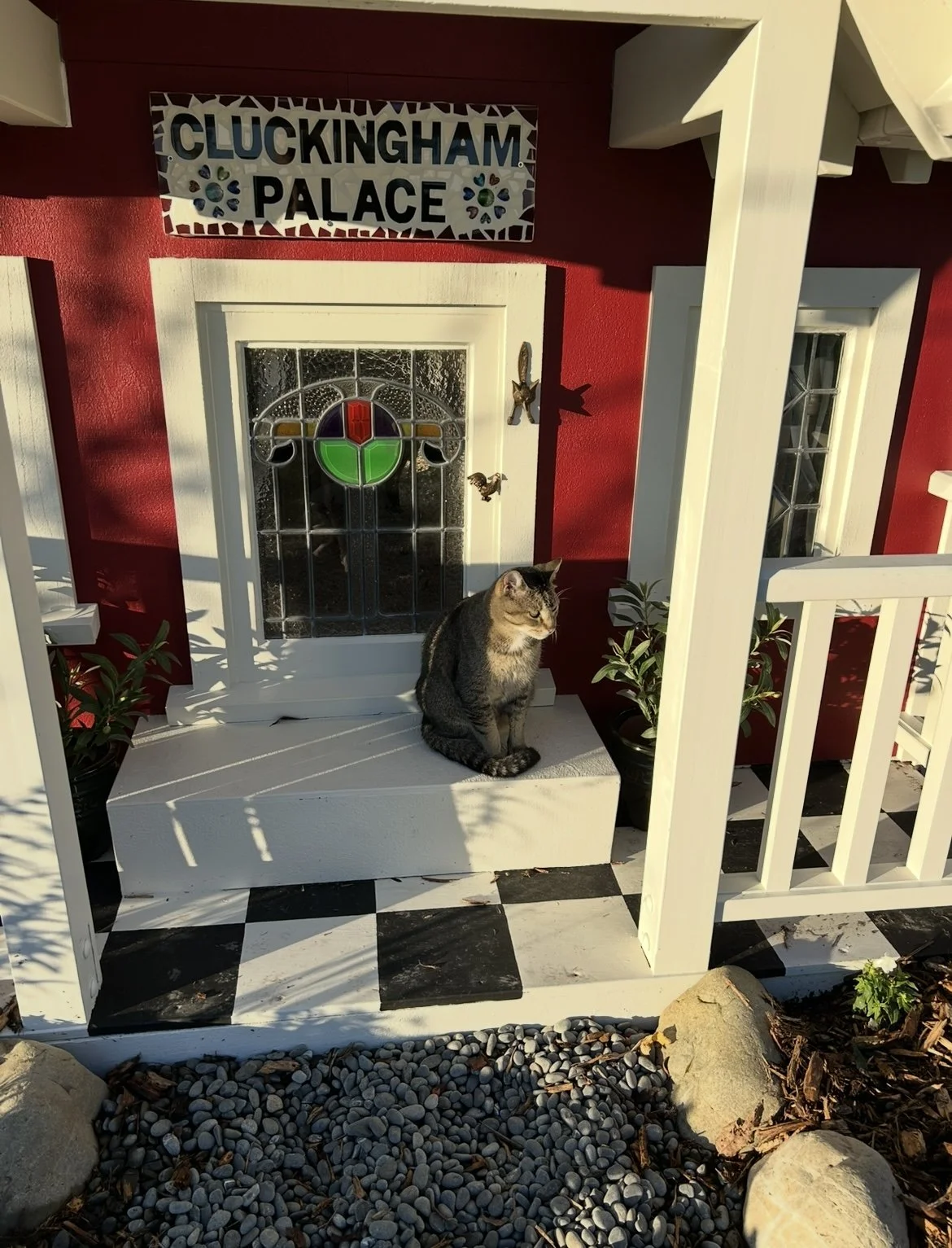
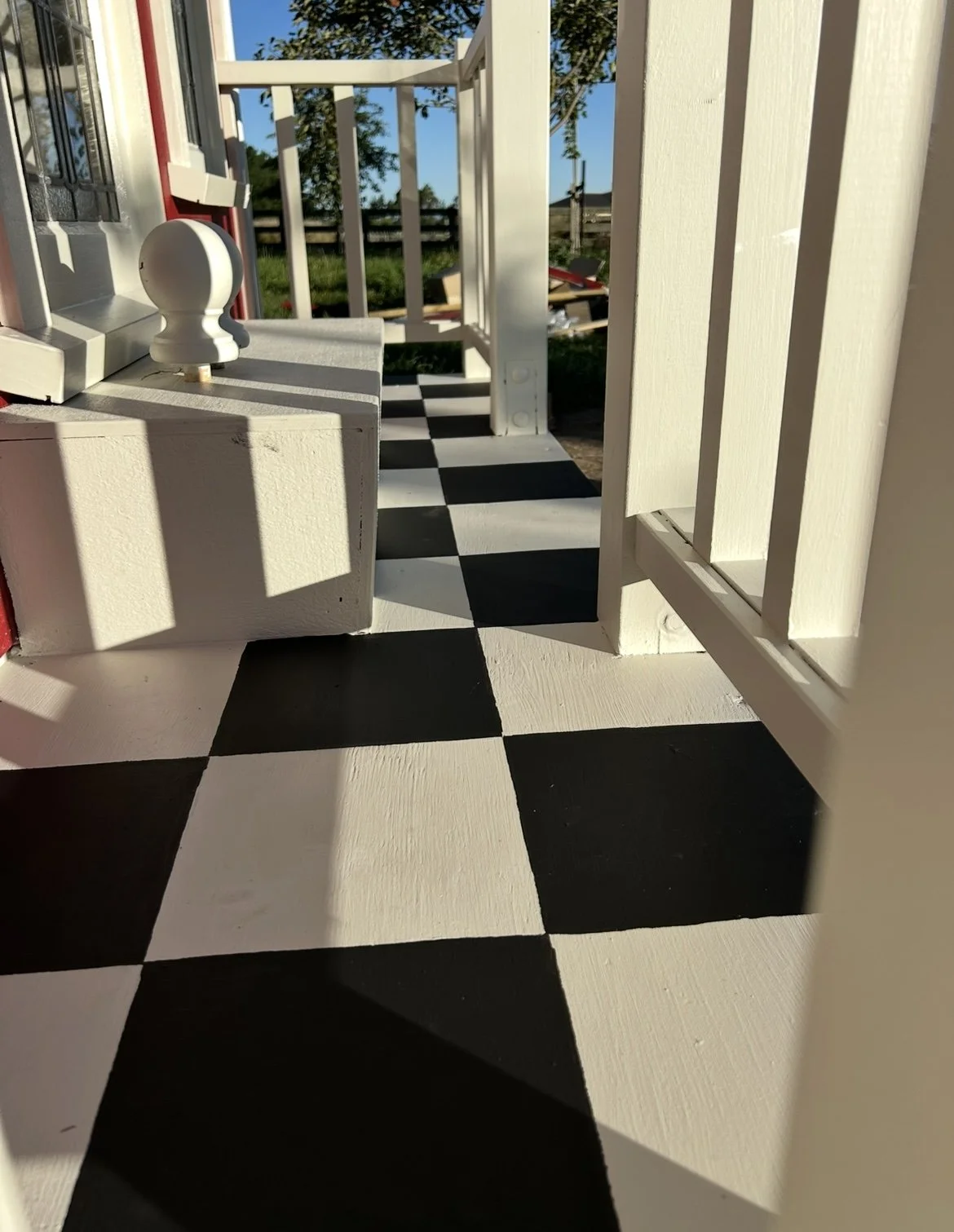
Photos: Garden ‘art’ can take many forms. It might be something as simple as a fancy pot, or a repurposed container that you turn into a planter. It might be homemade, or something you’ve purchased. You might pick up a cute mass-manufactured piece at your local garden centre, or it might be a one-off piece of sculpture that only you have. I’ve got a couple of those one-off’s that look great in the garden, but photograph really badly, so I’ve not included them. Plant supports can be arty and docorative, not just practical. Whatever you choose, it’ll be a reflection of you and your personality, and it’ll make your garden unique. PS: I draw the line at gnomes…I just….can’t.
The week the wind came roaring through
Well, what a week that was! Most of the country’s been absolutely walloped by wind with red warnings on Thursday, roofs flying off, trees down, power lines snapped. My feed’s been full of photos and videos from people in the South Island and the lower North Island showing gardens in bits. It’s been rough out there. If you’re one of the ones whose garden has suffered, I know this will have been a stressful and upsetting time for you. It’s hard to be a gardener at times like this!
We were right in the firing line too, and the forecasts didn’t sound promising. I was fully expecting carnage. But somehow, we got off relatively lightly. Yes, there were a few bursts of properly wild wind, but nothing like what some people had to deal with, and amazingly, there’s no damage in my garden.
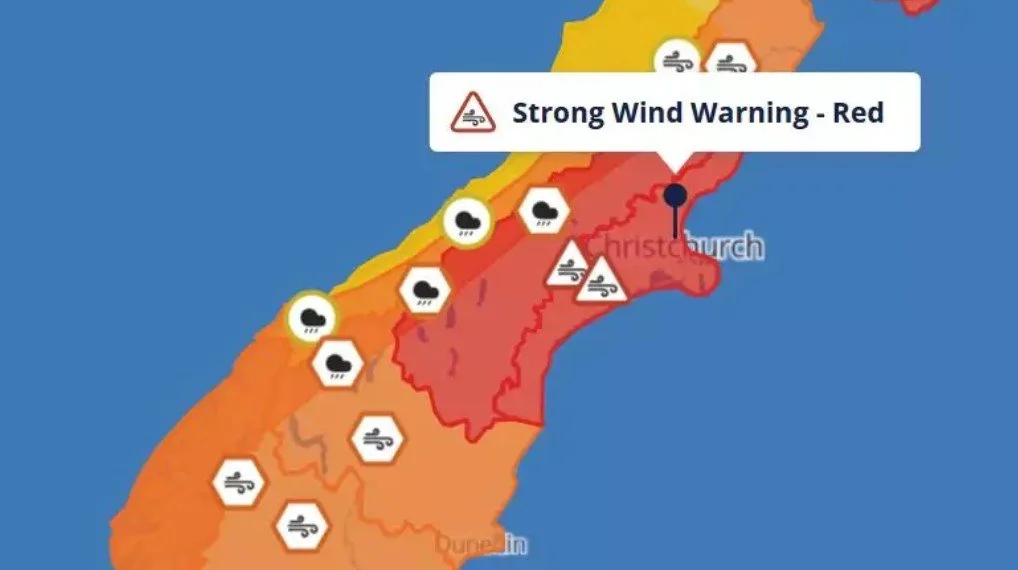
Photo: I’m right in that red zone, and many in that zone really took the brunt of it, but I believe it was just as severe further south where it was meant to only be orange. Invercargill airport clocked 74 knots (137 km/h) and I definitely don’t want to be flying a plane in that! Higher wind speeds were recorded in the mountains and hill country I believe.
When it comes to what protected my garden, I’m giving full credit to the hedges. I’ve said it before and I’ll say it again… if you live in a windy area, hedges are your best friends.
A few years ago, I read something in a farming magazine about which trees make the best shelterbelts, and it stuck with me. My main boundary hedge is alder (Alnus glutinosa ‘Laciniata’). It’s deciduous, which might put some people off, but one of its big advantages is its deep root system. In that article, a farmer said that after a huge storm, the only trees still standing were the alders, while a lot of pines and conifers had gone over. I remember thinking, thank goodness I planted alders!
When we drilled the holes for my grandmother’s garden gates, we went deep and concreted the posts in, because they face straight into the nor’wester. I noticed a lot of alder roots at the base of the holes. They’d gone way down into the soil, far deeper than I expected after only six or seven years of growth, and I believe they were likely to be even deeper than we had drilled. Having such deep roots provides enormous stability to a tree or hedge.
So, if you’re in a windy spot and looking for something that can take a battering, alder might be one to think about. They grow fast (which is great early on, less great once you’re maintaining them), and they like having a bit of moisture around their roots, which is not ideal for very dry sites, but otherwise they’re brilliant.
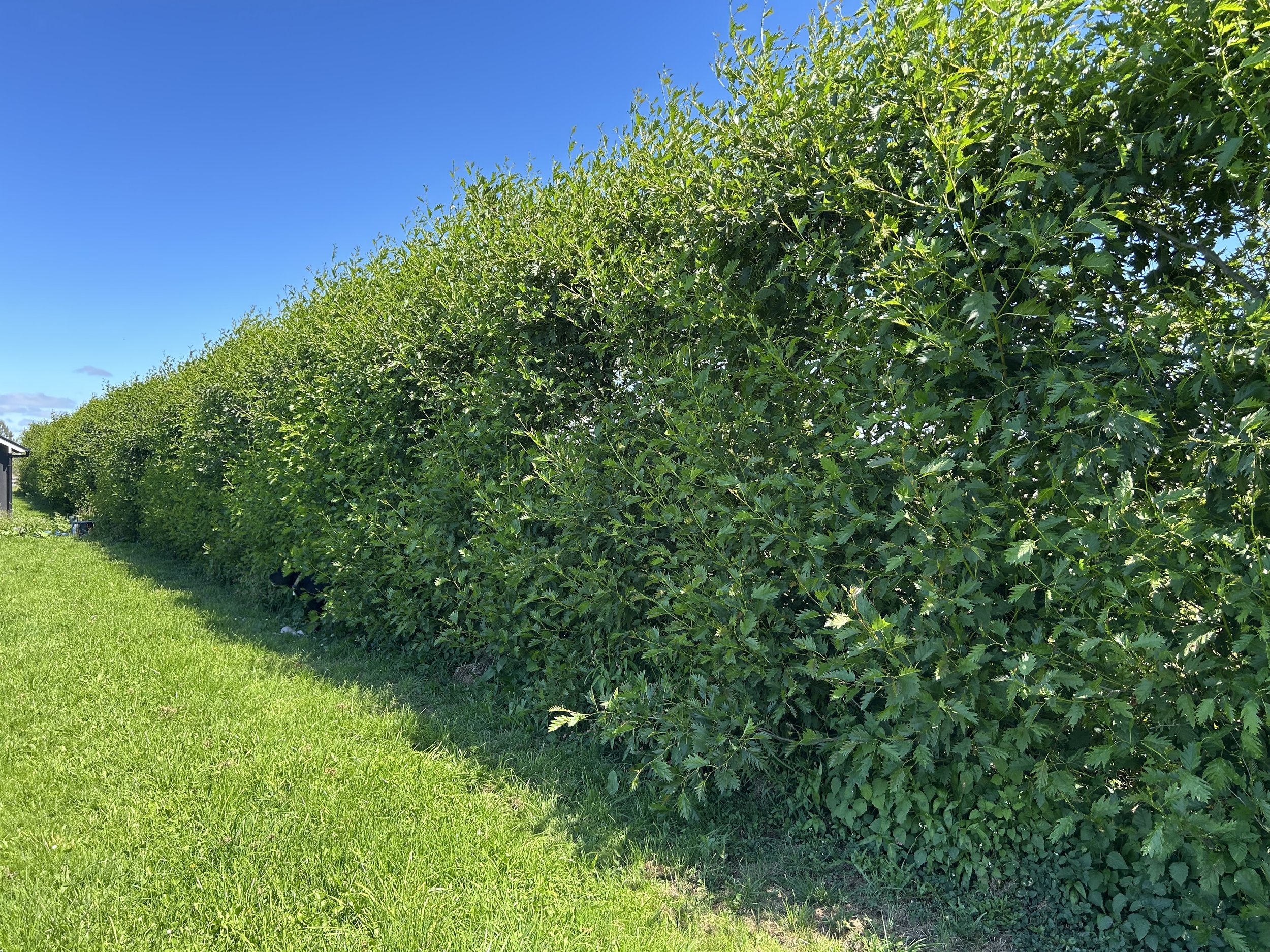
Photo: This is my alder hedge. It’s got an attractive leaf and it’s a nice change from the typical pines and conifer hedges I see all over the show.
Garden tasks for this week
Northern Hemisphere (autumn sliding into winter):
Clear out dead annuals.
Prune shrubs and climbers, leaving strong buds for next year’s show.
Plant garlic, onions, and spring-flowering bulbs. Mud + cold fingers = worth it.
Mulch your beds to protect roots. Think of it like a cozy blanket for your plants.
Southern Hemisphere (spring is in full bloom now!):
Sow seeds for summer vegetables and cheerful annuals.
Prune late-flowering shrubs after bloom for shape before they run wild like teenagers.
Check irrigation and water early (morning watering = happy plants).
Divide perennials that are taking over. They might sulk, but the garden will thank you.
If you haven’t been mulching already, then prioritise this task before the summer dry hits.
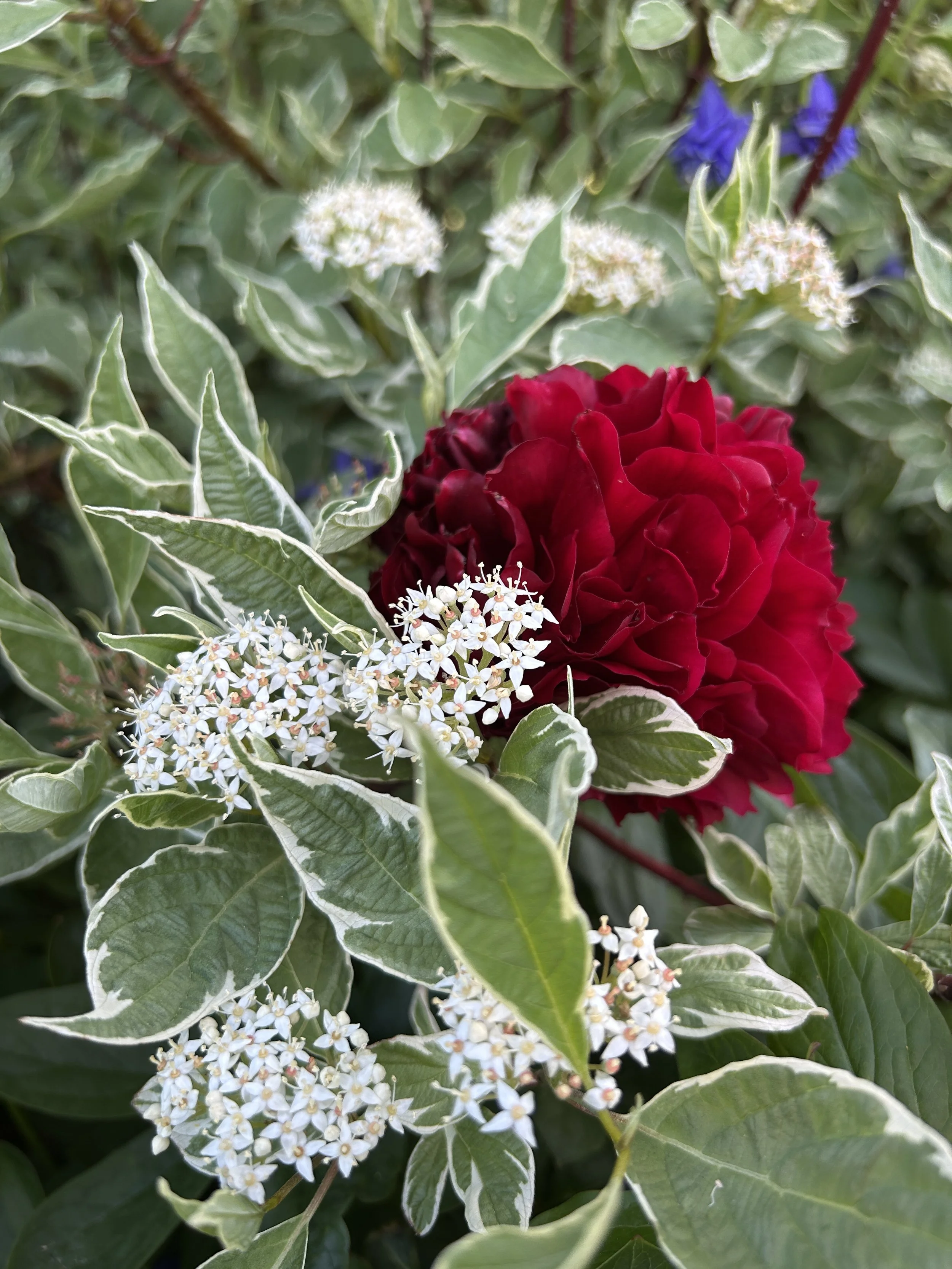

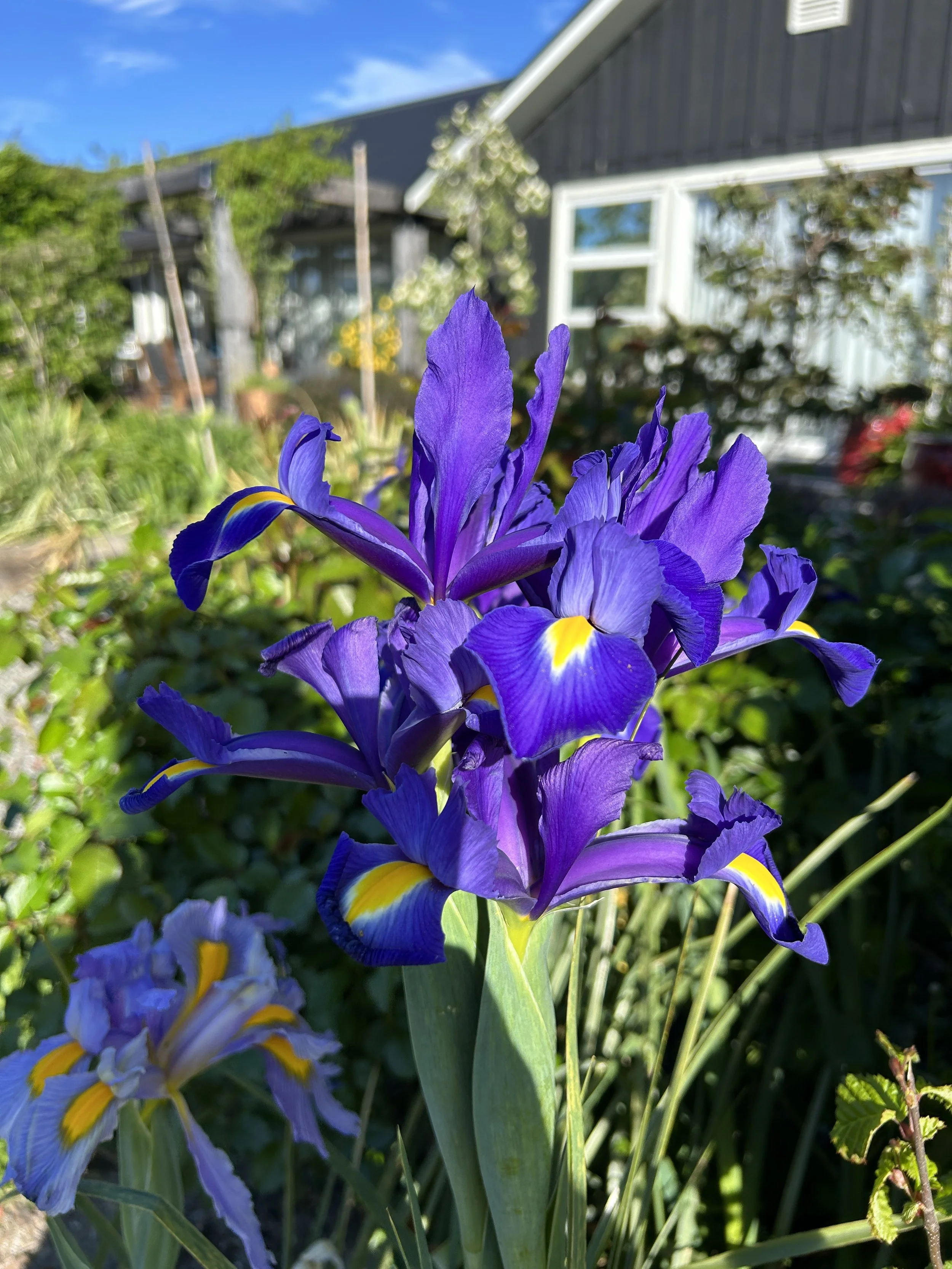
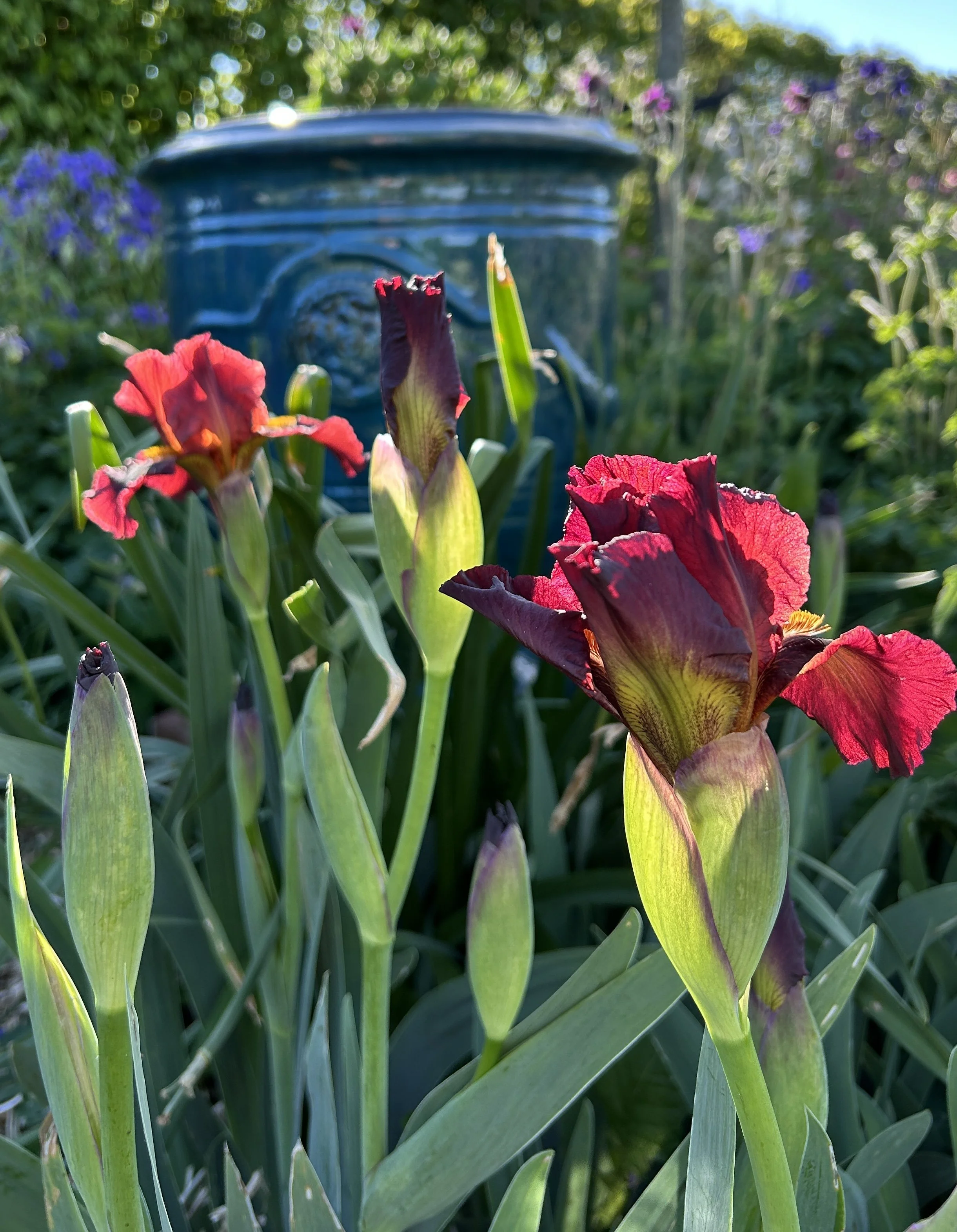
Photos: they survived the wild weather! Red Grace peonies, blue dutch irises and burgundy bearded irises of unknown name.
What’s new this week on Behind the Garden Gate
🌸Nitty Gritty: an honest appraisal of what it’s like having a large country garden. If this is something you’re working towards, these are the things you need to be aware of.
🔨Garden to Table: a deep-dive into the building of our berry enclosure, including building specs. All the pros and cons, and what I learned along the way.
🌿Feature plant: this week it’s time for a bit of Wisteria hysteria. All you need to know about growing these beautiful climbers, including the downsides. Yep, there’s definitely downsides.
😄You know those days….: Once upon a time, in a land semi-far away, ok, actually it was right here, in this very garden, there was a short, freckled, middle-aged princess and she had a beautiful garden….
🌹Snapshot Shed: plenty of new photos to provide inspiration.
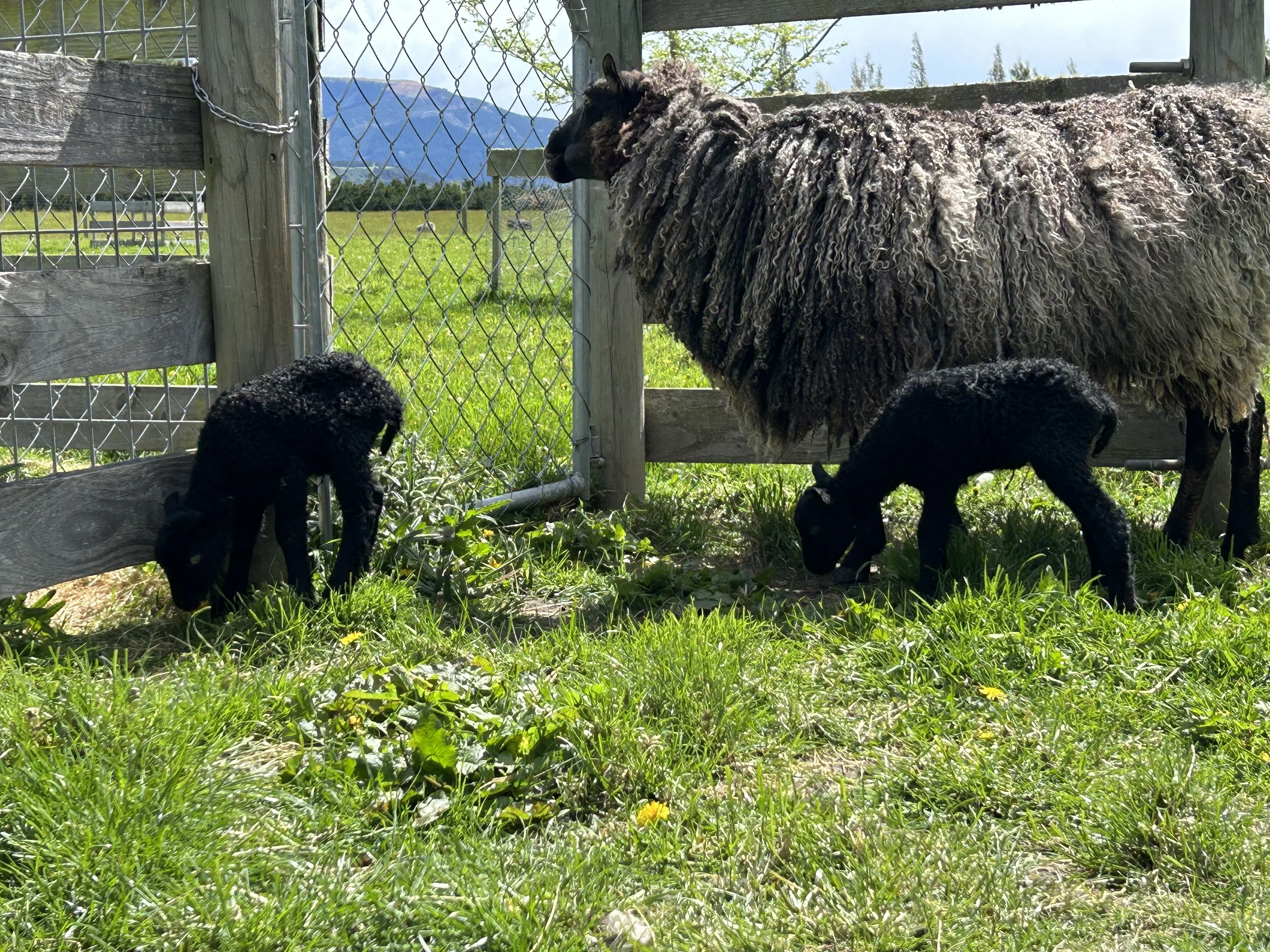
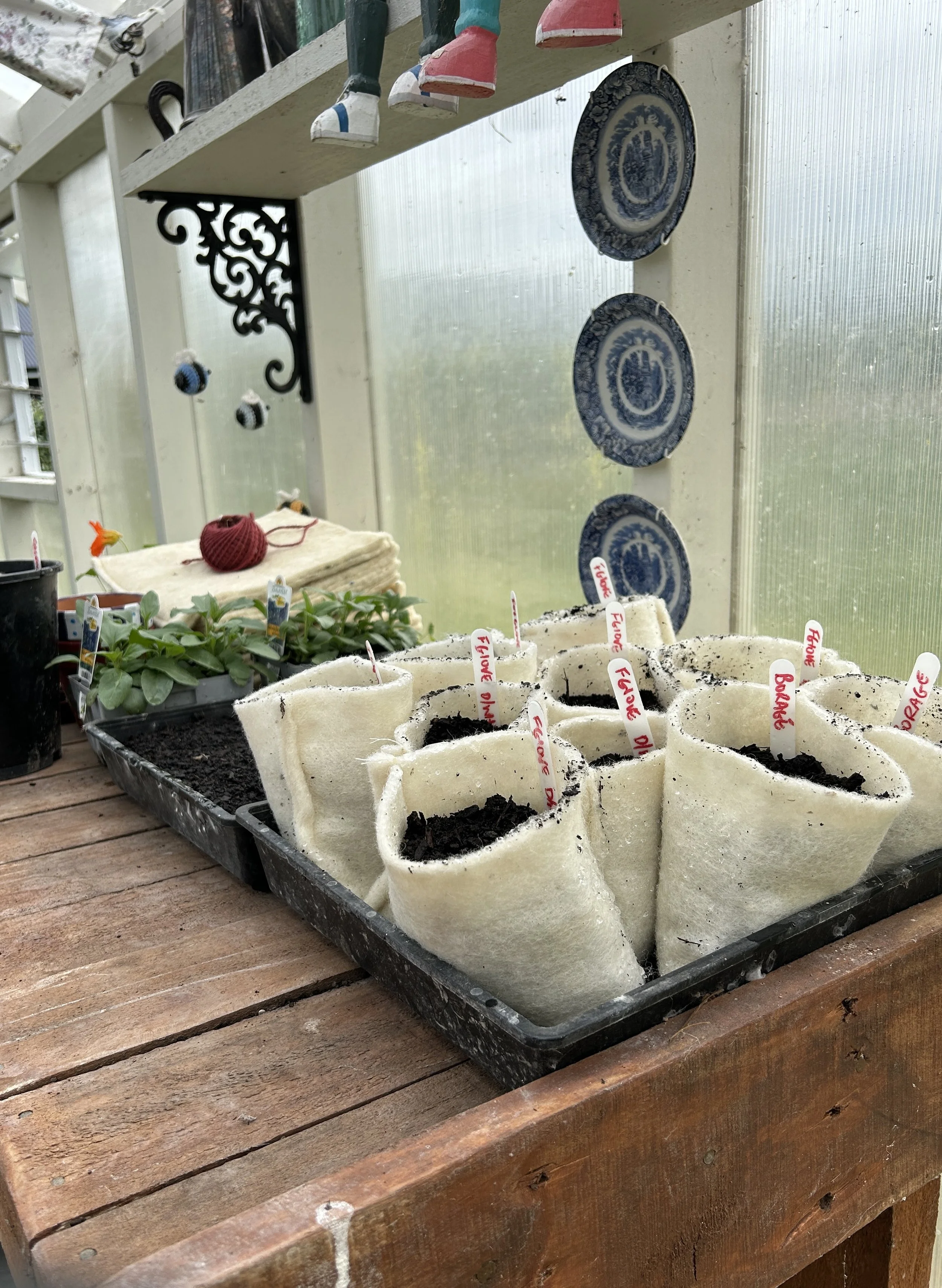
Photos: the two photos below follow the theme of wool and how I use it sustainably in the garden. Meet Blanche. She gave birth to Teddy and Sooty the day before the big winds. Nice timing Blanche! At least it wasn’t on the day itself. Blanche and all her paddock mates provide wool twice a year for mulching my garden. Teddy and Sooty are future mulch providers. But I have a big garden and not enough sheep. So, I also use products available in New Zealand created for the garden from wool. I have weed mat and mulch already on many garden beds, but I’ve just tried out these wool seedling pots this week. There are small and large ones. It feels a lot more sustainable than polluting the planet with more plastic, that’s for sure. If you’re a kiwi, you can find them online via Wool Life NZ.