I’m right, he’s wrong
There are two kinds of people in this world. People who wear socks in gumboots and people who know better.
Before I go any further, I need to establish terminology. What I’m talking about - gumboots - are, in some countries, called galoshes. In others, Wellington boots. In America, I believe they’re something like rubber boots, which feels very emotionally undercooked. Here in New Zealand, however, they’re most commonly known as gummies, which sounds friendly and harmless and in no way prepares you for the level of marital discord they can generate.
I do not own just any gumboots. I have the top-shelf, premium, Red Band, gumboots, because obviously, if one is going to garden, one should do so in quality footwear. This is not vanity. This is standards.
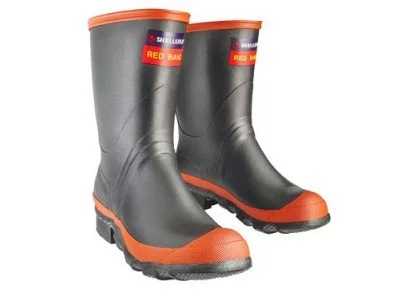
Now, onto the problem. The Husband and I have been having the same argument for over twenty years. It’s not loud. It’s not dramatic. It simply resurfaces with quiet persistence every time gumboots appear. The argument is this: should one wear socks in gumboots? He believes yes. Firmly. Sensibly. End of discussion. I believe absolutely not, under any circumstances, ever. If our marriage ever ends, it won’t be due to finances or differing life goals. It’ll be recorded, quite correctly, as irreconcilable differences regarding socks in gumboots.
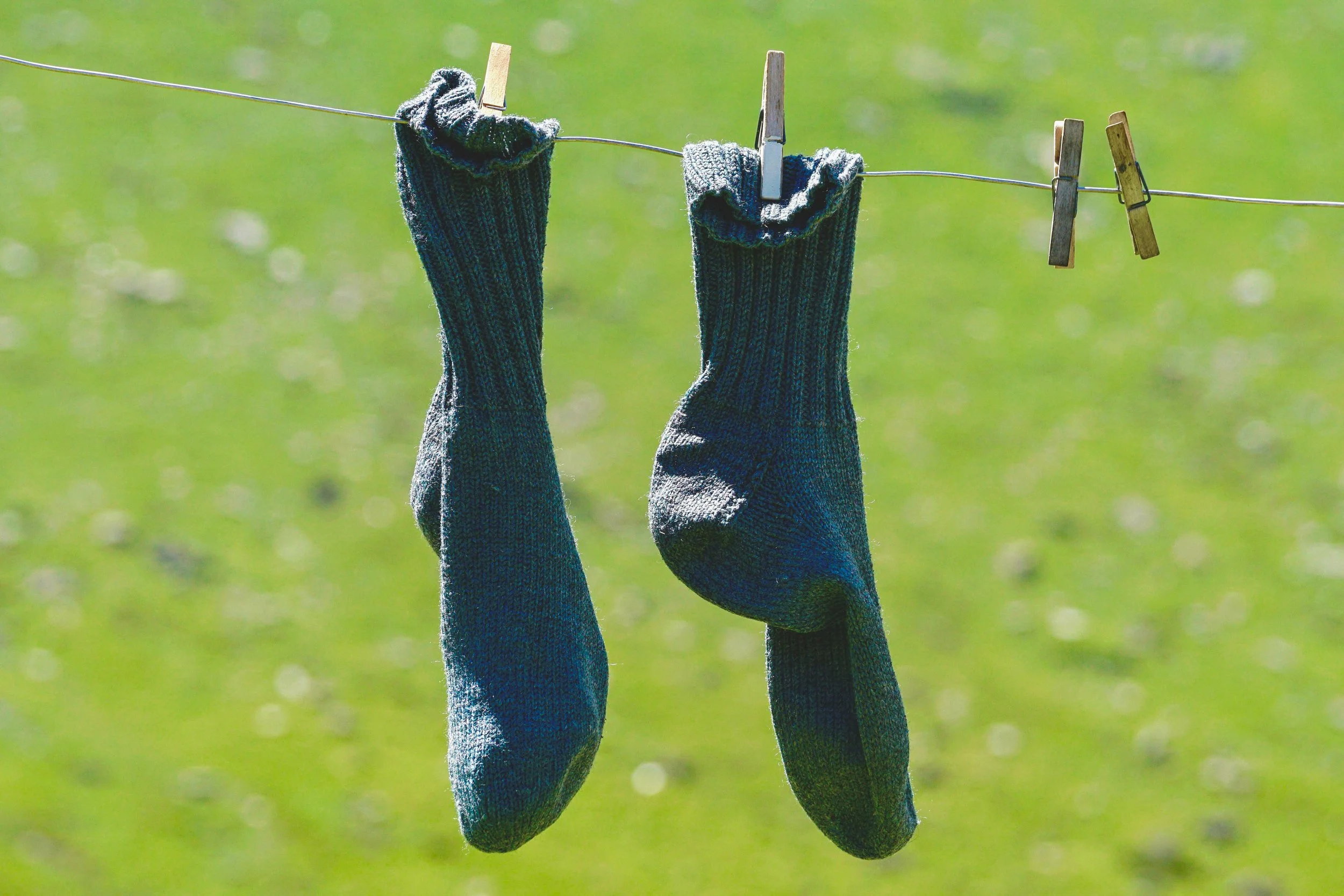
His primary concern, raised with a tone of genuine bafflement, is that my feet get dirty. Because gumboots, he points out, contain dirt, dust, and sweat. And all of that adheres itself to my feet and lower legs like some sort of compost-based varnish. To which I always gently remind him that we live in a modern society and have access to a miraculous invention called the shower. You step into it. Water comes out. Problem solved.
What he fails to appreciate, is that feet, being one of the primary ways the body regulates temperature, are basically tiny heat-release vents for an overheating gardener. And if you wrap those vents in socks and then seal them inside rubber boots, you’re essentially slow-cooking a middle-aged lady. Every single time I’ve tried wearing socks in gumboots, the same thing happens. I overheat, rapidly and dramatically. Within minutes I’m flushed, hotter than hot compost and on the verge of throwing a tantrum. Soon after, I’m kicking my boots off, ripping the socks away, and instantly feeling the cooling relief of someone who’s narrowly avoided spontaneous combustion.
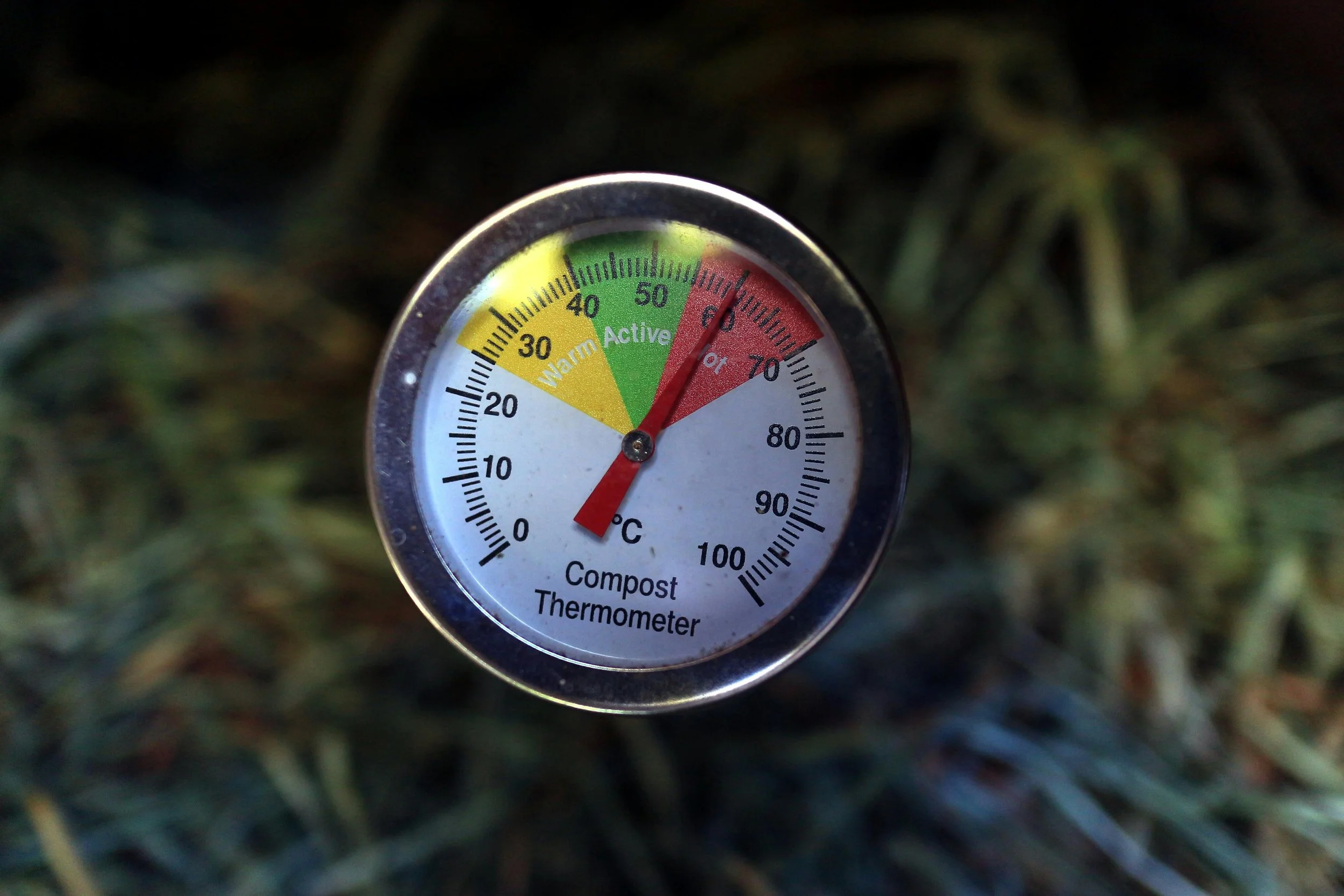
Perhaps - and I say this with love - The Husband doesn’t fully grasp the thermal complexities of a menopausal body. This is not a failing on his part. But it does mean he should stop suggesting socks.
Then there’s the equally grave matter of sock behaviour. It doesn’t matter what socks you choose. Thick socks. Thin socks. Expensive socks that promised performance and moisture control. Once inside a gumboot, socks begin a slow, determined migration south. They inch their way down your foot, gathering themselves toward your toes like they’re packing for departure. You can feel it happening. That subtle loosening. That creeping bunch. Until eventually you’re standing in the garden, mid-task, deeply irritated, and unable to focus on the task at hand because you’re quietly imagining committing sock violence. I don’t think the migrating behaviour is accidental. I think the socks are trying to tell us something. It’s not slippage, it’s protest.
Between escaping socks, temperature moderation, and the entirely reasonable availability of showers, I fail to see a single compelling argument in favour of wearing socks in gumboots. The Husband remains unconvinced. And so, the debate continues. A quiet, stubborn standoff that has now lasted over two decades. Twenty-three years in, neither of us has budged. Why would I, when I’m right?

Did you know?
Plants often grow more at night. They use daylight to make energy (photosynthesis and all that clever stuff), but the actual stretching and lengthening of stems often happens after dark. When the sun goes down, the plant basically switches from “solar panel mode” to “growing mode,” and its cells expand. So when you walk outside in the morning and think, “That definitely wasn’t that tall yesterday…” - you’re not imagining it. Your garden’s been busy while you were asleep.
What to do in the garden this week
Northern hemisphere
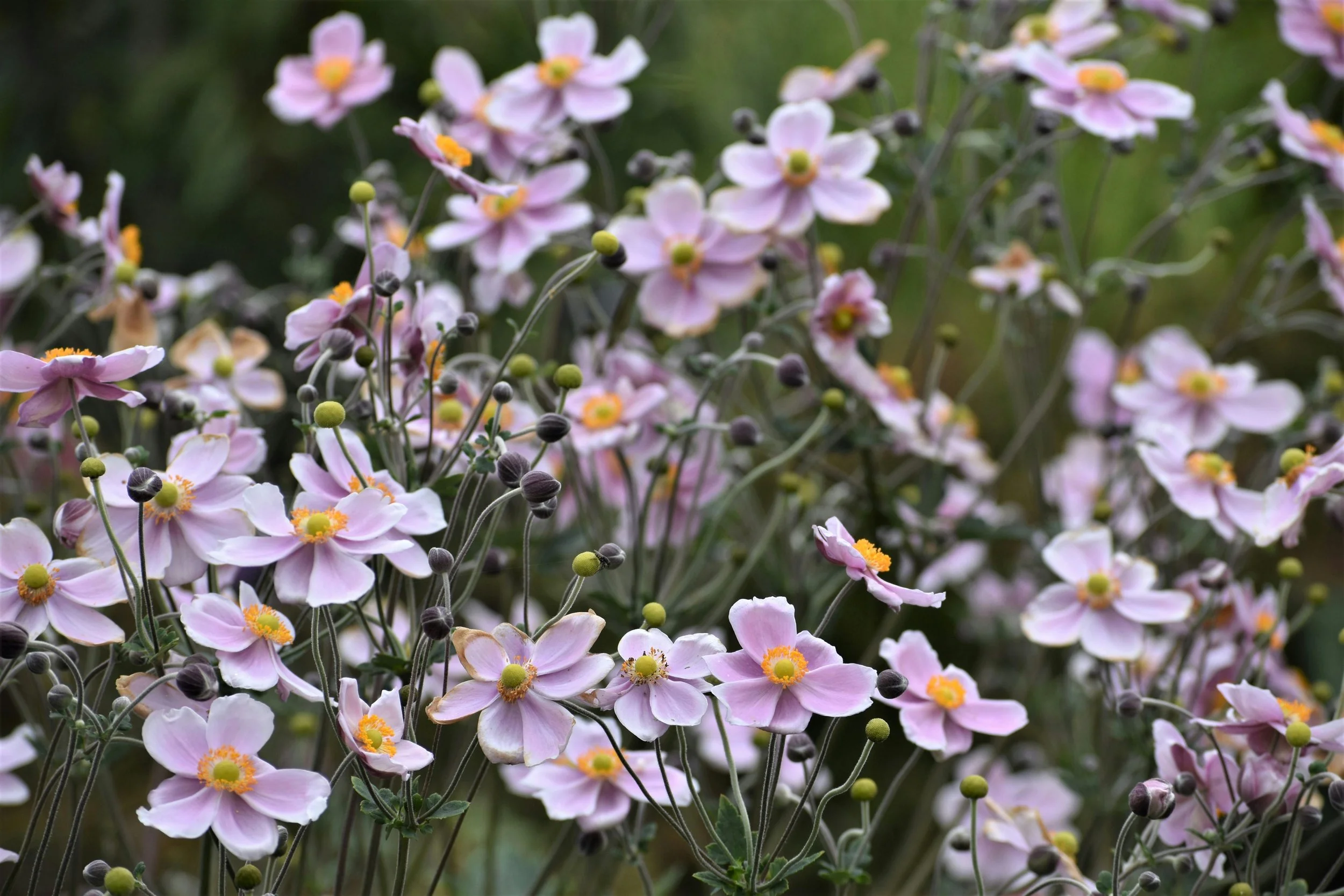
🍃Tidy up the garden and remove any obvious winter mush. But don’t go full clean-freak - many beneficial insects are still sheltering in hollow stems and leaf litter (I leave the leaves to break down and enhance the topsoil, but I do ensure they’re not stacked against plant stems to avoid rot and disease problems in the plants).
🥬In milder zones you can direct sow peas, spinach, radishes, carrots, lettuch and beetroot. If you’re in a colder zone, use cloches for protection. Indoors you can start tomatores, peppers, eggplant and basil. For those seedlings raised indoors, make sure you harden them off before planting them outdoors. That means putting them outdoors on milder days for a few hours at a time and back under cover overnight. Build up the time spent outdoors during the day and then plant out
🌸It’s your last chance to move shrubs and roses before active growth kicks in. If that growth has already started, then only move if you desperately need to and ensure extra watering and care for the first few weeks.
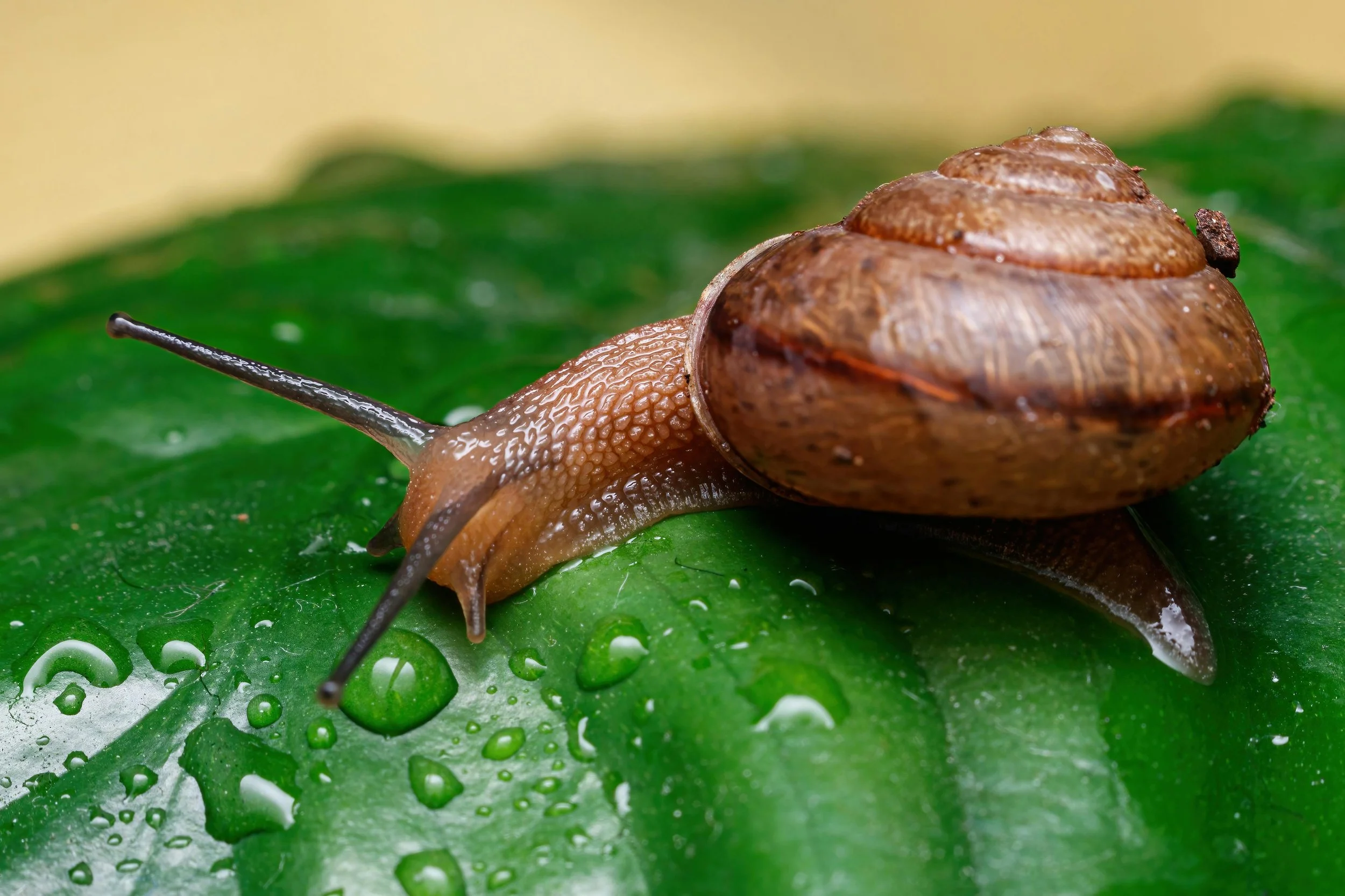
🐌With new growth comes the return of pests. Keep a close eye on new seedlings, they’re a food magnet for slugs and snails. You can either go out after dark and have a slug squashing party, or lay a few slug and snail pellets around your at-risk plants. There are pet-friendly varieties that are not poisonous to pets.
Southern hemisphere
🍂 Any crops that are truly finished can be pulled out, but if your plants are still producing then keep picking - tomatoes, beans, zucchini etc…- to eek out the last of the crops.
🌸Save seeds from your favourite flowers and veggies for free plants next season.
🌼Some perennials I cut back completely in autumn, but others - like Miscanthus grasses - are left over winter as the brown foliage and fluffy seed heads create winter interest.
🥬Direct sow spinach, rocket, silverbeet, carrots, beetroot, coriander and asian greens. Plant seedlings of broccoli, cabbage, cauliflower, kale and leeks.
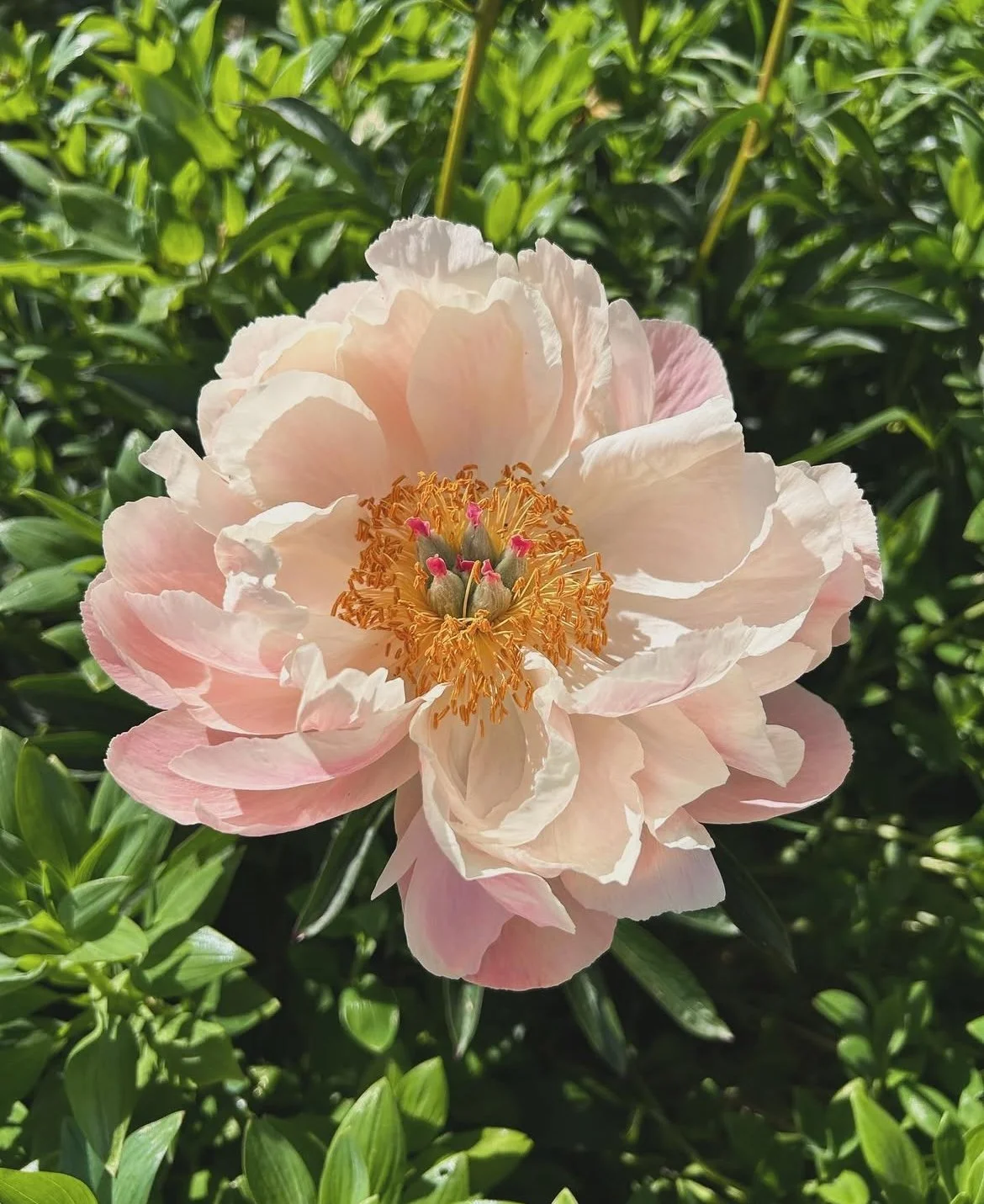
🌲Now is the best time to lift and divide perennials that need a refresh. Lifting and dividing every few years rejuvenates the plant and helps it to bloom better. Overcrowded clumps tend to have poorer flowering performance. One perennial that doesn’t fit this ‘rule’ is the peony. DON’T lift and divide peonies regularly unless you need to move them, or are wanting to divide into more plants. Peonies sulk when dug up and can take a few years to reestablish themselves. I don’t lift peonies at all unless I need to move locations. Otherwise, they stay put, untouched for years on end. That said, if you need to dig them up, autumn is the best time to do it, and results in the least sulking.
What’s new on Behind the Garden Gate?
🌼Feature plant:Plants planning world domination - this week it’s about more than one plant. It’s about several plants that are prone to act like mini dictators in the garden if you let them. These are the plants you need to be cautious of because they can get out of hand.
🍅Garden to table:the easiest tomato passata recipe ever invented. This is what I do with all my excess tomatoes and it keeps us going through winter with that fresh summer taste.
📷Snapshot shed: more photos to inspire your own planting combos.
As I mentioned a couple of weeks ago, I’m in the process of migrating my articles to Substack. It’s so much better set up for publishing this type of content, and I also think probably a much better user experience for you too. The articles I publish arrive straight to your inbox rather than you having to make an effort to head onto my members-only page to find the content. It’s just easier on Substack. I’ve realised that now, and so I encourage any of you who would like to receive my content in that way to head over and subscribe over there. I have free and paid options. Free subscriptions give you my free Sunday newsletter each week plus all the photos and notes with little tips and guidance that I add to my feed every day. Paid subscribers get all that, plus two additional articles each week with much deeper dives including garden knowledge, design tips, plant care advice, the odd recipe, and a bit of humour. You’ll find me as The Manic Botanic on Substack - not Behind the Garden Gate.
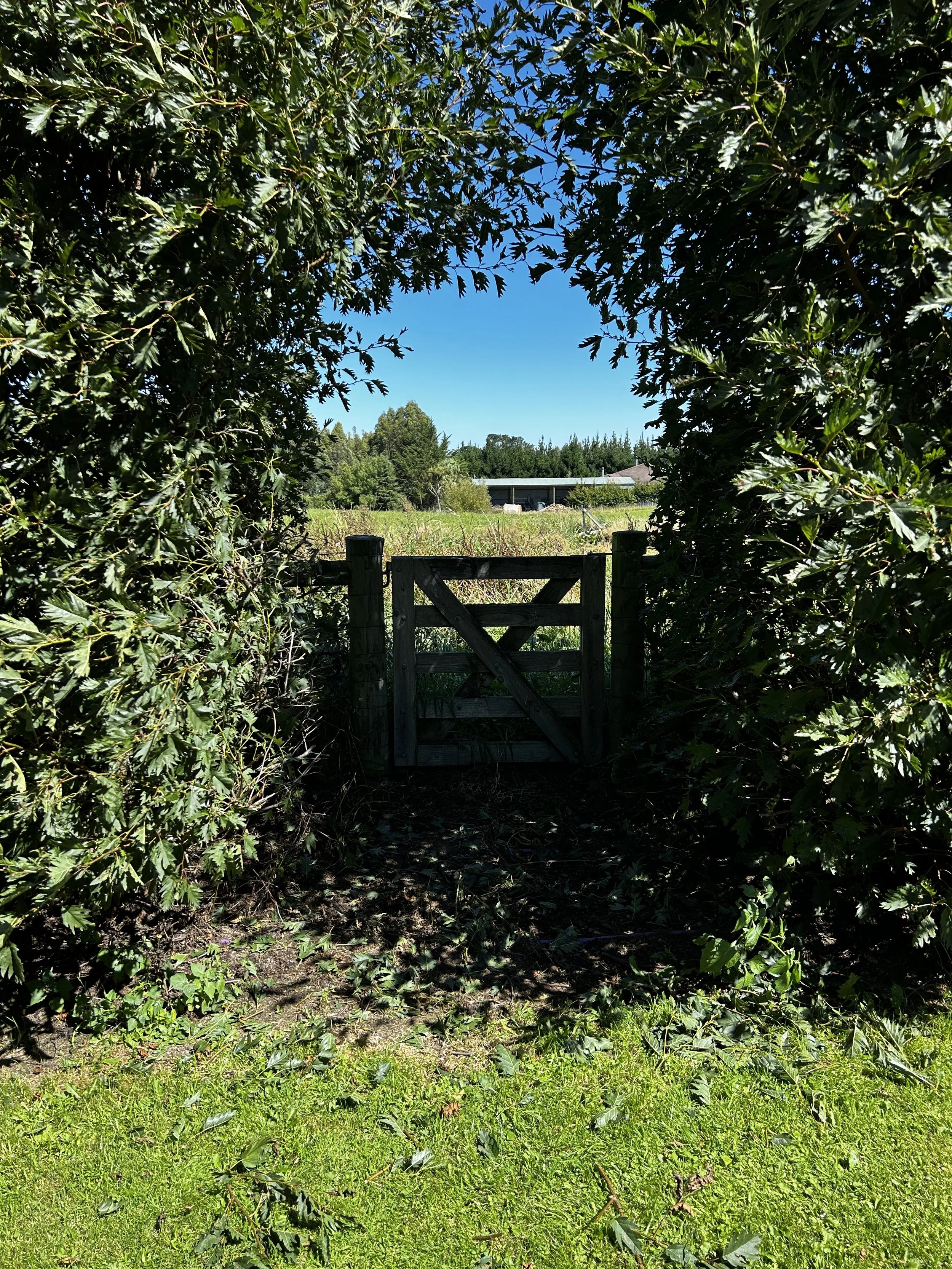
Photo: if you read my newsletter a few weeks ago detailing all the things about our place that Teenage Son can’t cope with, then you’ll understand the significance of this moment in our garden 😄