
Because that’s how the world works
There is a very specific moment in gardening when the universe clears its throat. It happens right after you post something on social media.
You know the post. The smug one. The one where you casually pretend you’re not pleased with yourself, but you really REALLY are. The one where you think, “Yes. I’ve cracked this. I’m clearly winning at life.”
And then…two days later…everything falls over.
I’ve conducted extensive, unintentional research on this phenomenon and can now confirm: the danger window is two. Two days. Two years. Never one. Never three. Always two.
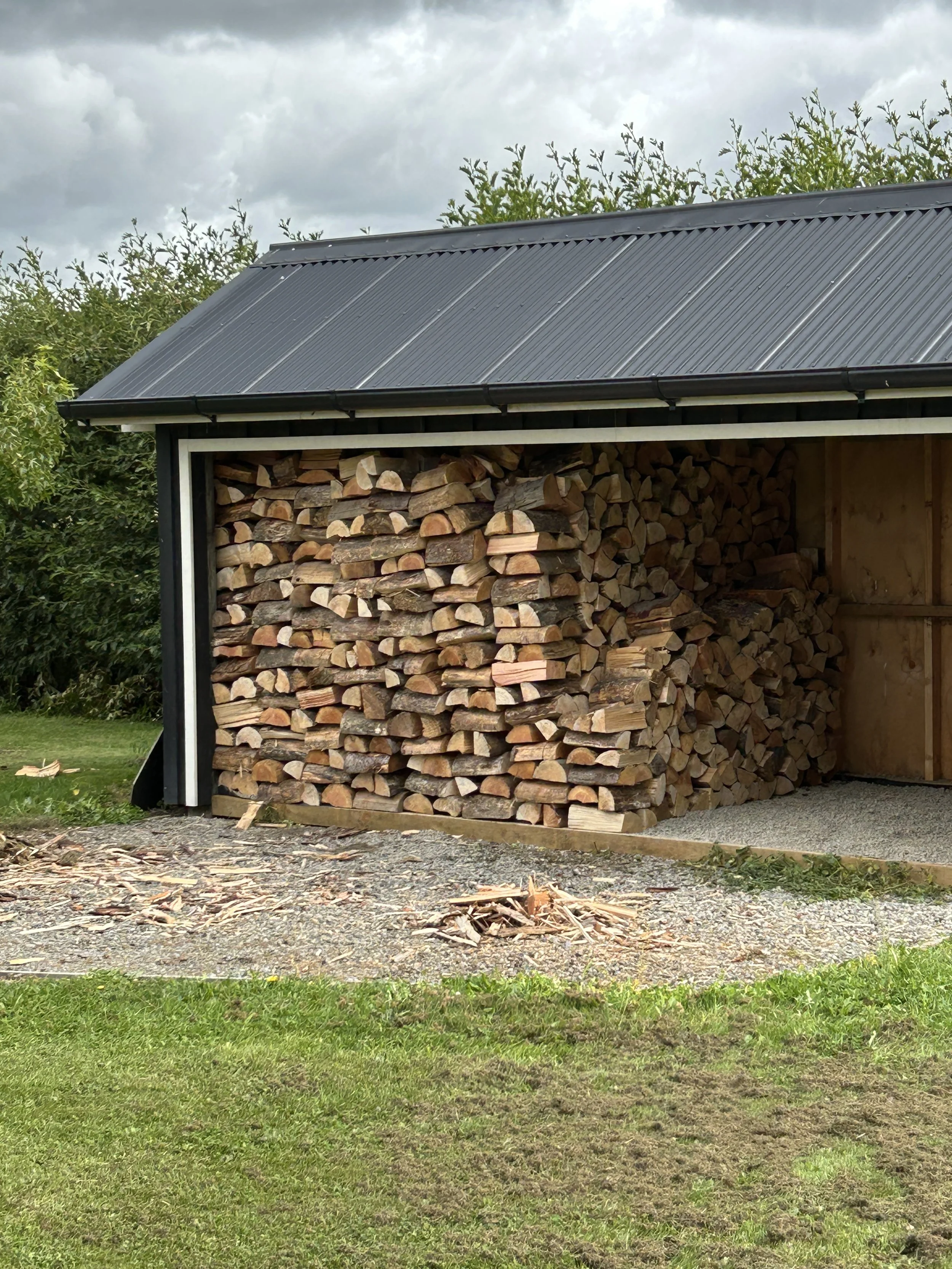
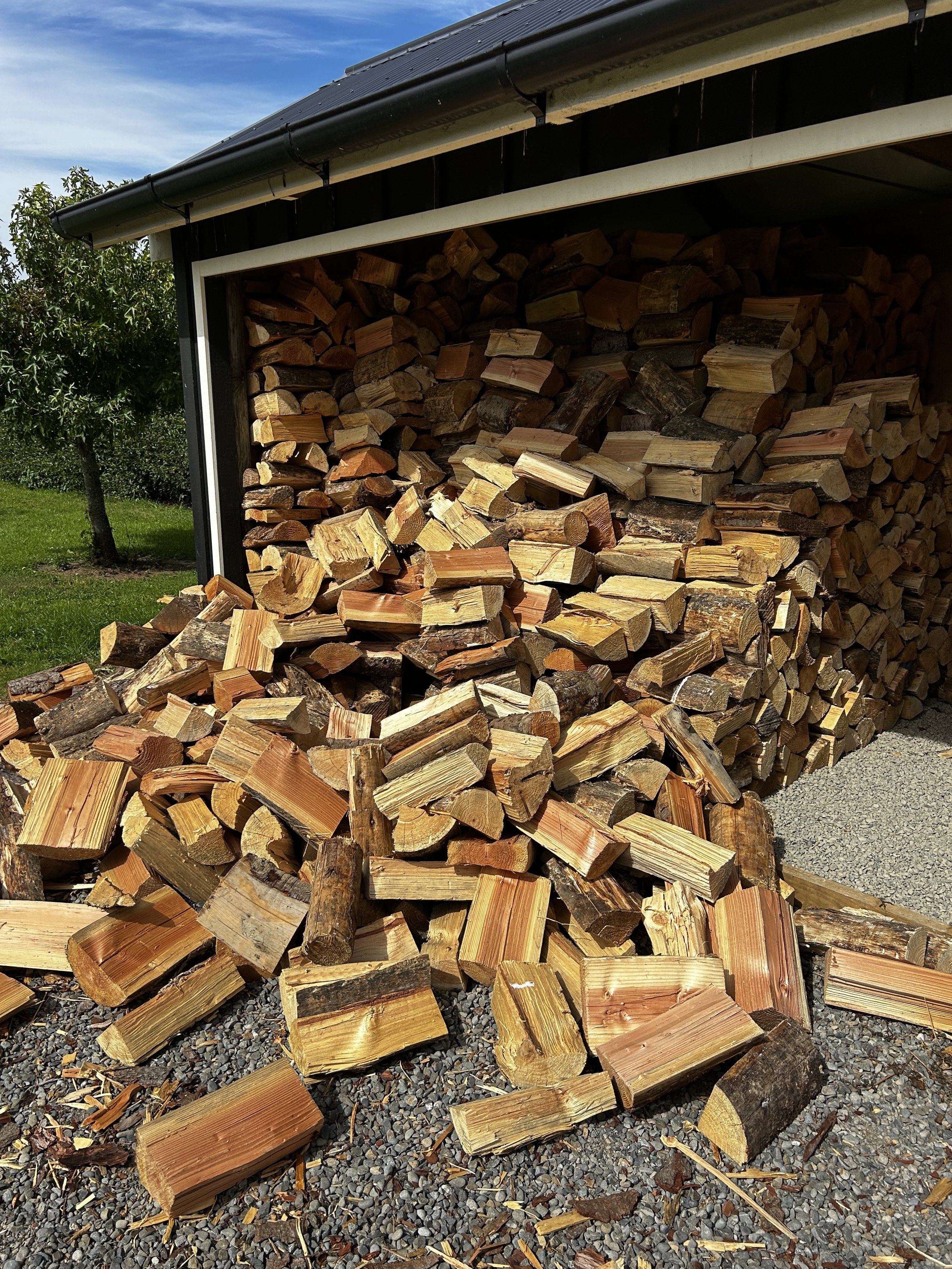
Take the time I proudly shared photos of my firewood stack. Perfectly aligned. Straight. Tidy. The sort of firewood stack that whispers competence. I admired it. The internet admired it. I went to bed feeling superior. Two days later, the entire thing collapsed like a Jenga tower played by a drunk possum.
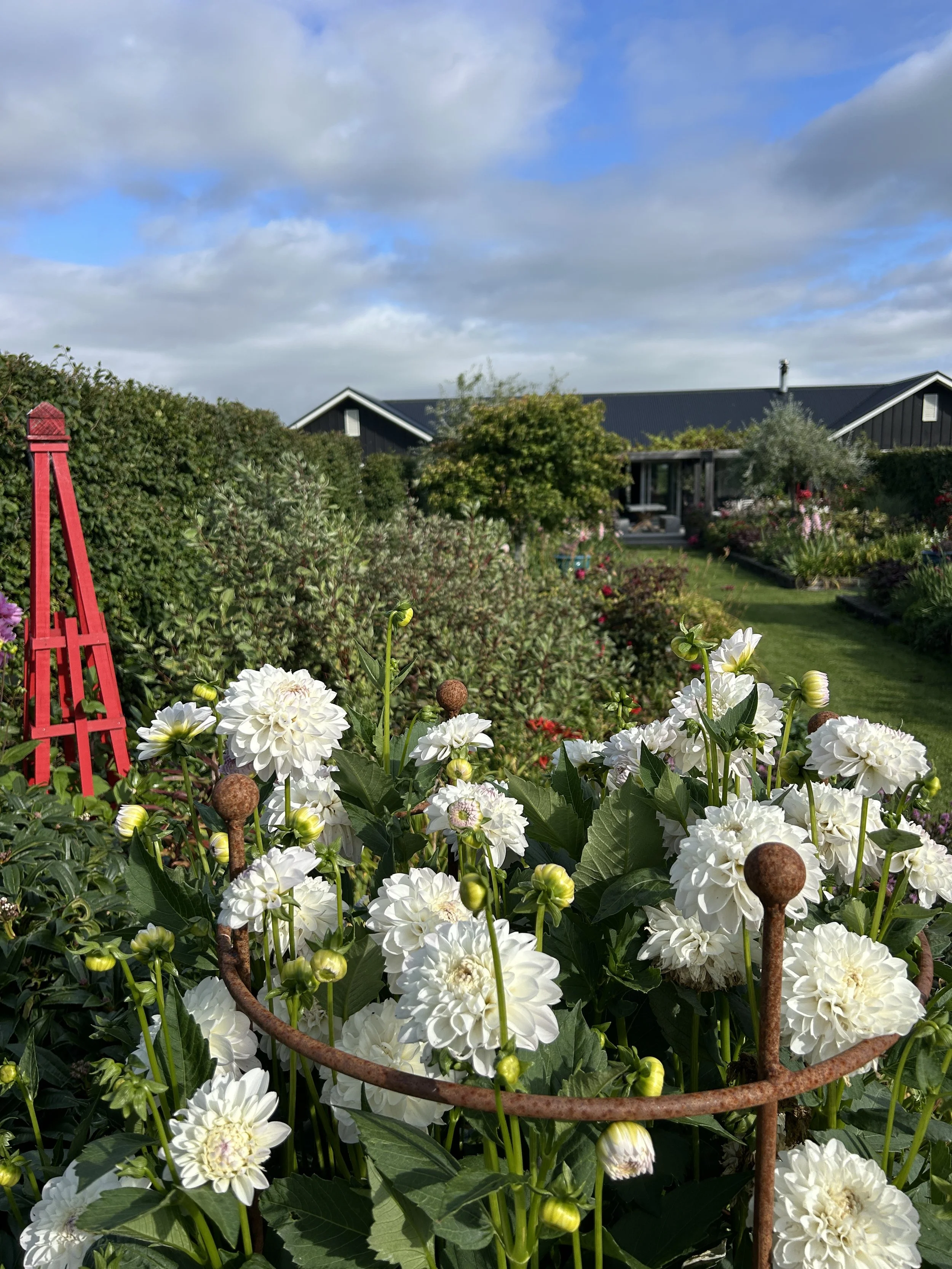
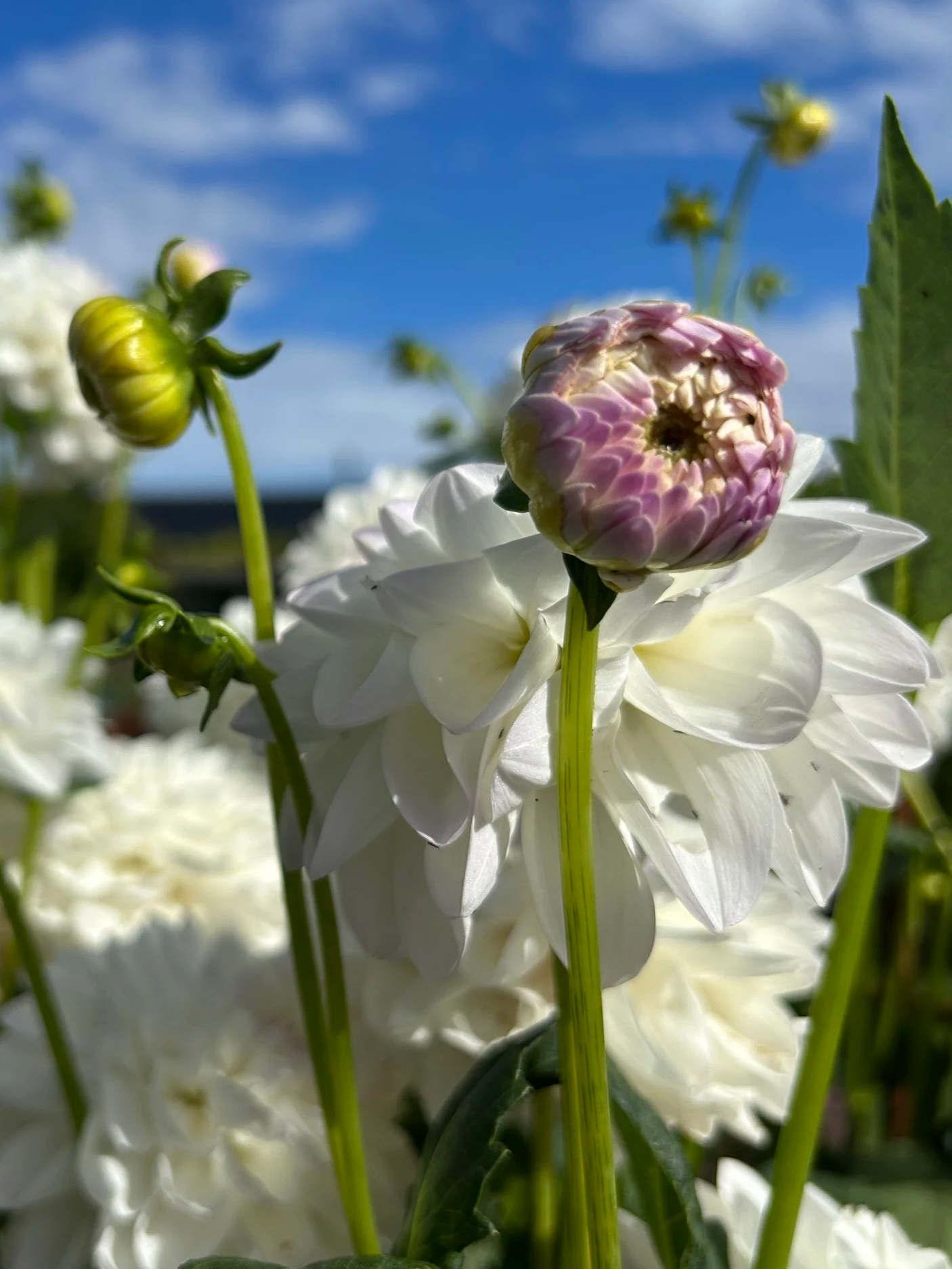
Or the time I posted a beautiful video of my white ‘Eveline’ dahlias, glowing, pristine, and definitely not staked because clearly, they didn’t need it. I remember the feeling well. That quiet inner voice saying, ‘some people struggle with dahlias. I’m not one of those people.’
Two days later, a thunderstorm arrived, flattened the lot, and rearranged my self-esteem.
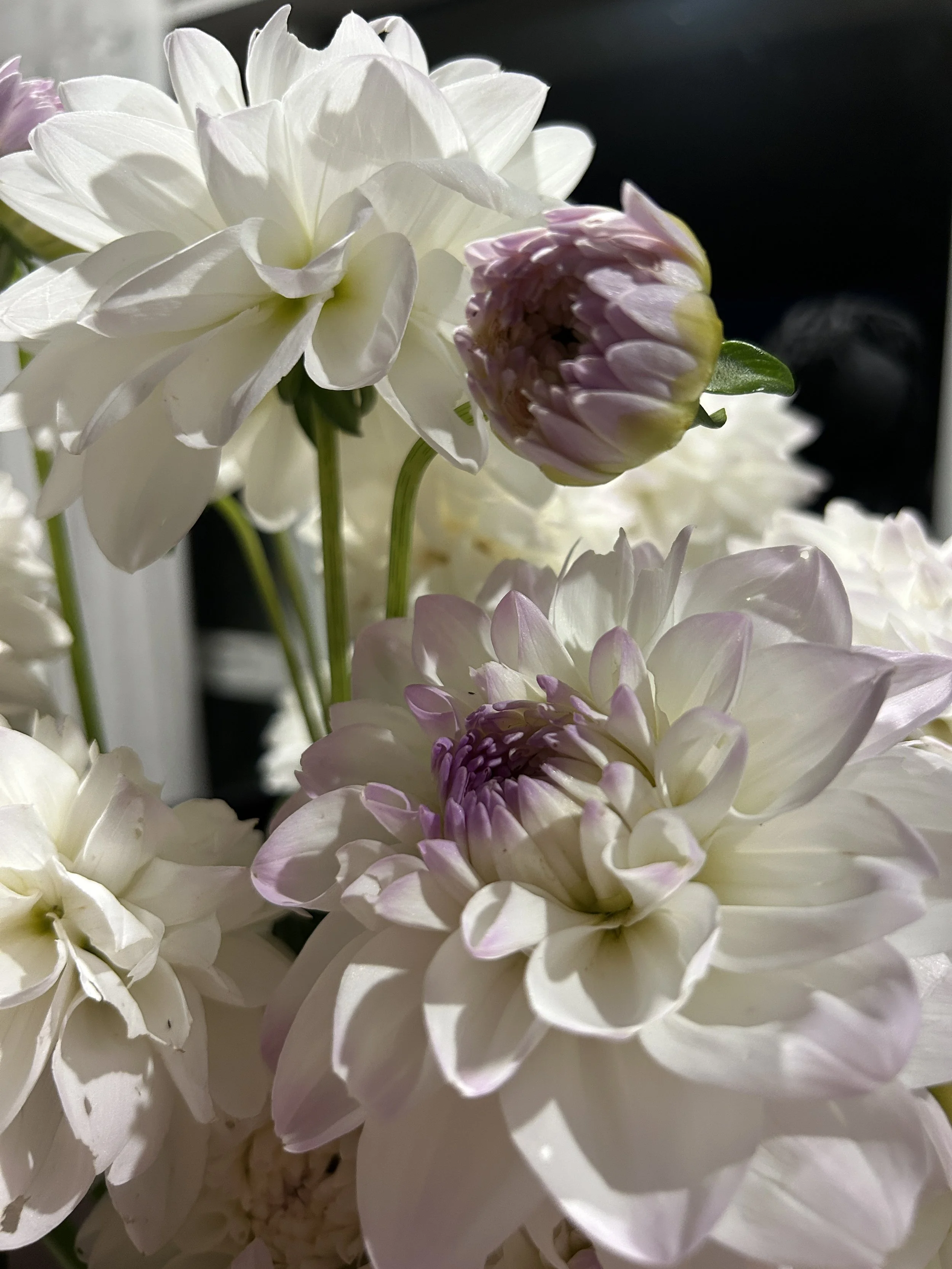
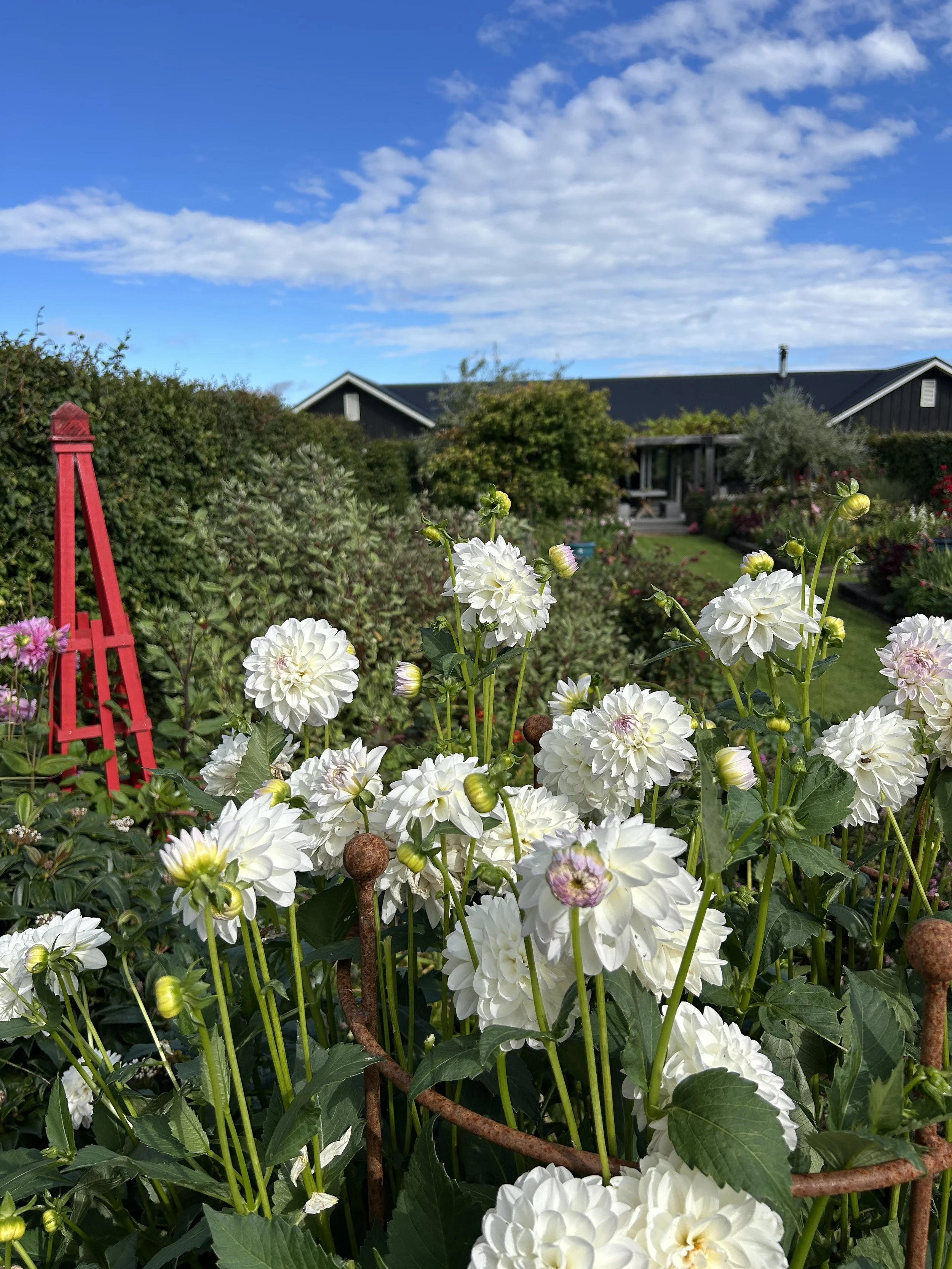
Photos: I don’t have a photo of my flattened Evelines. It was so traumatic, I forgot to photograph it for the sake of posterity.
Then there was the ornamental pear tree. Ah yes. My masterpiece. A savage nor’wester blew it over, but I sprang into action. I righted it, staked it, supported it with the confidence of someone who believes they’ve just outwitted nature itself.
The following year, it thrived. And I thought, ‘Ha! Nature. I won!!’ Another year on, the wind came from the other direction, snapped the tree clean off, and reminded me who’s always been in charge. Nature has excellent timing.
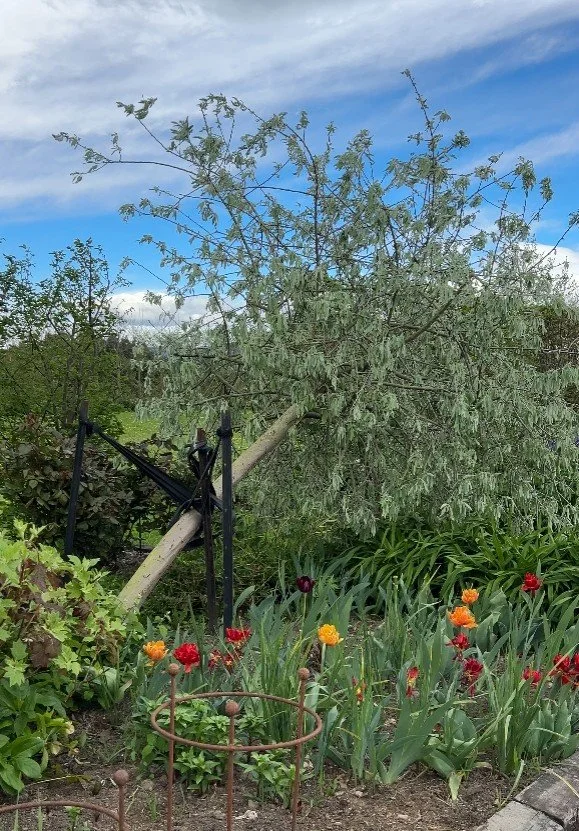
This is the pattern: Declare victory → wait two → be publicly humbled.
Which brings us to the uncomfortable truth: if I hadn’t posted any of this on social media, it probably wouldn’t have happened. Because that’s how the world works.
And yet - here’s the real moral of the story - I will not learn. I will absolutely do it again. I will once more post something smug. I will once more tempt the gardening gods. And I will once more act surprised when karma turns up, two days or two years later, boots on, ready to kick me squarely in the arse.
Because karma is a bitch.
And I, apparently, am a slow learner.
See you in two.

Did you know?
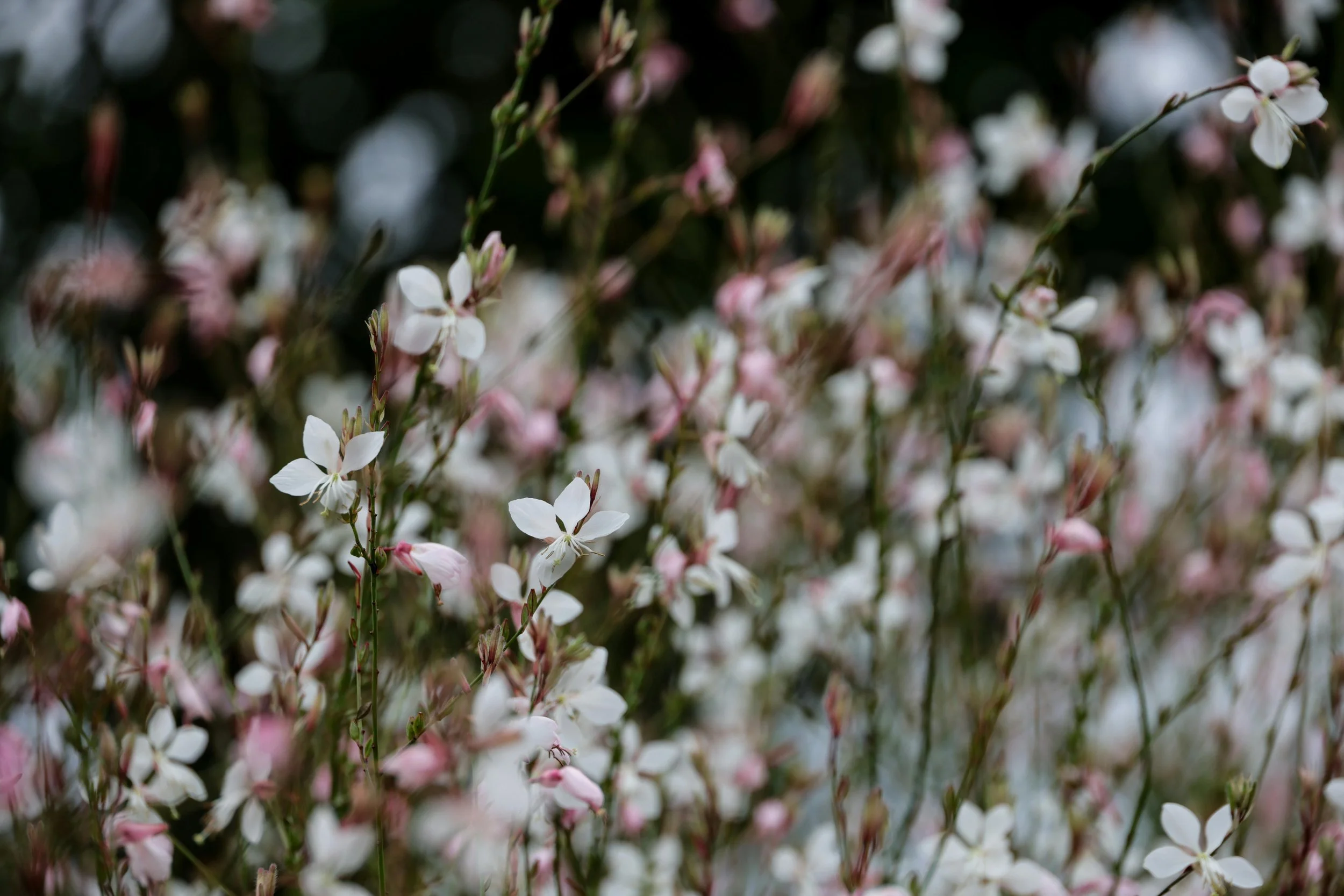
Some perennials bloom less when you’re too generous with fertiliser. Give them rich soil and high nitrogen and they’ll reward you with lush, leafy growth… and very few flowers. Nitrogen fuels stems and foliage, not blooms, so plants like salvia, gaura, lavender and echinacea can end up looking magnificently healthy while quietly refusing to perform. In slightly leaner conditions, they panic just enough to prioritise reproduction - aka actual flowers. It turns out many perennials prefer mild neglect with boundaries. Over-loving them just makes them bulk up and bloom less.
What to do in the garden this week
Northern hemisphere
🍃 MULCH! Winter is in retreat and warming soil causes all those dormant weed seeds to germinate. Mulching helps retain moisture over the warmer months, regulates soil temperature and helps suppress weeds. Will you still get some weeds? Yes. But there’ll be far fewer and they’re easy to pull out. For added weed suppression layer cardboard or wool weed mat under the coarse mulch. It all breaks down over time along with the mulch to add valuable organic matter to your soil. Mulching is great for plant health and excellent for your sanity.
🌹Give your roses a feed with a balanced rose fertiliser.
🔵Acid loving plants such as rhododendrons, camellias and blueberries would like a feed too. You can get fertilisers perfectly designed for these acid lovers.
🌸If you haven’t already, put some stakes in for your taller plants - tall bearded irises, dahlias, lilies etc…- it’s so much easier to do it before they’ve got themselves established and already started to flop.
Southern hemisphere
🥕 Direct sow spinach, silverbeet, carrots, beetroot, radish, coriander and lettuce. Plant out seedlins of broccoli, cauliflower, cabbage, kale, leeks and spring onions.
🧄You can start garlic in late March -April in colder regions.
🌸Plant viola’s and pansies for winter colour.
🌼You can take hardwood cuttings of hydrangeas and salvias to make more free plants for next season.
🥶Make sure you have some frost-cloth at the ready for any tender plants that may need a little help over winter. Even some hardy shrubs can be tender in their first year or two (I’m looking at you Lorapetalum) and need a little help until they’re more established.
What’s new on Behind the Garden Gate
👩🦰Nitty Gritty: a lady is allowed to change her mind…this week I’m telling you all about the garden design features that I’m planning to strenthen in my perennial borders. My garden gets plenty of ‘ooo’s’ and ‘ahhh's’ on social media, but I’ve come to the realisation it’s not without its flaws. And so, I’ve identified what those flaws are, and what I’m going to do about them. In this blog post you’ll come to understand two things: a) a garden is never really finished, and b) design features that can be tweaked to create greater visual impact.
🌸Feature plant: this week it’s all about alstroemeria’s. They’re such a brilliant garden addition, but they have their downsides that you need to be aware of before you plant them. This blog post will help you understand everything you need to know about growing these lovely blooms.
📷Snapshot shed: as usual, more photos to inspire your gardening journey.
As I mentioned a couple of weeks ago, I’m in the process of migrating my articles to Substack. It’s so much better set up for publishing this type of content, and I also think probably a much better user experience for you too. The articles I publish arrive straight to your inbox rather than you having to make an effort to head onto my members-only page to find the content. It’s just easier on Substack. I’ve realised that now, and so I encourage any of you who would like to receive my content in that way to head over and subscribe over there. I have free and paid options. Free subscriptions give you my free Sunday newsletter each week plus all the photos and notes with little tips and guidance that I add to my feed every day. Paid subscribers get all that, plus two additional articles each week with much deeper dives including garden knowledge, design tips, plant care advice, the odd recipe, and a bit of humour. You’ll find me as The Manic Botanic on Substack - not Behind the Garden Gate.
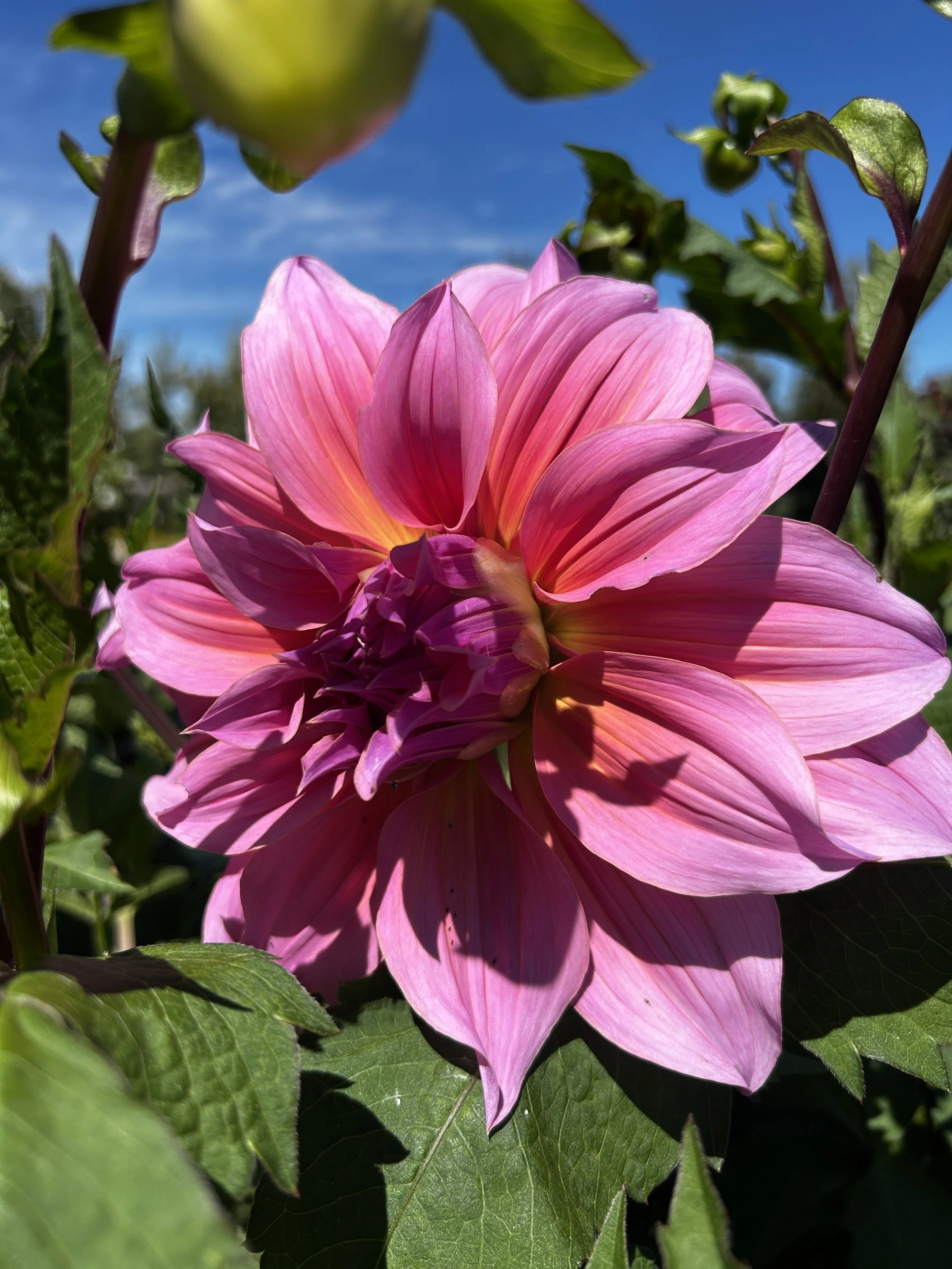
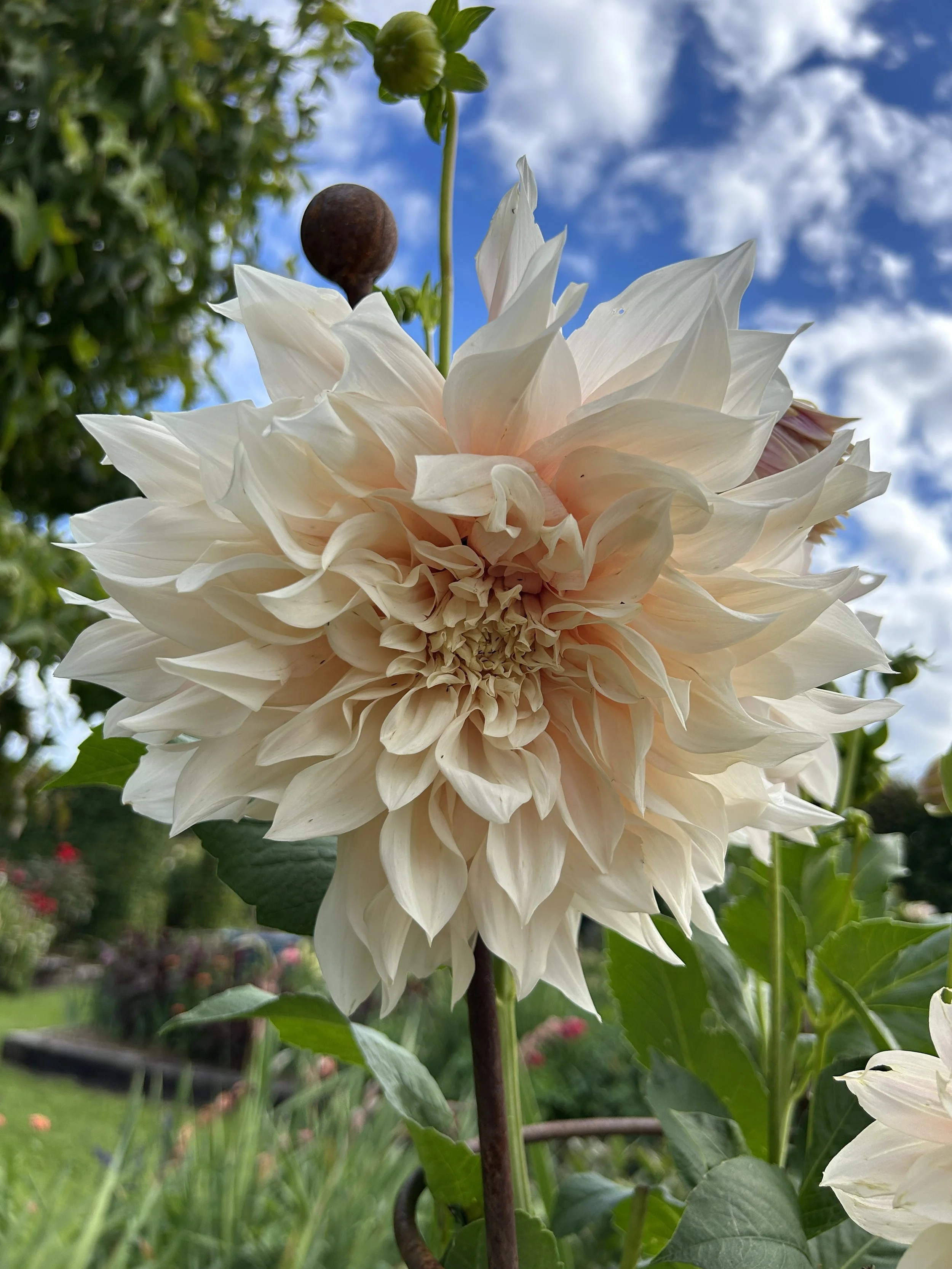
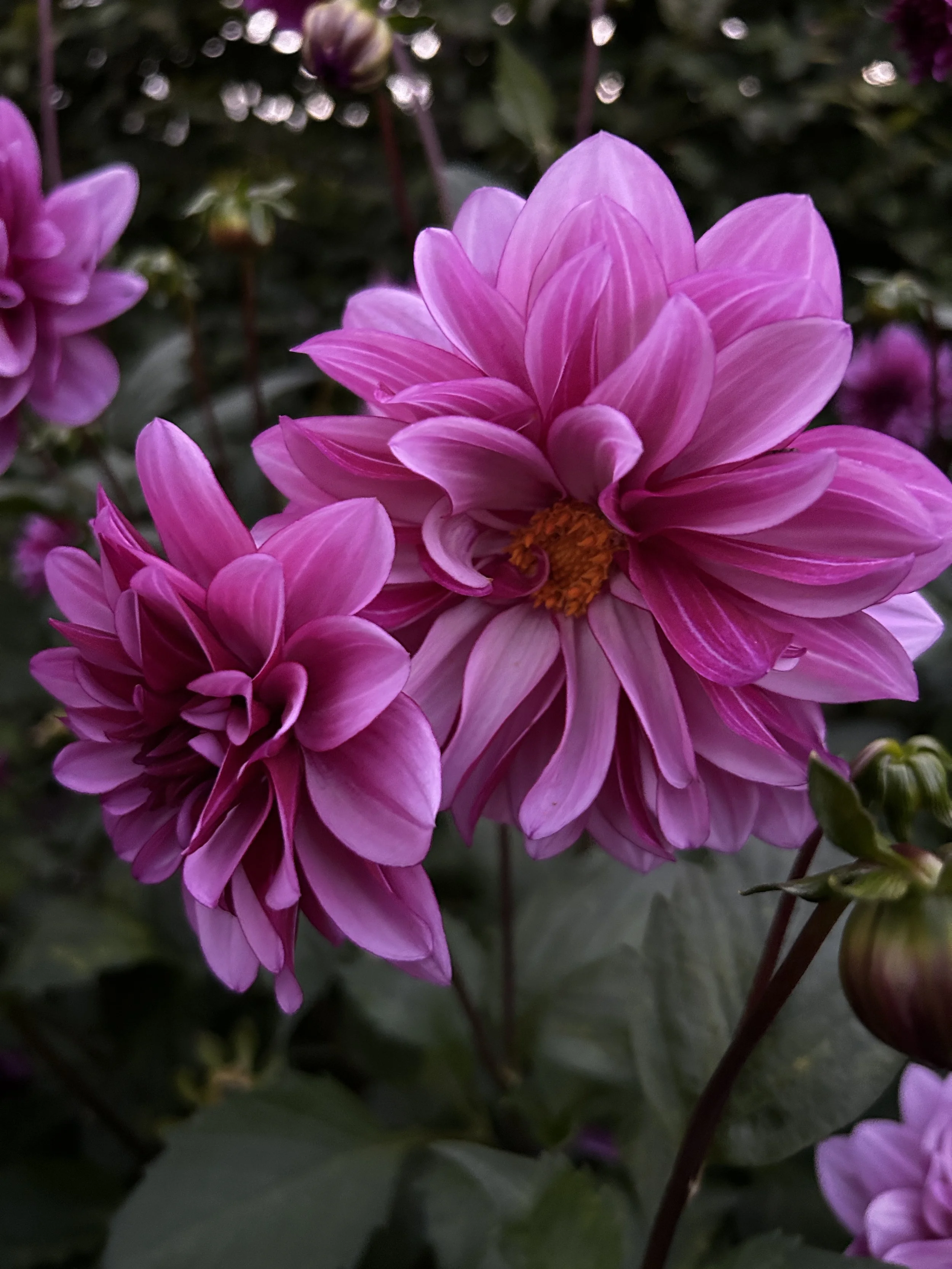
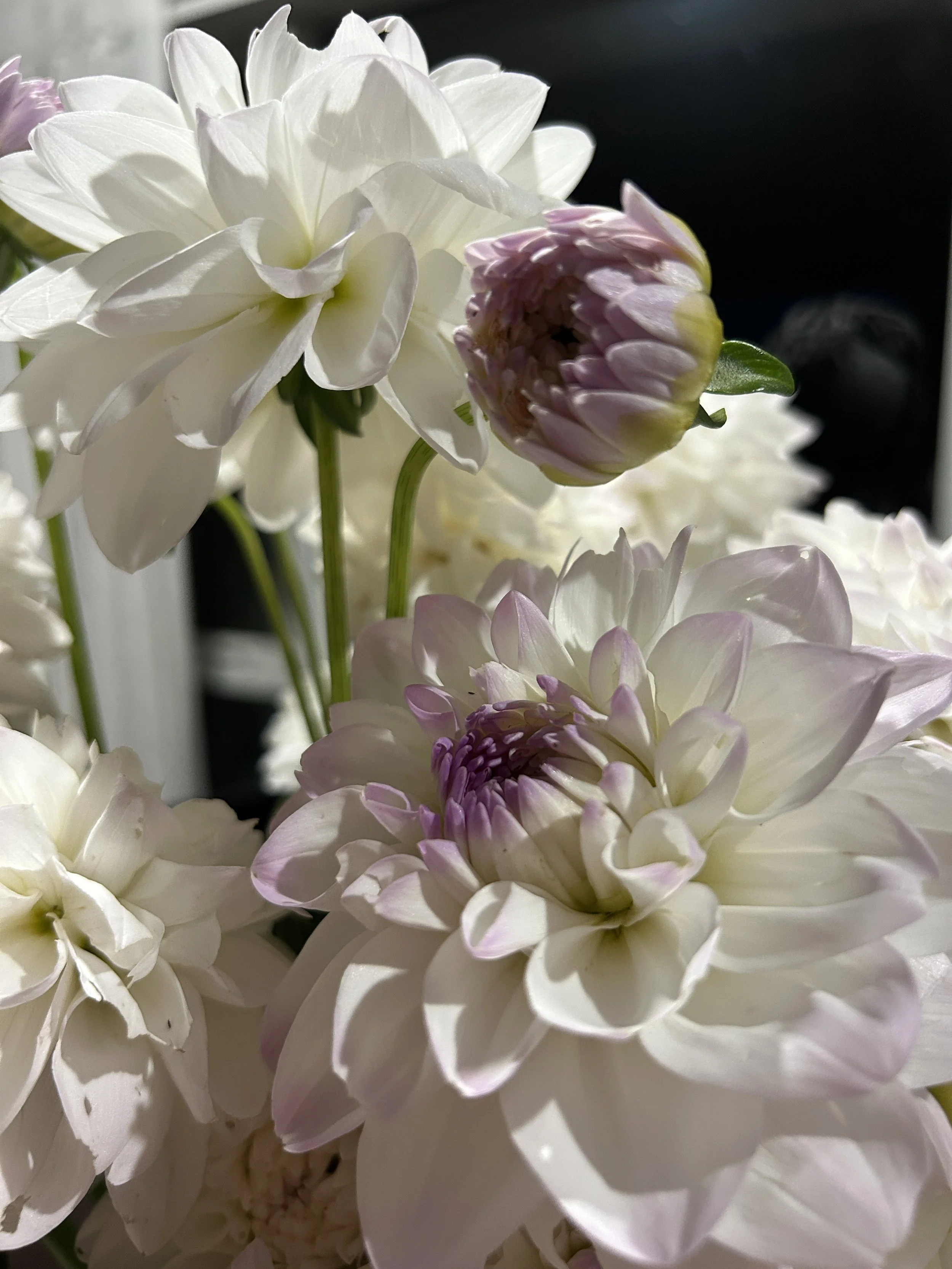
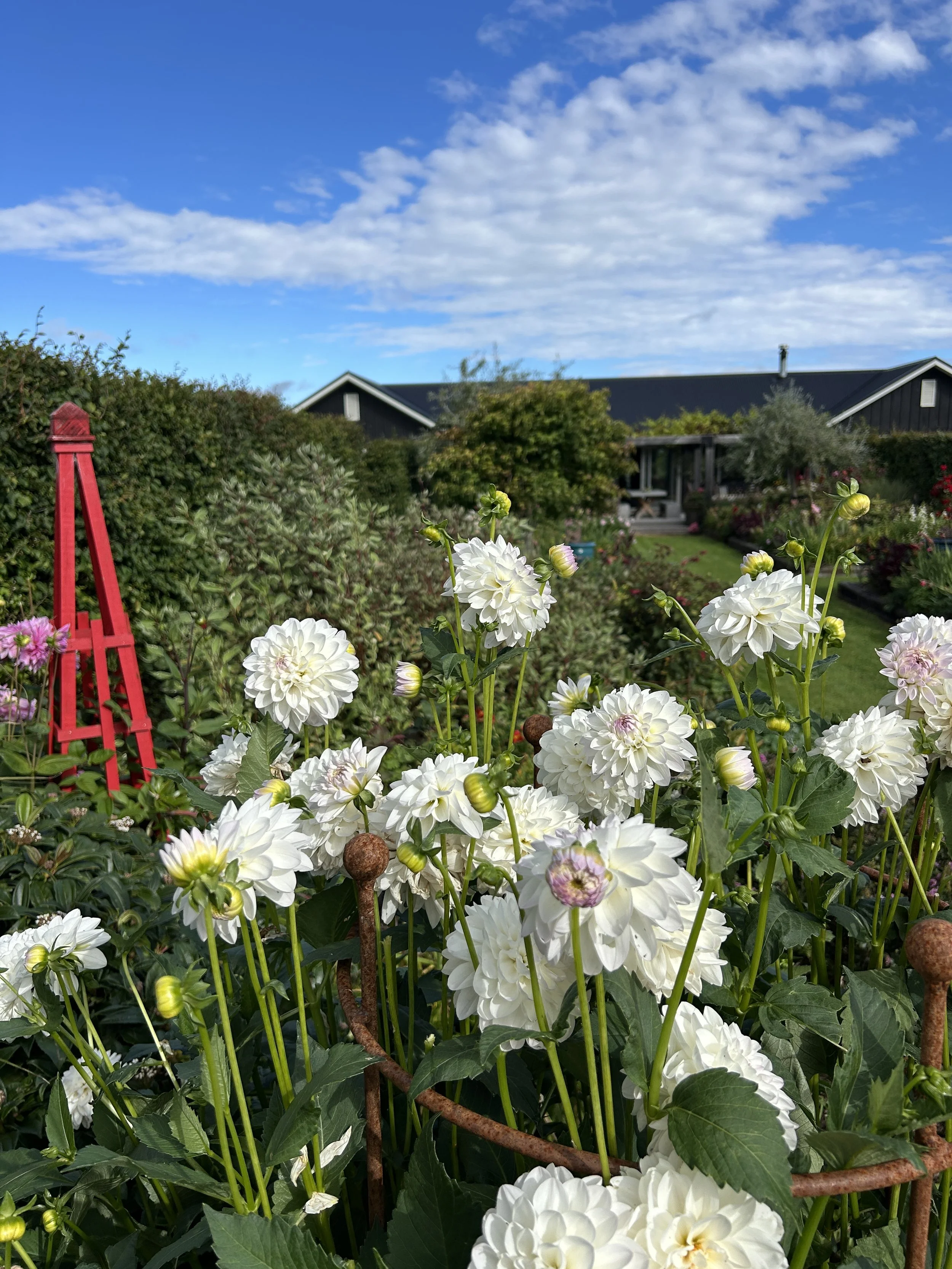
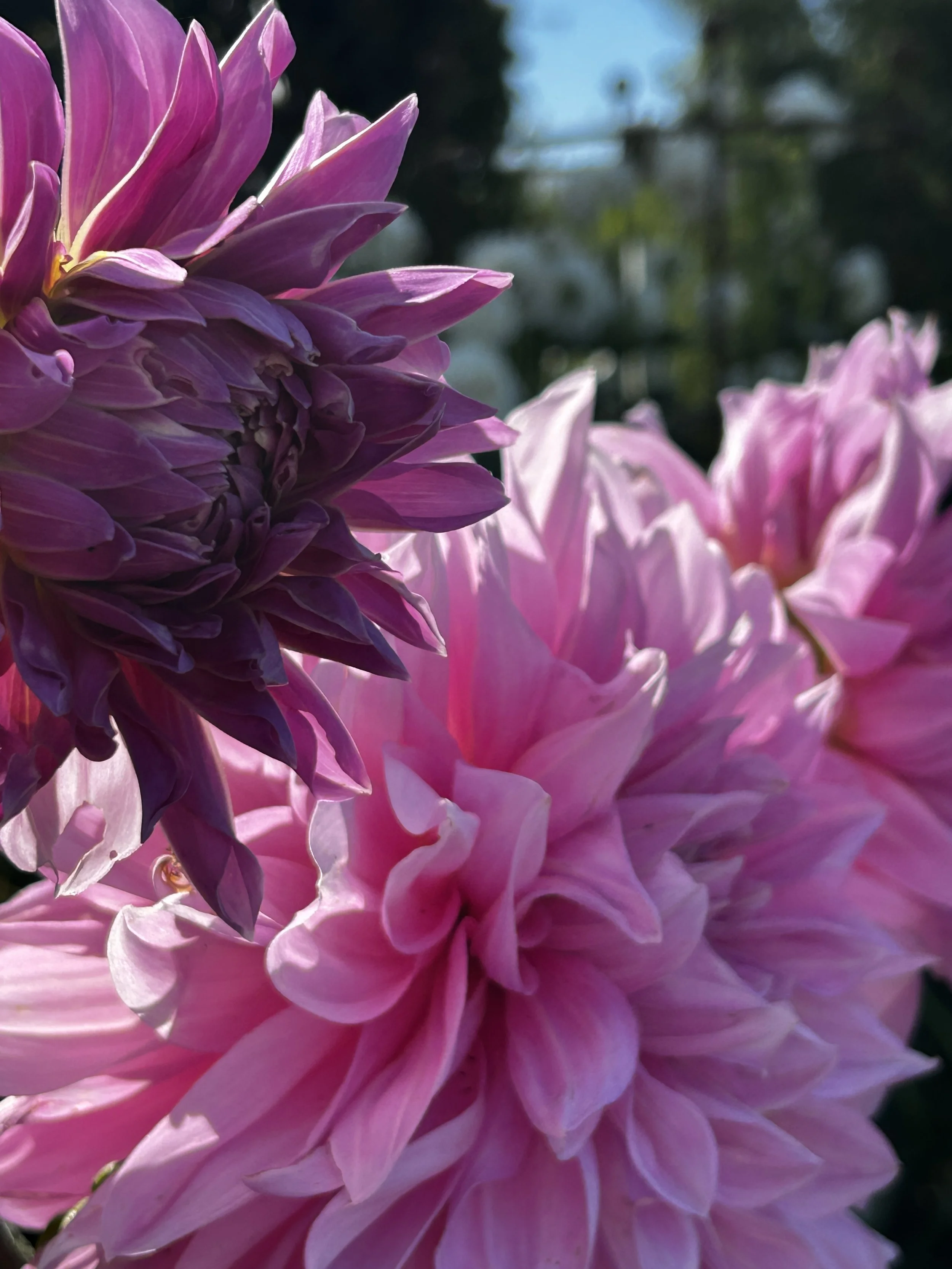
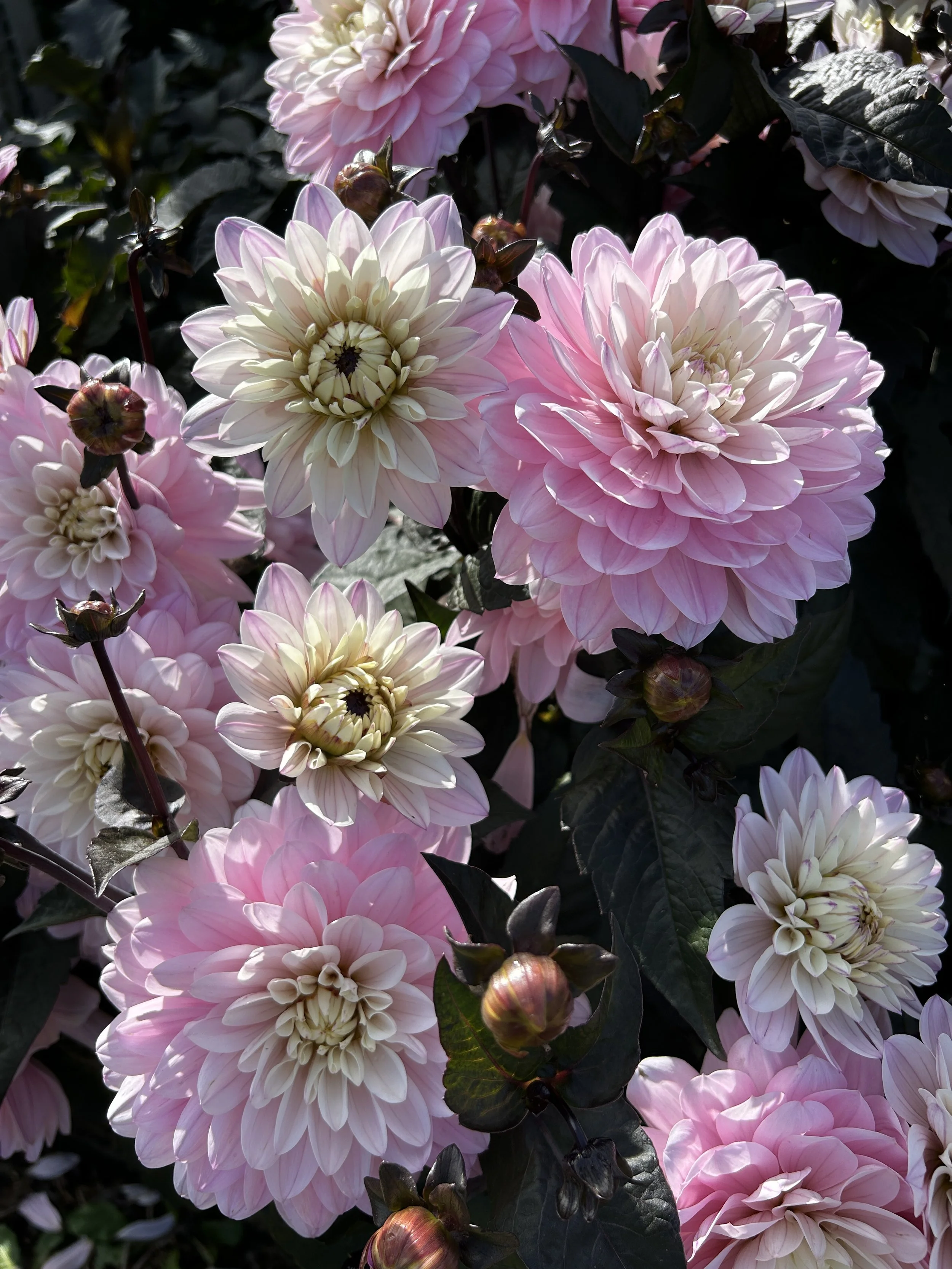
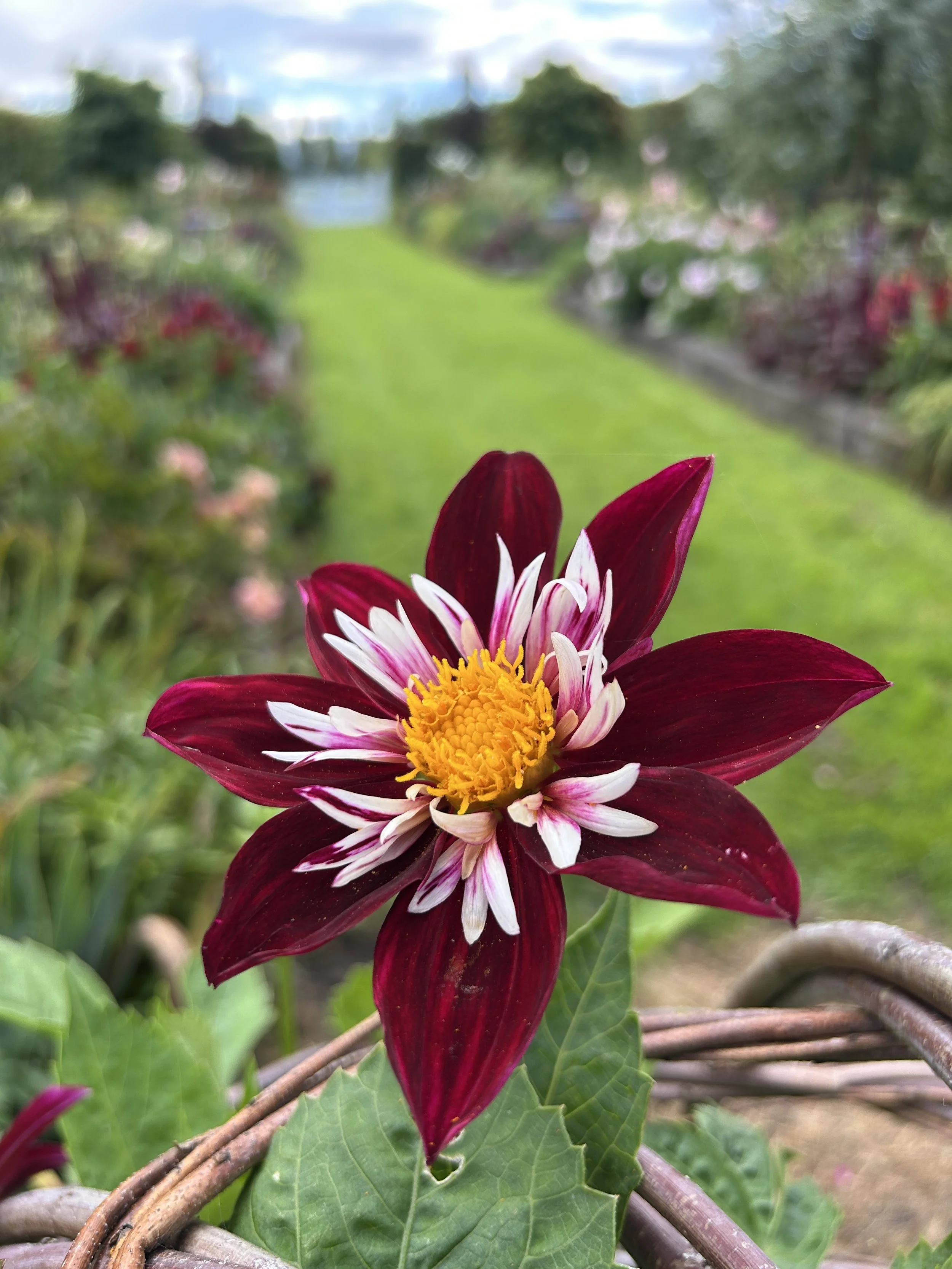
Photos: dahlias from my garden recently. I had a rough start this season. I think I had the new experience of beetles eating all the foliage, so it took a long time for me to get them going. But we got there in the end! From left to right, top to bottom: Arthur Hambley, Cafe au Lait, Blue Bell, Eveline, Eveline in the perennial borders, Lavender Perfection, Melody Harmony and Night Butterfly.