
Hands off the spring bulbs!
Hi,
Welcome to my newsletter (especially to all the new subscribers)!
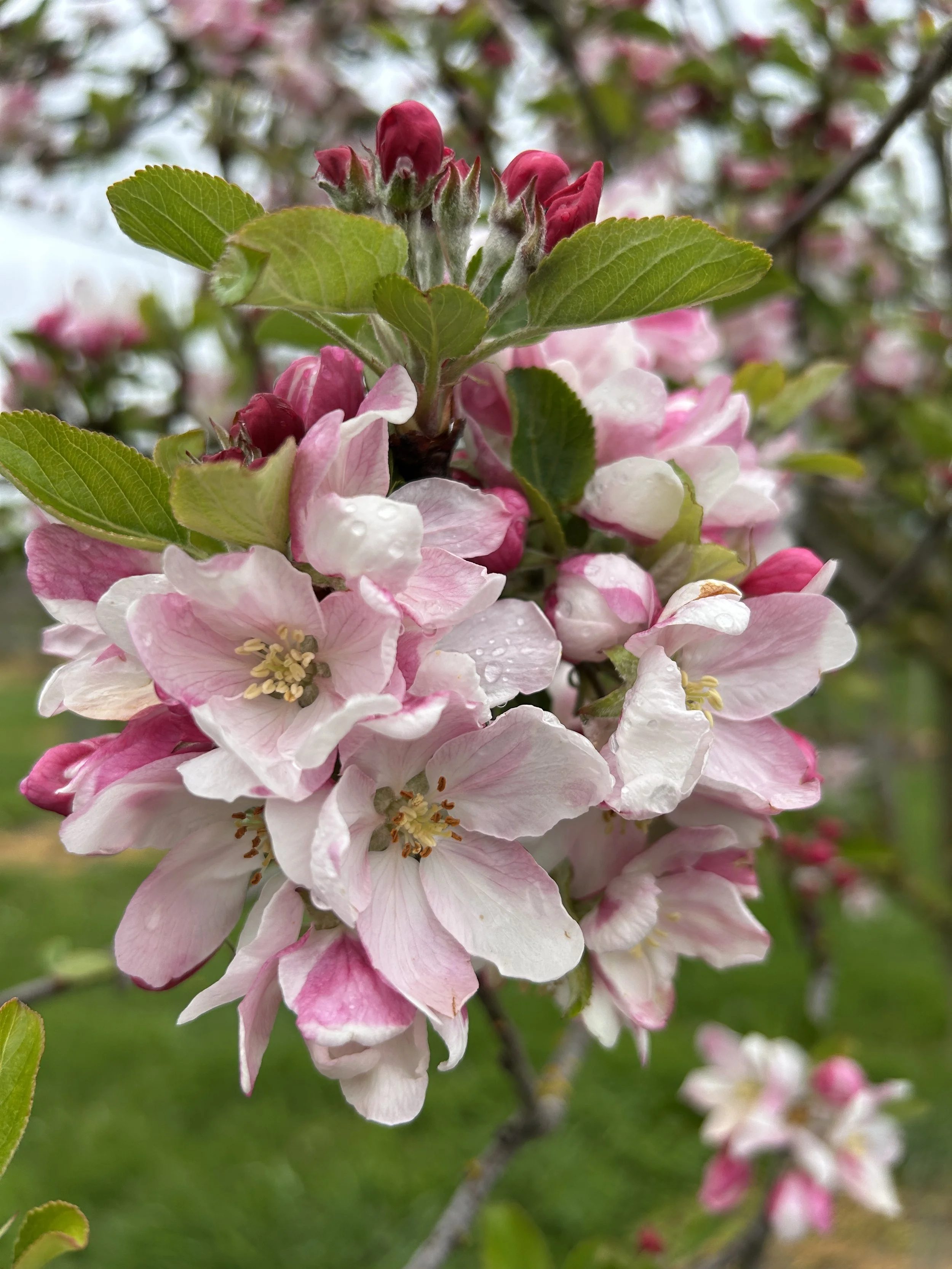
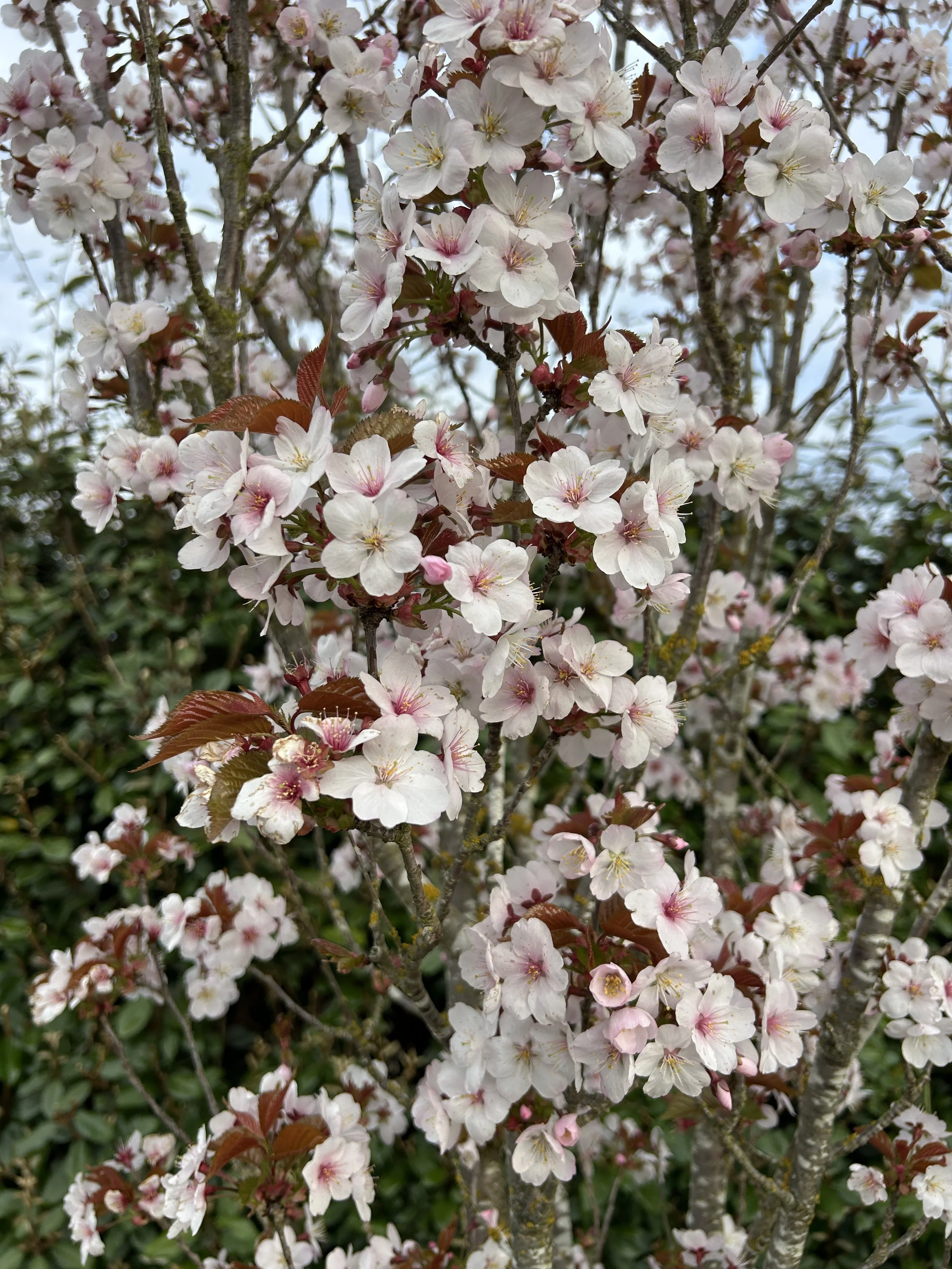
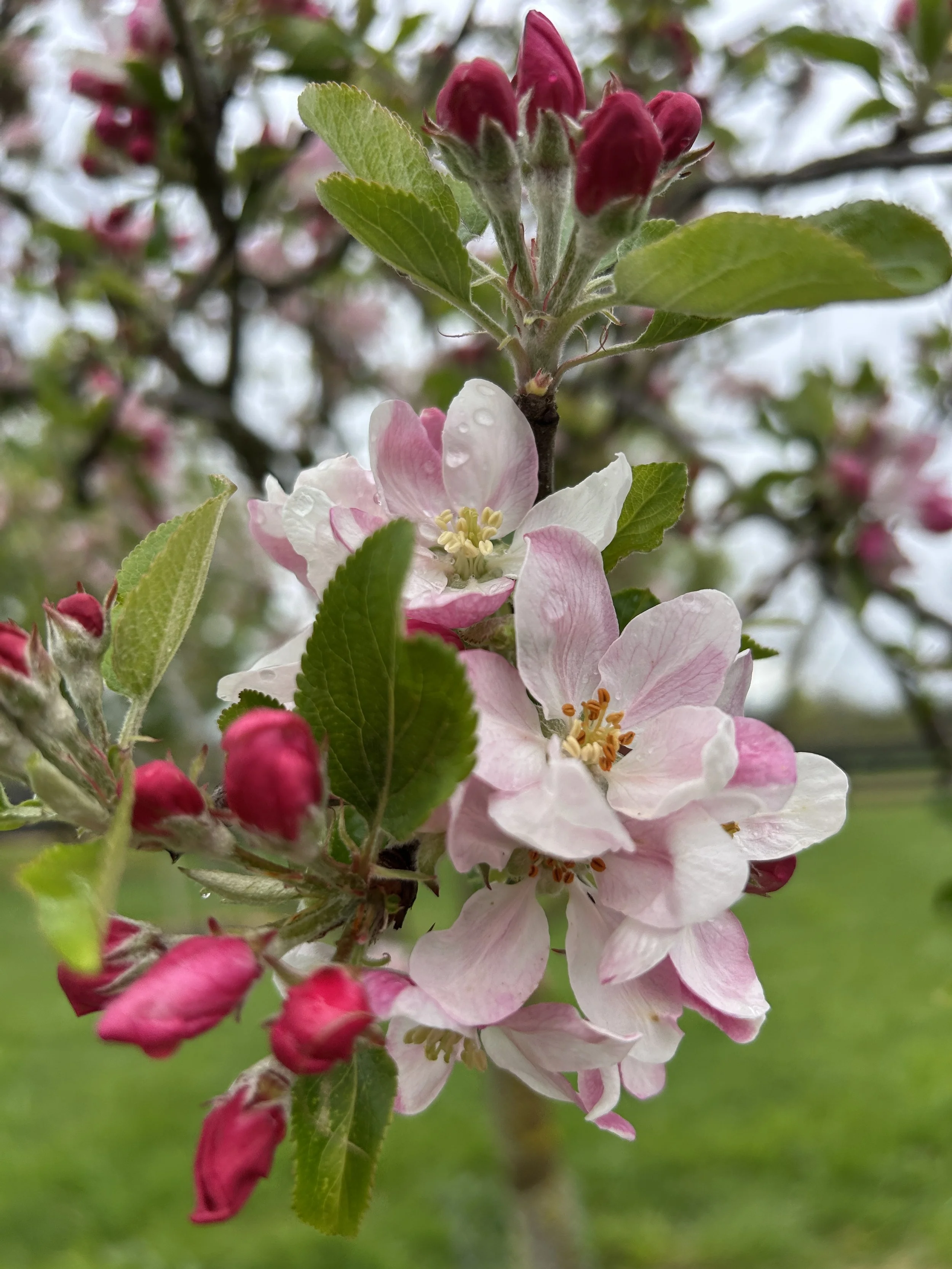
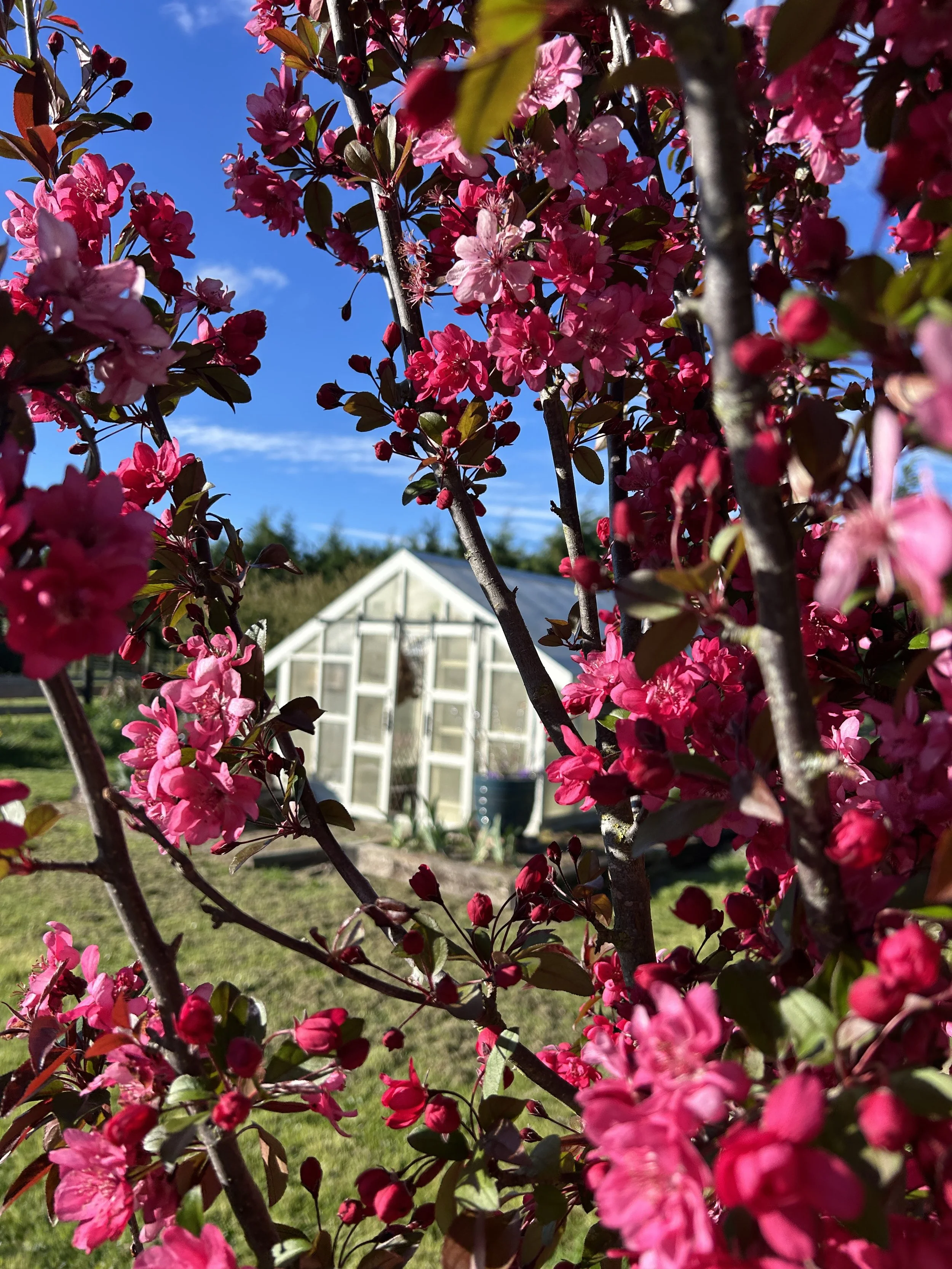
It’s spring here in New Zealand. The bulbs are in their final stages, the crabapple and apple trees are blossoming, the weeds are plotting, and I’m already behind on half the jobs I promised myself I’d get done. For those of you in the northern hemisphere sliding into early autumn, don’t worry, I’ve added a few season-appropriate tasks at the end, so this newsletter still earns its keep.
For those of us in spring, the big themes of my newsletter this week are: bulb foliage, plant supports, watering and veggie garden tasks.
For those in autumn, there’s a to-do list to help you prepare your gardens for the wind-down to winter.
![IMG_5909[1].JPG](https://images.squarespace-cdn.com/content/v1/68a501cca58fdb69735e8c43/1759351990646-JIZ01X70XGJB730WYIAY/IMG_5909%5B1%5D.JPG)
![IMG_5831[1].JPG](https://images.squarespace-cdn.com/content/v1/68a501cca58fdb69735e8c43/1759352112014-LW0SOJ30444GDMP246OH/IMG_5831%5B1%5D.JPG)
![IMG_6139[1].JPG](https://images.squarespace-cdn.com/content/v1/68a501cca58fdb69735e8c43/1759352034579-7OH4BWN299KIYCHR5S9V/IMG_6139%5B1%5D.JPG)
![IMG_6167[1].JPG](https://images.squarespace-cdn.com/content/v1/68a501cca58fdb69735e8c43/1759352077733-7TG2FLLX3TS4UT0EXKBN/IMG_6167%5B1%5D.JPG)
![IMG_6326[1].JPG](https://images.squarespace-cdn.com/content/v1/68a501cca58fdb69735e8c43/1759352178779-UA2WAI33VBJUTCP06G53/IMG_6326%5B1%5D.JPG)
Leave the bulb foliage alone! It’s doing important work
I know, I know…. the tulip and daffodil leaves are now flopping about like a bad hair day. You want to tidy them up. But resist the urge! Those scruffy green leaves are like solar panels for the bulbs.
Once the flowers finish, the leaves keep converting sunlight into energy that the bulb stores away for next year’s display. Chop them off too early and you’ve basically unplugged the charger.
A few coping tricks for the messy look:
Interplant bulbs with later-emerging perennials so their fresh foliage hides the tatty leaves of your fading bulbs.
If the bulbs are in pots, shift the pots out of sight for a few weeks and cut the foliage back once it’s died off naturally.
Deadhead the spent flowers so they don’t waste energy on seeds, but leave the leaves until they go yellow and collapse (isn’t the English language crazy… ‘leave the leaves’! 😊).
Don’t do that thing where people tie them in knots. It’s not great for the bulb as it prevents sunlight getting into the centre of your tied up clumps. Better just to take the ugly phase on the chin and turn a blind eye for a few weeks.
Pots vs garden beds:
Tulips in cold climates rarely do as well in the same pot two years in a row, so once the foliage is gone, it’s best to lift and plant them in the garden. Daffodils and most other spring bulbs are much less fussy and can stay put.
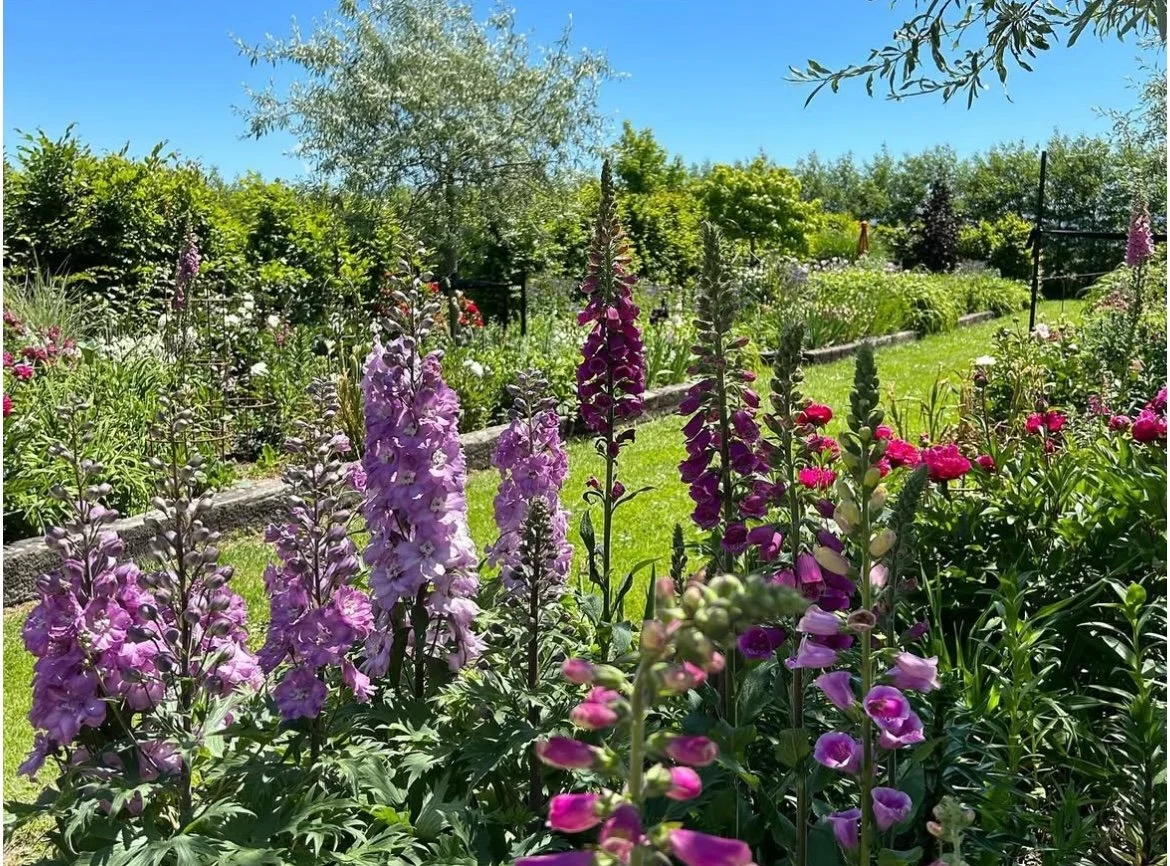
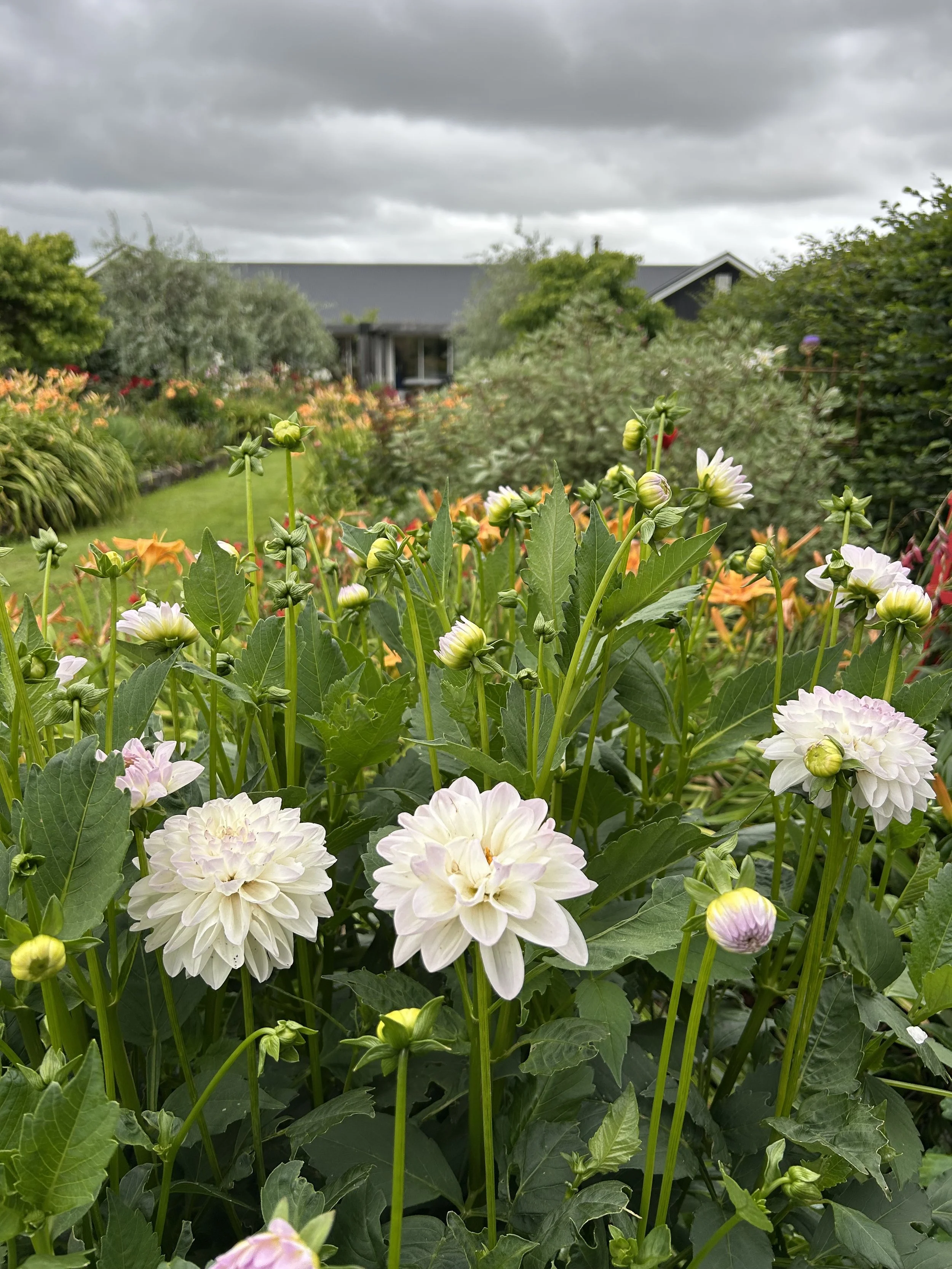
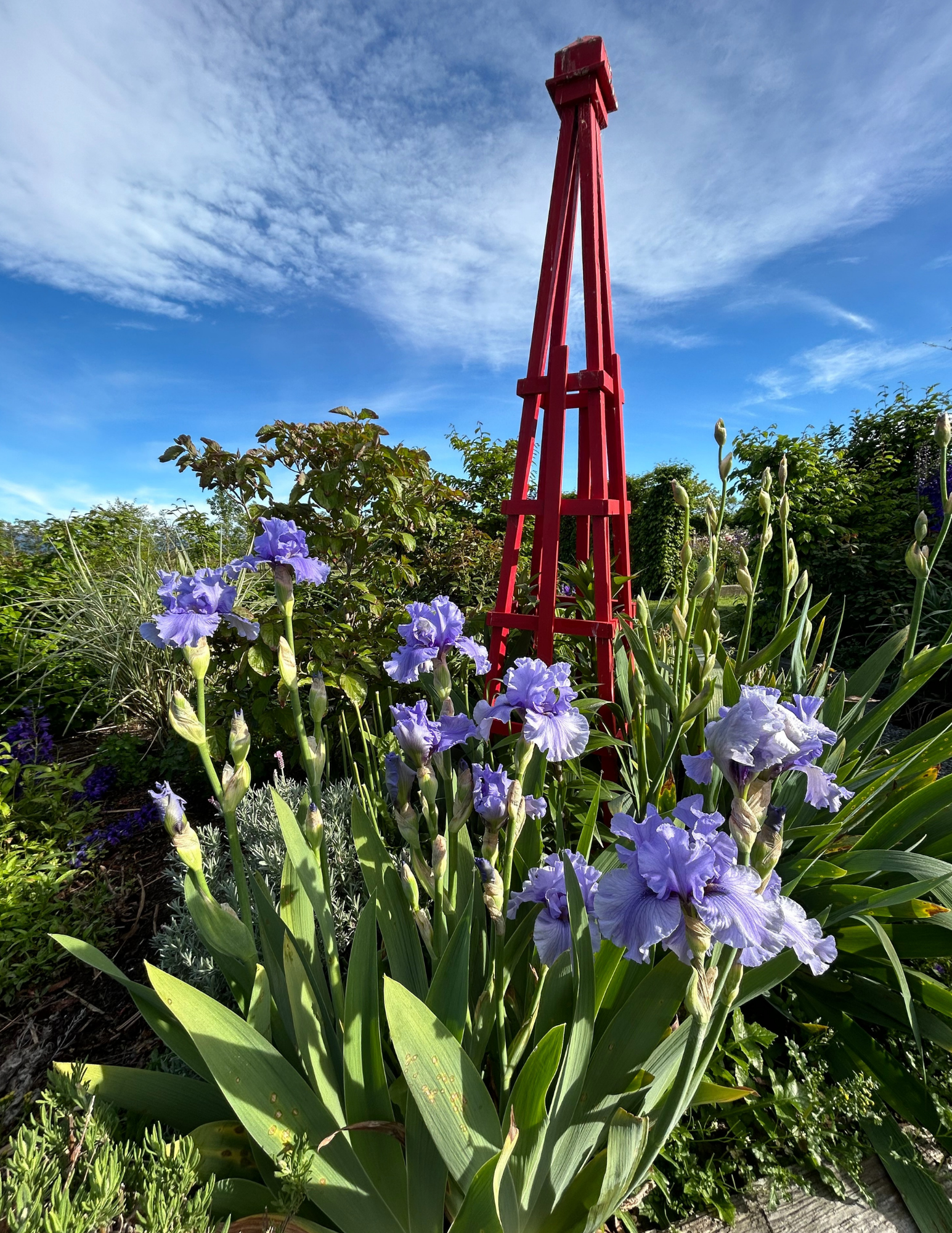
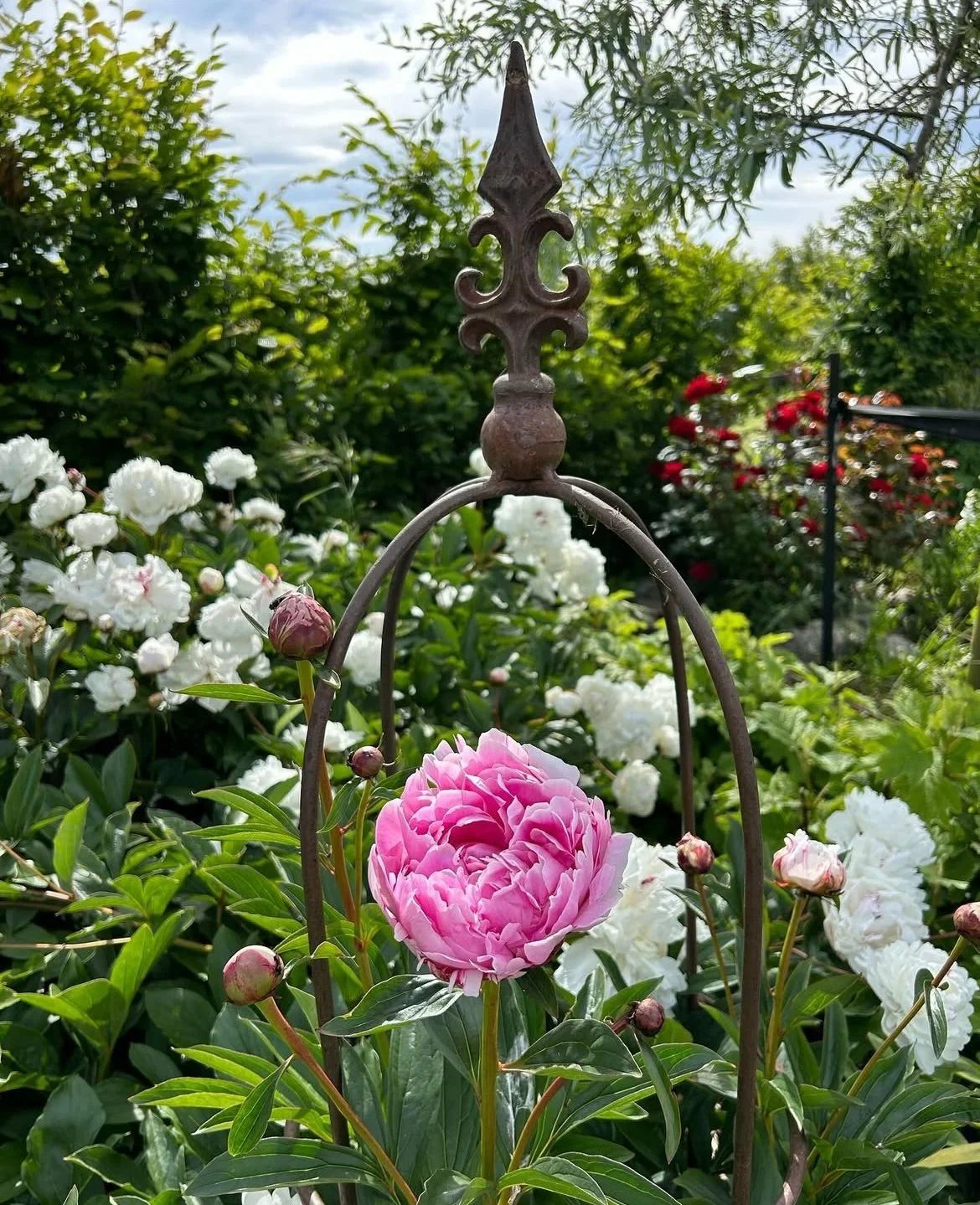
Photos: Delphinium ‘Mini Stars’ has proven to be very robust against wind. They’re bred to be shorter and stronger and so I’ve not needed to stake mine but all other delphiniums benefit from staking; this white Eveline dahlia display looked beautiful, until it didn’t - flopped on the ground like pancakes a few days after this photo was taken due to a thunderstorm; tall bearded irises also benefit from a staking otherwise they’ll flop when moisture makes the blooms heavy.
Stake now… before the wind and rain prove you should have
Last summer, a thunderstorm flattened my beautiful white ‘Eveline’ dahlias. The whole display went from “showstopper” to “pancake” overnight because I hadn’t staked them early enough. Arrrgghhh!!!
I spent the next several months being grumpy with myself every time I wandered past that particular spot in the garden. Lesson learned: get supports in while the shoots are still short and easy to work around.
You can use:
Sturdy bamboo canes or metal rods (cheap and effective). Stick a little terracotta pot or something decorative on top of the stake so you don’t bend over one day to weed and poke your eye out. It happens!
Hoops, spirals, or obelisks for a decorative touch
Willow wigwams or anything else that suits your style and budget
Plants that benefit from early support include dahlias, peonies, tall irises, delphiniums, hollyhocks… really, anything tall and a bit top-heavy.

Watering: a gentle reminder for the greenhouse
Here’s the thing about spring…. on rainy days it’s easy to think the whole garden is getting a good drink. But your greenhouse misses every drop.
It’s a bit of a psychological trick. You look outside, see the rain, and subconsciously tick “watering” off your list. So just make sure you consciously check the greenhouse. I’m highly prone to falling into this trap. I like to blame it on menopause brain fog so I don’t have to take full responsibility for my watering inaction.
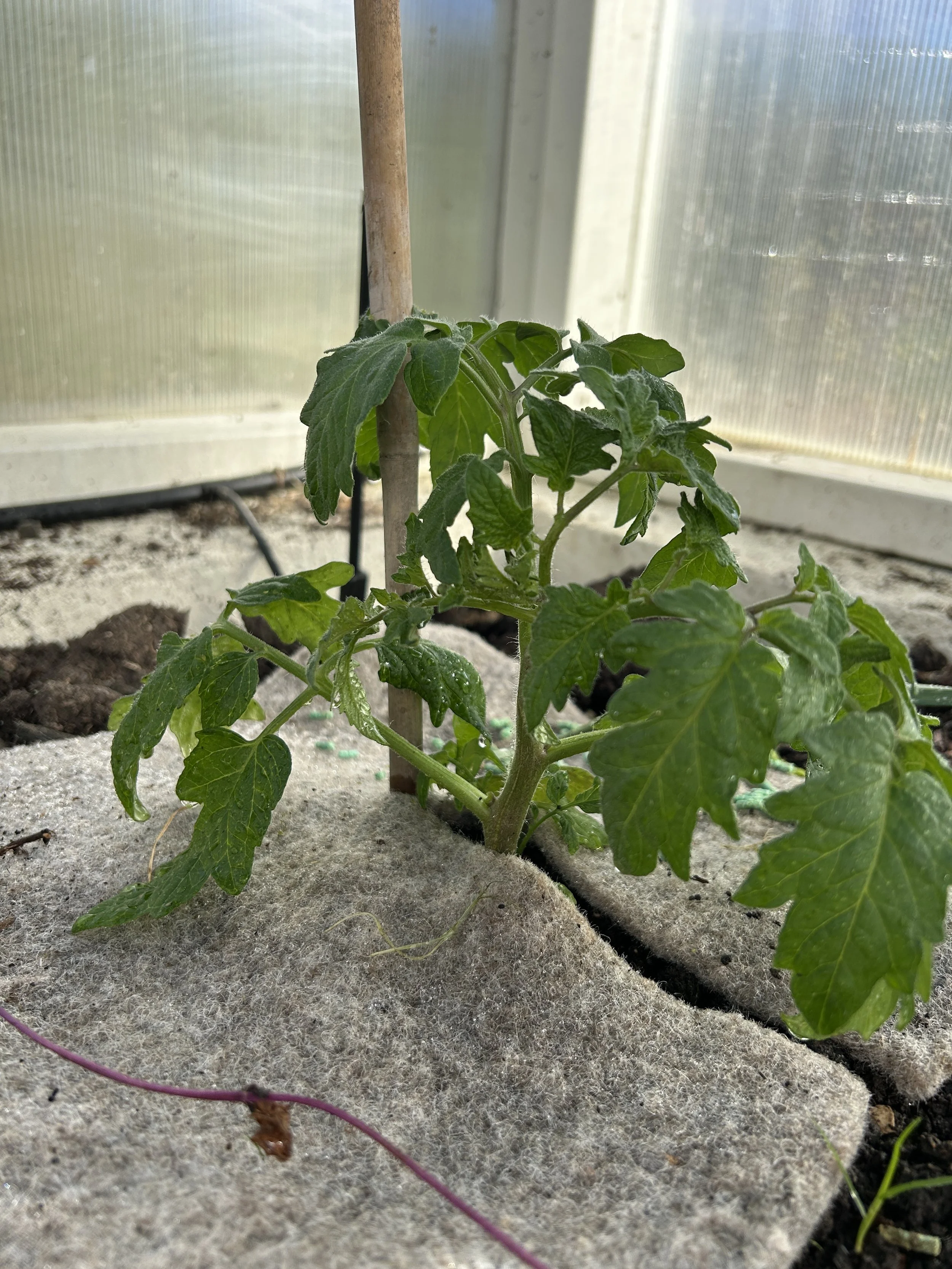
In early spring I usually hand-water young seedlings in there because overhead irrigation can splash foliage and encourage fungal issues. Once the plants get bigger and more robust, I switch to the irrigation system. Irrigation will save your sanity. It’s right up there with mulching.
I highly recommend putting in a simple irrigation system to your greenhouse or veggie patch to save you many hours of standing around with a hose. Unless of course you like to do it in the evenings with a glass of wine in hand, in which case you can pretend its date night - but with plants.
For pots, start regular deep watering now (unless nature is doing it for you). Don’t just give them a quick sprinkle. Water slowly so the moisture reaches the middle of the pot where the roots really are. And although most pots drain well, it’s still worth checking that you’re not keeping them perpetually soggy.
Veggie garden tasks heading into mid-spring
Mid-spring is when the veggie garden really starts to wake up. The soil’s warming, the frosts are (mostly) behind us, and it’s time to get serious about planting.
Seed sowing
Now’s the moment to sow or plant your summer staples: beans, sweetcorn, courgettes, cucumbers, pumpkins, salad greens, and later in the month, outdoor tomatoes if your nights are staying mild.
Keep a bit of frost cloth or a few plastic cloches handy though. Spring adheres to Murphy’s Law and likes to throw the odd cold snap just when you’ve planted everything. A few quick tips on seed raising….
They germinate at or above 15 degrees Celsius (59 degrees Fahrenheit), so depending on where you live, time your seed sowing for these temperatures, or sow indoors for transplanting.
The general rule for sowing depth is twice the width of the seed. Some very small seeds only need to be sprinkled on the surface of the soil. Your seed packets should give you sowing depth instructions, but if not, then go with the ‘twice the width’ rule and you will usually have success.
Keep the soil moist but not waterlogged. Seeds need consistency of moisture.
Expect some not to germinate. It happens. That’s why it’s best to sow a few more than you need so you’ve got yourself covered for the inevitable duds.
And don’t forget to succession-plant quick growers like lettuce, radishes, and spinach every few weeks so you don’t end up with a glut all at once (been there, regretted it). Succession planting means to sow groups of seeds a few weeks apart, staggering the timing of maturity.
Veggie beds
Make sure your beds are weed-free, well-composted, and mulched to conserve moisture as the days get warmer.
If you haven’t already, set up (or check) your watering system. It’s much easier to do it now than when the garden’s a jungle.
Mid-spring’s also a good time to get your supports in place for climbing beans and tall tomatoes before they turn into an unruly tangle.
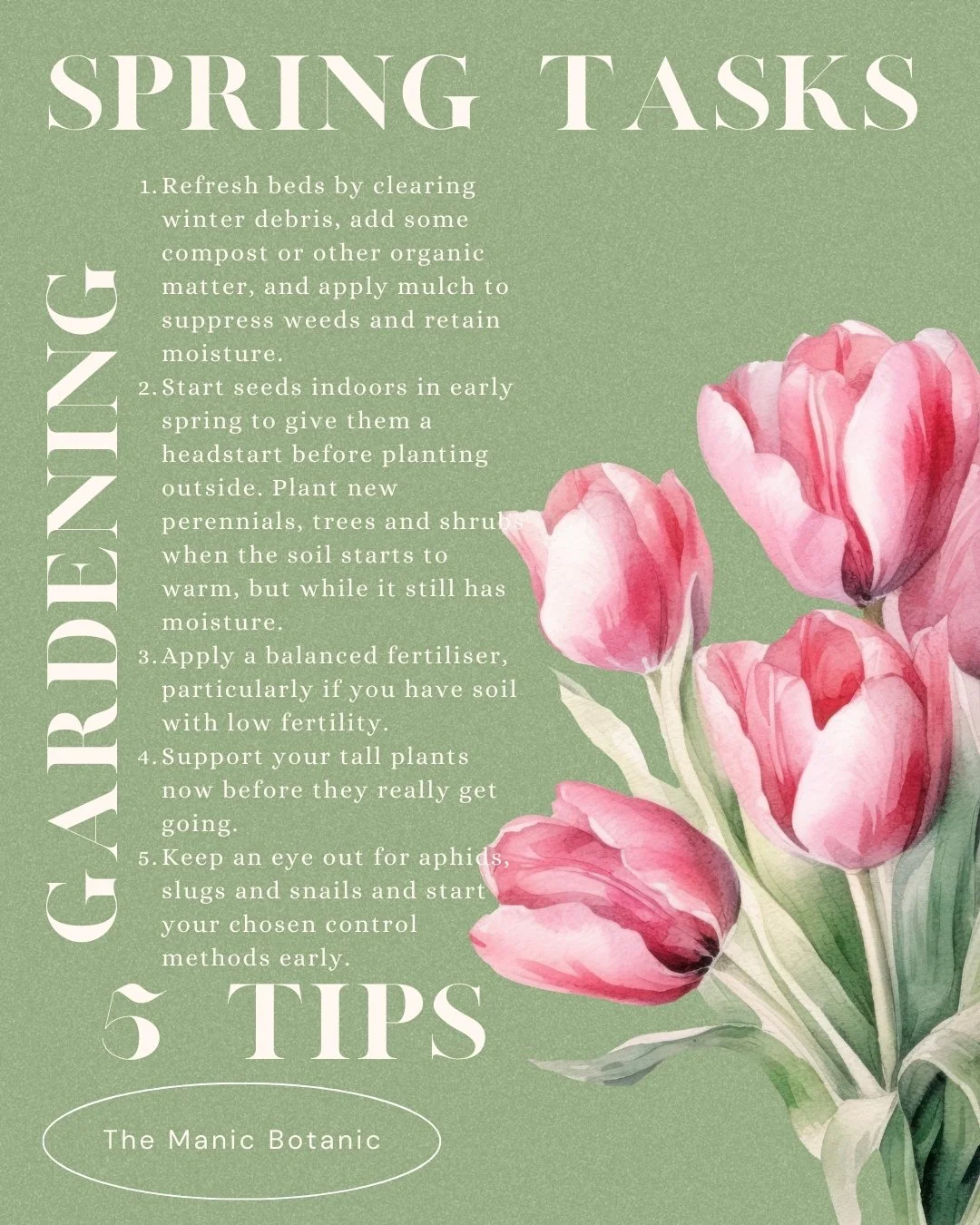
🌱 Spring to-do checklist
Leave bulb foliage to feed the bulbs for next year.
Stake tall plants now before they grow into a tangle.
Remember to check watering needs in the greenhouse and give pots a proper soak.
Sow and plant summer staples in the veggie garden, and don’t forget to succession plant for a continuous supply.
🍂 A note for northern hemisphere gardeners
While we’re in spring down here, you’re heading into autumn, which has its own important jobs.
Autumn is the busiest time in my garden, and it’s the best time to set yourself up for a booming spring and summer ahead. Your future self will thank your current self for all the effort you make in autumn. Believe me!
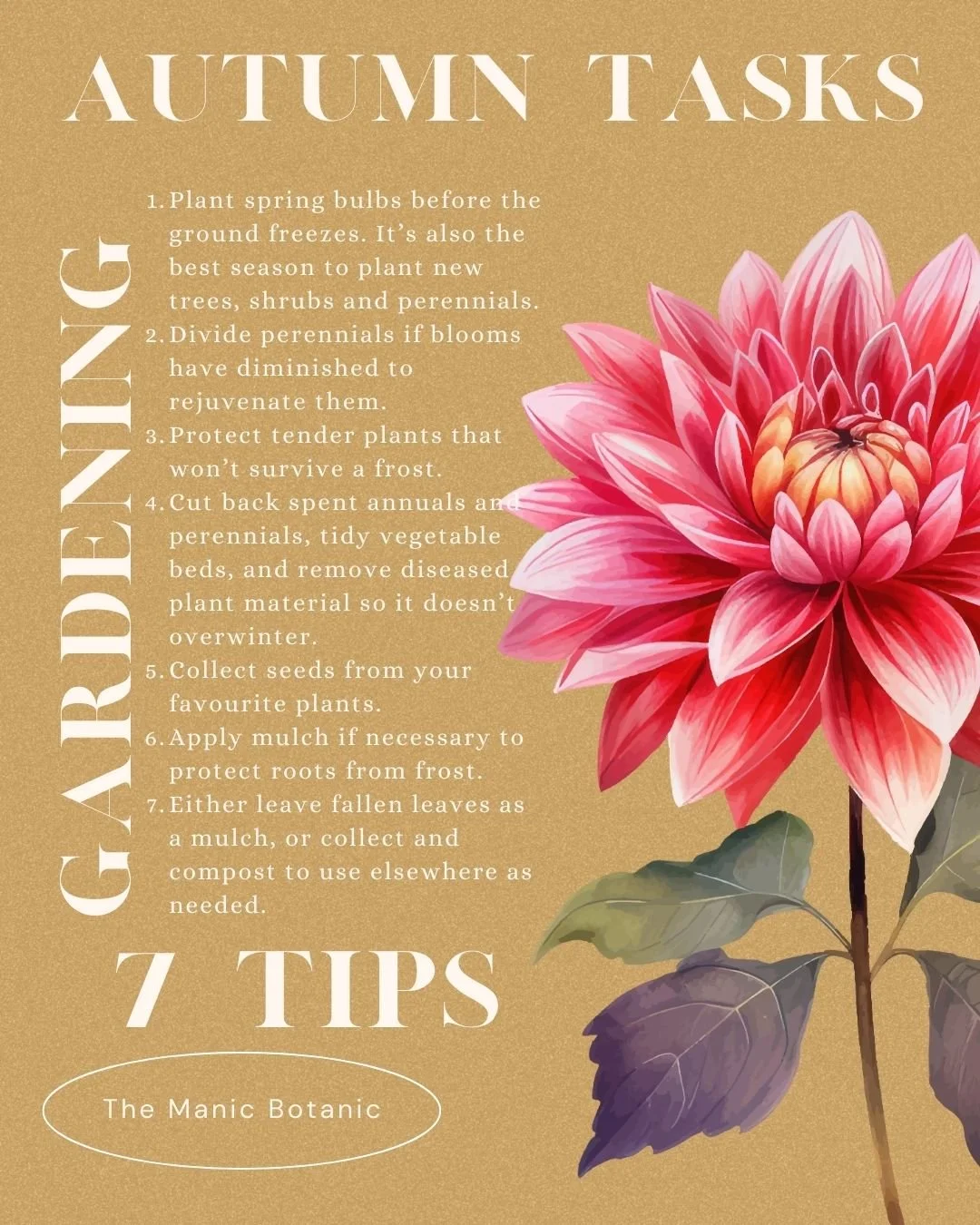
I’ve added my standard Autumn task list image below, but here’s a few more ideas you can be working on at this time of year:
Prune dead or damaged branches from trees and shrubs.
Leave the leaves (mostly): they make excellent leaf mould…. a soil-improving mulch that develops over about one to two years.
If the leaves are on your lawn and you can’t live with them there, rake them up and pile them somewhere to compost.
Leaf mould doesn’t add much fertility, but it’s fantastic for improving soil texture and moisture retention.
If you’re a peony lover and have the perfect cold winter climate for them, autumn is the best time to plant them or transplant them. They hate being moved and may sulk for a year or three, but you’ll have the least sulky plants by transplanting now if you need to.
In gardening (as in life), it’s often the un-glamorous jobs we do now that set up the really beautiful bits later.
New on Behind the Garden Gate members-only pages this week
Nitty gritty page - a deep dive into the creation of my not-yet-secret Secret Garden, including construction details, planting plans and more.
Garden to table page - a new post - ‘The great veggie betrayal’….what’s that all about?
Feature plant page - a detailed rundown on the quite underrated daylily - a must have for the perennial border, in my humble opinion.
You know those days when… - the page designed to give you a bit of a giggle. What on earth did I dream of doing with Tom Cruise? And WHY is the cat writing to the government?
Earn an income from your garden page - a new entry on how to set up your social media page(s) to enhance your discoverability using Search Engine Optimisation (SEO) techniques.
I’d really appreciate some feedback on Behind the Garden Gate if you have the time. Let me know what you like and what you’d like to see more of. It will really help me tailor those pages to the needs of its members.
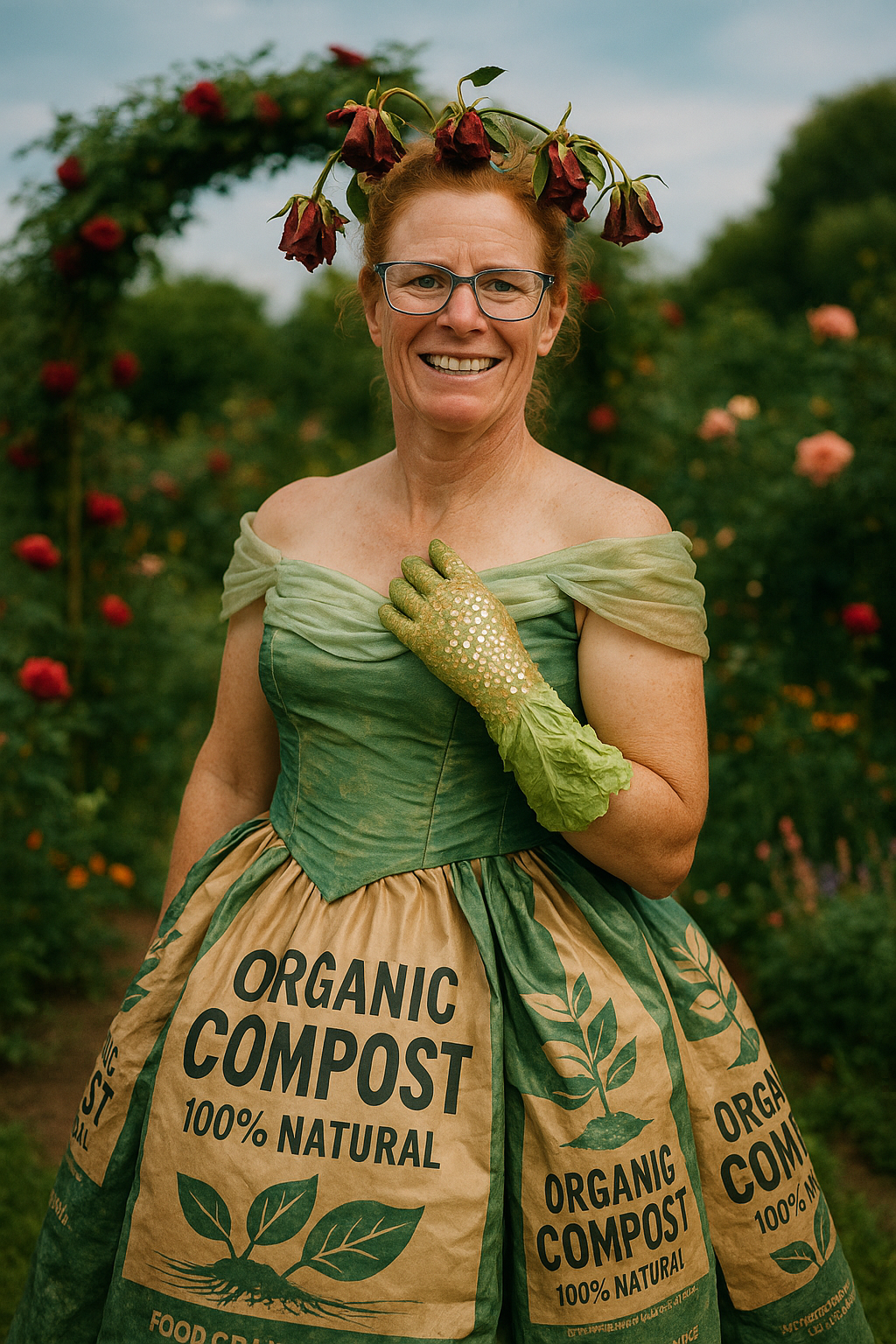
And finally, a word of warning. DON’T ask ChatGPT to make a nice garden themed photo of you standing in your garden. It’s not good for your self-esteem 😄
Thanks again for joining me on this gardening adventure, whether you’re coaxing bulbs through their awkward stage, staking your dahlias, or raking leaves into compost heaps, I very much appreciate your commitment to joining me.
I’m signing off this week with a photo of our new family addition. Meet Beep, so named because she’s a tiny wee beep of a thing.
Beep had a rough start to life, being the only surviving member of triplets, where one was stillborn, and the third was too weak to last very long at all. Beep was heading down the same path, so I intervened rather than let mother nature take its course, and now I’m in a co-parenting arrangement with her biological mum.
Beep is sporting her new, very Gucci jacket, which initially caused her and her sheep mum some level of horror, but which she quickly realised was keeping her toasty warm in the southerly rain and cold.
Spring bulbs might be one sign that spring is well and truly with us, but so too are lambs, and it’s lovely to have a little lady bleating away madly at the sight of her latest milk bottle.
Have a happy week ahead everyone 😊

![IMG_6345[1].JPG](https://images.squarespace-cdn.com/content/v1/68a501cca58fdb69735e8c43/1759353144130-Z0IA0OVVUAJ9H7OFCVRX/IMG_6345%5B1%5D.JPG)