
I think I’m adopted
I think I’m adopted. I’ve suspected it for years. There is simply no other plausible explanation for how I ended up in this family. Don’t get me wrong. The Parental Units and The Sister are lovely people. Sensible even.
This is exactly the problem.
You see, none of them are remotely interested in science fiction or fantasy. Not a little bit interested. Not “I’ve seen a couple of movies” interested. Not even “I vaguely recognise that character” interested.
A few years ago, while discussing the latest Star Wars film, The Sister had the audacity to ask me who Darth Vader was.
Who.
Darth.
Vader.
Was.

In case you don’t know, this is who Darth Vader is. “Luke, I am your faaaaatthheeerrrrrrr”. Ring any bells? That was THE biggest plot twist of all time.
At that point I briefly considered investigating the legal process for divorcing one’s family. I didn’t actually go through with it though, mostly because it sounded like paperwork.
The Parental Units are no better. They cannot stand science fiction because, as they frequently point out, “it’s not real.” I have spent years explaining that this is, in fact, the entire point. Nobody watches Star Trek because they’re hoping it might turn into a documentary halfway through. The fact that it isn’t real is precisely what makes it entertaining. Yet they remain steadfastly committed to reality. Reality! As though we don’t all spend enough time there already.
I’ve therefore concluded that I was either adopted, swapped at birth, or accidentally left behind by a passing alien civilisation.
Gardens and aliens go hand in hand. Yes, really. Because when you really look at gardening objectively, it is an astonishingly weird hobby. Most gardeners don’t notice this because they’re too busy gardening. But if an alien anthropologist landed on Earth and decided to study us, I suspect they’d have questions. Lots of questions. For starters, many of the plants sound less like flowers and more like characters from a science-fiction franchise. Consider the following quiz.
Echinops: plant or bounty hunter?
Nepeta: plant or moon orbiting a distant gas giant?
Scabiosa: flower or highly contagious interplanetary disease?
Kniphofia: perennial or alien ambassador?
Helleborus: winter-flowering plant or wizard from an ancient prophecy?
Honestly, if you told me Echinops and Kniphofia were travelling across the galaxy in a stolen spacecraft while being pursued by Scabiosa the Destroyer, I wouldn’t question it.
But gardening isn’t just science fiction. It’s fantasy as well. In fact, I’d argue that many gardeners are one-pointed hat away from being full-time fantasy novel characters. After all, what is gardening if not the creation of entire worlds?
We build secret pathways that lead nowhere in particular. We create hidden corners. We plant woodland gardens. We install arches, gates and winding paths for no reason other than they look mysterious and suggest that something interesting might be lurking around the corner.
Normal people see an empty space and think, “That could do with a shrub.” Gardeners see an empty space and think, “That could be an enchanted glade.”
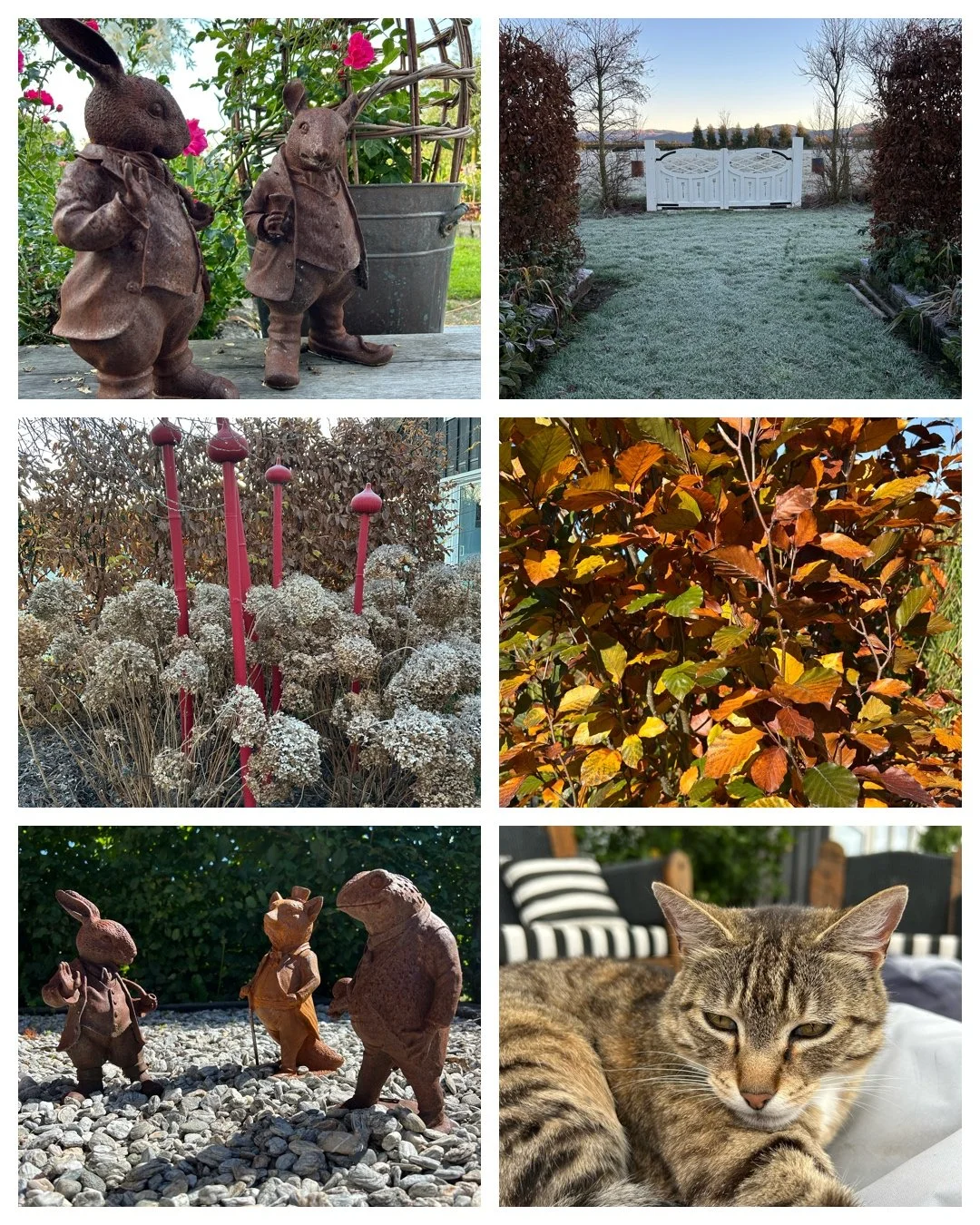
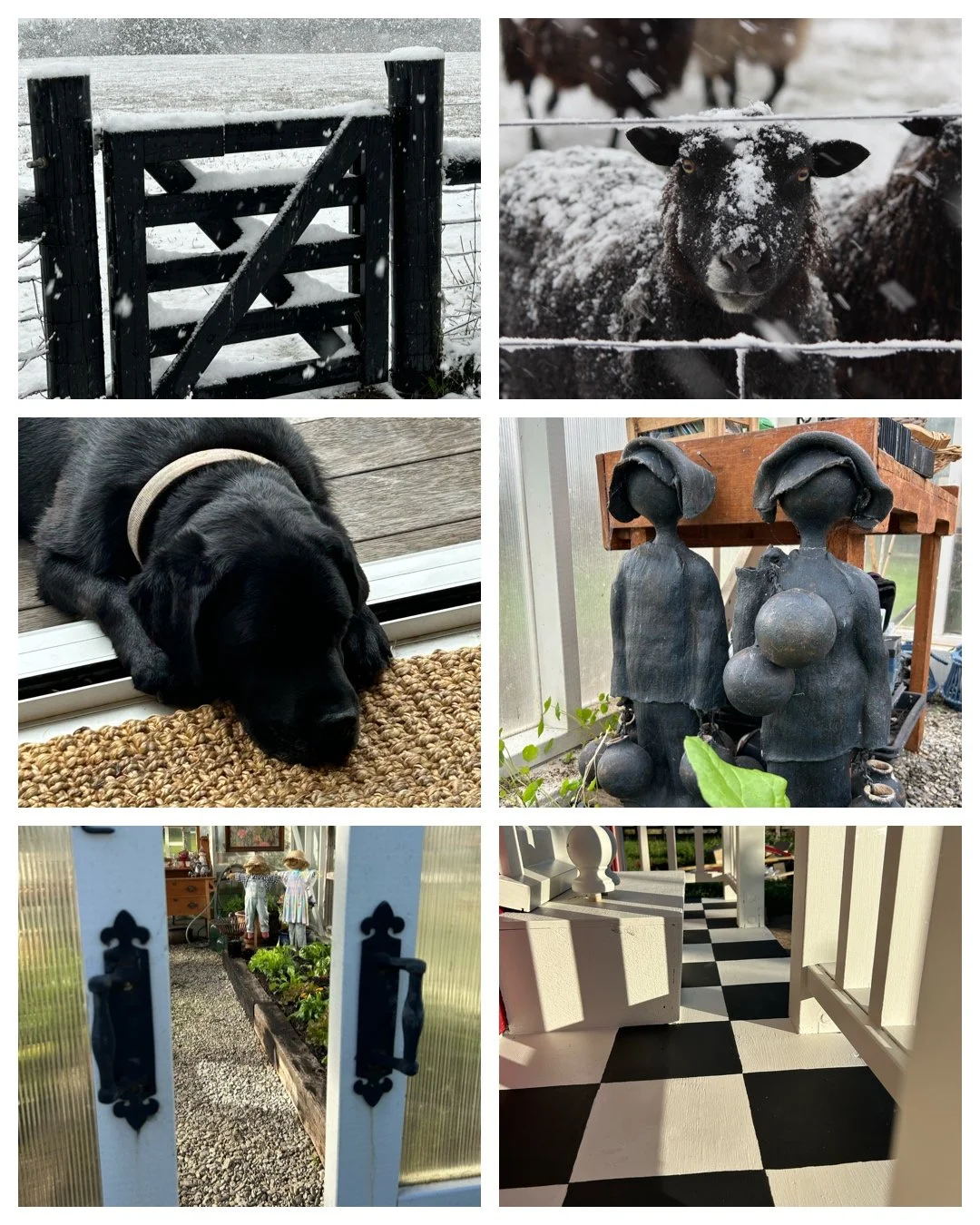
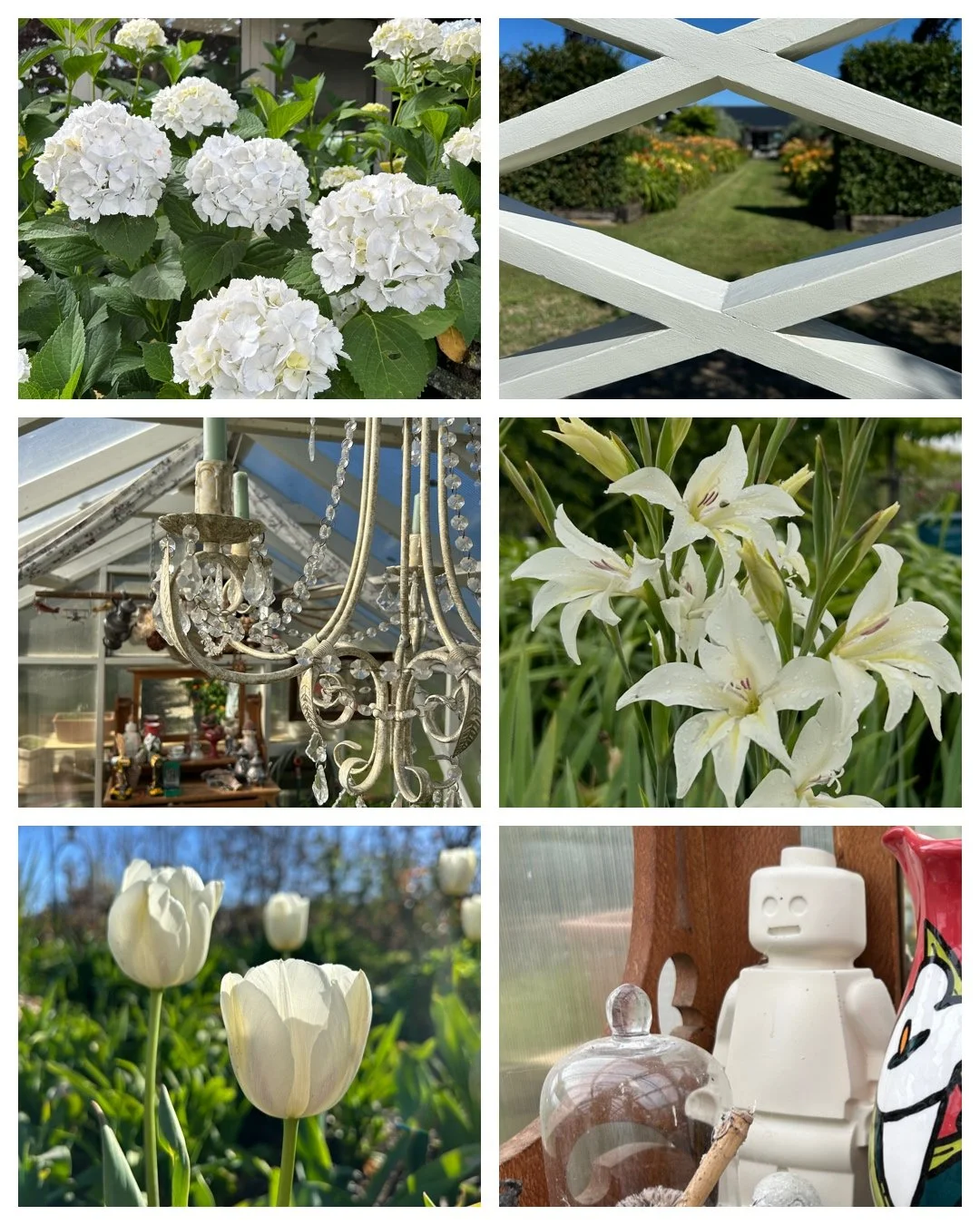
My own garden certainly leans heavily in that direction. The White House is inhabited by an assortment of quirky characters including Jebediah, Clementine, Bert and Ernie, and Gary G’nome. I have cast-iron Wind in the Willows characters tucked among the borders. My bird feeder appears to have escaped from a Dr Seuss illustration. Cluckingham Palace looks less like a chicken coop and more like the country residence of a slightly eccentric duke from a fairy tale. And while I cannot offer any concrete evidence that fairies live at the bottom of the garden, I have intentionally created conditions that would be very attractive to them should they wish to take up residence.
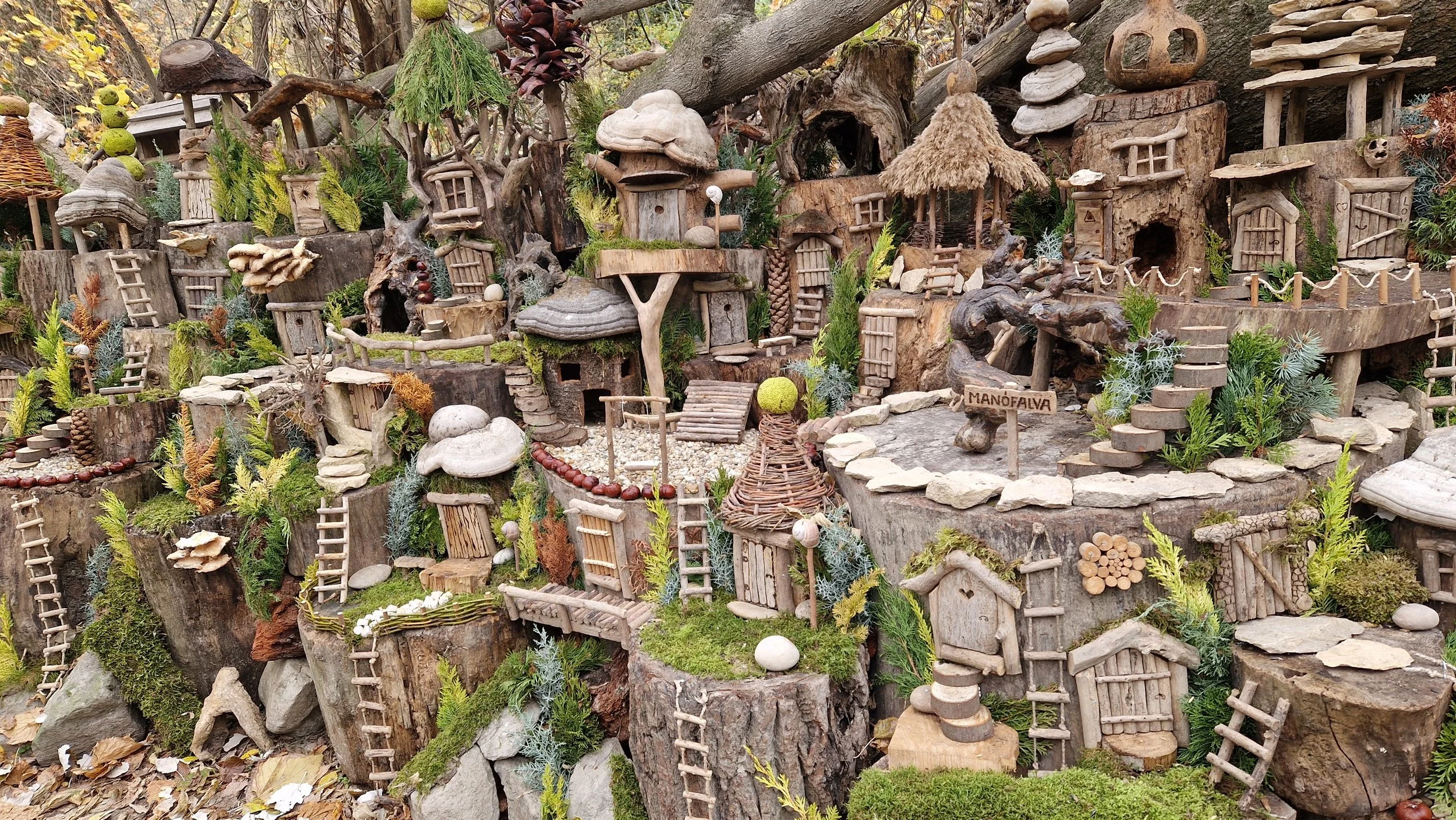
Photo: Not my fairy civilisation, but it’s given me ideas.
The more I think about it, the more gardening seems perfectly suited to people who enjoy imagination. Science fiction asks us to imagine worlds that don’t exist. Fantasy asks us to believe there might be a little bit of magic hidden in the ordinary. Gardening does both.
One day you’re marvelling at the astonishing biology of a seed somehow transforming itself into a towering sunflower. The next you’re convinced that a fantail has been following you around the garden because it’s actually delivering an important message from another realm.
One moment you’re researching soil chemistry. The next you’re deciding whether a fairy village would look better beneath the hydrangea or beside the pond.
Both activities seem entirely reasonable.
Then there are the gardeners themselves. We willingly bury tiny dormant life forms in the ground and wait for them to emerge months later. We spend alarming amounts of money on rare specimens. We collect strange objects. We learn obscure Latin names. We conduct experimental breeding programmes. Tell me that doesn’t sound like the opening chapter of either a fantasy novel or a science-fiction epic!
Most people walk through a garden and see plants. I walk through a garden and see stories. There are kingdoms and characters and adventures. Heroes in the form of fantails. Villains in the form of slugs. Quest lines involving wheelbarrows. Epic battles against bindweed. And occasional miracles that begin as something no larger than a grain of dust and end up flowering six months later.
Perhaps this is why gardening appeals to me so much. A garden is one of the few places where imagination and reality overlap quite comfortably. You can spend the morning discussing soil structure and the afternoon wondering whether fairies prefer hellebores or foxgloves. Both seem entirely reasonable.
So yes, I’ve spent many years convinced that I’m the odd one out. The adopted child. The alien changeling. The family member who somehow ended up on the wrong planet.
However, there is one small flaw in the theory. As I get older, I increasingly look in the mirror and see The Mother looking back at me. People regularly assume The Sister and I are twins. The family resemblance is becoming difficult to ignore. Which means I’m reluctantly forced to conclude that I’m probably not adopted after all. I am, apparently, genuinely related to these people.
How this happened while I remain the only family member with excellent taste in science fiction, fantasy, and entirely appropriate garden art remains one of life’s great unsolved mysteries.
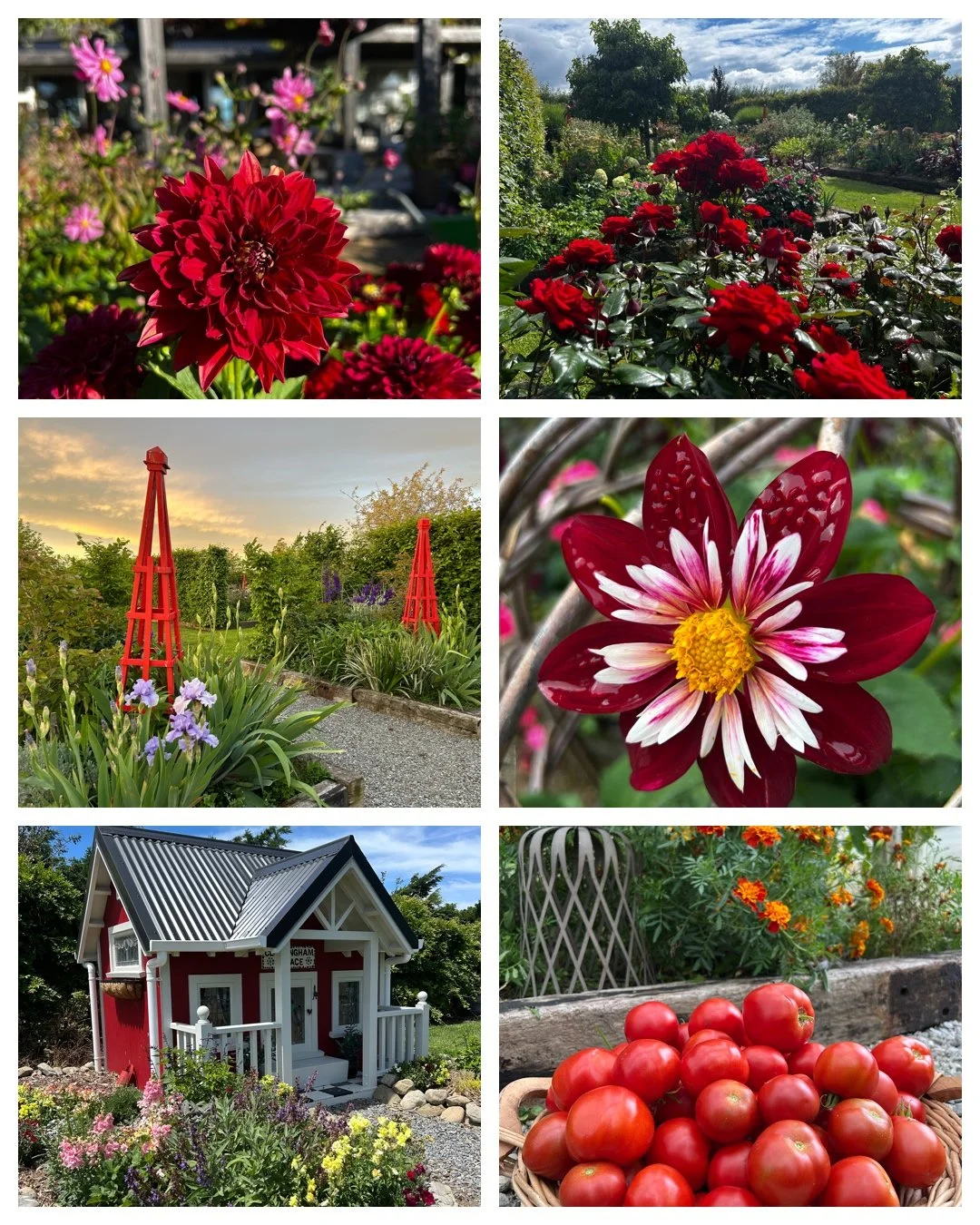
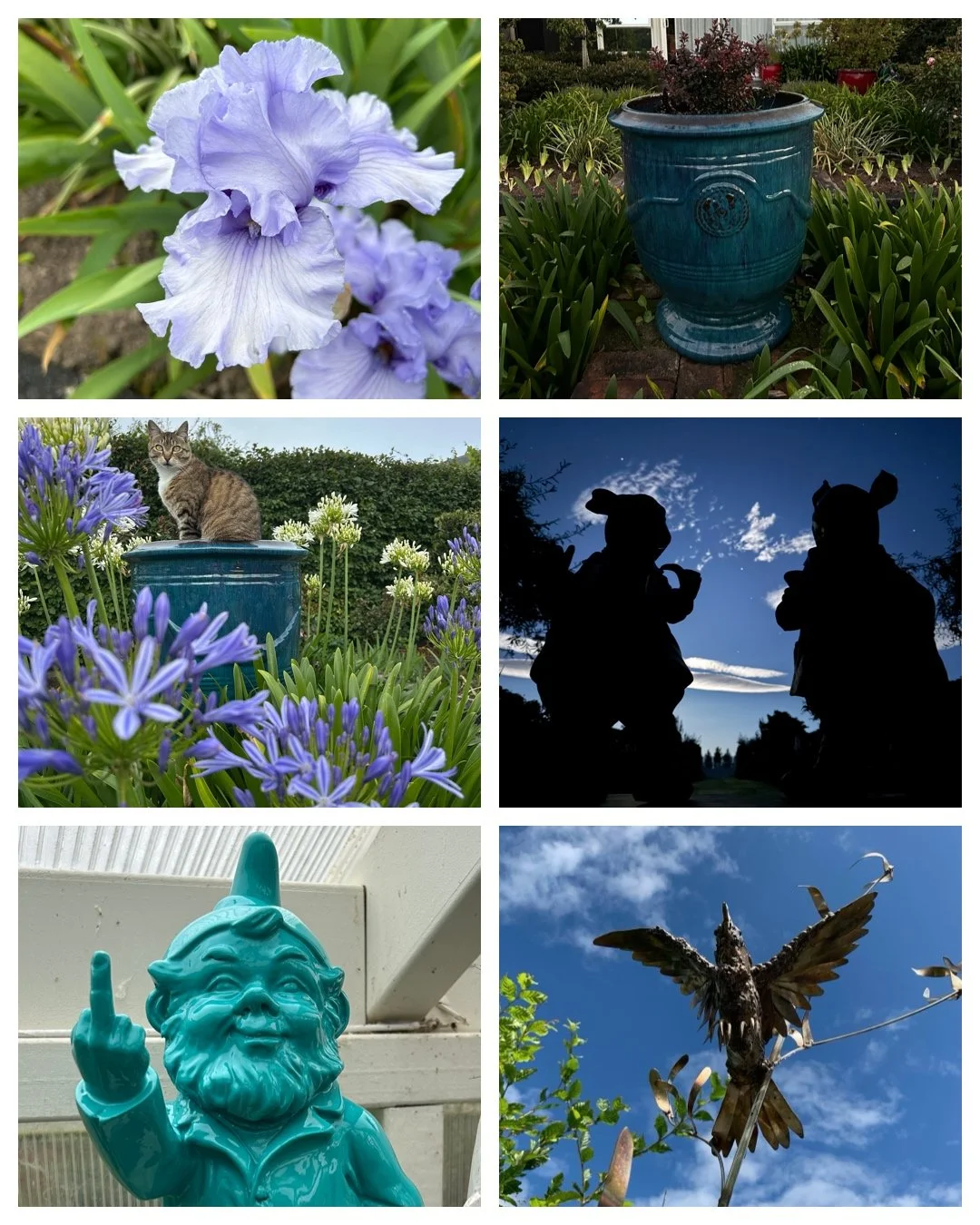
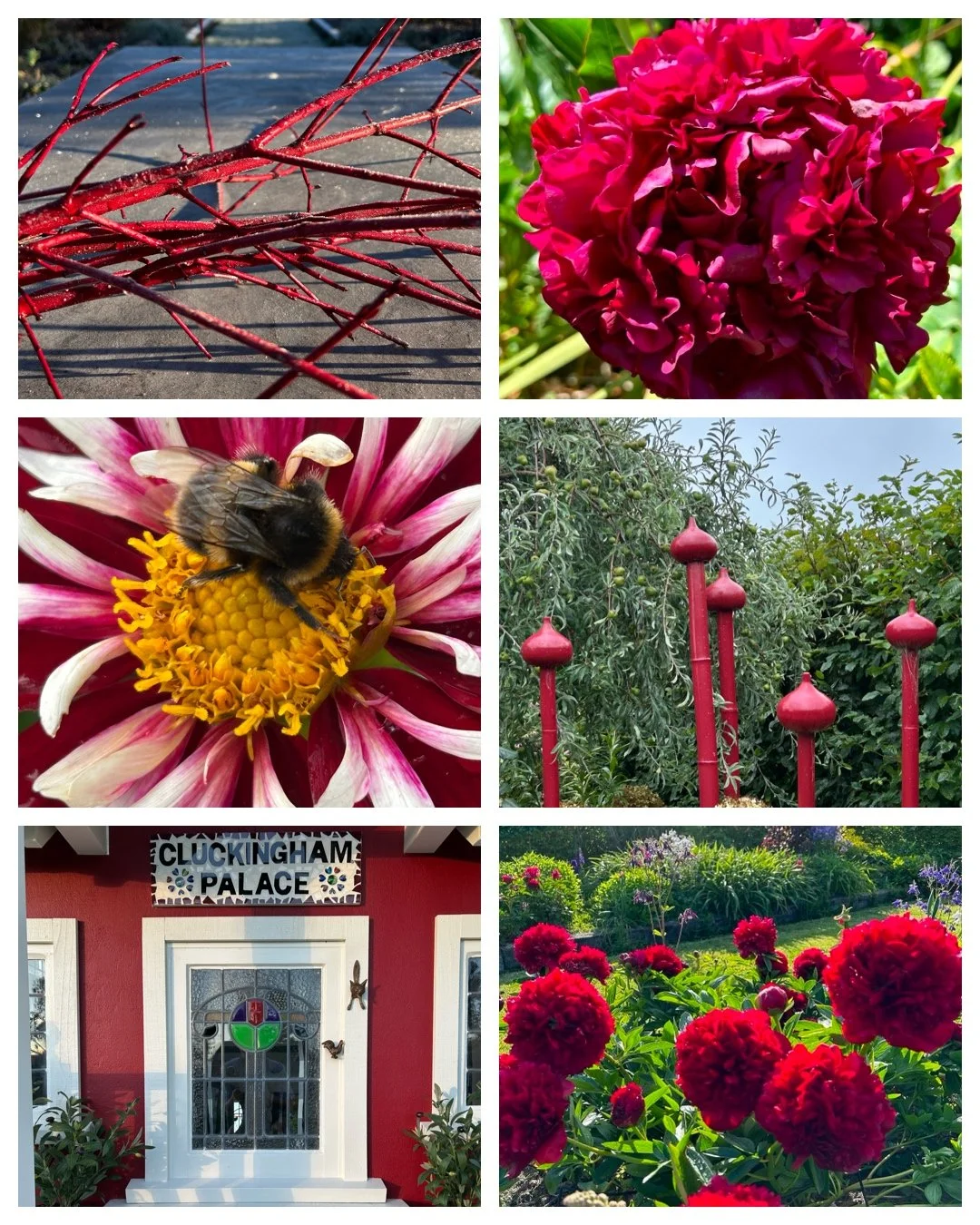
Did you know?
Next time you grumble about repotting a plant, spare a thought for the world's oldest known potted plant. A cycad growing at the Royal Botanic Gardens, Kew, has been living in a container since 1775 - before the French Revolution, before railways, and before New Zealand was even mapped by Europeans. While generations of gardeners have come and gone, this remarkable plant has quietly carried on, producing new leaves and patiently outliving every gardening trend imaginable. It is a useful reminder that some plants measure time rather differently from the rest of us. We may think of a pot as a temporary arrangement, but this ancient cycad has treated one as a long-term commitment for more than 250 years.
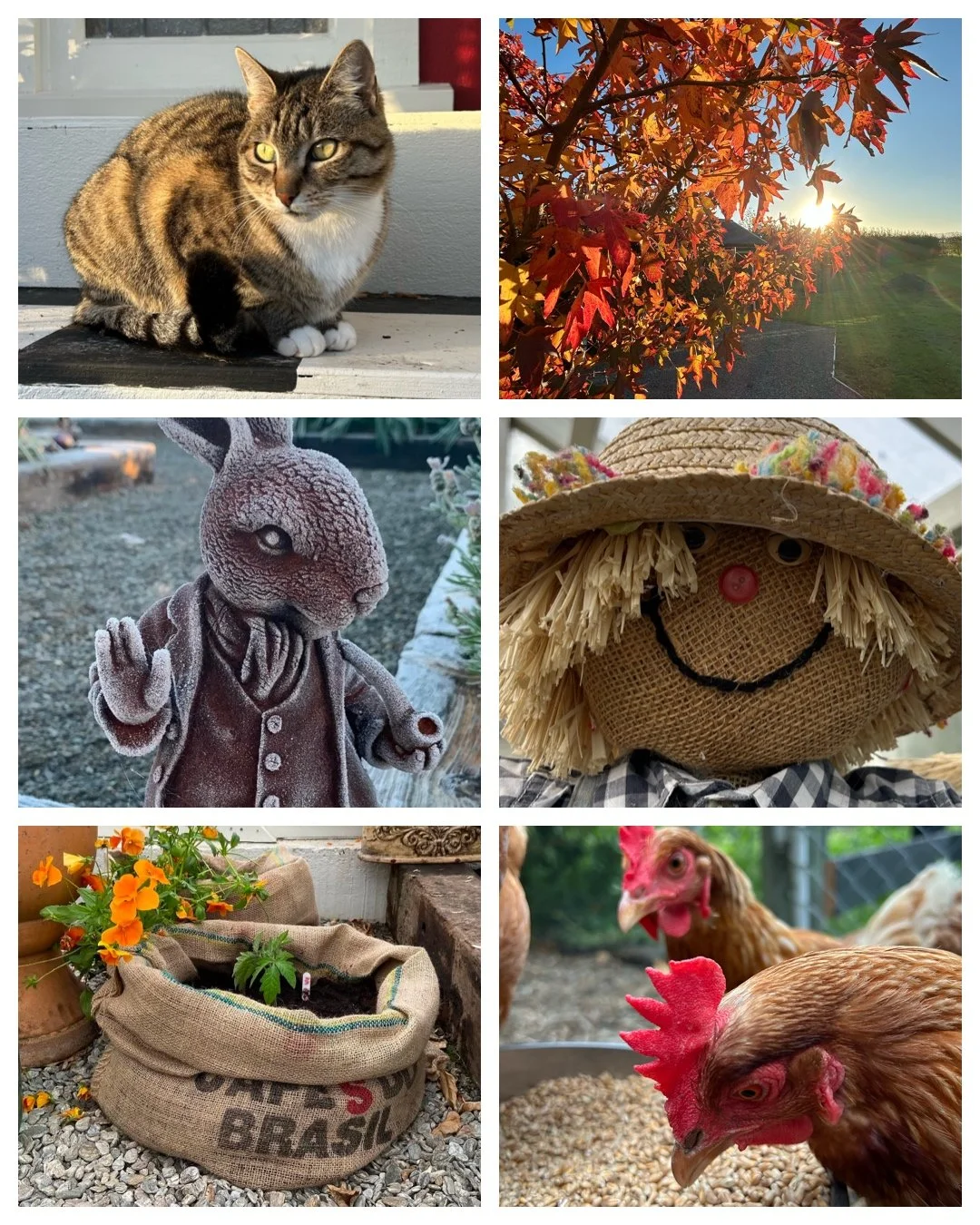
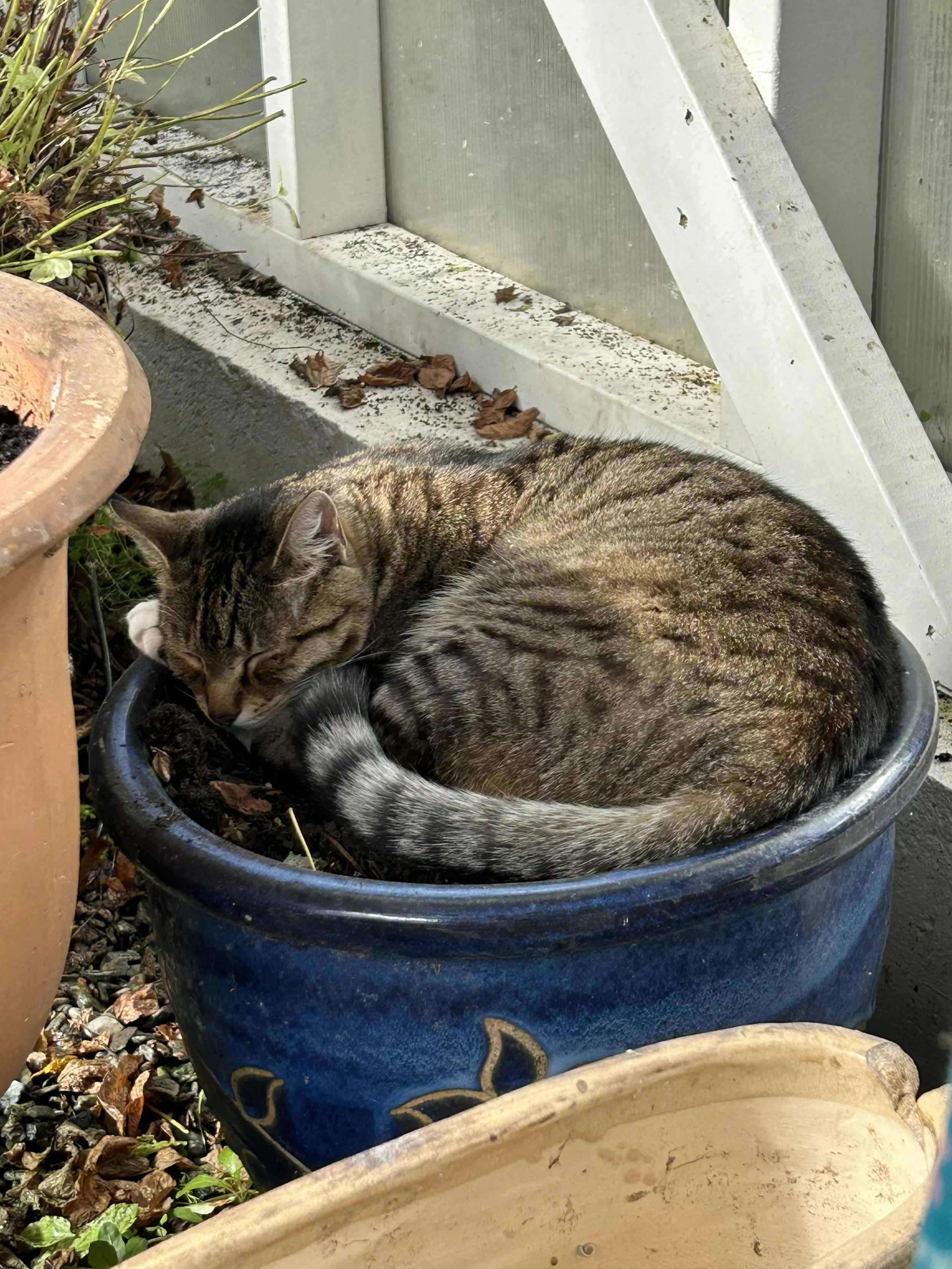
I can’t add a photo due to copyright. But if you’re interested google ‘Kew Gardens oldest potted plant' and you’ll go straight there. In the meantime, here’s one of my potted plants….
What’s new on Behind the Garden Gate this week?
🏡Nitty Gritty: every garden looks worse before it looks better. If you’re at the beginning or mired somewhere in the middle, read this. It’ll help keep you motivated.
🧑🦰Nitty Gritty: the personal development arc of a gardener. The things gardening forces us to learn.