
In the Olympics of self- deception, I always win
The Egmont Seeds catalogue arrived in my mailbox today. I’d like to say that I greeted it with the calm restraint of a mature adult making sensible horticultural decisions. Instead, I sat down with a cup of tea and a pen and immediately began circling plants as though I were preparing for the collapse of civilisation and had been tasked with preserving all known flowering species.
The arrival of the seed catalogue marks the beginning of a dangerous annual ritual in which I purchase seeds that I’ll never actually plant. Not intentionally, of course. At the time of ordering, I fully believe I’m about to become one of those gardeners who starts everything from seed. You know the ones. Their seedlings emerge in perfectly straight rows. Their propagation benches are immaculate. Their seed packets are filed alphabetically and stored according to humidity requirements.
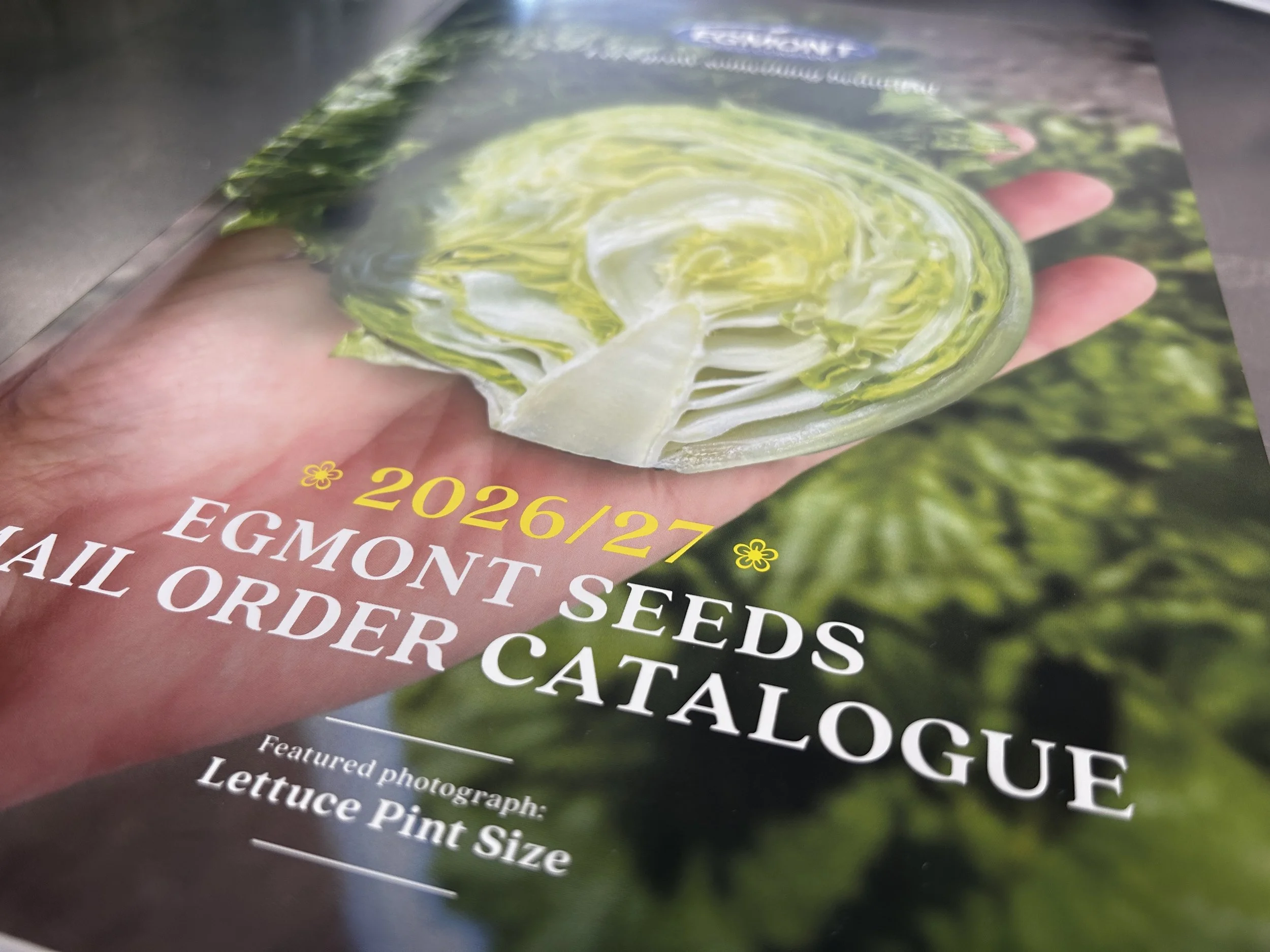
Meanwhile, I’m running what can only be described as a seed retirement village. My seed box contains hundreds of tiny paper packets living out their golden years in peaceful obscurity. Some are so old they should probably qualify for New Zealand Superannuation.
Every year I discover packets and have absolutely no recollection of buying them.
“Oh look. Amaranthus “Love Lies Bleeding.”
“When did I buy that?”
“Apparently 2017.”
The amaranthus situation is particularly embarrassing. I own four varieties. FOUR. At no point in history have I successfully grown three of them and the fourth only grows wonderfully due to its willingness to self-seed and generally look after itself entirely.
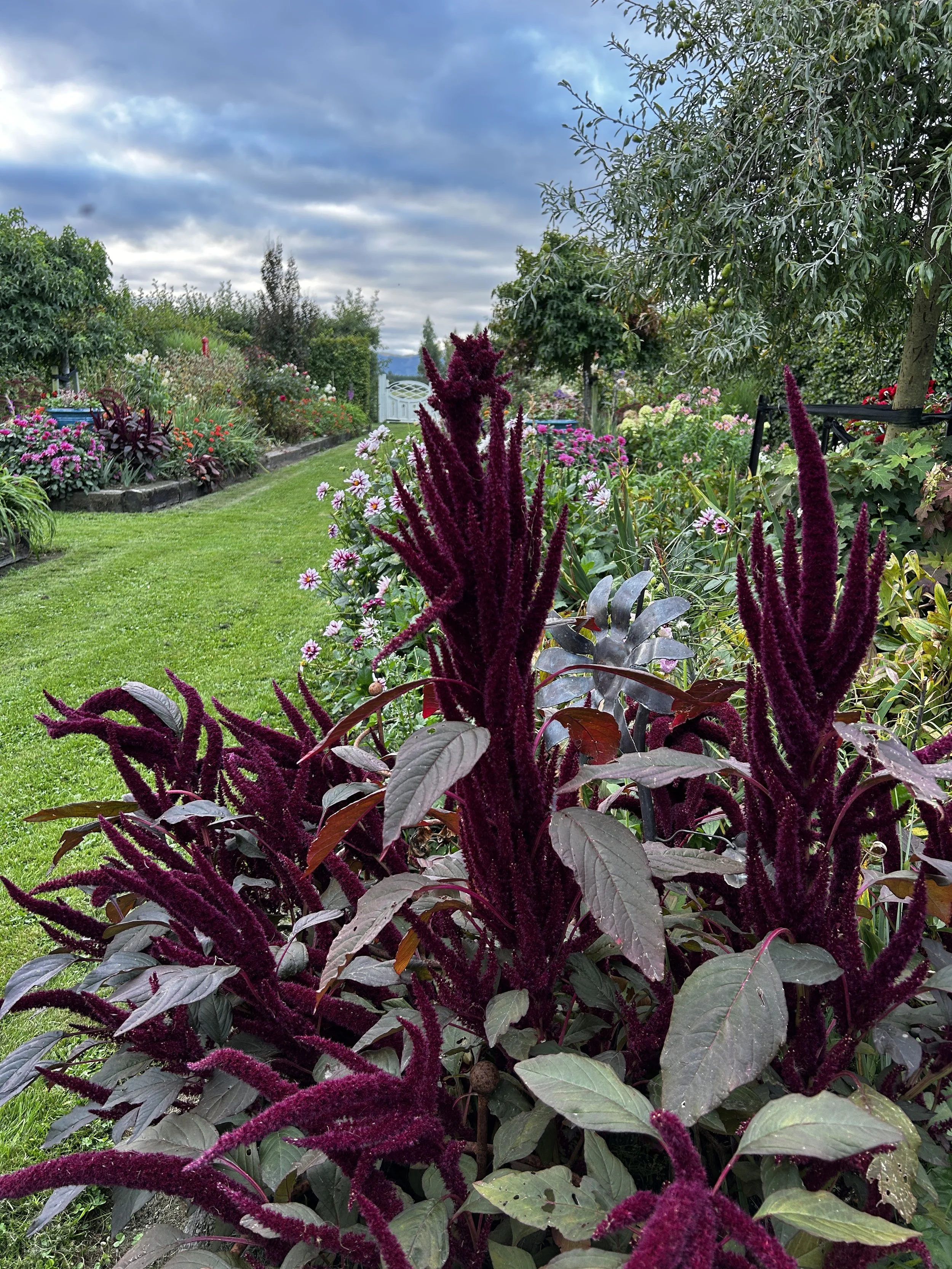
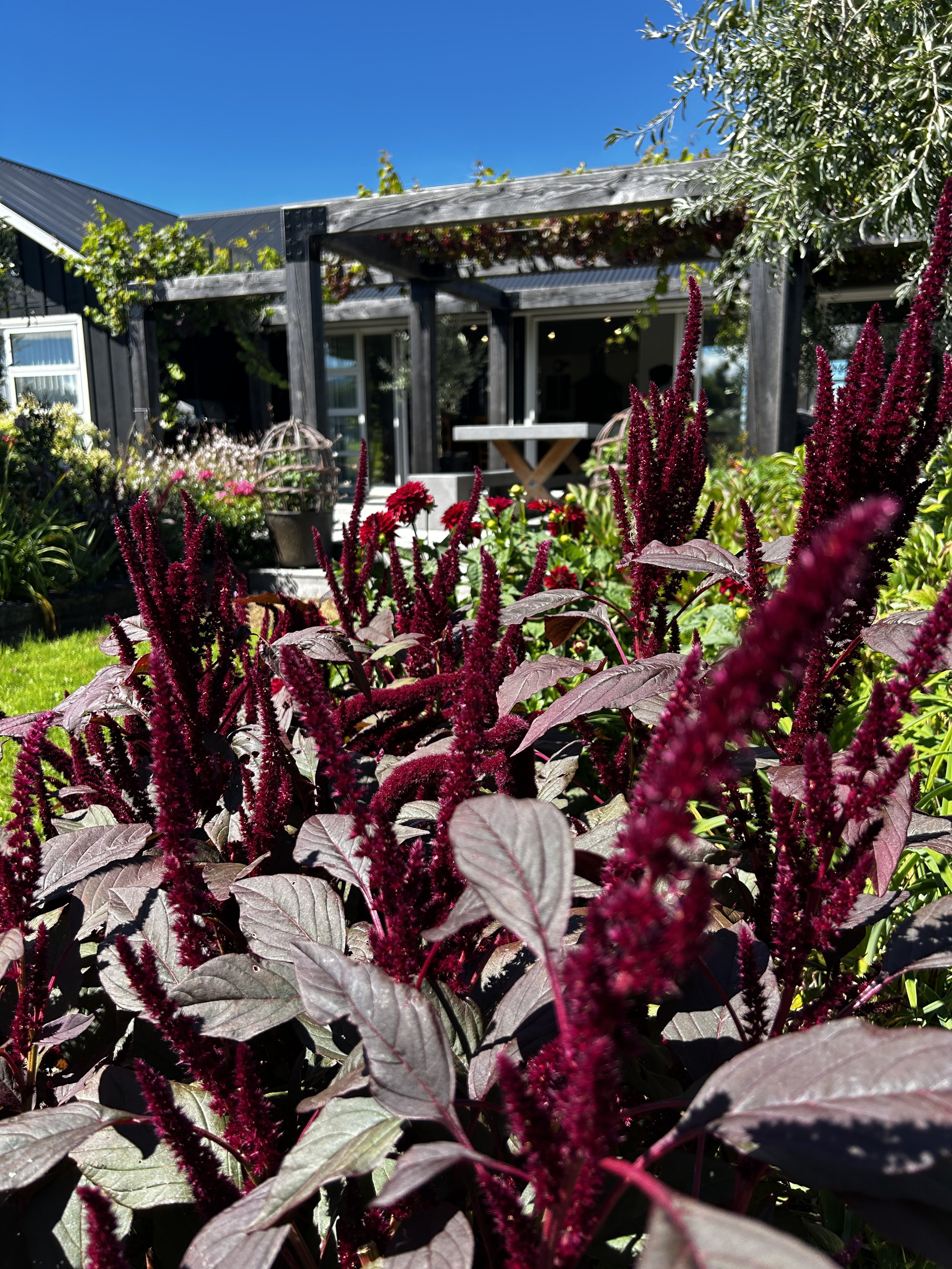
Yet every year I look at the other three and think, “This could be the year.”
It’s never the year.
The Lysimachia seeds are equally optimistic. They’ve spent so long waiting to be planted that they’ve probably developed their own society, elected a mayor and established local government. Occasionally I pick them up, admire the picture on the packet and reassure them that their moment is coming.
It never is.
Then there are the lettuce seeds. The lettuce seeds are no longer part of a gardening project. They are part of a scientific study. I’m currently attempting to determine the precise point at which lettuce seeds cease being seeds and become historical artefacts. The answer appears to be somewhere before whatever age mine have reached. While researchers successfully germinated a 2,000-year-old Judean date palm seed found at Masada in Israel, my lettuce seeds seem to have examined the proposal and responded, “Absolutely not.” The ancient date palm seed was apparently willing to wait two millennia. My lettuce seeds couldn’t manage a decade. To be fair, they may simply have lost confidence after watching me repeatedly promise to sow them “next weekend.”
The catalogue itself is a masterpiece of temptation. Every page contains plants that suddenly become essential. Numerous varieties of snapdragon? Better circle all of them. A new nepeta? Obviously. A particularly handsome Echinops? Absolutely. I realise Echinops is essentially a thistle wearing a Latin name tag, but somehow that makes it feel sophisticated. If somebody offered me a thistle, I would politely decline. Offer me Echinops ritro and suddenly I’m a plantswoman of refined tastes.
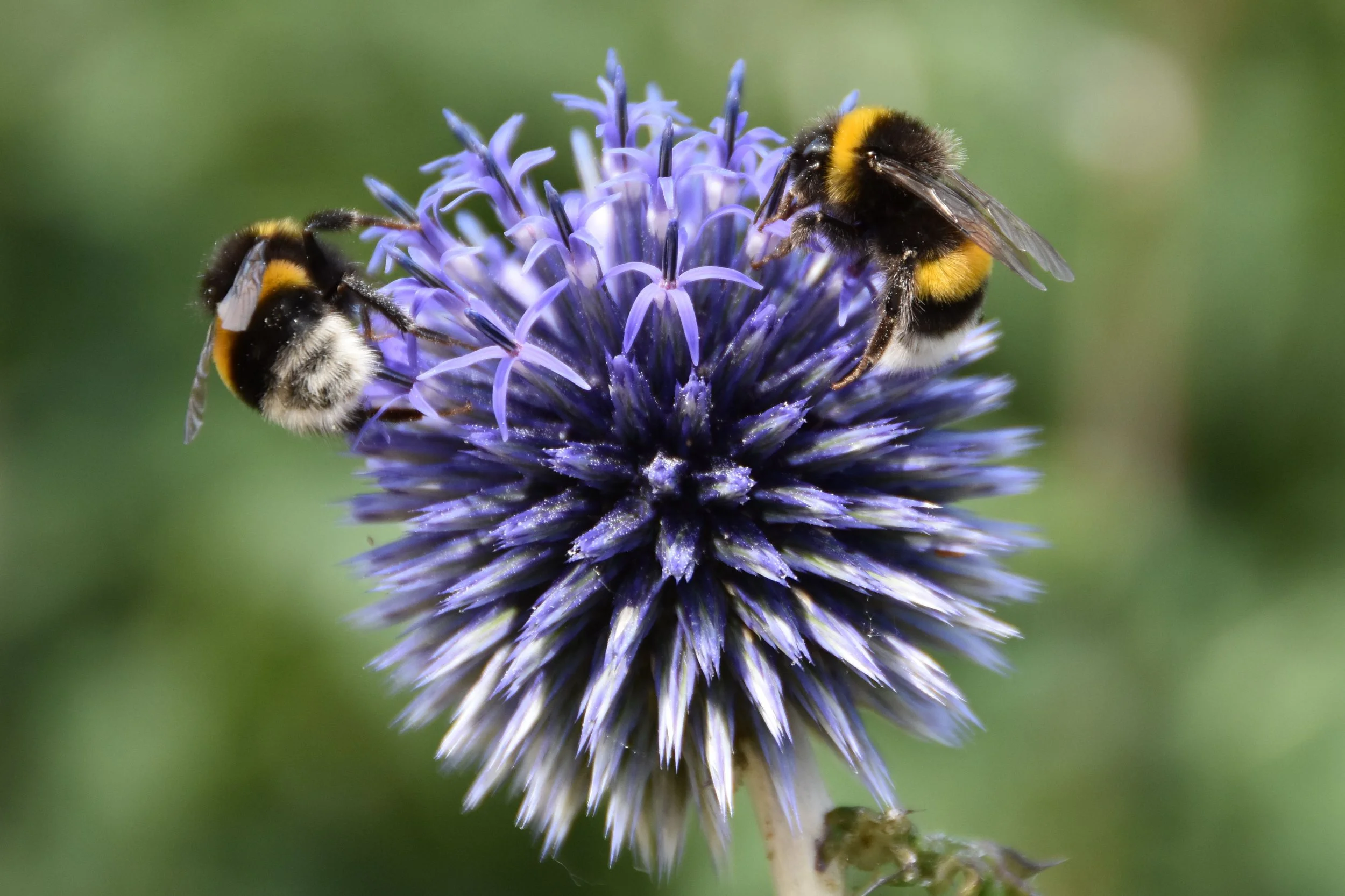
Photo: someone else’s Echinops because mine are still seeds sitting in the packet buried at the bottom of the drawer in the greenhouse.
The real problem is that I now have a cutting garden. A cutting garden creates a dangerous illusion that every flower purchase is justified. Need becomes indistinguishable from want. Do I need six new varieties of annuals? Probably not. Can I convincingly argue that I do? Without hesitation.
The catalogue encourages a level of optimism that bears no resemblance whatsoever to reality. While reading it, I become a completely different person. Catalogue Me is organised. Catalogue Me starts seeds on time. Catalogue Me has a propagation schedule. Catalogue Me labels things. Catalogue Me definitely does not leave trays of seedlings sitting somewhere mysterious before forgetting what they are. Actual Me, on the other hand, spends half of spring trying to identify volunteers and wondering whether they’re flowers, weeds or vegetables.
So, if you’ve recently found yourself circling plants in a seed catalogue despite already owning enough unopened seed packets to supply a small regional garden centre, take comfort. You’re not alone. We’re all members of the same support group.
The first step is admitting we have a problem.
The second step is ordering another packet of snapdragons.

Did you know?
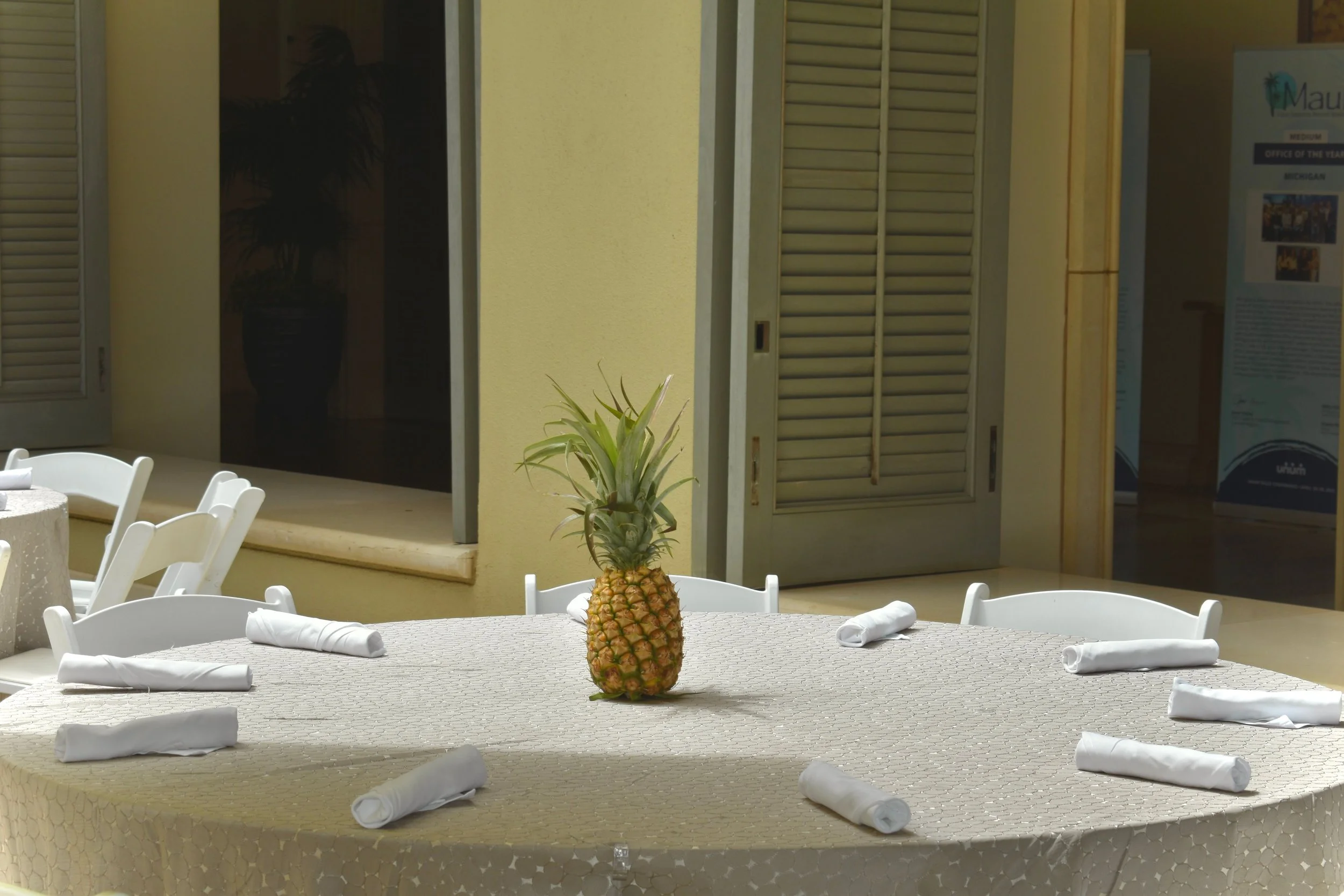
Forget luxury handbags and sports cars. In Victorian Britain, the ultimate status symbol was a pineapple. These tropical fruits were so rare and expensive that many people couldn't afford to buy one outright, so they simply rented one for the evening instead. A pineapple would be placed in pride of place at a dinner party, admired by guests, and carefully returned to its owner before anyone was tempted to eat it. For ambitious gardeners, growing a pineapple in the chilly British climate was considered one of horticulture's greatest challenges, requiring elaborate heated glasshouses and months of painstaking care. The next time you casually toss a pineapple into your supermarket trolley, spare a thought for the Victorians, who would have regarded it as a treasure worthy of its own place setting.
What’s new on Behind the Garden Gate this week?
🍅Garden to Table: this week it’s about the lost art of living by the seasons. The nature of modern food production has meant that we’ve forgotten the benefit, and greater affordability of living seasonally.
🐛Garden to Table: how to make your guests think you’ve got cooking talent when you have nothing of the sort! My pavlova for people who don’t want to bake a pavlova.