
Honey, I shrunk the gardener
I’ve never, in my entire life, boarded a long-haul flight and thought, “Gosh, I do hope I’ve got enough legroom.” That particular hardship belongs to the tall. I, on the other hand, could comfortably fold myself into the overhead locker if required. So yes - there are undeniable advantages to being of diminutive stature. It’s not all sacrifice.

There are, of course, the usual inconveniences people like to point out. Top cupboards, for example. A design flaw in most kitchens, if you ask me. Fortunately, when we built our house, we planned ahead. No top cupboards. Problem solved. I refuse to live in a home where a step ladder is considered essential infrastructure for making a cup of tea.
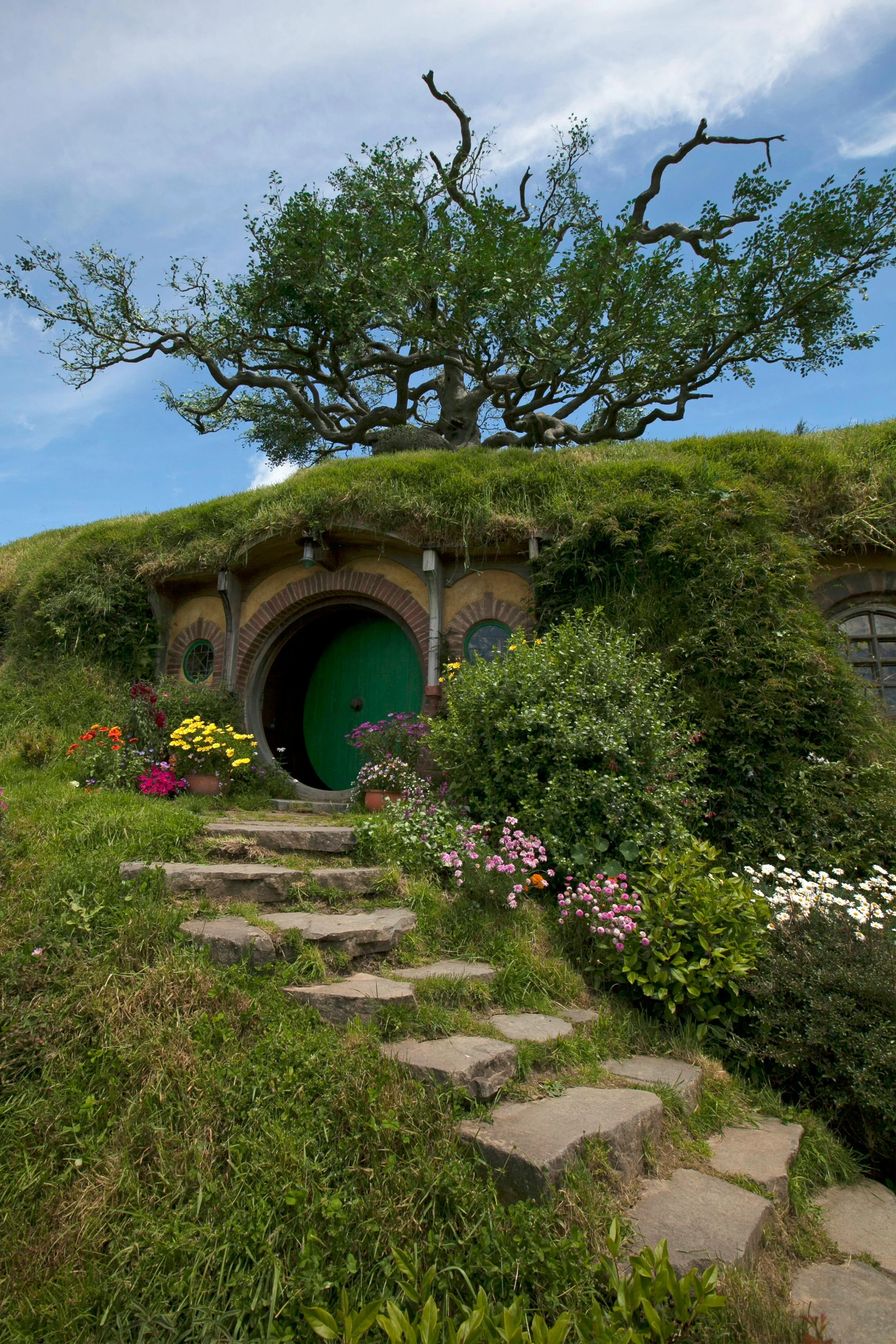
But the garden… the garden does occasionally expose the limitations of being somewhat hobbit-adjacent.
Take, for instance, the deeply satisfying but physically humbling task of digging in heavy clay soil. There are moments - many moments - when what you really need is an extra 10 or 30 kilos of body weight to drive the spade cleanly into the ground. What you actually have is me, bouncing enthusiastically on it like a slightly uncoordinated pogo stick. It is less “confident gardener” and more “interpretive dance, but with tools.” The soil remains largely unmoved.
And while I do own extendable shears - because I’m nothing if not optimistic - even at full extension they often fall just short of their intended target. At which point I fetch the ladder. Again. There is something deeply humbling about setting up a ladder to trim something that an average-height human could manage while holding a cup of coffee in the other hand.
Still, it’s not all hardship.
When The Husband walks into the berry enclosure and inevitably smacks his head on the crossbeam, I experience a quiet, deeply satisfying moment of victory. Not once - not ever - have I had that problem. When the builder suggested making it taller to avoid head injuries, I politely pointed out that this seemed like a very niche concern.
Perspective is everything.
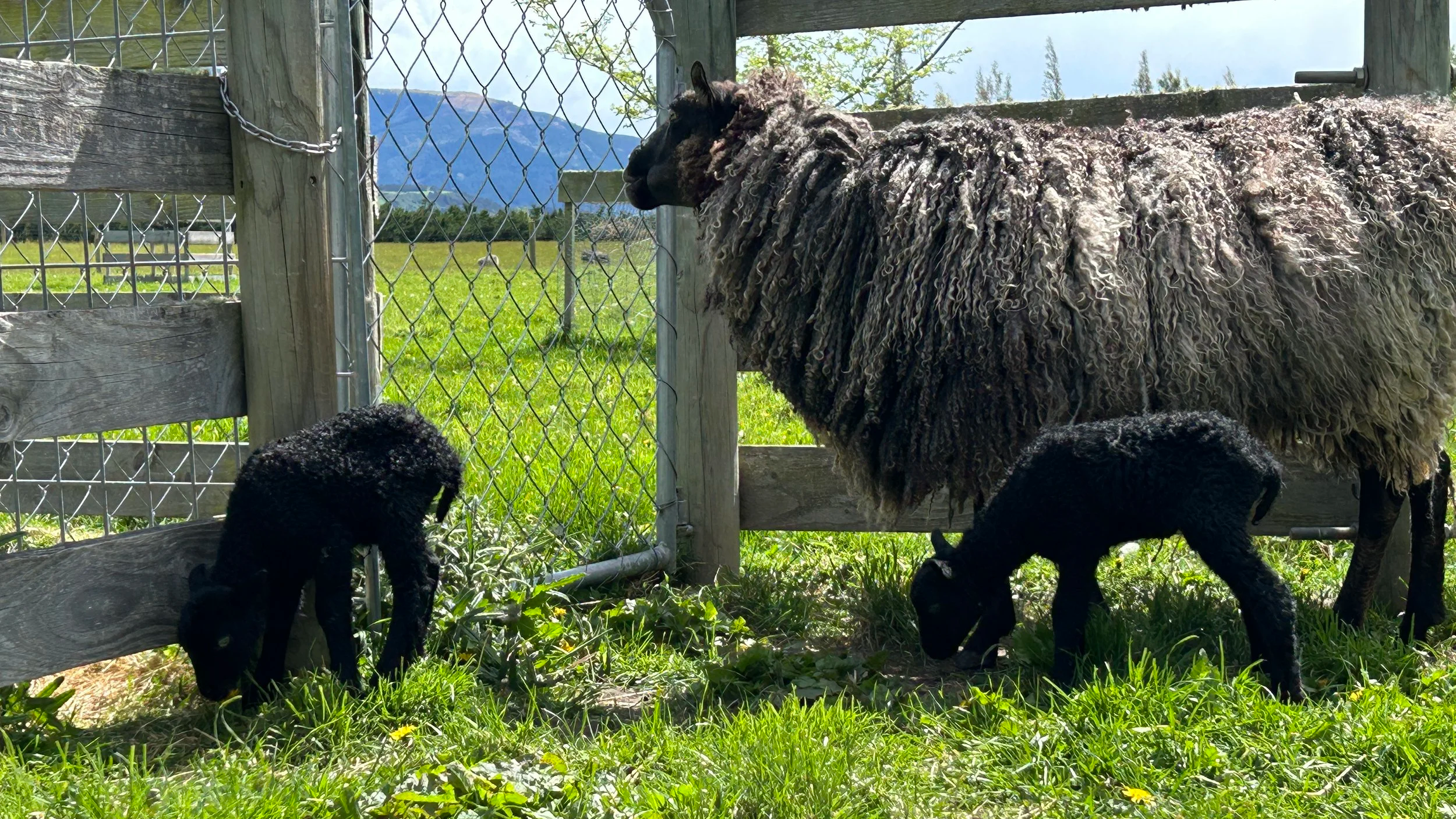
Of course, there are situations where height - or more specifically, mass - would be genuinely useful, for example, when one of the sheep decides to develop a mysterious ailment while The Husband is away. He’s an airline pilot and is, of course, naturally absent at exactly the wrong moments. This often requires “farmery” intervention involving flipping, holding, or otherwise asserting physical authority over an animal that outweighs me by a comfortable margin.
So, being diminutive is, in technical terms, suboptimal.
But the thing about those of us who look like we’ve wandered off the set of ‘Honey, I Shrunk the Kids’: we adapt. We improvise. We develop techniques that are less about brute force and more about determination, leverage, and occasionally sheer stubbornness. Where there’s a will, there’s a slightly unconventional way.
So no, I may not have the reach, the weight, or the effortless physical advantage that gardening manuals seem to assume. But I do have persistence, creativity, and a long-standing refusal to accept that something can’t be done just because I can’t quite reach it on the first try.
Do I make it work? Yes.
Would an extra couple of inches be useful? Also, yes.
Did you know?
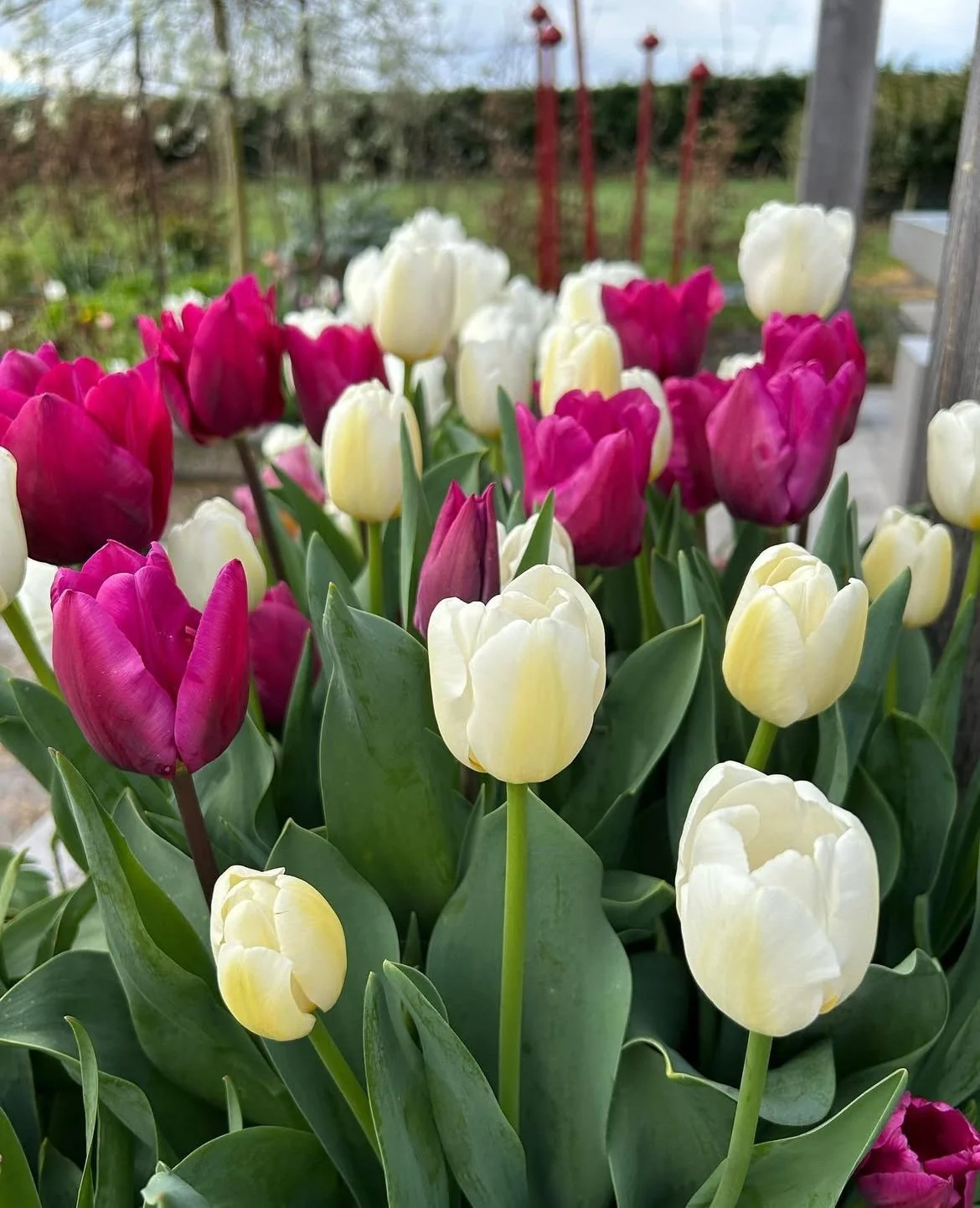
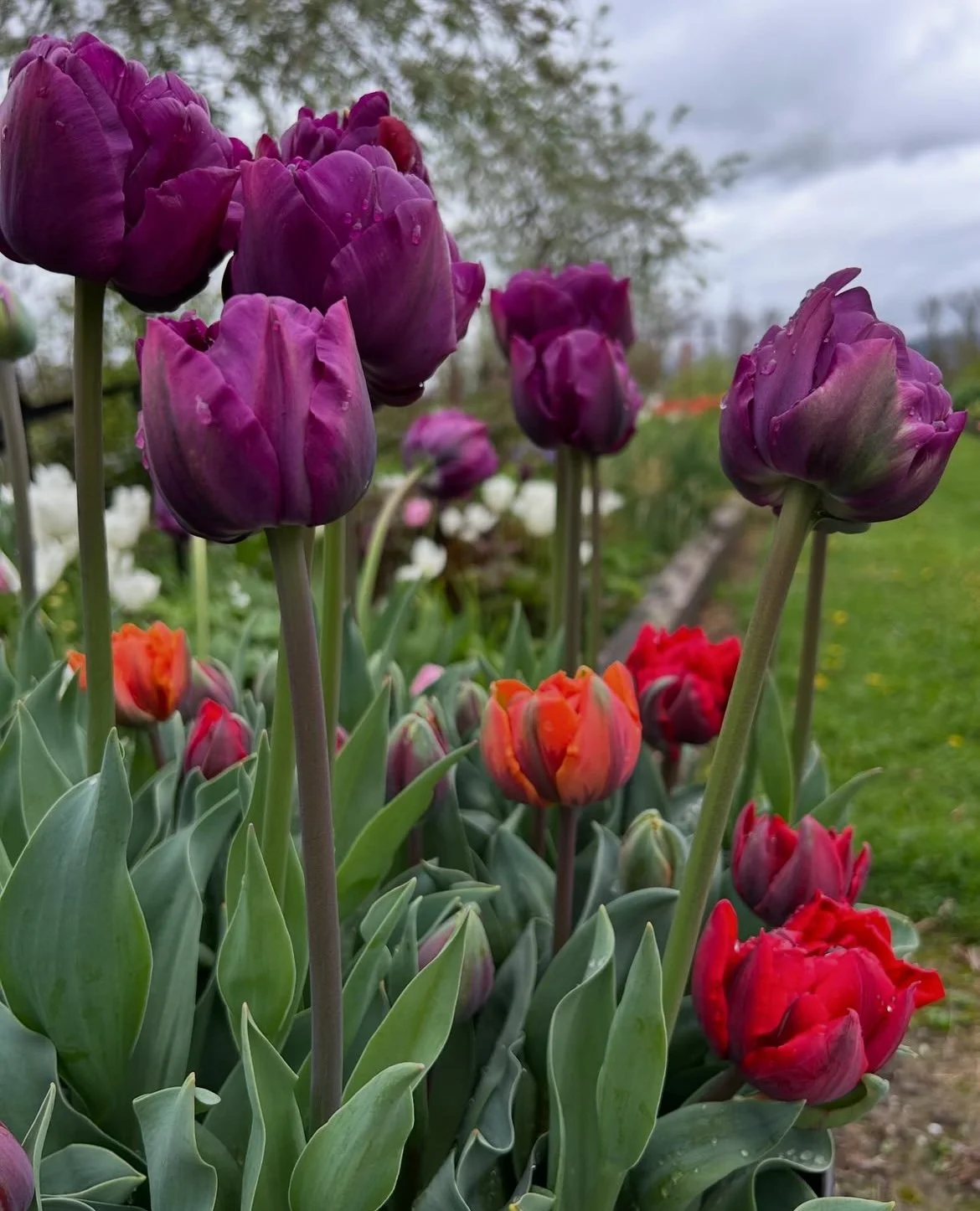
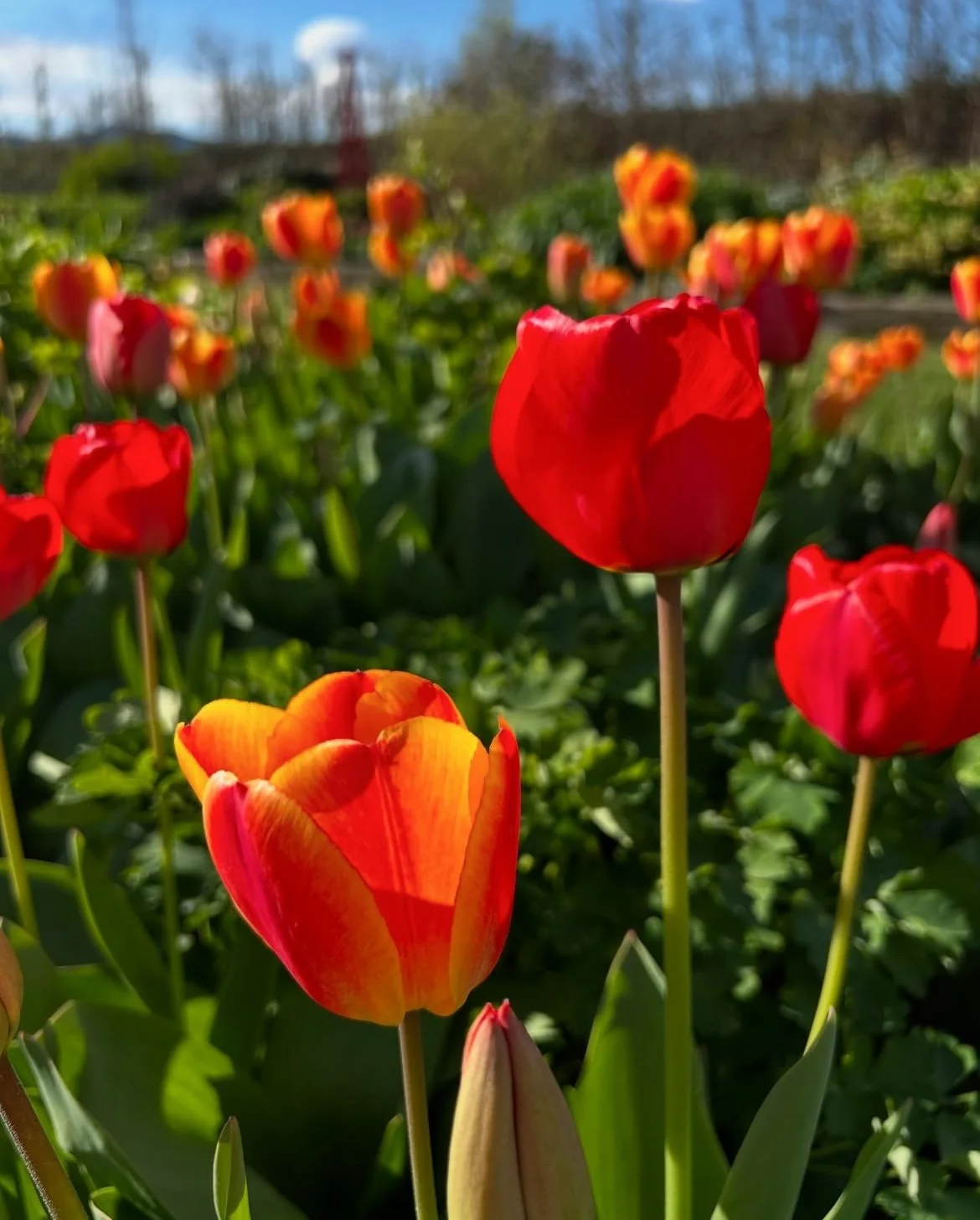
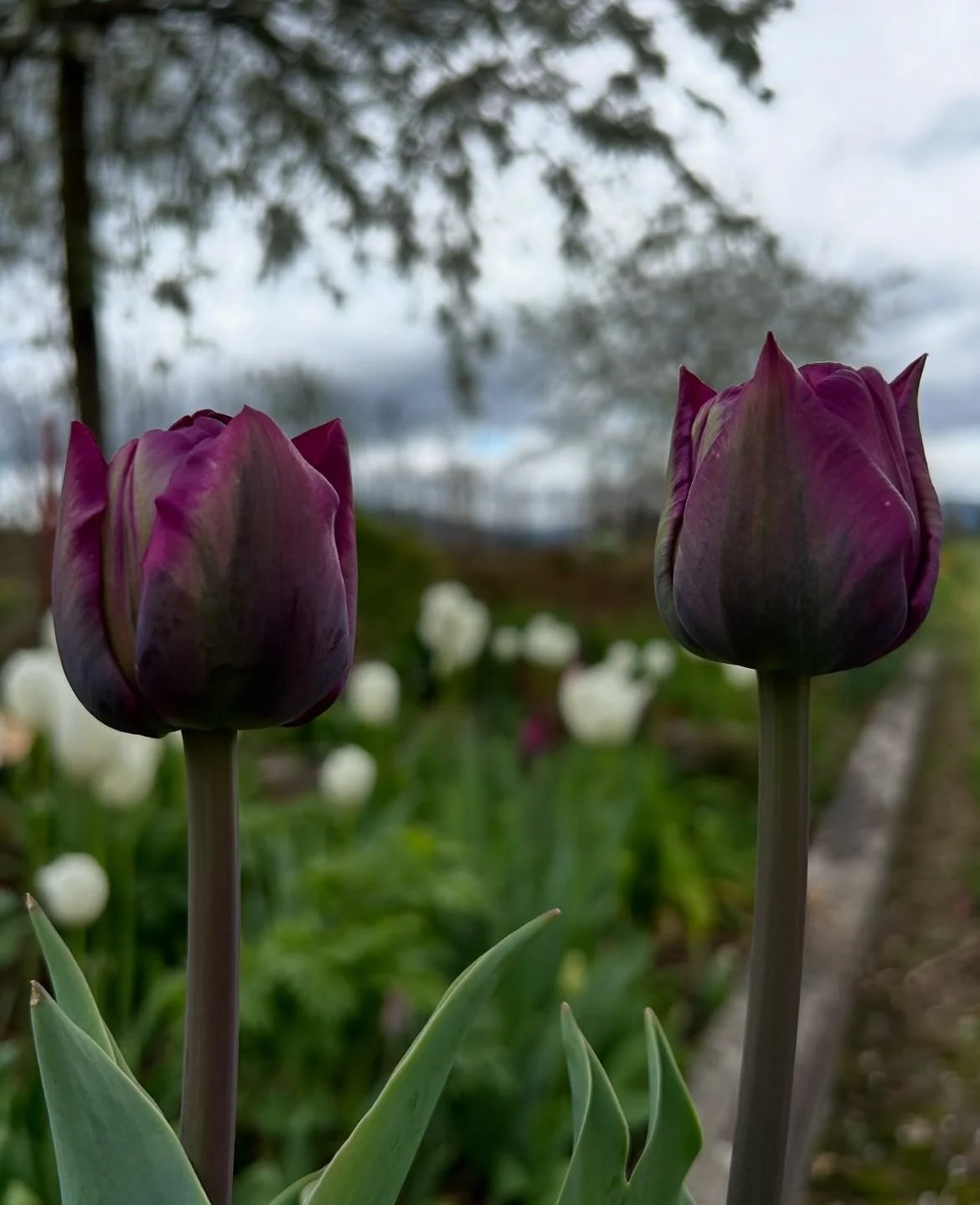
Apparently bulbs can grow the right way up even if you plant them upside down, thanks to a process called gravitropism - which is essentially their built-in sense of direction (already outperforming me on most days). I saw someone I follow on Instagram actually test this, and in a moment of peak gardening laziness disguised as curiosity, I’ve sort of tried it myself. When I lifted and divided a heap of irises - complete with tulips interplanted underneath - the bulbs were less “carefully replanted” and more “casually tossed back on the ground,” before I covered them with fresh soil and plonked the irises back on top. So technically it’s an experiment. Whether it’s science or just questionable gardening remains to be seen - but we’ll find out in spring.
What to do in the garden this week
Northern hemisphere
🥬Keep the succession sowing going for your edibles so you don’t end up with everything ready at once and a fridge full of regret.
🌲Lightly shape spring flowering shrubs after flowering with a gentle prune.
🌿Regular mowing of lawns becomes a necessity around now. If you’re enthusiastic about the look of your lawn, you can feed it with a balanced lawn fertiliser.
🥔Mound earth up around growing potatoes. This increases yield. Don’t worry about smothering the plant. It’ll keep growing.
🌱If you’ve raised seedlings indoors for planting out, make sure you remember to harden them off before transplanting. This means gradually introducing them to the outdoors for a few hours a day but housing them again overnight. As their resilience builds after a week or so, you can transplant them outside. Avoid transplanting when there’s too much heat. Early morning or evening is best, or a cooler, cloudy day.
🪴This feels wrong, but if you’re growing lots of seedlings, thin them ruthlessly. Crowded seedlings = weak plants. Spacing them properly avoids disappointment later.
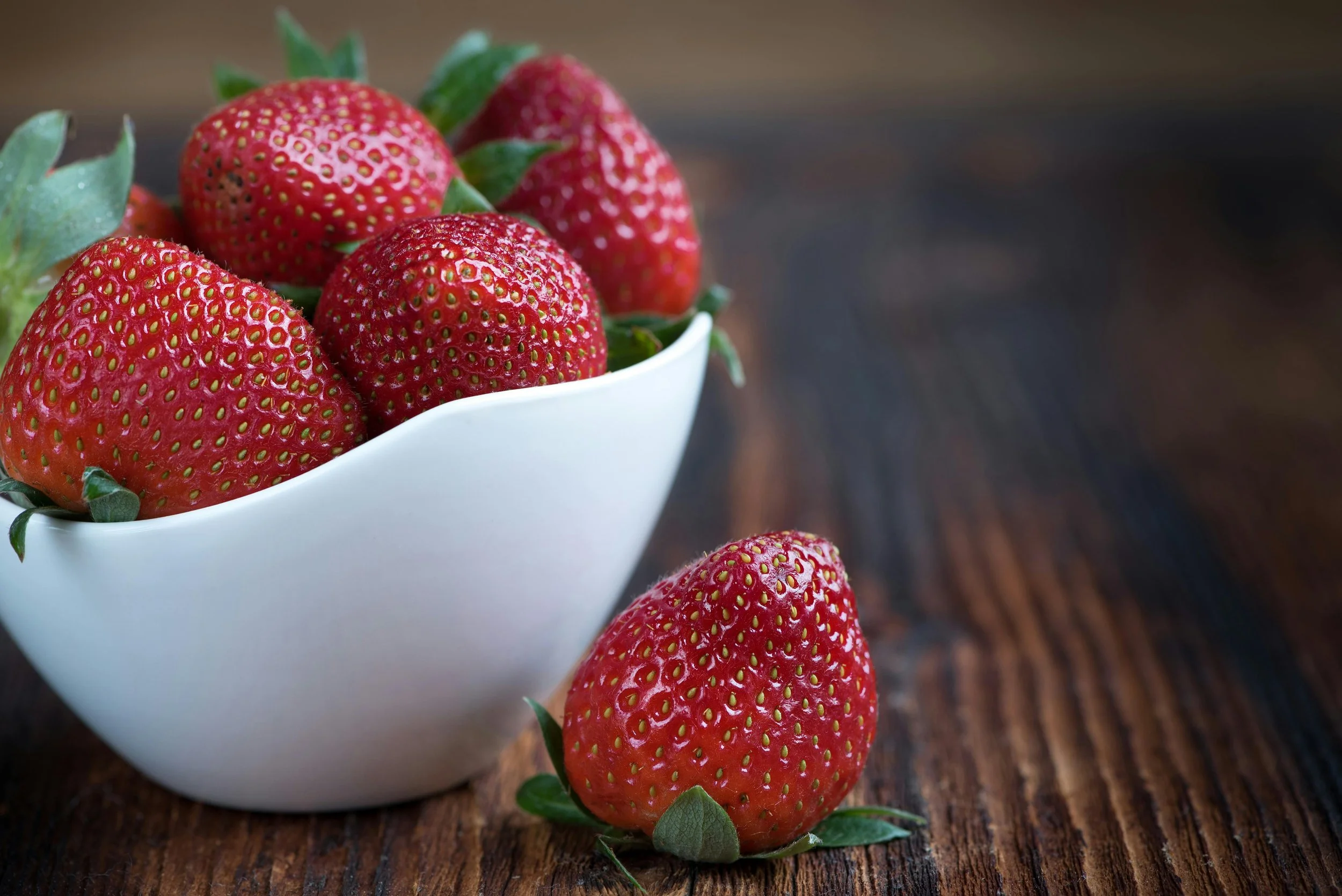
🍓Get nets onto your vulnerable crops before they ripen and provide the birds with a feast. Berries are a magnet for birds.
Southern hemisphere
🌱Think like a soil person not a plant person. Instead of ‘what should I plant?’, think about what your soil needs before spring. The answer is almost always: compost and mulch. And autumn is a great time to do it.
🌿Replicate nature. Nature doesn’t always clear beds. It drops things and walks away. Leaves = future soil. Old stems = habitat. General mess = ecosystem. So, while I do clear my beds, lift and divide my perennials, and generally preach about ‘tidying up’, it’s actually quite beneficial not to as well. So, if you’re feeling overwhelmed by your garden’s needs, rest assured that leaving it ‘as is’ also has it benefits. In my garden, some areas are consistently tidied because I’m looking at them all the time. Other areas - like the back of the flower beds that I can’t easily see - have a lot of ‘chop n drop’ left on them.
🪻While I do cut back some perennials and do a general tidy in autumn, I also resist the urge to cut everything back. Miscanthus ornamental grasses and hydrangeas are good examples. The browned-off grasses with their fluffy ‘flower’ plumes look amazing in the winter sun. And brown hydrangea heads do look oddly architectural and interesting throughout winter.
🍂We’re heading into winter where the overwhelming theme will be ‘brown’ and ‘dead’, but there’s always something to add interest in winter. Where I live frost, and the occasional dump of snow, can turn ‘depressing garden season’ into ‘magical wonderland’. So don’t dread winter. It has its own beauty.
What’s new on Behind the Garden Gate?
🍂Nitty gritty: this week it’s all about why I think it’s a great idea to design your tree planting exclusively with autumn in mind. This one is bound to cause a bit of consternation for some!
🐈Nitty Gritty: and this week it’s also about gardening with cats and lilies. Did you know that all parts of a lily (true lilies and daylilies) are poisonous to cats? Before you panic and pull all your lilies out, read this.
📷Snapshot shed: the last of the autumn tones are happening this month. I’ve uploaded some more photos to support my whole argument for why you should choose trees with autumn in mind.
As I mentioned a couple of weeks ago, I’m in the process of migrating my articles to Substack. It’s so much better set up for publishing this type of content, and I also think probably a much better user experience for you too. The articles I publish arrive straight to your inbox rather than you having to make an effort to head onto my members-only page to find the content. It’s just easier on Substack. I’ve realised that now, and so I encourage any of you who would like to receive my content in that way to head over and subscribe over there. I have free and paid options. Free subscriptions give you my free Sunday newsletter each week plus all the photos and notes with little tips and guidance that I add to my feed every day. Paid subscribers get all that, plus two additional articles each week with much deeper dives including garden knowledge, design tips, plant care advice, the odd recipe, and a bit of humour. You’ll find me as The Manic Botanic on Substack - not Behind the Garden Gate.