
You’re going to build a what?!!
Hi everyone,
Welcome to my new subscribers. It’s great to have you join us 😊
We need something in our lives to dream about
For years I’ve known exactly what I wanted to do with almost every corner of the garden… except for the biggest, flattest, greenest patch of grass we own. A giant lawn. A field of nothingness. A space so blank it practically hums with “???” energy. I’ve circled it for ages, waiting for divine inspiration, or at least for a Pinterest algorithm intervention. And then last Christmas my parents came to stay.
![IMG_8765[1].JPG](https://images.squarespace-cdn.com/content/v1/68a501cca58fdb69735e8c43/1764015003828-C0HQSJBAK57V74MJLL4M/IMG_8765%5B1%5D.JPG)
Dad wandered out there, took one look, and said, “You should put a living chapel in the middle.” As you do.
I have actually seen one online before (classic me…I can’t remember the name of the person I just met, but I’ll retain niche garden architecture forever). A chap up in the Waikato built one (the original “TreeChurch”), bigger than what I’d do, but the same idea, and it looks incredible. Very magical. So, I thought, “Hmm, maybe…” and then immediately followed it with, “Oh good grief, that sounds like a LOT of work.” Because apart from “build a frame” and “pick some trees,” I know basically nothing about constructing a hedge-based architectural garden masterpiece.
But the longer I mulled it over, by which I mean stared at the lawn while avoiding other chores, the more I realised it actually is the perfect idea. It doesn’t need to be outrageously expensive, but it will be time-consuming. Some sturdy posts, some timber, and then years of committed tree-growing and a mild obsession. Easy peasy. Why didn’t I think of it sooner?
I’m not starting immediately (apparently teenagers like to do things like ‘gap’ years, which is adorable of them financially), but once we’re through that season, the chapel dream is on. In the meantime, planning, dreaming, planning, and dreaming some more is the order of the day.
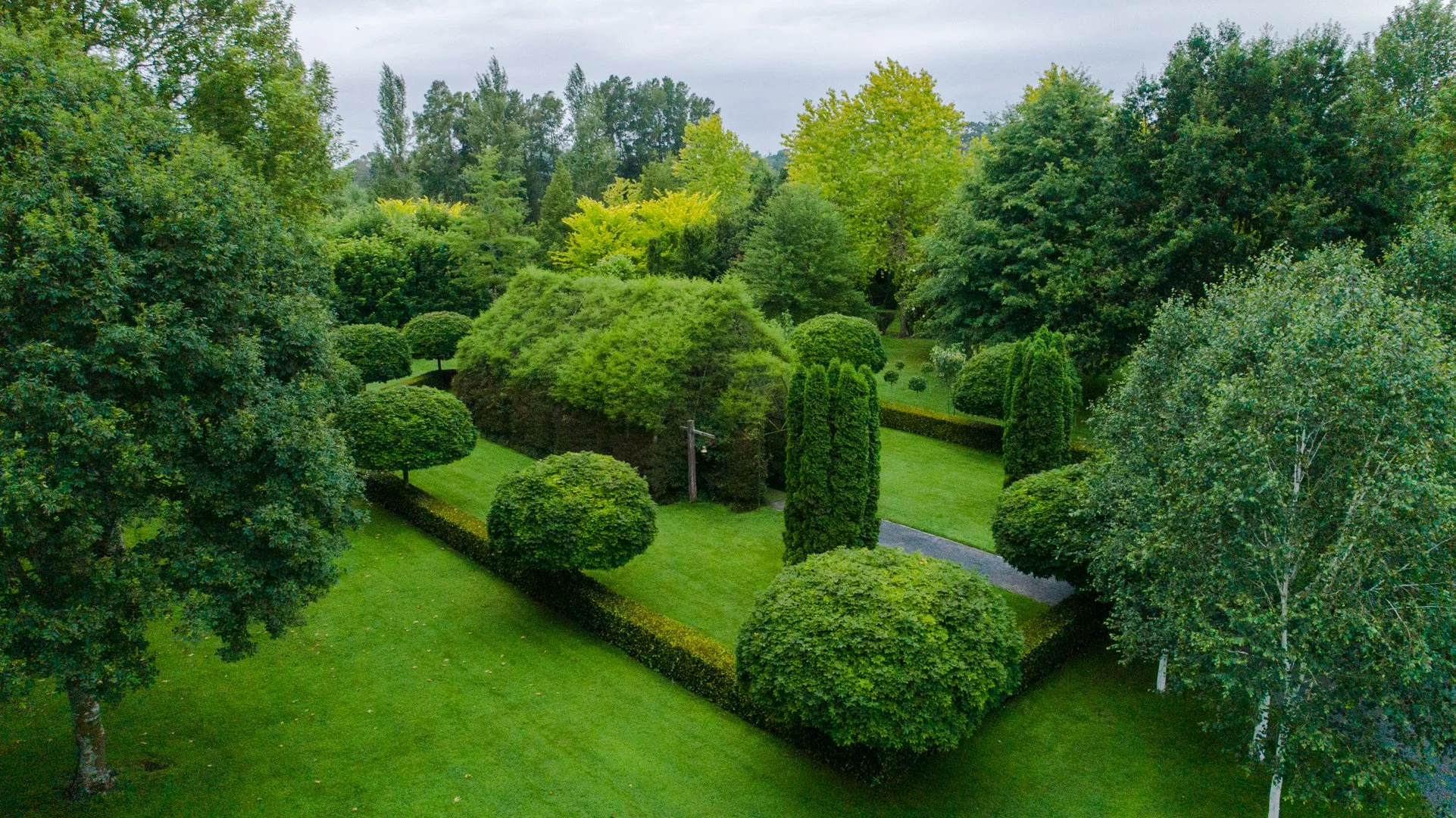
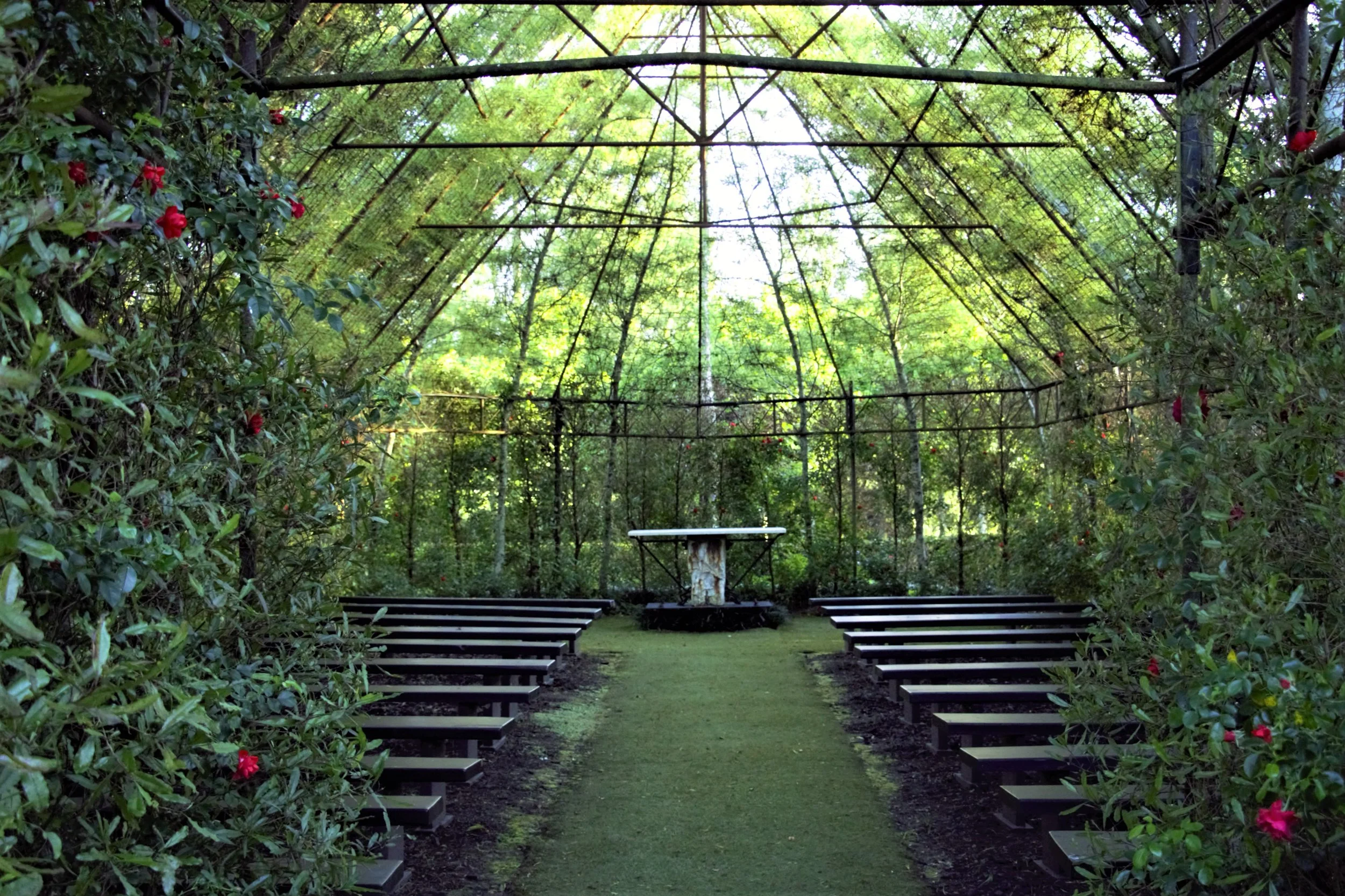
Photos: This is the original TreeChurch in the Waikato. It was designed and built by a chap named Barry Cox. Then the gardens were purchased by Chris and Bev Gatenby, who open the gardens to the public and hire out the TreeChurch as a wedding venue. You can find more photos of it, and their beautiful gardens, at www.treechurch.co.nz.
I’ve been wondering whether it could one day pay its own way. Not full weddings with marquees and 120 aunties, but small ceremonies or wedding photos. If that’s the direction we go, the garden landscaping around it will need to lean heavily on the more “wedding-y” (technical term). Soft planting, romantic lines, all that good stuff. But the idea that this mysterious green void could become something beautiful and help with retirement? Primo! (my daughter HATES when I use that word…”you’re SO 80’s Mum! And just for awareness ‘choice’, ‘ace’ and ‘wicked’ also fall into this category of cringe-inducing verbology).
But I digress!

Photo: I imagine I’d like to surround it with lots of white flowers in keeping with the wedding-y theme….roses, hydrangeas, Gaura, lilies…but mostly roses.
So now I’m researching: which trees? Maybe a climber instead? What shape? How to build the frame? Do we create church-style “windows” that are just gaps… or do we commit and add an actual stained-glass window at the far end for pure drama? (Imagine the Instagram potential. Imagine the wedding photographers fighting over booking slots!) I’ve been googling places in Christchurch that teach how to make them, because try finding a chapel-shaped stained-glass window with a garden theme. You can probably appreciate my dilemma.
And because the space is so big, I can afford to play. If it works, amazing. If it’s a disaster, well, I’ll just tell people ‘this area is a work in progress’.
Having a project like this is the fun part. Something slightly ridiculous to dream about. Something to think through at 2am when menopausal insomnia pops in to say hi. (I landscaped an entire 5-bed shrub border in my head during one of those nights. Got up, started building it. There are perks.)
So yes, a living chapel. On my lawn. It’s happening. Not tomorrow, but maybe later this year or early next. Follow along, because whether it becomes a magical garden icon or a leafy architectural ‘what was THAT meant to be?’ mystery, at least it’ll be entertaining.
And every garden deserves at least one slightly mad idea (Ok, so mine has several already. Does yours??).

Did you know?
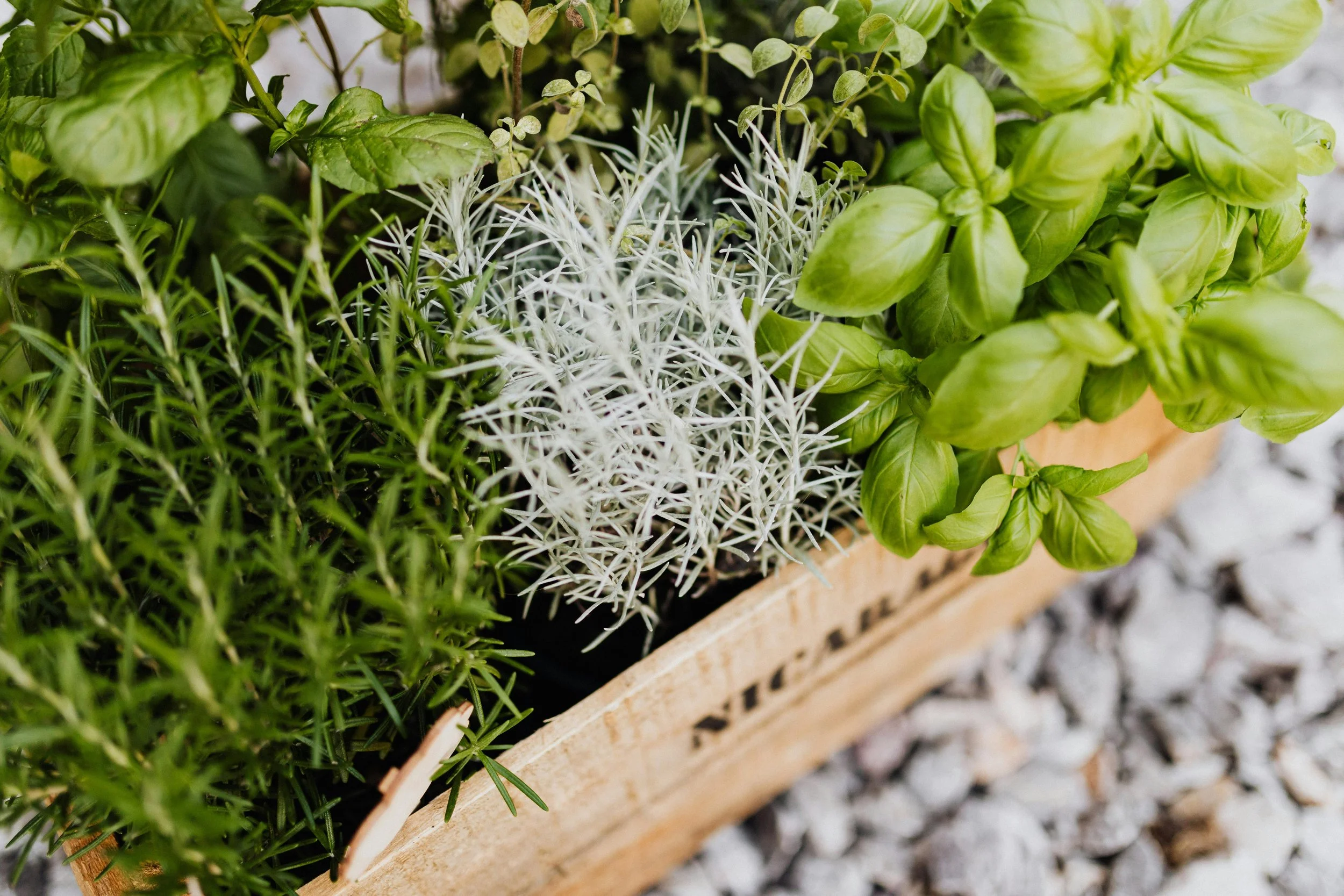
Herbs have more uses than you might think. They’re great for eating and companion planting, but some can also support your chickens’ wellbeing. Aromatic herbs like rosemary, mint, and lavender can help discourage insects around the coop, and all are safe for chooks to nibble in small amounts. Rosemary in particular is often used to support general respiratory health, while oregano is well known for its natural antibacterial properties. I’ve planted rosemary around my Cluckingham Palace gardens so I can easily snip a few sprigs to toss inside whenever the girls (and The Mighty Red Baron), need a little herbal boost.

What to do in your garden this week
Northern Hemisphere
🌼 Plant hardy annuals: Pansies, primulas, polyanthus, Iceland poppies, lobelias (blue/white), cinerarias.
🧤 Hold off pruning hydrangeas: Best left until late winter/early spring - pruning now can trigger tender frost-prone growth (plus dried heads add winter interest). Look out for a future newsletter where I’ll explain the different pruning methods depending on the type of hydrangea you’ve got. If you prune them incorrectly, you’ll get all leaf and no flower.
❄️ Don’t prune frost-damaged plants: Leave them until spring. Removing damaged growth now encourages vulnerable new shoots. Protect them instead and prune off the damaged bits later.
🌸Treat your winter-garden-blues - live out your floral dreams vicariously through Instagram photos from the Southern Hemisphere😊
Southern Hemisphere
🌷 Spring bulbs: If lifting, store in paper bags in a cool, dry place. Tip: I leave all mine in the ground, but they’re in raised beds, so rotting isn’t an issue. I also live through cold enough winters that tulips perennialise (come back year after year). But if you live in warmer regions in winter, tulips will need lifting, storing, then refrigerating in autumn before planting out again in winter. Most people in warmer regions treat tulips as annuals.
🌸 Bearded irises: When flowering finishes, deadhead by bending stems in the direction of the rhizome for a clean snap.
🌼 Plant out summer seedlings: Asters, chrysanthemums, cosmos, dianthus, gazanias, geraniums, gerberas, impatiens, larkspur, marigolds, petunias, nasturtiums, phlox, salvias, zinnias.
✂️ Deadhead flowering plants: Removing spent blooms encourages more flowers instead of seed. This is key for continuous colour from dahlias, roses & more.
🌾 Save seeds from spring annuals: Let seed pods dry, then collect into envelopes or scatter where you’d like next season’s colour.
Did you see this on Instagram?
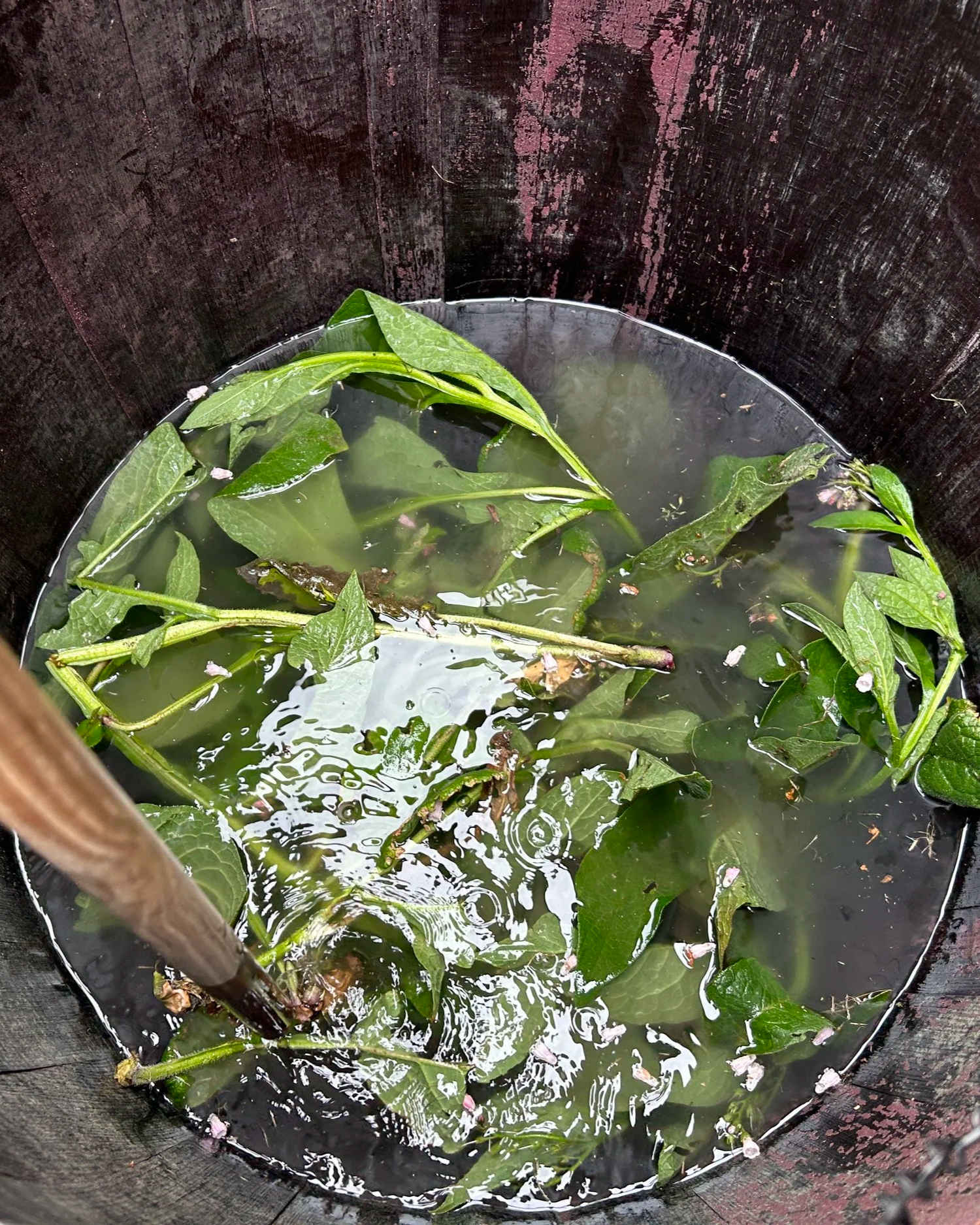
I’ve come up with a new container for creating Comfrey Tea. Like everything in my garden, I need it to be a little bit stylish, so a plastic rubbish bin just won’t suffice. It’s extremely handy having The Husband around given his talent with all things power-tool and DIY. So he’s created a nice, hinged lid, without compromising the look or integrity of the wine barrel (I was worried the whole thing would fly apart once he cut into it - I should have been more trusting).
![IMG_8787[1].JPG](https://images.squarespace-cdn.com/content/v1/68a501cca58fdb69735e8c43/1764192791231-0UE9MN7UXXK6JXME1GGK/IMG_8787%5B1%5D.JPG)
It’s had red grapes fermenting in it for so long that it still has a strong hint of a good Pinot, or maybe it’s a Merlot? I’m not a red-wine connoisseur. But it made me think about how a genuine wine connoisseur might review my Comfrey Tea concoction, and I imagine it might go something like this…
🍷 2025 Barrel-brewed Comfrey Reserve 🍷
Hand-crafted in small backyard batches.
A bold, full-bodied infusion lovingly fermented in a reclaimed wine barrel, where the lingering notes of last decade’s merlot mingle playfully with the unapologetic pungency of sun-wilted comfrey leaves.
On the nose, expect an assertive aroma reminiscent of “earth after heavy rain” with delicate top notes of “barnyard chic.”
The palate opens with a robust vegetal richness, followed by a lingering finish of “please keep the lid shut.” Hints of red wine nostalgia whisper through the brew, offering a surprising sophistication for a fertiliser that could strip paint.
Best served outdoors, preferably downwind, and applied generously to plants that appreciate a strong character.
Pairs beautifully with:
– Heavy-feeding tomatoes
– Greedy cucumbers
– Gardeners with a sense of humour
Not recommended for human consumption. Your plants, however, will rave about it
_______
I’ve uploaded a deep-dive blog-style post in Behind the Garden Gate with all the information you’ll need to not only make Comfrey Tea, but also to understand the science behind why it’s such a great natural fertiliser for your plants. There’s a rapidly growing library of information in my members-only area, so if you haven’t considered joining, then do because you’ll find a plethora of plant particulars!
What’s new in Behind the Garden Gate
🌸 Nitty Gritty: It’s all about Comfrey Tea - what it is, how to make it, how to use it, and why it’s useful. If you’re looking for easy home-made ways to enhance your plant health and help them thrive without using less-natural fertilisers, then this is the blog post for you!
🌹Nifty Nasturtiums: why is The Whitehouse (my greenhouse) smothered in Nasturtiums throughout summer? I let them run rampant and they definitely have a penchant for world domination, but I’m ok with that because of the benefits they bring to the veggie garden. Everything you need to know about Nasturtiums is in this blog-style post.
📷Snapshot Shed: as usual, plenty of new photos to inspire your gardening endeavours.
If you’d like to sign-up for Behind the Garden Gate, open this email fully by clicking any of the ‘view full gallery’ links, or via the link at the bottom of this email. You’ll then see a sign-up button right below this sentence where you can join (if you’re reading this on my website, the button is already obvious).
Those who sign up with an annual membership (95% of my members so far) will receive a free copy of my eBook design guide. I’ll email it out within 24 hours because so far, I’m too much of a techno-peasant to be able to work out how to make it happen automatically.
Photo: These chicks were never meant to exist. Their mum, Dottie Hensworthy is a serial escape artist. We clip her wings, but then they grow back and we get slack, and she’s off into the hedge again. It wasn’t a problem….until The Mighty Red Baron turned up. Ironically, the day before this lot arrived on the scene, I was discussing the absence of Dottie with The Husband. We thought she may have gone to chicken heaven, given her long absence. I said, “I hope she doesn’t turn up with chicks in tow”. The very next day, I was gardening by the chook run and there appeared Dottie, looking hungry. I went to welcome her home and out from the undergrowth followed a little trail of chicks. I was relieved to stop counting when I got to six, because the number was starting to give me heart palpitations. Not really equipped for chick raising, I did a crash ChatGPT course on how to protect and raise chicks, The Husband knocked up a little shelter for them to keep them separate from the main flock, and now we’re in a co-parenting relationship with Dottie. I REALLY hope there’s more girls than boys 😐
Anyway, here they are…Dottie’s little troupe of sweetness. I like to imagine in this photo they’re practicing their Christmas Carols. Sometimes it takes an unexpected influx of small creatures (chicks and lambs) to remind you just how much animals enhance our lives. Yes, they require plenty of care, but they bring a lot of happiness too.
![IMG_E8650[1].JPG](https://images.squarespace-cdn.com/content/v1/68a501cca58fdb69735e8c43/1764021286147-BV29W9571PSQOE8LHECI/IMG_E8650%5B1%5D.JPG)