A garden butler? Now there’s an idea!
Hi everyone,
It’s very easy to scroll through all the perfect gardens on social media and think everyone else is living in some kind of weed-free paradise where every plant behaves and no one ever forgets to prune anything. But the whole purpose of my Instagram page and this website has always been to keep gardening real and show you the glamorous and the not-so-glamorous bits. Mainly because I know how discouraging it can be to look at someone else’s apparently flawless garden and think, well, that’s lovely for them, but I haven’t got twelve spare hours a day and a personal garden butler.
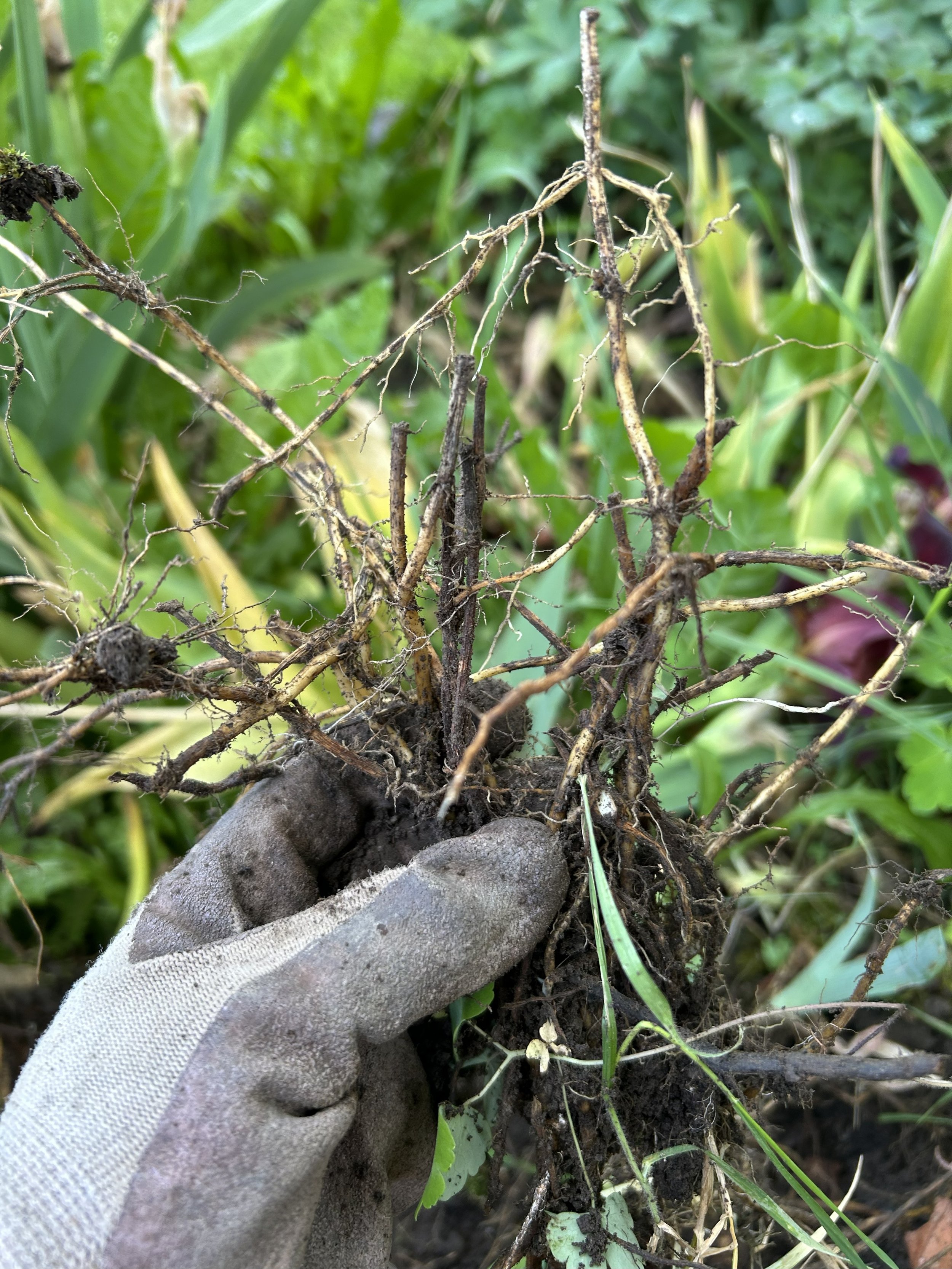
Meanwhile, I go through the exact same things you do. This weekend really drove it home. The spring flowers are fading and flopping, the summer stuff hasn’t woken up yet, and I walk outside to an assortment of sad petals, patches of green-on-green nothingness, and a bold, confident invasion of twitch grass marauding through my bearded irises. The irises were overcrowded and should have been divided two years ago, but apparently past-me thought that was future-me’s problem. Well, future-me is now present-me and those irises took their revenge and barely flowered at all.
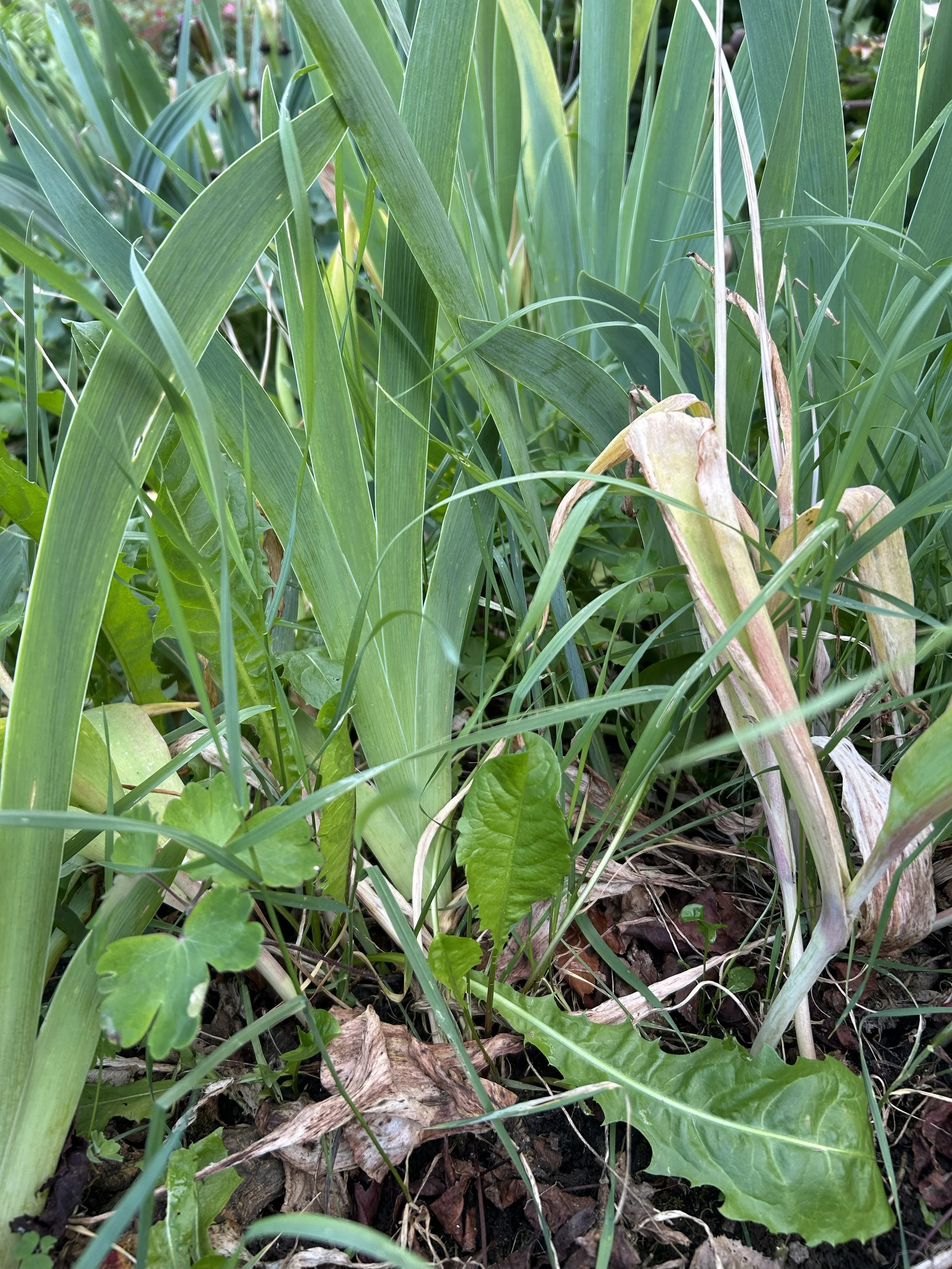
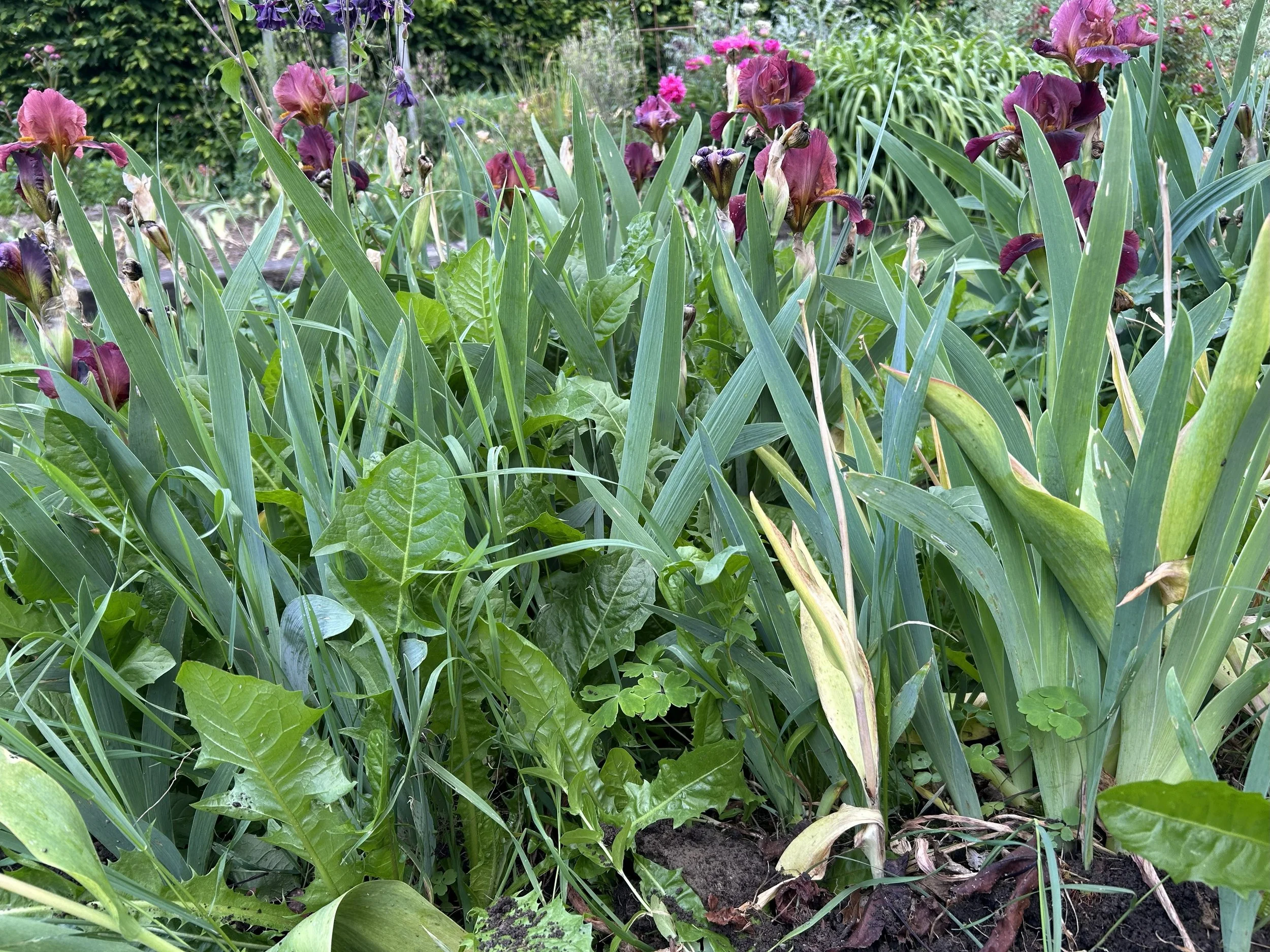
And then there are the dandelions. I’m always telling people to plant in big drifts for maximum visual impact. The dandelions clearly thought that was an invitation. They’ve created a sweeping golden river right through my perennial borders. You don’t always see that in my photos, but trust me, they’re there, thriving, smug, and laughing at me.
It was Canterbury Anniversary Weekend, so I got three whole days to tackle the chaos. I dug up all the irises, excavated enough tulip bulbs to start my own underground farm, threw in loads of fresh compost, replanted the tulips, divided the irises, spaced them out like a responsible adult gardener, and pulled out as much twitch as my sanity allowed. I know it will be back. Twitch only needs a molecule to regenerate. It’s basically immortal. I’ve tried all the organic tricks over the years, but you can’t mulch irises because their rhizomes like a nice sunbathe. So yes, I do sometimes resort to a little glyphosate. If you prefer not to use it, that’s up to you. For me, when I’m staring down weeds from the seventh circle of horticultural hell, I grab my tiny spray bottle and go full assassin on any new shoots.
![IMG_8139[1].JPG](https://images.squarespace-cdn.com/content/v1/68a501cca58fdb69735e8c43/1763324470478-HAM2I34NVTV2WKLJUN6R/IMG_8139%5B1%5D.JPG)
So yes, I have a pretty garden, but I also have a full-time job and two teenagers and a life that does not include a groundskeeping team. My garden is not always super pretty or perfect. I can take a flattering photo from a strategic angle and it will look beautiful, and often it really does, but the weeds are still there. Sometimes they’re tucked under foliage. Sometimes they’re waving at me like they own the place.
Your garden won’t be pristine all the time either, so please don’t compare it to the curated close-ups you see online. It is very easy to tilt a camera two degrees to the left and hide an entire apocalypse. Gardening on social media is basically smoke and mirrors with soil.
So, this week’s message? Stop looking at your weeds like they’re a personal failure. Unless you have a full-time gardener or a staff of twelve, your garden will never look perfect every day and that’s absolutely fine. You’ll get to the weeds when life lets you. In the meantime, tilt your camera, crop out the chaos, admire the bits that are blooming their hearts out, and remember your garden can still look stunning even with a few uninvited guests.

Did you know?
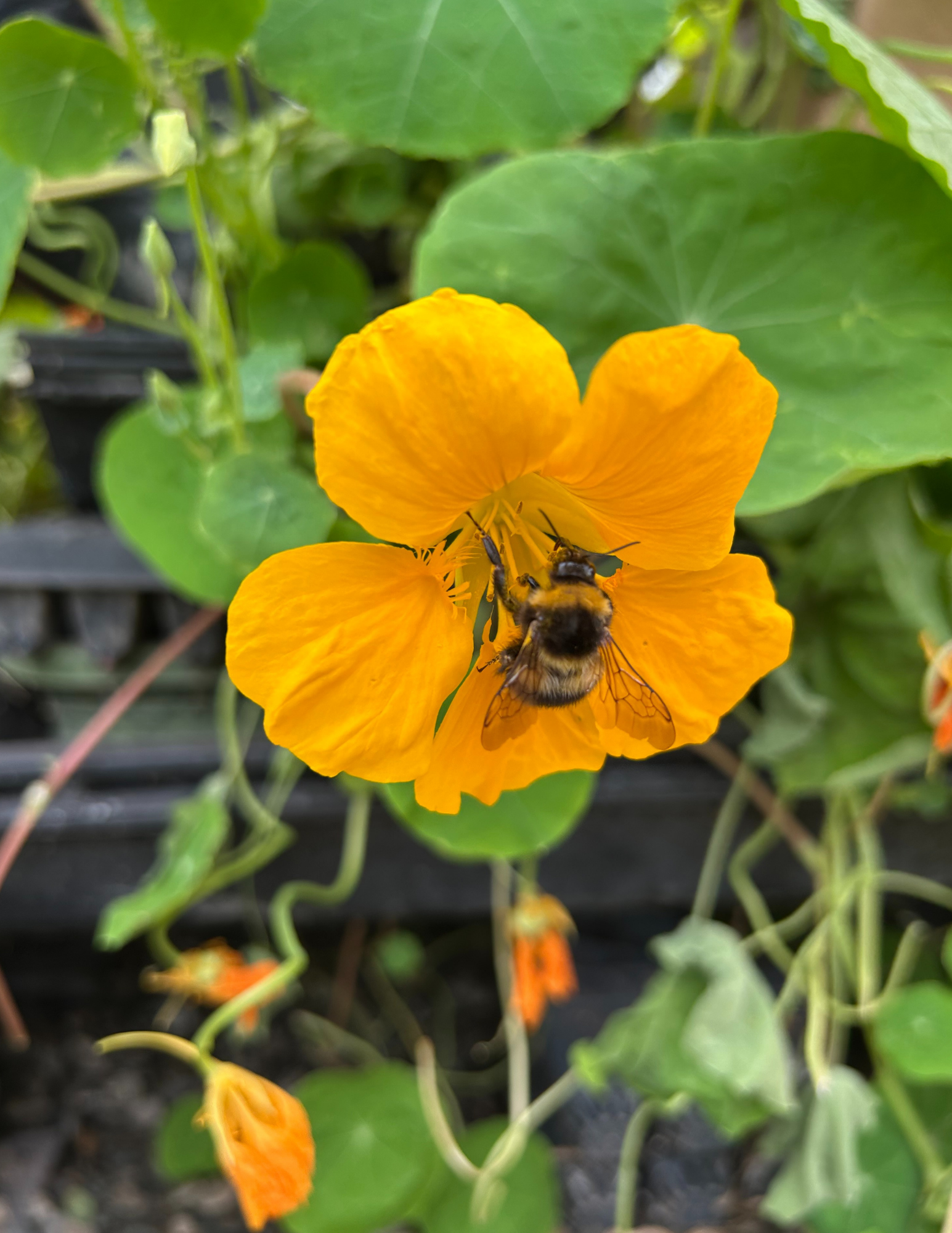
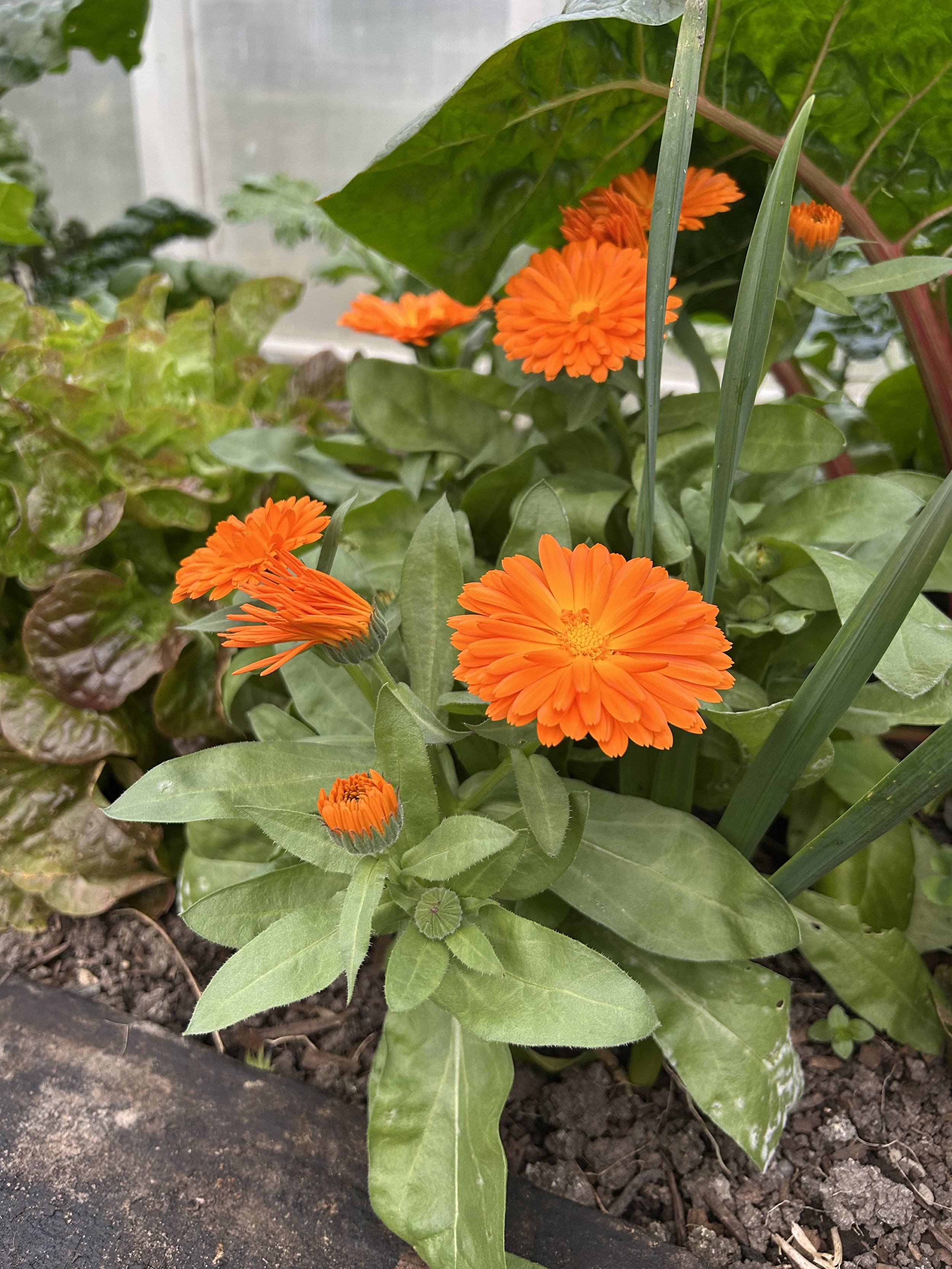
Do you use nasturtium and calendula in your companion planting setup in the vegetable garden or greenhouse? Well, did you know the flowers are edible too?
Calendula petals can be sprinkled into salads, omelettes and cheese dishes. Just remove the petals, snip off the white bits and use the colourful parts. They’ve long been used to add a warm golden hue to soups and rice too.
Nasturtium flowers, on the other hand, have a lovely peppery bite that pairs beautifully with veggies, omelettes and cream cheese, and they add instant brightness to any salad. You can even eat the leaves. Both flowers and foliage can be used in sandwiches. Give it a try!
What to do in the garden this week
Northern Hemisphere
🌿 Feed winter-blooming bedding annuals (pansies, polyanthus, etc.) with a light sprinkle of blood and bone.
✂️ Take semi-hardwood cuttings from camellias, fuchsias, hydrangeas, roses and woody perennials like lavender, hebes and azaleas.
💧 Begin reducing watering….too much moisture over winter is one of the main plant killers.
🌼 Plant hardy annuals for winter colour, such as pansies, primulas, polyanthus, Iceland poppies, blue and white lobelias and cinerarias.
📚 Have fun browsing seed catalogues and planning for next season.
Southern Hemisphere
🌼 It’s safe to sow annuals directly now that the frost risk has passed.
🌸 Sow annuals every 3–4 weeks for a continuous display right through to autumn, especially handy if you love having fresh flowers for the vase.
🌺 Get the last of your dahlia tubers in the ground. Choose a sunny, sheltered spot with free-draining, compost-rich soil.
🌷 Keep planting summer bulbs such as gladiolus for a staggered-timing summer display.
🌹 Keep deadheading roses, especially now the first flush of blooms is finishing.
✂️ Prune spring-flowering shrubs as soon as they finish blooming to maintain shape and encourage fresh new growth.
🌞 Harden off indoor-grown seedlings before planting out:
Start with a couple of hours of morning sun in a sheltered spot.
Gradually increase exposure over 7–10 days.
After about 10 days, they’re ready for the garden.
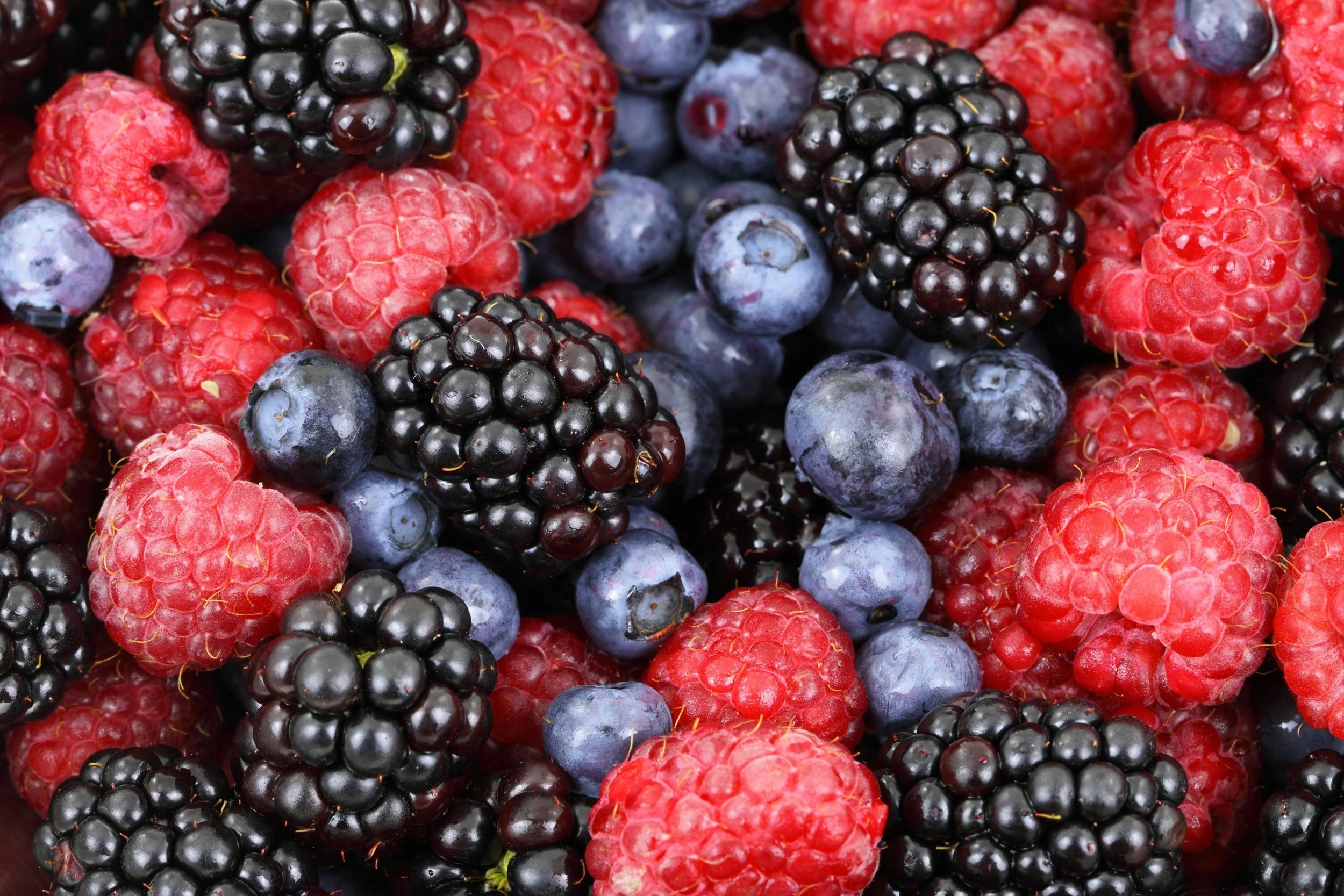
It’s berry season! Strawberries are my favourite, closely followed by boysenberries, with blueberries trailing a distant last on the list. This is quite fortunate really because my blueberry plants are not growing at all well, and appear to be quite temperamental little things. I guess they’re protesting at the conditions but having followed the recommendations for soil and water, I really have no idea what their problem is. However, it’s no major loss to me as long as the strawberries perform and my fridge has cream in it!
What’s new in Behind the Garden Gate?
🌿Garden to Table: Magnificent Marigolds is all about why these unassuming flowers are a powerhouse when it comes to companion planting, including everything you need to know to grow them. I’ve gone to town on providing you with the ‘how to grow’ and also ‘why to grow’, plus a good dose of science to back up my own experience on why these are a must-have in your veggie patch or greenhouse.
🌸Feature plant: ornamental grapevines. A ‘must have’ in my garden, but there’s things you need to understand about this particular plant before you let it romp away in your own garden. Stunning? Yes. Has it got a dark side? YES! Get the full story on how to grow them, their pros and cons, and a pile of photos to convince you that this is worthy of consideration in your planting plan.
📷Snapshot shed: more photos to help inspire your garden journey.
Did you see this on Insta?
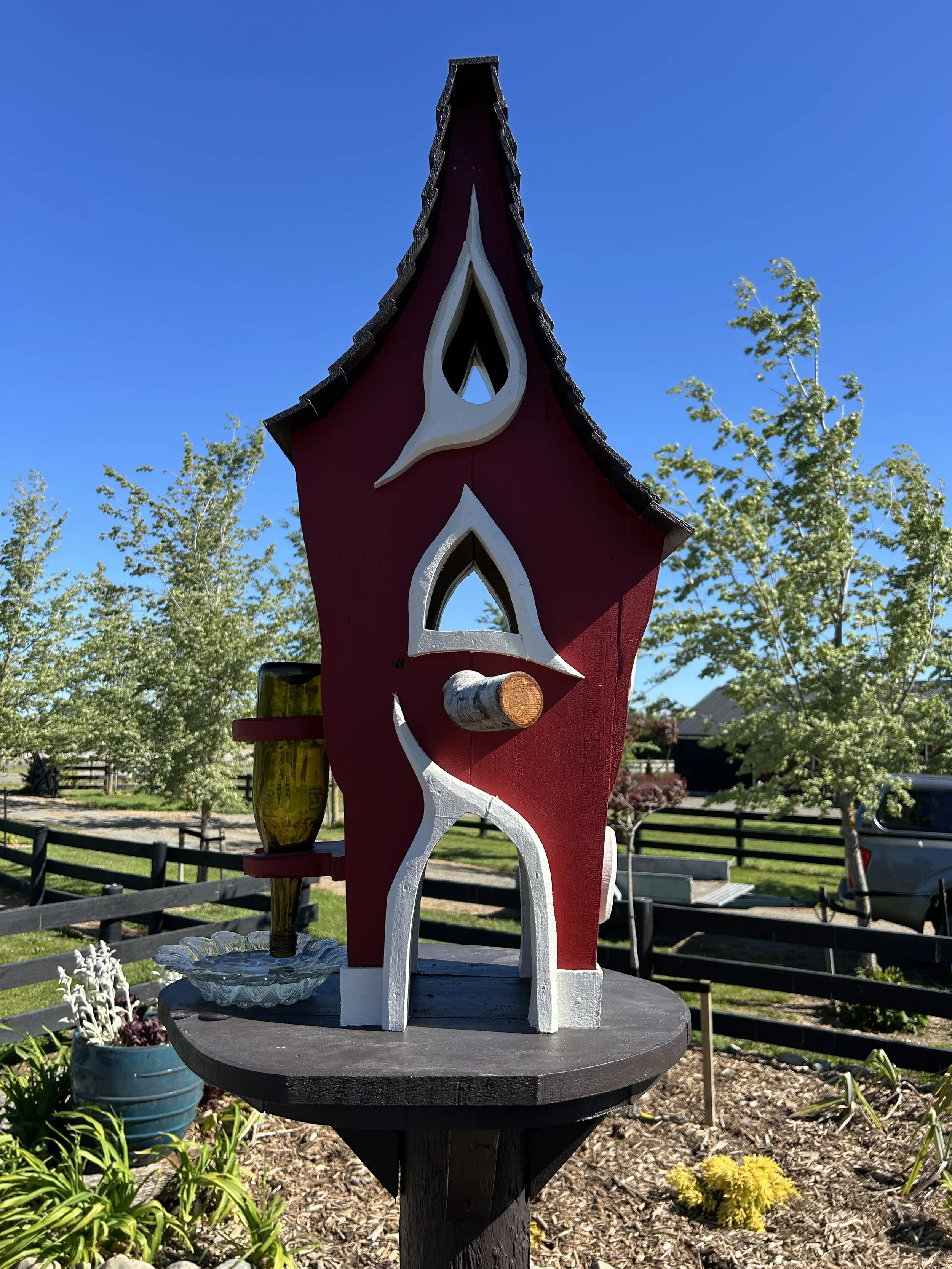
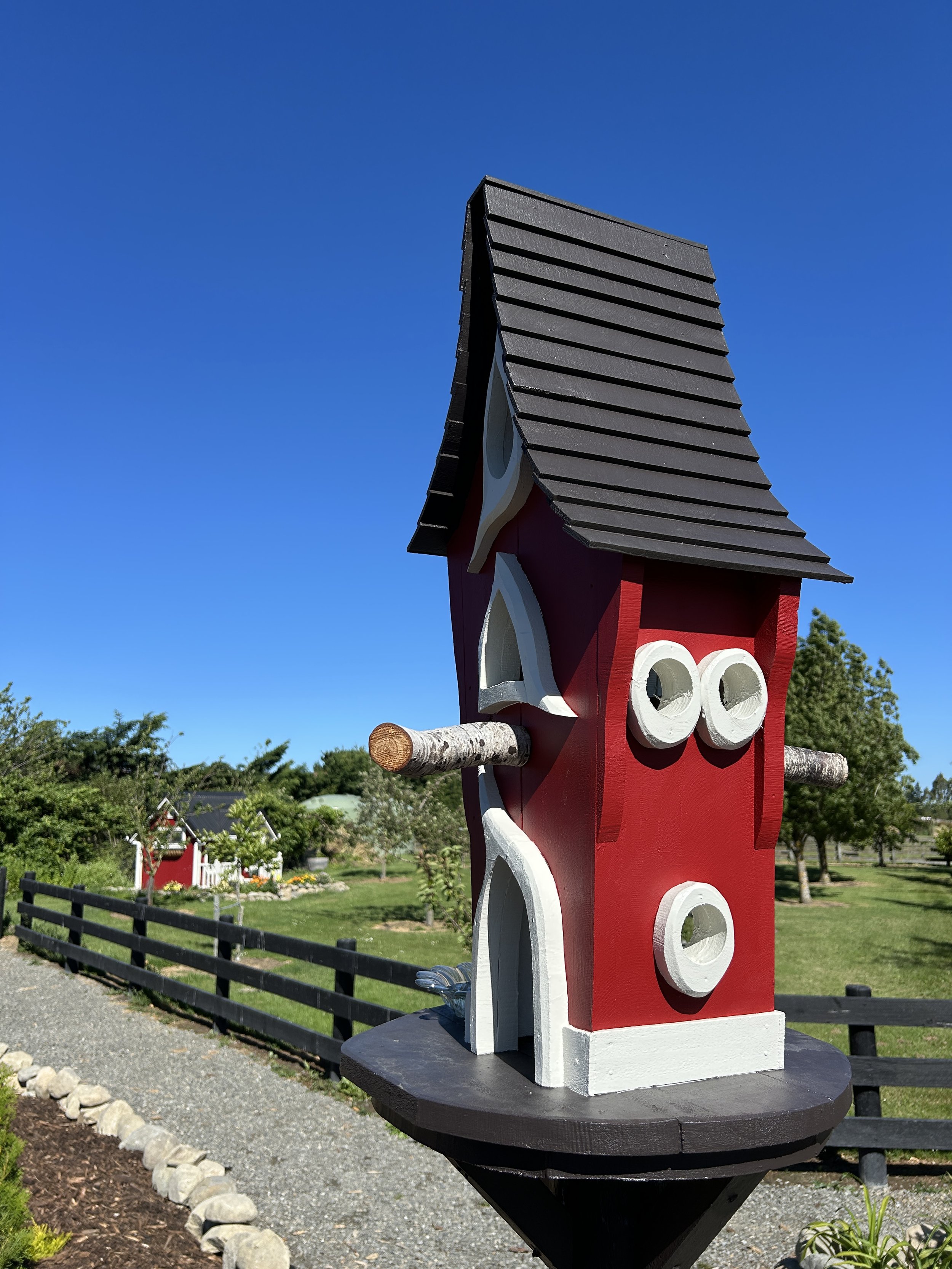
There’s no such thing in this garden as ‘normal’. The chook house is a palace, the greenhouse is a ‘maybe I’m vintage, maybe I’m hippie, maybe I’m boho’ identity-crisis kind of space, and so a birdhouse was never going to be just a birdhouse!
It is yet to find a name, but Holyroost House is a frontrunner, along with Cobblewomp Manor. It strikes me as a cross between the Beverly Hillbillies and the Addams Family (with a hefty dose of Dr Seuss thrown in for good measure). Now I just have to get the birds to realise it’s their new hang out.