Hand me the tissues
I have an about-to-be-19 year old daughter. In August she’s heading off to Norway for a ‘gap’ year. I’ve already informed her - well in advance - that I’ll be ugly crying. Definitely at the airport. Possibly in the car on the way there. Almost certainly in the weeks leading up to it, and quite possibly at random moments triggered by absolutely nothing of consequence, like a half-empty cereal box or the word “August.”

The good news is that my family are completely prepared for this. I’m a known crier. My ugly crying will not shock anyone. No one will rush over in alarm. They’ll simply nod, hand me a tissue, and continue with the check-in process as if this is all perfectly normal. Which, for us, it is.
We booked her flights in January and I nearly cried then. Over airfare. So, expectations for August are… modest.
Now, to be clear, I’m thrilled for her. I love that she’s brave enough to head off to the other side of the world. I love that she’s doing something exciting and character-building and slightly terrifying (mostly for me). Teenagers leaving home is exactly how it’s supposed to go. I know this. I support this. But I’ll still be crying into my wheelbarrow.
Which is where gardening comes in.
I’ve long maintained that gardening is cheaper than therapy and significantly more productive. For one thing, it forces you outside, into fresh air and sunshine. Sunshine is an excellent therapist. It doesn’t talk back, it doesn’t judge your life choices, and it makes everything feel at least 15% more manageable.
Gardening also involves physical exercise, which, annoyingly, is very good for your mood. Why can’t we have this result without exercise? Digging, lifting, and hauling things around the garden is basically emotional processing in gumboots. If I’m going to cry anyway, I may as well be building muscle while I do it.
And then there’s the dirt. Science has apparently confirmed that there’s something in soil that actually boosts your mood. Something about beneficial microbes that make your brain happier. I don’t know the full details, but I choose to believe that every time I dig a hole, I’m actively improving my mental health at a microbial level. This feels both reassuring and extremely on brand.
And let’s not forget the simple therapy of just sitting and looking at a garden. Watching things grow. Noticing that despite everything, the plants are still doing their thing. It’s very grounding. Also, plants don’t announce they’re moving to Norway.
By the time August rolls around, spring will just be starting to show up properly. Buds will be swelling, soil will be warming, and my garden will be looking hopeful and full of promise. So, I’m going to be placing an unreasonable amount of emotional responsibility on it to carry me through this transition.
Will it work? Probably. Will there still be ugly crying? Absolutely. But between the sunshine, the dirt, and the fact that my family are already emotionally braced for my airport performance, I think I’ll survive.
And if not, you’ll find me in the garden.
With a wheelbarrow.
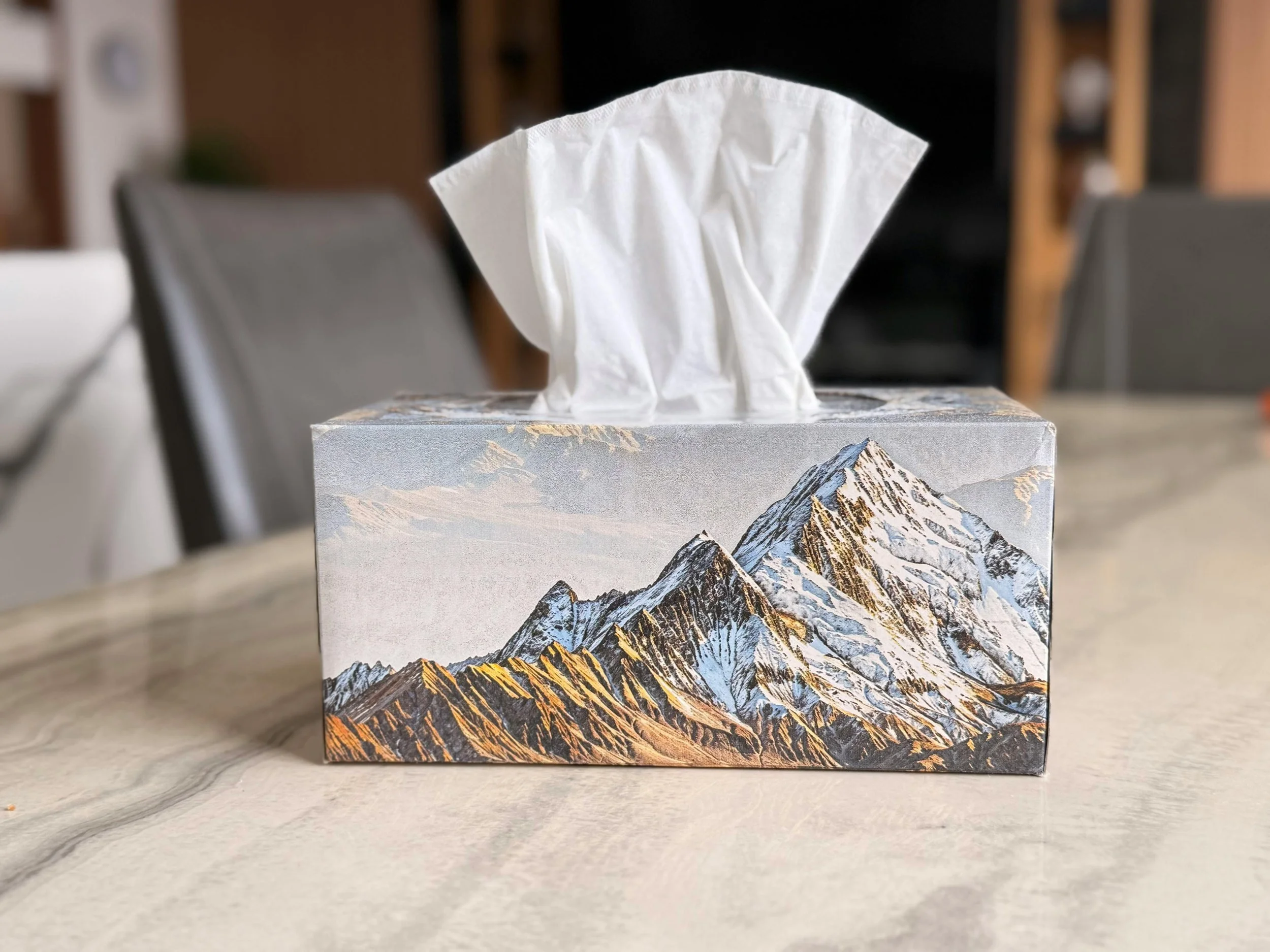
And tissues.
Did you know?
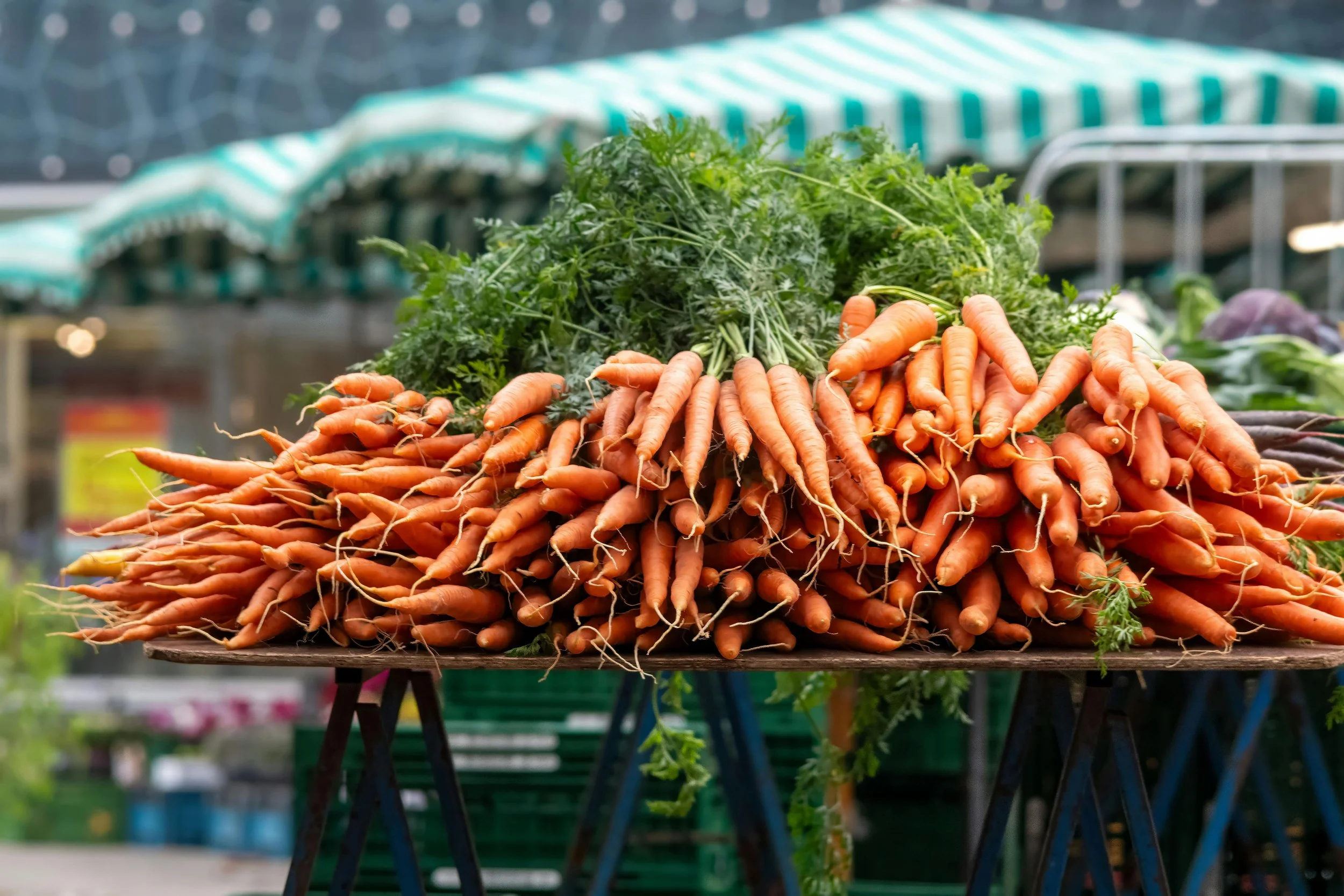
Orange carrots were selectively bred in the Netherlands in the 1600s, possibly to honour the House of Orange. Purple, yellow, white, and even black carrots are the original versions.
What to do in the garden this week
Northern hemisphere
🌼Healthy soil is your key to a successful garden. It starts with what’s under the ground (and what sits on top of it). Spring is the time when weeds take off as the soil warms up and they can quickly get on top of you. So weed early, add compost to your soil, loosen any compacted soil, and top it off with a 5-10cm thick layer of coarse mulch to help retain moisture, suppress weeds and moderate temperature extremes as you head into summer.
🌷As your spring bulbs come to an end, RESIST the urge to lop off their green foliage. I know it starts to look tatty, but the bulbs need the foliage to stay put for as long as possible so they can generate the energy needed to flower the following season. If you chop it off as soon as your bulbs have finished flowering, you’ll diminish the flowering performance the following season.
🐌Slugs and snails will decimate your seedlings if you don’t keep a close eye on them. There’s a lot of remedies mentioned online. I’ve tried most of them. Beer traps do work quite well. Coffee grinds and eggs shells don’t, in my experience. Coarse mulch prevented any holes in my Hosta’s last season, so that’s a win. Going out in the dark with a torch and squashing them is also very organic, but quite time consuming and very gross. I spent a solid hour one night just in my greenhouse squashing slugs. If all else fails, a small handful of pet-friendly slug and snail pellets around your seedlings is usually very effective.
🥶Keep frost protection handy. Unless you’re in a mild area, late frosts can come along and ruin your week.
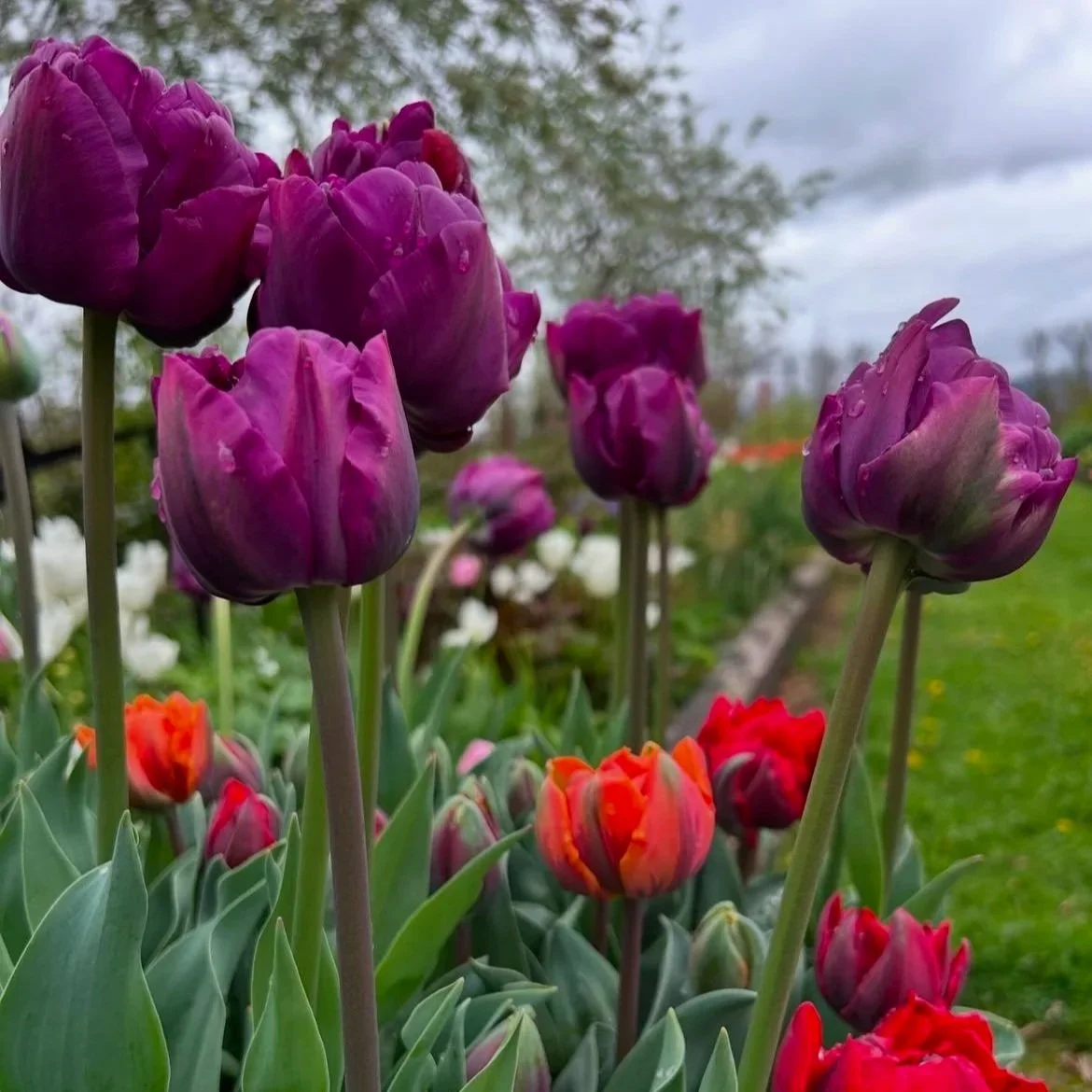
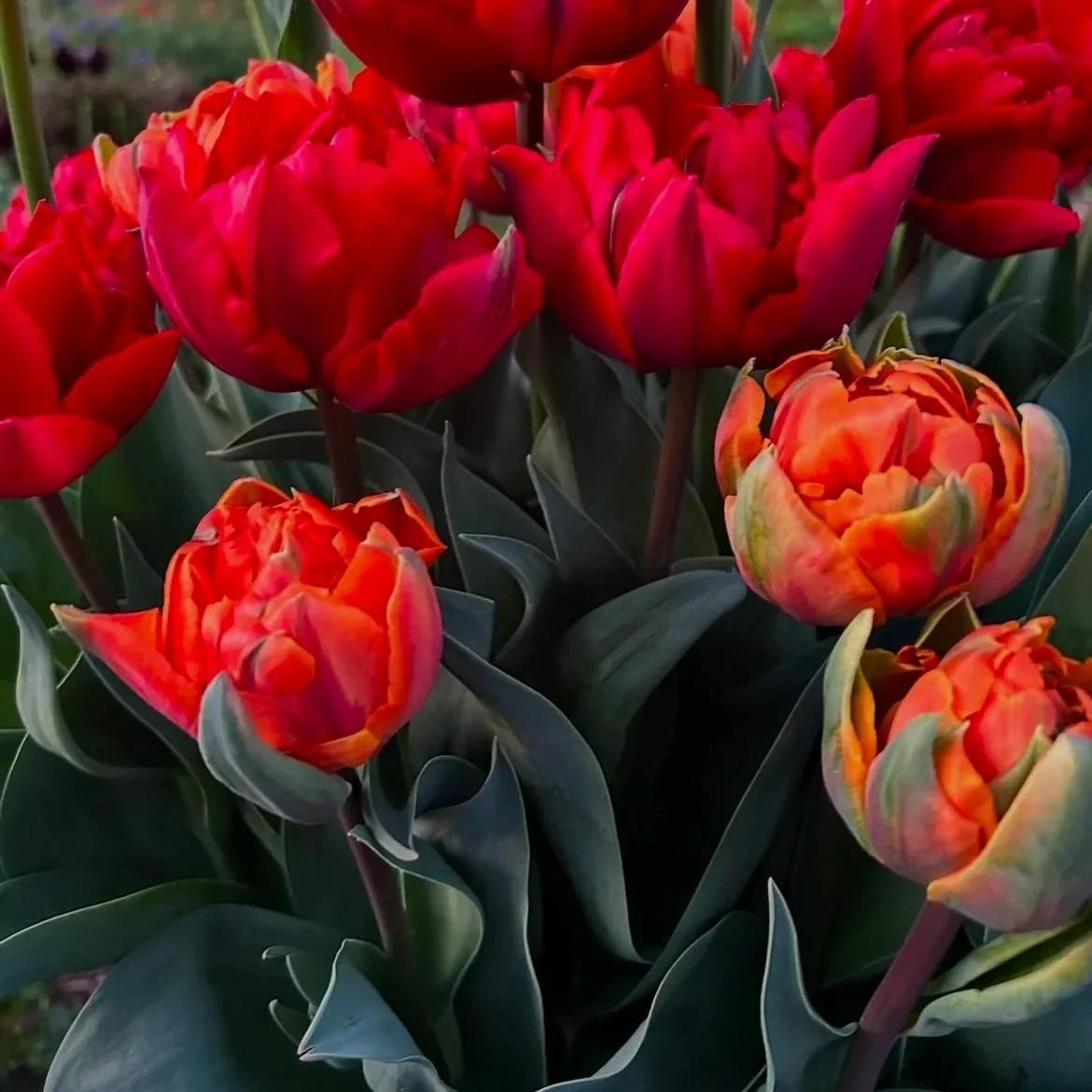
Photos: tulips from my spring garden. The purple one is Saigon. I think the others are Orange Princess and Red Princess.
Southern hemisphere
🌿Autumn is the best time for many garden tasks. I spent last weekend lifting and dividing perennials. Doing so every three to four years helps rejuvenate declining flowering performance. A lot of perennials become overcrowded over time and so lifting and dividing is a constant consideration. I stagger mine as much as possible so that I don’t have to do all the perennials in the same year. Remember, peonies do not fall into the ‘lift and divide’ camp. They prefer to be left undisturbed.
🍁Missing autumn colour in your garden? Assess your garden now for what it’s missing and then plan accordingly for next autumn. Beautiful flowers in my garden right now are dahlias, Japanese anemones, roses, penstemon, amaranthus, zinnias, alstroemerias, sedum and reblooming delphiniums. So, if your garden colour ran out of oomph when autumn rolled around, consider adding some of these.
🍂Never stop mulching. It doesn’t really matter what time of year it is, I’m always mulching something. Adding new, or topping up. Mulch is the key to healthy plants and maintaining your sanity. Without it, my garden would be a weed haven. With it, the weeds still pop up, but far fewer and they’re easier to pull out.
🍅Remove your spent crops and compost them. If there’s diseased plant material, keep that out of your compost. Put it in the bin instead.
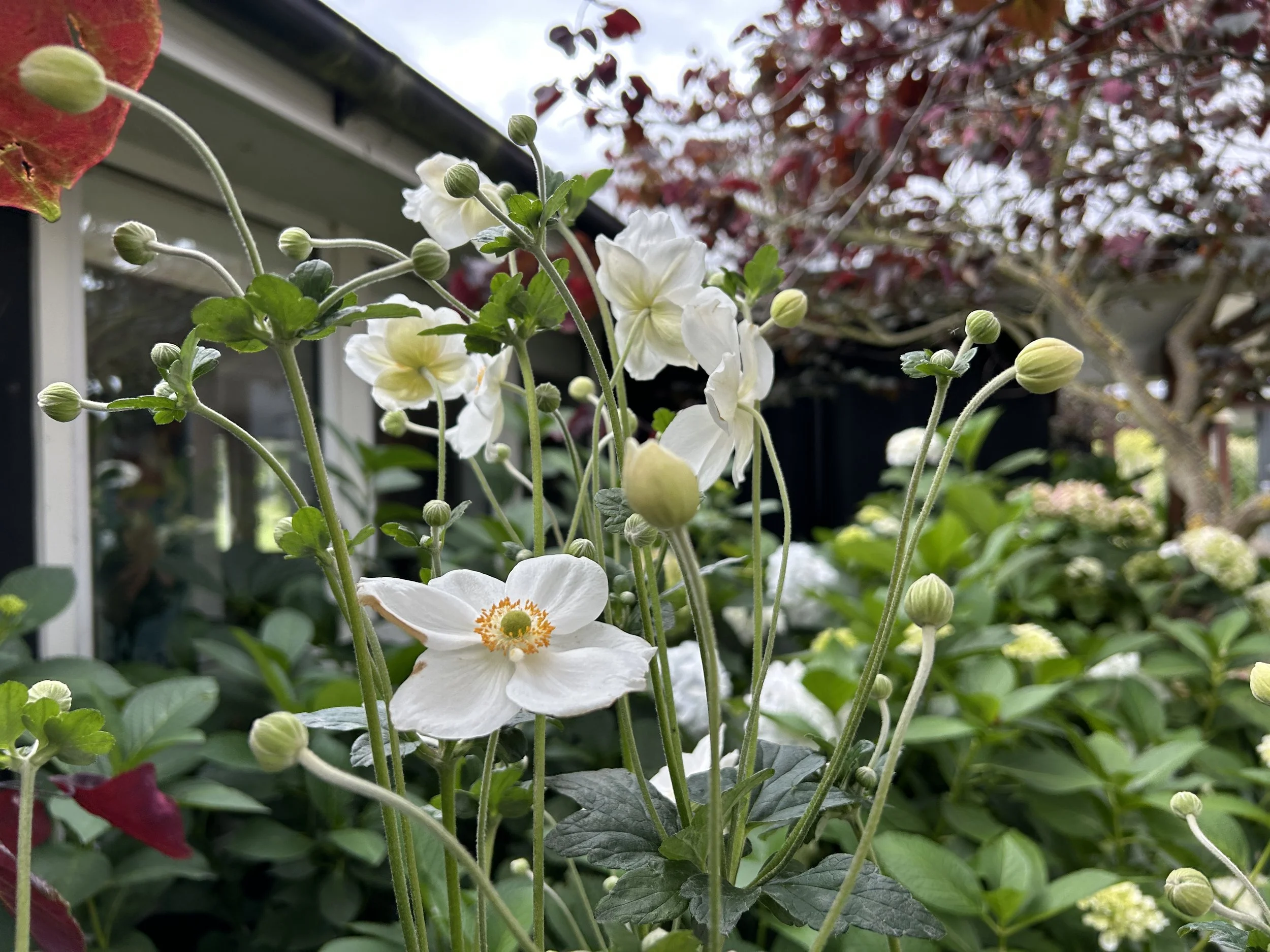
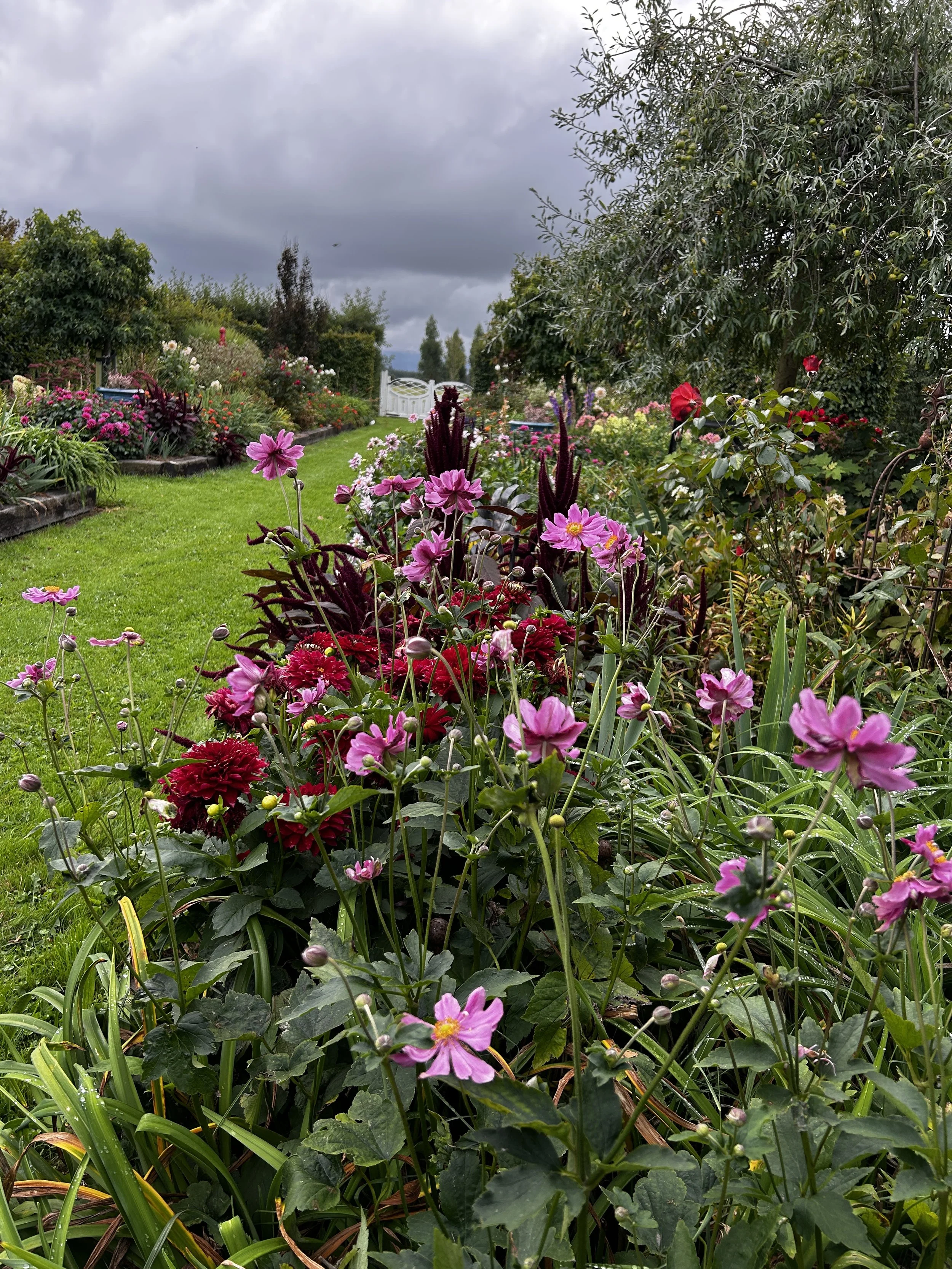
Photos: Japanese Anemones in my garden. The photo on the right is my perennial border. Frankly, I think it’s looking better than my summer border this year!
What’s new on Behind the Garden Gate?
🌷Nitty Gritty: how to get three seasons of colour from one small patch of soil. This article explains the planting combo I use in my garden to create seasonal colour in the same spot. I explain the plants I use and how I keep the colour going so that I don’t have a few weeks of blooms and then months of green foliage.
🍄🟫Nitty Gritty: this one is all about powdery mildew, a fungal disease quite common in plants. There are organic and chemical ways to treat it depending on your preferences. This article explains what it is, steps you can take to reduce the risk of it developing and how to treat it when it does, including a basic organic spray recipe.
📷Snapshot shed: as usual, more photos of my garden. I’m really happy with my autumn garden this year. It’s showing off perhaps more so than summer. I really feel like I’m getting the seasonal colour challenge conquered!
As I mentioned a couple of weeks ago, I’m in the process of migrating my articles to Substack. It’s so much better set up for publishing this type of content, and I also think probably a much better user experience for you too. The articles I publish arrive straight to your inbox rather than you having to make an effort to head onto my members-only page to find the content. It’s just easier on Substack. I’ve realised that now, and so I encourage any of you who would like to receive my content in that way to head over and subscribe over there. I have free and paid options. Free subscriptions give you my free Sunday newsletter each week plus all the photos and notes with little tips and guidance that I add to my feed every day. Paid subscribers get all that, plus two additional articles each week with much deeper dives including garden knowledge, design tips, plant care advice, the odd recipe, and a bit of humour. You’ll find me as The Manic Botanic on Substack - not Behind the Garden Gate.